
Avocado
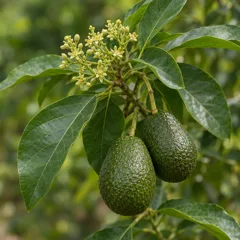
A backyard avocado tree can give you more fruit than you can eat, and you get to pick it when you want it, because avocados stay hard on the tree and only soften after picking. They're evergreen trees from Mexico and Central America, and they grow outdoors only where winters are mild: coastal California, central and south Florida, the Gulf Coast's warmest corners, Hawaii, and much of eastern and southern Australia. In the UK, Ireland, Canada and the colder US states, most people grow avocado as a big potted plant that summers outside and winters in a bright room or conservatory. One tree can fruit alone, but a second tree of the opposite flower type usually means a bigger crop.
Recent community discussions
No one has talked about Avocado yet. Be the first.
At a glance
| Plant type | Fruit tree (evergreen, subtropical) |
| Botanical name | Persea americana |
| Annual or perennial | Evergreen perennial |
| Sun | Full sun, 8 hours or more |
| Water | Young trees about twice a week; grown trees about 2 inches per week in summer heat, always with good drainage |
| Spacing | Full-size trees 20 to 30 feet from buildings and other trees; dwarf types such as Wurtz about 10 feet |
| Planting depth | Top of the root ball about 1 inch above the surrounding soil; never deeper than it sat in the pot |
| Days to germinate | Not grown from seed for fruit; start with a grafted nursery tree (a pit sprouts in a few weeks to two months, but won't come true) |
| Days to maturity | 3 to 4 years to first fruit on a grafted tree; seedlings often 10 years or more, if ever |
| Best USDA zones | 10 to 11 outdoors (9b, and 9a for the hardiest Mexican types, with frost protection); anywhere colder in a big pot brought inside for winter |
| Soil pH | 6.0 to 6.5 is ideal; tolerates about 5.5 to 7.0 |
Is it avocado weather where you are? See everything to plant this month or read your zone notes.
Pests to watch for

Diseases

A little history
Avocados were eaten in Mexico long before farming began. Seeds found in caves in the Tehuacán Valley of Puebla show people were eating them close to 10,000 years ago, and over thousands of years Mesoamerican peoples selected trees with bigger, better fruit. The name comes from the Nahuatl (Aztec) word ahuacatl. Spanish explorers took avocados to Europe and the Caribbean in the 1500s. Henry Perrine planted avocados in Florida in 1833, and California's first trees came from Mexico in the mid-1800s.
The Hass avocado, now the world's best-known variety, began as a chance seedling. Rudolph Hass, a mail carrier, planted it in his grove in La Habra Heights, California, in the 1920s, liked its rich fruit and patented it in 1935. That first tree stood until 2002, when root rot finally killed it.
When to sow in your zone
Avocados go in as young grafted trees, not seeds. The best time is spring into early summer, a few weeks after the danger of frost has passed.
Spring to early summer (zones 9b to 11): Plant potted nursery trees about a month after your last spring frost, roughly March to June, so they have the whole warm season to root in before the next winter. In Australia's frost-free gardens, the same window falls in spring, about September to December.
Avoid fall planting in frost-prone zones: A young avocado is far more tender than an old one, and a tree planted in fall goes into its first winter with a small root system. In zone 9, spring is the only sensible window.
Colder zones (8 and below, UK, Ireland, Canada): Pot up a grafted dwarf tree any time it's warm indoors, and move it outside in late spring once nights stay above about 50°F. Bring it back in before the first fall frost.
November in the garden: In zones 9 to 10, get frost cloth or old sheets ready for young trees, and don't prune now, since cutting late in the year pushes tender new growth that frost can burn. Potted avocados in cold zones should already be indoors in the brightest window you have, kept above about 55°F.
Growing it, step by step
Choosing a Tree
Avocado seeds don't come true, so buy a grafted tree of a named variety. Check two things on the label. First, cold tolerance: Mexican-type varieties (Mexicola, Bacon, Zutano) take the most cold, Guatemalan types (Reed, Hass and its relatives) sit in the middle, and West Indian types (many Florida summer varieties) take the least. Second, flower type, A or B (see below). In small yards or pots, choose a naturally small variety like Wurtz or Holiday.
Flower Types and Pollination
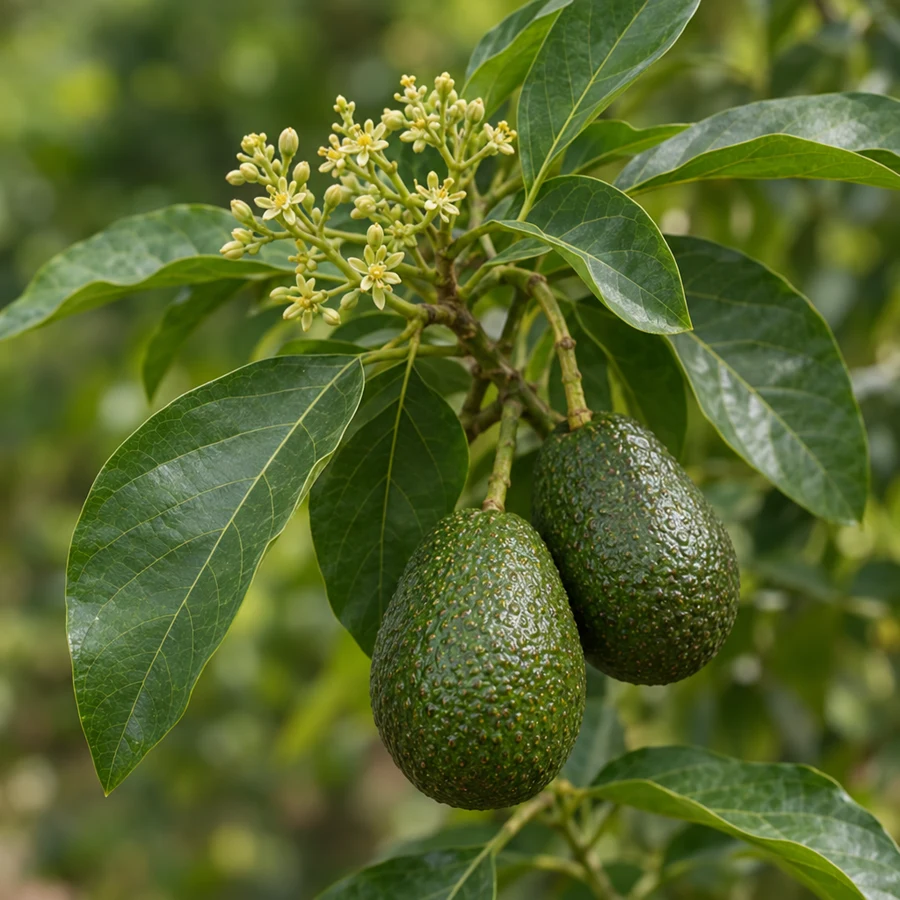
Every avocado flower is both male and female, but each flower opens twice, female on one visit and male on the next. Type A varieties open as females in the morning and as males the next afternoon. Type B varieties do the opposite. One tree alone still sets fruit, especially in warm weather when the stages overlap, and a neighbor's tree nearby helps. If there are no other avocados in your area, plant one A and one B for a better crop.
Picking the Spot
Choose the warmest, sunniest part of the yard, sheltered from wind and away from low spots where cold air settles on frosty nights. A south-facing slope or a spot near a south wall is ideal in cooler areas. Drainage matters more than anything else. Avocados do not tolerate standing water, and wet soil invites root rot, the disease that kills more avocado trees than any other. Avoid spots with a hardpan or rock layer within about 3 feet of the surface.
Planting
Dig a hole about twice as wide as the root ball and no deeper. Set the tree so the top of the root ball sits about 1 inch above the surrounding soil, fill with the soil you dug out, and water well. Handle the root ball gently, because avocado roots are easily damaged. If your soil drains slowly, plant on a wide mound of native soil 2 to 4 feet high. Build a small watering ring about a foot out from the trunk so water soaks the roots without wetting the trunk.
Growing in a Pot
A grafted dwarf variety can live for years in a pot of 15 to 25 gallons, starting in something smaller and moving up as roots fill it. Use a coarse, free-draining potting mix and a pot with big drainage holes, and never let it sit in a saucer of water. In cold climates, give it the brightest spot indoors through winter, keep it above about 55°F, and expect some leaf drop. Pot-grown trees can fruit, but crops are small. Seedlings grown from a pit on a windowsill make handsome houseplants but rarely flower indoors.
Water
Water young trees deeply about twice a week for the first few years, less in cool weather. Grown trees need roughly 2 inches of water a week in summer heat, about every 7 to 10 days in hot climates. The goal is soil that's moist but never soggy. Underwatered trees give small fruit that sunburns, and overwatered trees get root rot. Lawn sprinklers on a timer are a common cause of decline.
Mulch
Avocados have shallow feeder roots that love a thick mulch. Spread 2 to 6 inches of coarse wood chips or bark under the canopy and leave the fallen leaves where they land. Keep mulch 8 to 12 inches back from the trunk.
Feeding
In the ground, the main need is nitrogen. Feed young trees lightly a few times a year and increase the amount as the tree grows. UC guidance works up from about a quarter pound of actual nitrogen in year two to about a pound a year from year five on. In alkaline soils, avocados often run short of zinc and iron, which shows as yellow leaves with green veins; a chelated micronutrient spray on new spring growth fixes it. Pot-grown trees need regular, light feeding from spring through summer.
Keeping it happy
Young trees need little pruning beyond early shaping. From the second year, pinch the tips of upright shoots to encourage side branches and a lower, wider tree. To keep a tree in bounds, prune lightly just before bloom or right after fruit sets, and remove a few upper limbs each year rather than making big cuts. Many home growers keep trees at 10 to 15 feet so they can reach the fruit. Never prune off the lower branches; they shade the trunk and carry fruit. Rub off any shoots coming from below the graft.
Avocado bark sunburns easily. Paint exposed trunks and freshly bared branches with white latex paint mixed half and half with water.
Frost is the big risk. Guatemalan types are hurt at about 27 to 30°F, Mexican types at about 24 to 26°F, and young trees and flowers are hurt sooner. On frost nights, cover young trees down to the ground with frost cloth, and old-fashioned incandescent string lights under the cover add a little heat. Protect young trees for their first few winters even if the variety is rated hardy.
Trouble in the bed
- Root rot (Phytophthora): The most serious avocado problem worldwide. Leaves turn pale and small, branches die back, and the fine roots blacken. It comes from wet, poorly drained soil and too much water. Plant high, water carefully, and keep mulch thick but off the trunk. There's no easy cure once a tree is badly hit.
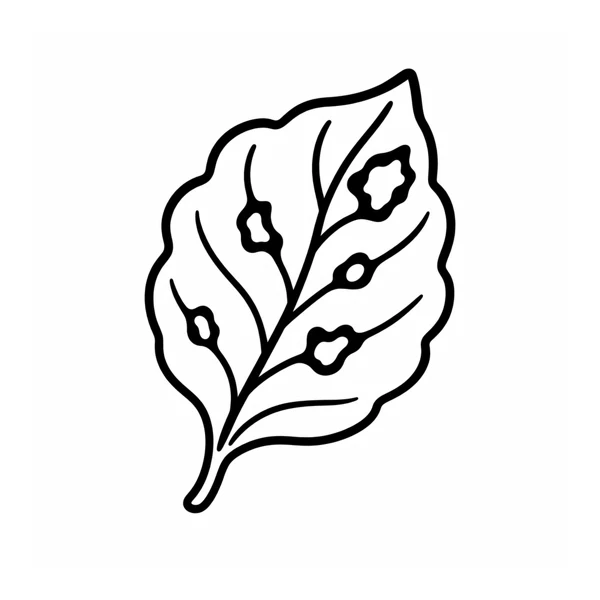
- Anthracnose: Brown to black sunken spots on fruit as it ripens, worst in humid areas like Florida. Pick fruit at maturity, prune for airflow and clear away fallen fruit.
- Avocado scab: Corky, raised spots on fruit and leaves in Florida. Choose scab-resistant varieties like Choquette or Monroe.
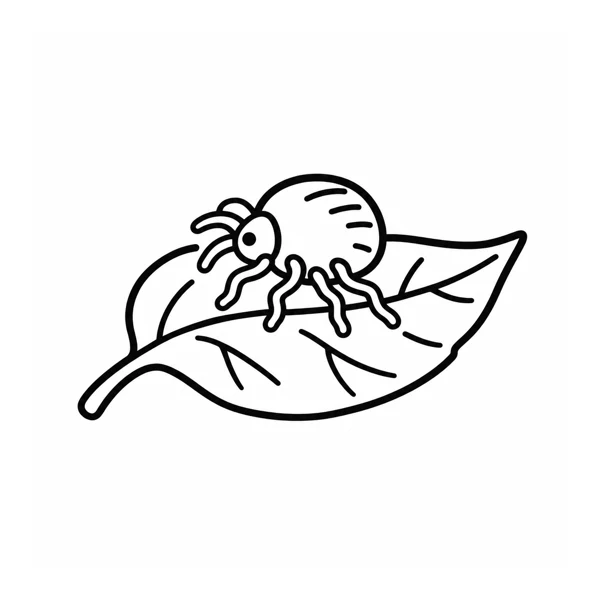
- Mites: Persea mites in California and avocado red mites in Florida feed on leaves, leaving bronzed or spotted foliage. Healthy, well-watered trees usually cope, and natural predators keep them down when you avoid broad-spectrum sprays.
- Thrips: Avocado thrips in California and red-banded thrips in Florida scar young fruit and leaves. The scarring is mostly cosmetic.
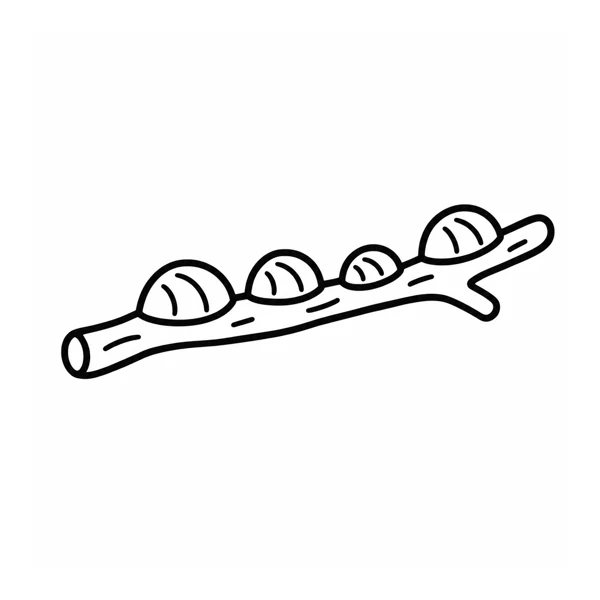
- Scale insects: Small bumps on stems and leaves, often with sooty mold. Light infestations can be pruned out or wiped off.
- Laurel wilt: In Florida and the Southeast, a fungus spread by the tiny redbay ambrosia beetle can kill a tree in weeks. Report sudden wilting to your county extension office, and don't move firewood.
- Sunblotch: Yellow streaks on twigs and fruit caused by a viroid. There's no cure, so buy certified trees from a good nursery.
Toxicity note for animals: The leaves, bark, skin and pit contain persin, which is dangerous to pet birds such as parrots and canaries, and to horses, goats and other livestock. Keep these animals away from the tree and fallen leaves. Dogs and cats are less sensitive, though avocado can upset their stomachs, and a swallowed pit can cause a blockage. Keep pits out of reach.
Good neighbors


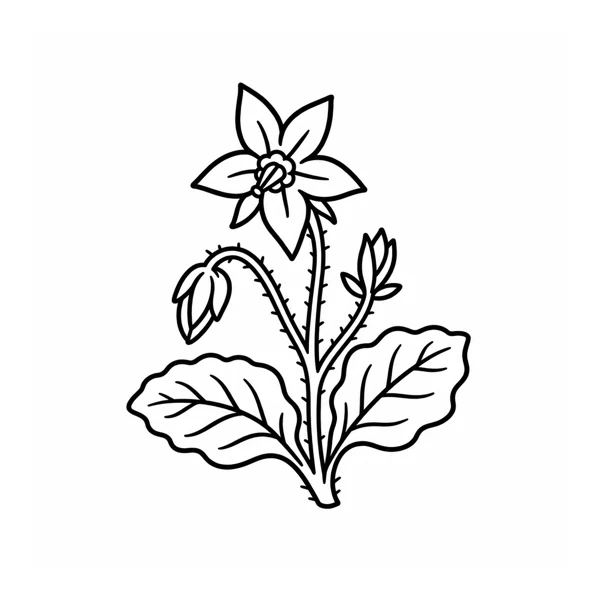
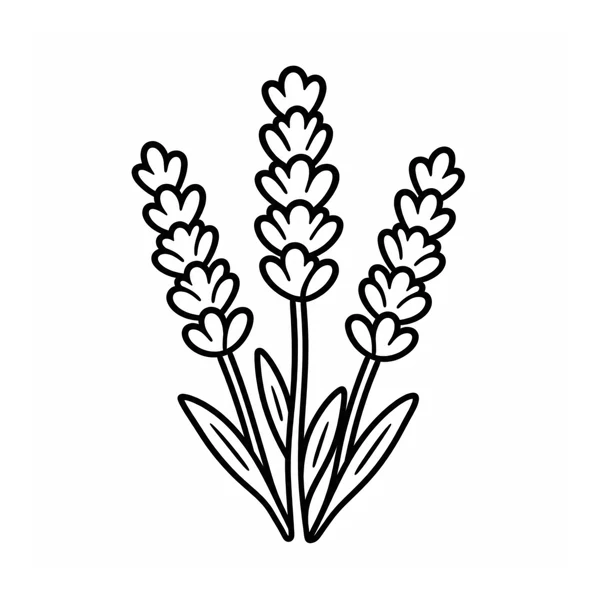
Good: Low, shallow flowers and herbs around the outer edge of the canopy that bring in bees and helpful insects without needing digging under the tree, like nasturtiums, marigolds, borage and lavender. Bees and flies do much of the pollinating, so flowers nearby at bloom time help.
Avoid: Lawn grass, regularly watered beds and vegetable gardens under the canopy. Avocado roots live in the top few inches of soil, so digging damages them, and frequent sprinkling for nearby plants keeps the soil too wet. Also avoid planting where tomatoes, eggplant or peppers grew recently, since they can leave verticillium wilt in the soil, and avocados are prone to it.
Seeds that grow well in your area in November
Affiliate links — shopping through these helps keep Evening Vines free. Organic Cat Grass
 Arugula Microgreens
 Organic Alfalfa
 Organic Wheatgrass
Varieties worth growing
Cold-tolerant avocados (zone 9 with protection, cooler parts of Australia):
- Mexicola (A): One of the hardiest, staying healthy into the low 20s°F. Small, thin-skinned black fruit with a rich, nutty flavor and leaves that smell of anise when crushed.
- Mexicola Grande (A): A larger-fruited Mexicola, just as tough.
- Bacon (B): A tall, reliable tree that takes about 24 to 26°F. Green, mild fruit from late fall into winter. A good partner for Hass.
- Zutano (B): Upright and cold tolerant, with light green, mild fruit. Often planted as a pollinator for Hass.
- Stewart (A): A Mexican-type tree with small dark fruit in fall.
- Fuerte (B): The old California classic, a green, pear-shaped fruit with buttery flesh in winter and spring, and hardier than Hass.
Coastal California and mild Mediterranean climates (zones 10 to 11):
- Hass (A): The familiar pebbly-skinned avocado that turns nearly black when ripe. Rich and creamy, but best where it rarely drops below freezing.
- Lamb Hass (A): An upright Hass relative that ripens later, stretching the season into summer.
- Reed (A): Big, round, green fruit with excellent flavor in summer. An upright tree that takes up little side room.
- Pinkerton (A): Long, green-to-dark fruit with a small seed, hardy to about 30°F.
- Gwen (A): A Hass-like fruit on a smaller tree, good for small yards.
Hot, humid climates (Florida, Gulf Coast, Queensland):
- Choquette (A): Huge, smooth green fruit in winter, scab resistant and moderately cold tolerant.
- Monroe (B): Large, late fruit from December to February on a productive tree.
- Brogdon (B): A cold-hardy Florida hybrid with small purple fruit in late summer, one of the best for north and central Florida.
- Simmonds (A): An early-summer West Indian type for frost-free south Florida.
- Shepard (B): A green-skinned variety grown widely in Queensland, ripening in late summer and early autumn ahead of Hass. Suited to warm and tropical areas.
For pots and small spaces (and growing under cover in the UK, Ireland and Canada):
- Wurtz, also sold as Little Cado (A): A naturally dwarf tree, often listed at about 8 to 12 feet in the ground and smaller in a pot, with medium green fruit.
- Holiday (A): A dwarf, spreading, weeping tree with large fruit, easy to keep small.
Picking notes
Avocados don't ripen on the tree, which is the nicest thing about growing them. Fruit takes anywhere from about 5 to 8 months (West Indian types) to a year or more (Guatemalan types and Hass) to mature after bloom, and once mature it can hang on the tree for weeks or months, so you pick only what you need. To check if a tree is ready, pick one of the largest fruits and leave it on the kitchen counter. Mature fruit softens in about a week or so. If it shrivels or turns rubbery instead, wait a couple of weeks and try again. Clip fruit with a short piece of stem attached. Ripen at room temperature, between about 60 and 75°F, then move to the fridge once soft.
Saving seed for next year
Not practical for fruit. Pits don't come true to the parent tree, and seedlings can take ten years or more to flower, if they ever do. Growing a pit in a glass of water or a pot of moist mix is still a fun project and gives you a leafy houseplant, or a rootstock if you want to try grafting.
From garden to table
Avocados are rich in healthy, mostly monounsaturated fats. USDA figures for raw avocado are about 160 calories, 15 grams of fat, 7 grams of fiber and 485 mg of potassium per 100 grams, along with folate and vitamins K and E. Eat them sliced on toast, mashed into guacamole, cubed in salads or blended into smoothies. Cooking spoils their flavor, so add avocado at the end. A squeeze of lemon or lime juice slows browning on cut fruit.
Questions from the potting bench
Can I grow an avocado tree from a pit? Yes, as a houseplant, but don't count on fruit. Pit-grown trees don't match the parent and may take ten years or more to flower. For fruit, buy a grafted tree.
Do I need two avocado trees? Not always. One tree can set fruit on its own, especially if neighbors have avocados. If yours is the only one around, planting one A type and one B type usually gives a much bigger crop.
Can I grow an avocado outside in zone 9? In the warmer parts of zone 9, yes, with a cold-tolerant Mexican type like Mexicola, Bacon or Zutano, planted in a sheltered spot and covered on frost nights for the first few years.
Can I grow avocados in the UK, Ireland or Canada? Outdoors, it's very hard. Grow a grafted dwarf variety like Wurtz in a large pot, keep it in a bright, warm room or conservatory through winter, and move it outside for summer once nights stay mild.
Why are my avocado's leaves turning brown at the tips? Usually salty water or soil, or uneven watering. Water deeply so salts wash below the roots, and keep the soil evenly moist but never waterlogged.
Grower reports
How did Avocado do in your garden? Members rate it and say which zone and month they planted, so everyone can see what works near them.
Recent community discussions
No one has talked about Avocado yet. Be the first.
Essentials for Growing Avocado
 Grow Bags
Breathable fabric pots: grow almost anything on a patio, balcony or driveway, and roots never circle.
See it →
 Organic Fertilizer
Slow-release organic plant food for vegetable beds and containers.
See it →
 Pruning Shears
Sharp bypass pruners for harvesting, deadheading and tidying.
See it →
 Insect Netting
Fine mesh that keeps cabbage worms, flea beetles and birds off your crops, no sprays needed.
See it →
 Soaker Hose
Waters the roots slowly, not the leaves: less disease, less water, less work.
See it →
 Garden Hand Tools
Trowel, transplanter and cultivator: the three tools you reach for most.
See it →
