
Begonia
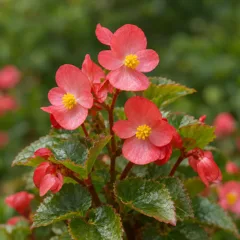
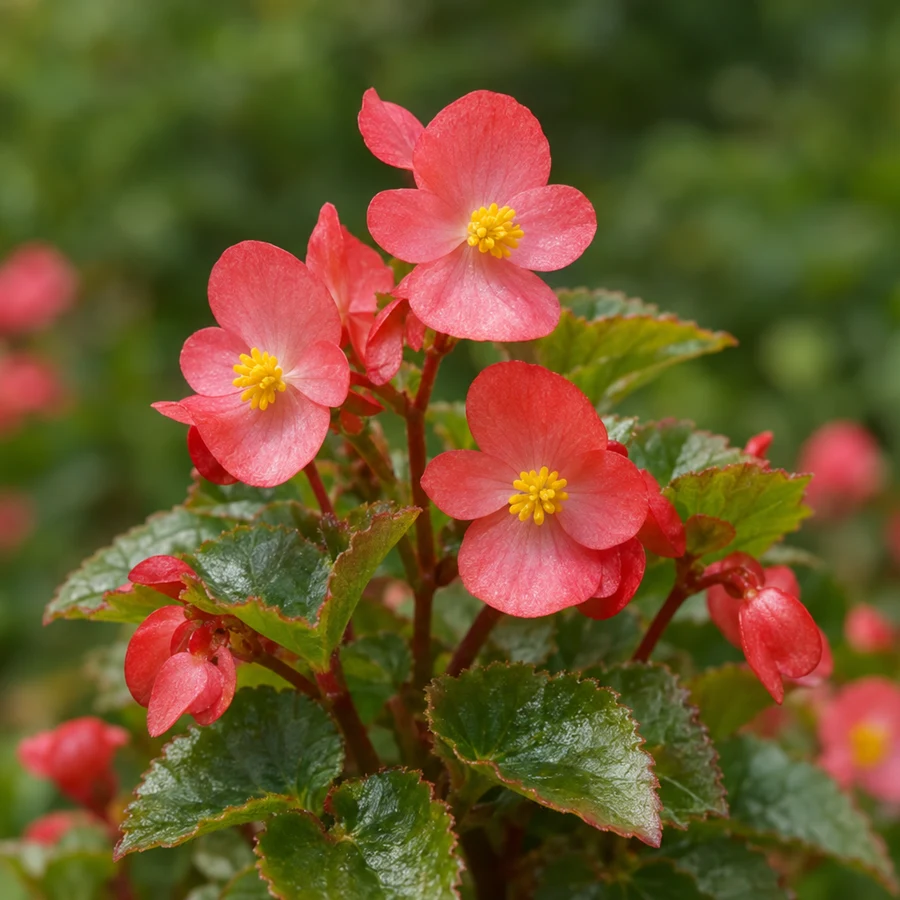
Begonias are the flowers for the spots where tomatoes sulk. A shady front step, a north-facing window box, the bed under a maple. Wax begonias are tidy little mounds that flower nonstop from planting to frost with almost no fuss. Tuberous begonias are the showpieces, with blooms like roses or camellias in hanging baskets. Dragon Wing types sit in between, big, arching and tough. Give them rich soil that drains well, steady moisture and a break from hot afternoon sun, and they'll flower all summer.
Recent community discussions
No one has talked about Begonia yet. Be the first.
At a glance
| Plant type | Flower (bedding plant or tuber) |
| Botanical name | Begonia spp. (wax begonia Begonia x semperflorens-cultorum; tuberous begonia Begonia x tuberhybrida) |
| Annual or perennial | Tender perennial, grown as an annual in most zones |
| Sun | Part shade or bright shade; bronze-leaved wax begonias take more sun |
| Water | Keep evenly moist but never soggy; let pots dry slightly between waterings |
| Spacing | Wax begonias 6 to 8 inches; larger hybrids and tuberous types about 12 inches |
| Planting depth | Seed on the surface, uncovered; tubers hollow side up, just covered |
| Days to germinate | 14 to 21 days at 70 to 75°F (seed needs light) |
| Days to maturity | Seed needs 12 weeks (wax) to 16 weeks (tuberous) indoors before plants go out; tubers started in February bloom around June |
| Best USDA zones | All zones as a summer annual; wax begonias perennial in 10 to 11; hardy begonia (Begonia grandis) returns each year in zones 6 to 9, with winter mulch in 6 and 7 |
| Soil pH | 5.5 to 6.5 |
Is it begonia weather where you are? See everything to plant this month or read your zone notes.

Diseases

A little history
Begonia is a huge genus, with well over 1,800 species from the tropics and subtropics of Central and South America, Africa and Asia. The French botanist Charles Plumier named it in the late 1600s after Michel Bégon, a French official who backed his plant-hunting trip to the Caribbean. The big-flowered tuberous begonias came later, bred in Britain and Europe in the second half of the 1800s from wild species collected in the Andes of Bolivia and Peru. That's why they still love cool, damp summers.
When to sow in your zone
Seed (late winter): Begonia seed is as fine as dust and very slow. Start it indoors 12 to 16 weeks before your last frost. Most home gardeners buy wax begonias as bedding plants instead.
Tubers (late winter to early spring): Start tubers indoors 8 to 12 weeks before your last frost. Tubers started in February usually bloom in June, and ones started in March or early April bloom in July. In zones 8 and 9, start them in January or February, as soon as tubers are in the shops.
Planting out (spring): Set plants out after the last frost, once nights stay above about 50°F. That's usually 2 to 4 weeks after your last frost date. Begonias stall in cold soil, so there's no gain in rushing.
Mild winters (zones 10 to 11): Plant wax begonias in October or November for winter and spring color, or set plants out in February and March. They often struggle in the muggiest part of summer.
This month (November): In most zones, frost has finished the summer begonias. Tubers should already be dug, dried and stored (see Care and Maintenance), so check the box and throw out any soft ones. Wax begonias can come indoors as houseplants for winter if you cut them back and check them for pests first. In zones 10 to 11, this is a good time to plant wax begonias for winter color.
Growing it, step by step
From seed
Sprinkle seed (pelleted seed is easier to handle) on top of moist, sterile seed-starting mix. Don't cover it, as it needs light to sprout. Keep it at 70 to 75°F under a clear cover or plastic wrap and mist rather than pour. Seedlings are tiny and grow slowly for the first month. Move them to small pots once they have a couple of true leaves.
Starting Tubers
Fill a shallow tray with moist peat-free mix or vermiculite. Press the tubers in hollow side up, with the rounded side down, and just cover them. Keep them at about 70°F in bright, indirect light. Don't let water sit in the hollow, as tubers rot easily. When shoots are a couple of inches tall, pot them up into their summer containers.
Moving it outside
Harden off plants for a week before planting out. Set them at the same depth they grew in their pots. Pick a spot with morning sun and afternoon shade, sheltered from strong wind, which snaps the brittle stems of tuberous types. Wax begonias look best planted in groups 6 to 8 inches apart.
Water
Keep the soil evenly moist. Begonias hate both drying out and sitting wet. Water at the base, early in the day, so the leaves dry fast. In pots, let the top inch dry before watering again.
Mulch
A thin layer of fine compost or shredded bark keeps beds cool and moist. Keep it away from the stems.
Feeding
Begonias are light feeders. Mix a slow-release fertilizer into the soil at planting, or feed with a dilute balanced liquid fertilizer every 2 to 3 weeks. Tuberous begonias in baskets like regular, gentle feeding.
Keeping it happy
Wax begonias and Dragon Wings need almost nothing. They drop their old flowers on their own. Tuberous begonias do better if you pinch off extra shoots early. Leave two or three stems on small tubers and up to six on large ones. Pick off faded flowers and any dropped petals so they don't start gray mold. Tall tuberous types may need a small stake.
To store tubers, cut back on water in late summer. Dig them when the leaves turn yellow in fall, before a hard frost. Leave about 5 inches of stem, let them dry indoors out of the sun, then knock off the soil and old stem without washing. Store them in dry peat, vermiculite or sawdust in a cool, dark, frost-free place at about 45 to 55°F. Check them every month and throw out any that are soft or moldy.
Trouble in the bed
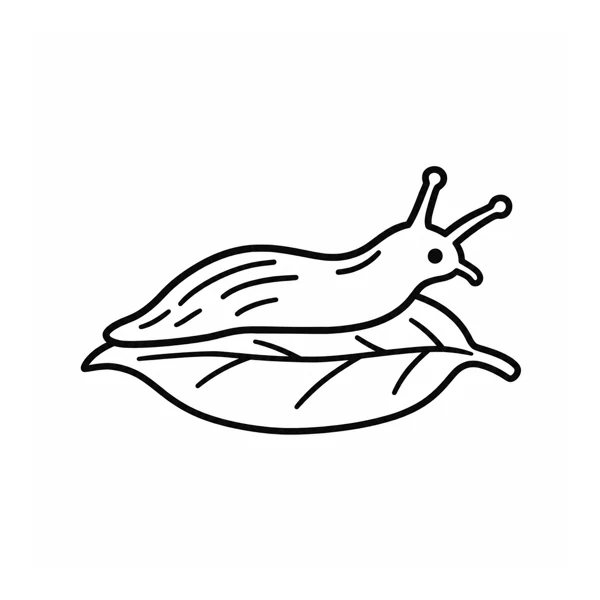
- Slugs and snails: Chew leaves and soft stems, especially in damp shade. Check at dusk.
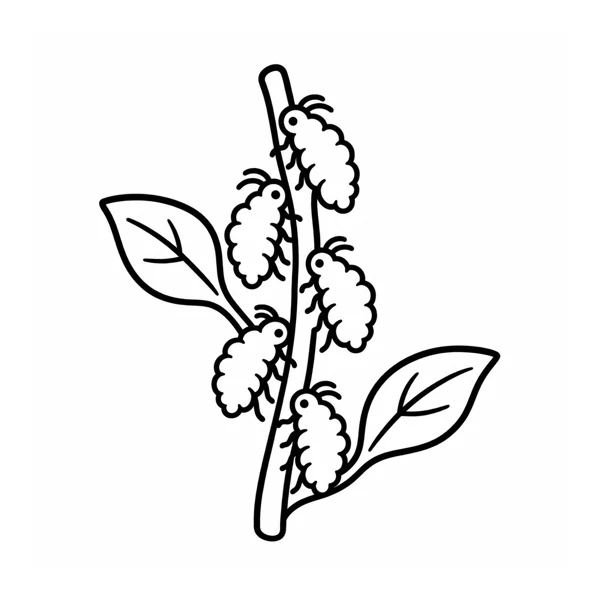
- Mealybugs and thrips: Common on plants kept indoors or in greenhouses. Thrips can also spread viruses that cause rings and blotches on leaves. Throw out infected plants. Some begonias are damaged by insecticidal soap, so test a few leaves first.
- Vine weevil: A big problem for potted begonias in the UK, Ireland and parts of North America. The white grubs eat the roots and tuber, and the plant collapses suddenly.
- Gray mold (botrytis): Fuzzy gray rot on flowers, leaves and stems in cool, damp, crowded conditions. Remove dead flowers and give plants air.
- Powdery mildew: White dust on leaves, worst on tuberous and Rieger types. Space plants for airflow.
- Stem and root rot: From soggy soil or cold, wet tubers. Use well-drained mix and water less in cool weather.
Good neighbors
Good: Lobelia, alyssum, violas and petunias in sunnier edges of the same bed. Ferns, hostas and coleus share the shade and set off begonia flowers well.
Avoid: Thirsty, sun-loving plants that need hot afternoon sun, and crowding that blocks airflow.
Seeds that grow well in your area in November
Affiliate links — shopping through these helps keep Evening Vines free. Foxglove Mix
 Rocket Larkspur
 Wild Lupine
 Common Milkweed
Varieties worth growing
- Cocktail series (wax): Bronze leaves with red, pink or white flowers. Takes more sun than green-leaved types. Good in hot summers.
- Ambassador and Prelude series (wax): Green-leaved, compact and reliable. Best with afternoon shade.
- Dragon Wing: Big hybrid with glossy wing-shaped leaves and red or pink flowers. Handles heat and humidity well.
- BabyWing and BIG: Compact and extra-large hybrid series. BIG can reach about 3 feet.
- Nonstop (tuberous): Double flowers on compact plants. One of the more heat-tolerant tuberous types.
- Illumination (tuberous): Trailing tuberous begonia for hanging baskets, with masses of double flowers.
- Santa Cruz (Begonia boliviensis): Trailing, with dangling orange-red flowers. Takes sun better than most.
- Hardy begonia (Begonia grandis): Pink flowers in late summer. A true perennial that dies back each winter and returns. Mulch it well in zones 6 and 7.
- Rex begonias such as Fireworks: Grown for their patterned silver, purple and green leaves, mostly as houseplants.
Picking notes
Begonias are grown for show, not for picking. Single flowers float nicely in a shallow bowl. Tuberous begonias often carry a big male flower between two smaller female flowers. Pinch off the small ones if you want the big bloom to look its best.
Saving seed for next year
Most begonias sold today are hybrids, and many, like Dragon Wing, set no seed at all. Seed is also dust-fine and slow to raise. Instead, take stem cuttings in late summer, root them in water or moist mix, and keep them on a bright windowsill over winter. Tubers can be stored and replanted for years. Hardy begonias make little bulbils where the leaves join the stem as the days shorten in fall. These drop and sprout into new plants the next spring.
From garden to table
Grown for beds, borders, window boxes, hanging baskets and as houseplants. Begonias are not a food plant. The ASPCA lists begonias as toxic to dogs, cats and horses. They contain soluble calcium oxalates, most of all in the tubers and roots, and chewing can cause drooling and vomiting. The sap can also irritate skin. Keep pets away from plants and stored tubers.
Questions from the potting bench
Will begonias grow in full sun? Bronze-leaved wax begonias and Dragon Wings handle a good deal of sun, especially in cooler climates. Green-leaved wax begonias and tuberous types scorch in hot afternoon sun. In the South and in hot inland areas, give them shade after midday.
Can I keep my begonias over winter? Yes. Dig and store tubers after frost. Wax begonias and Dragon Wings can be cut back and brought indoors as houseplants, or you can root cuttings and grow those on a sunny windowsill.
Why are my tuberous begonias dropping their buds? Usually stress: hot weather, drying out, overwatering or a sudden move. Keep the soil evenly moist and the plant out of hot afternoon sun.
Which way up does a begonia tuber go? Hollow side up, rounded side down. If you can't tell, look for small pink buds. They form on the hollow side. Plant them facing up.
Where do tuberous begonias grow best? In places with cool, mild summers, such as the UK, Ireland, the Pacific Northwest and coastal Canada. In very hot, humid areas they struggle, and wax begonias or Dragon Wings are the better choice.
Grower reports
How did Begonia do in your garden? Members rate it and say which zone and month they planted, so everyone can see what works near them.
Recent community discussions
No one has talked about Begonia yet. Be the first.
Essentials for Growing Begonia
 Grow Bags
Breathable fabric pots: grow almost anything on a patio, balcony or driveway, and roots never circle.
See it →
 Pruning Shears
Sharp bypass pruners for harvesting, deadheading and tidying.
See it →
 Seed Starting Tray
Reusable tray with a clear dome to give seeds a warm, humid start indoors.
See it →
 Garden Kneeler
A kneeling pad that flips into a seat: easier on knees and back.
See it →
 Plant Labels
Waterproof markers so you know what's coming up where.
See it →
 Organic Fertilizer
Slow-release organic plant food for vegetable beds and containers.
See it →
