
Cherry
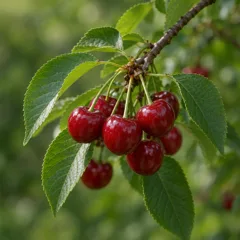
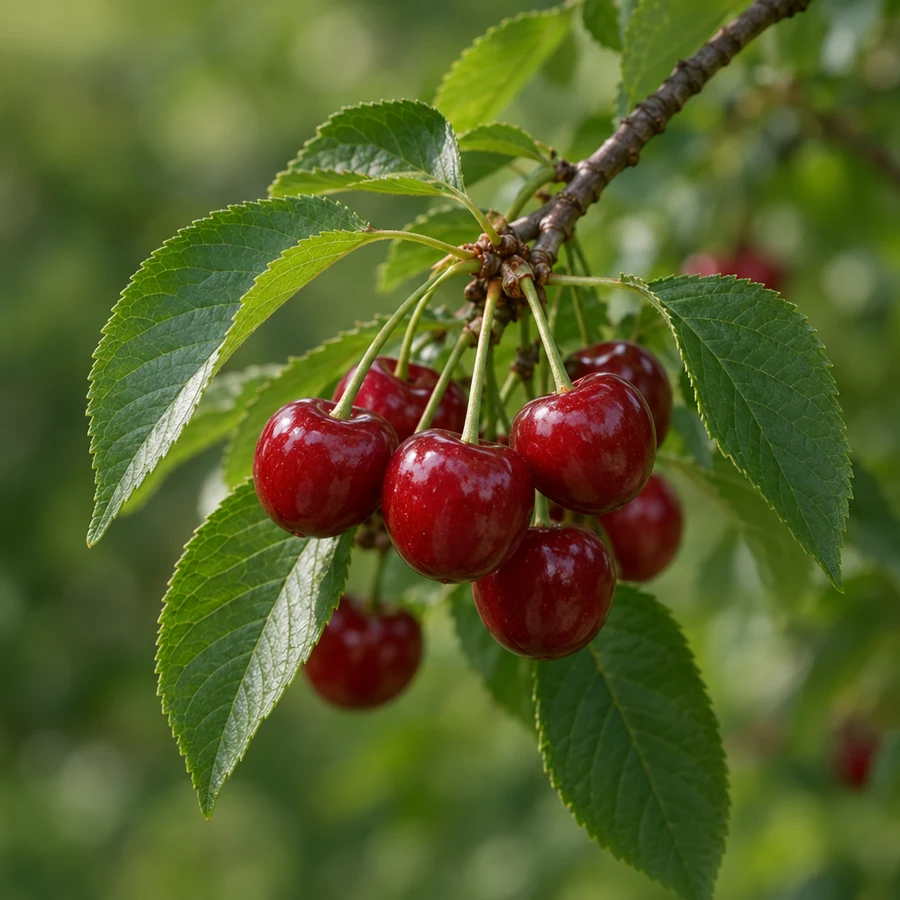
There are two kinds of cherry for the garden. Sweet cherries are the big dark or blushed fruit you eat by the handful. Tart cherries, also called sour or pie cherries, are smaller and sharper, and they shine in pies, jam and juice. Tart cherries are the easier tree for most home gardeners. They're hardier, smaller, self-fertile, and they flower a little later, so spring frosts catch them less often. Sweet cherries need more care and usually a partner tree, but nothing in a store tastes like one picked warm off a branch.
Recent community discussions
No one has talked about Cherry yet. Be the first.
At a glance
| Plant type | Fruit tree |
| Botanical name | Prunus avium (sweet cherry), Prunus cerasus (sour or tart cherry) |
| Annual or perennial | Deciduous perennial |
| Sun | Full sun, 8 hours or more (tart cherries manage with a little less) |
| Water | About 1 inch per week, more in pots and in dry spells |
| Spacing | Standard sweet trees 20 to 25 feet; dwarf trees 10 to 14 feet; tart trees 10 to 15 feet; bush cherries 6 to 8 feet |
| Planting depth | Same depth as in the nursery, with the graft union 2 inches or more above the soil |
| Days to germinate | Not grown from seed; start from a grafted nursery tree |
| Days to maturity | 3 to 5 years to first fruit for tart cherries, 4 to 7 for sweet (dwarf trees about a year sooner) |
| Best USDA zones | Tart 4 to 7, sweet 5 to 8 (bush cherries to zone 2; low-chill sweet cherries to zone 9) |
| Soil pH | 6.0 to 7.0 |
Is it cherry weather where you are? See everything to plant this month or read your zone notes.
Pests to watch for

Diseases


A little history
The sweet cherry grows wild across Europe and western Asia, including Britain and Ireland, where the wild tree is called the gean. The Greek writer Theophrastus described cherries around 300 BC, and the Roman general Lucullus is said to have brought a prized cherry to Rome from the Black Sea coast of Anatolia in the first century BC. The sour cherry is thought to be an ancient cross between the sweet cherry and a small wild bush cherry. Settlers carried both kinds to North America. The Bing cherry was raised in Oregon in the 1870s and named for Ah Bing, the Chinese orchard foreman who looked after it. In 1968, breeders at the Summerland research station in British Columbia named Stella, the first self-fertile sweet cherry, which changed backyard growing because one tree could finally crop alone.
When to sow in your zone
Cherries go in as young grafted trees, and the timing follows the seasons.
Late winter to early spring (all zones): Plant bare-root trees while they're still dormant, from about a month before your last frost up to the last frost date, once the ground has thawed and can be dug. Potted trees can go in at the same time or a little later, before the weather turns hot.
Late fall through winter (zones 7 to 9): Where the ground doesn't freeze hard, dormant trees can also be planted from late fall through winter. The roots keep growing slowly in cool soil and the tree is ready to push out leaves in spring. This is the usual planting season in the UK and Ireland, where bare-root trees go in from November to March and potted trees from autumn to spring, and in the cherry-growing parts of Australia, where bare-root trees are sold and planted through winter, June to August. On the mild BC coast, late fall planting works too; in colder parts of Canada, plant in spring.
Chill hours matter more than frost dates. Cherries need a long, cold winter to flower well. Most sweet and tart cherries want around 700 to 1,000 hours or more below about 45°F. In mild-winter areas, choose a low-chill variety (see Varieties), or the tree may grow well but give little fruit.
Growing it, step by step
Choosing a Tree
Buy a named, grafted variety from a nursery. The rootstock sets the size of the tree. Standard sweet cherries can reach 18 to 25 feet, which is a lot of tree to net and pick. Semi-dwarfing rootstocks like Gisela 5 hold a sweet cherry to about 10 to 13 feet, small enough for a backyard or a large pot. Tart cherries are naturally smaller, often 8 to 15 feet.
Picking the Spot
Give cherries full sun and soil that drains well. They hate wet feet more than most fruit trees, and waterlogged soil rots the roots. A gentle slope is ideal, since cold air drains away from it. Avoid low frost pockets, where late frosts kill the blossoms. In cold areas, a spot that warms slowly in spring (not a hot south wall) can hold back bloom until frosts have passed.
Planting
Dig a hole wide enough to spread the roots without bending them, and only as deep as the root system. Set the tree at the depth it grew in the nursery, with the graft union, the knobby bend low on the trunk, at least 2 inches above the soil. Backfill with the soil you dug out, firm it, and water well. Stake trees on dwarfing rootstocks, as their roots are small.
Growing Against a Wall or in a Pot
In small gardens, a cherry can be trained flat against a sunny wall or fence as a fan, which keeps the fruit within reach and easy to net. Tart cherries and sweet cherries on dwarfing rootstock also grow in large pots. Start with a container of at least 15 to 20 gallons, use a free-draining mix, and water often in summer.
Water
Water deeply once a week the first two summers, about an inch at a time. Established trees need watering in dry spells, especially while the fruit is swelling. Keep it steady. A dry spell followed by a soaking, or heavy rain on ripe fruit, splits sweet cherries.
Mulch
Spread 2 to 3 inches of mulch over the root zone to hold moisture and keep weeds and grass back. Keep it a few inches from the trunk so the bark stays dry.
Feeding
Cherries need little feeding in reasonable soil. A light feeding of balanced fertilizer in early spring is plenty for most trees. Too much nitrogen gives long, soft shoots, fewer fruit buds and more disease. Young trees putting on 1 to 2 feet of new growth a year are fed well enough.
Keeping it happy
Cherries are pruned less than apples. Shape young trees in their first few years, then remove only dead, damaged, crossing and crowded branches. Timing matters because cherries are open to two serious diseases, bacterial canker and silver leaf, that enter through fresh cuts in cool, wet weather. In wet, mild climates like the UK, Ireland and the Pacific Northwest, prune in summer right after harvest. In colder and drier areas, late winter just before the buds break is common. Either way, prune on a dry day with dry weather ahead.
Net the tree before the fruit colors, or the birds will get most of it. Keep the ground under the tree clear of fallen and rotting fruit, which feeds both pests and disease.
Trouble in the bed
- Birds: The biggest thief by far. Cover the whole tree with netting and fasten it at the bottom, or grow a smaller tree you can net easily.
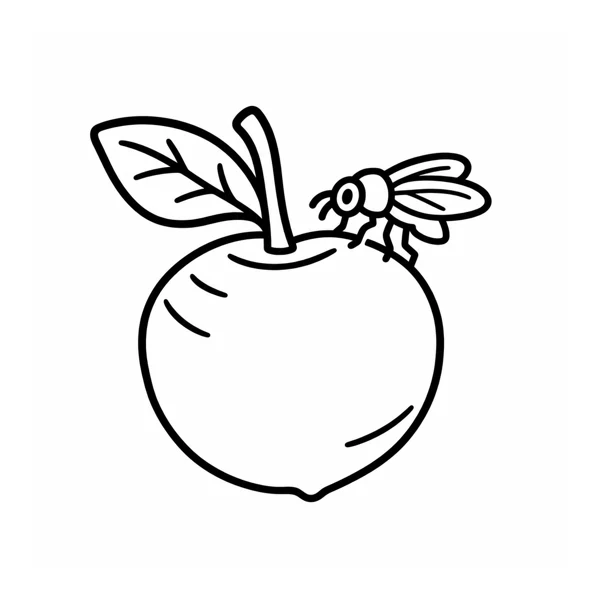
- Cherry fruit fly and spotted wing drosophila: Small flies lay eggs in the fruit, and the maggots ruin it. Spotted wing drosophila attacks as soon as the fruit starts to color. Pick promptly, clear away dropped and overripe fruit in sealed bags, and use fine mesh netting.
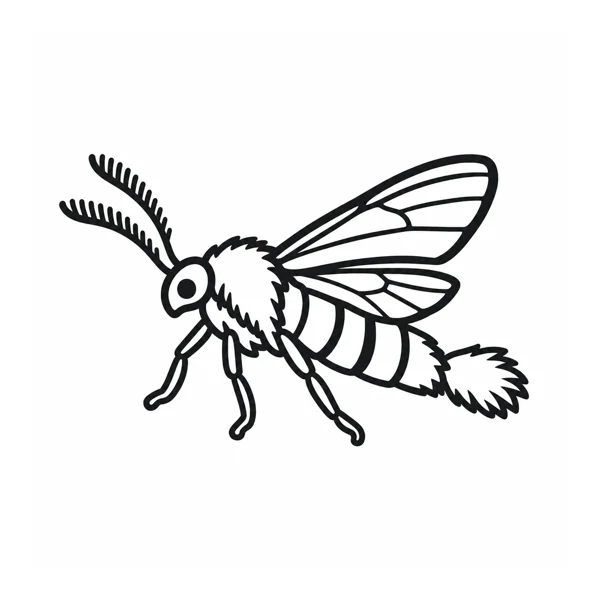
- Black cherry aphid: Curls and blackens the leaves at shoot tips in spring. Hose them off; ladybugs and other helpers usually catch up.
- Borers: Peachtree borers tunnel into the trunk near the soil line, and gummy sap with sawdust is the sign. Keep trees healthy and avoid bark wounds from mowers and trimmers.
- Brown rot: A fungus that turns blossoms and ripening fruit into brown, fuzzy mush, worst in wet weather. Remove rotted fruit and shriveled mummies from the tree and ground.
- Cherry leaf spot: Purple-brown spots, then yellow leaves that drop early, mostly on tart cherries in wet summers. Rake up and throw away fallen leaves in fall.
- Bacterial canker and silver leaf: Oozing gum, sunken bark, dying branches, or leaves with a silvery sheen. Prune in dry weather and cut out dead wood well below the damage.
- Black knot: Hard, black, lumpy swellings on twigs, more common on tart cherries. Cut out the knots in winter, several inches below each one.
- Powdery mildew: White powder on leaves and young shoots, especially on sweet cherries in dry summers with cool nights. Good airflow and sensible pruning help.
- Root rot: Trees in heavy, waterlogged soil wilt and decline. Plant on well-drained ground or a raised mound.
A safety note: cherry leaves, stems and pits contain compounds that release cyanide. The ASPCA lists cherry as toxic to dogs, cats and horses, and wilted leaves from storm-broken branches are dangerous to cattle, sheep and goats. Clear fallen branches away from pets and livestock. The fruit itself is safe, but don't crush or chew the pits.
Good neighbors




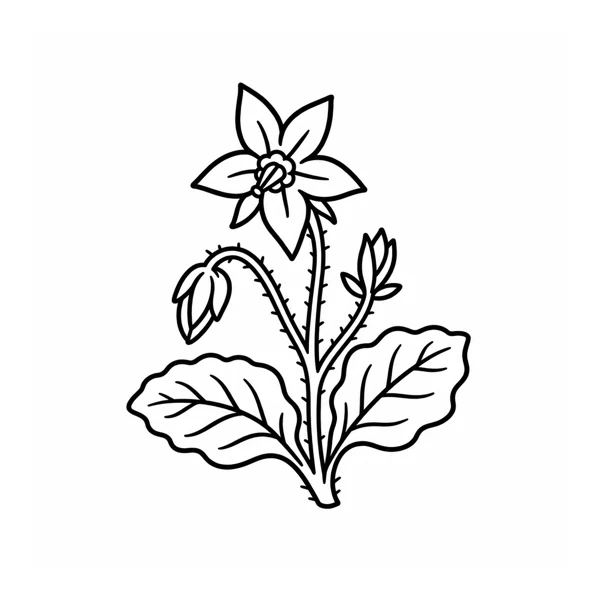
Good: Low flowers and herbs that bring in pollinators and helpful insects without competing hard for water, like chives, garlic, nasturtiums, marigolds, calendula and borage, planted near the edge of the root zone. Early bloomers help, because cherries flower early and need bees on cold spring days.
Avoid: Turf grass and thirsty vegetables right up to the trunk. Also avoid planting where tomatoes, potatoes, eggplant or peppers grew recently, because they can leave verticillium wilt in the soil, and cherries are prone to it.
Seeds that grow well in your area in November
Affiliate links — shopping through these helps keep Evening Vines free. PhloxSeeds
 Royal Mix
 Johnny Jump Up
 Organic Cat Grass
Varieties worth growing
Self-fertile sweet cherries (one tree is enough):
- Stella: Dark red, heart-shaped and sweet, the first self-fertile sweet cherry. A heavy cropper, though the fruit can split in wet weather. Also a good pollinator for other sweet cherries.
- Lapins: Large, dark mahogany fruit with some resistance to splitting. Bred in British Columbia and widely grown in home gardens from Canada to Australia.
- Sweetheart: Big, bright red, firm fruit that ripens late, stretching the season.
- BlackGold and WhiteGold: Self-fertile cherries from Cornell, bred to bloom late and handle colder spring weather than most sweet cherries.
Sweet cherries that need a partner:
- Bing: The classic dark, rich market cherry. Grows best in dry summers, as rain cracks it badly.
- Rainier: Yellow skin with a red blush and pale, very sweet flesh. A good partner for Bing.
- Kordia: Dark, firm and resistant to splitting, a reliable choice in damp summers.
Cool, wet summers (UK, Ireland, Pacific Northwest): Stella, Lapins, Sweetheart and Kordia all do well. Choose a split-resistant variety, train the tree as a fan on a sunny wall, and net it.
Low-chill sweet cherries (warm-winter areas, zones 8 to 9): Minnie Royal and Royal Lee were bred for mild-winter California and are grown together, since each pollinates the other. Their chill needs are estimated at a few hundred hours, so they suit places where standard cherries won't flower, though they still need some winter cold. They aren't suited to humid, nearly frost-free coasts. In Australia, ask local nurseries about low-chill varieties for warmer districts; standard cherries crop best in cool areas like Tasmania, the Victorian high country, the Adelaide Hills and the tablelands of New South Wales.
Tart cherries:
- Montmorency: The standard pie cherry, bright red with clear juice, and the main tart cherry grown in Michigan.
- North Star: A naturally small tree, 8 to 10 feet, with dark red flesh. Very cold-hardy.
- Meteor: Semi-dwarf, 10 to 14 feet, with bright red skin and yellow flesh. Very cold-hardy.
- Morello: An old European dark sour cherry, self-fertile, that puts up with some shade and crops well even on a north-facing wall.
Very cold winters (zones 2 to 4, prairies and northern areas): The University of Saskatchewan dwarf sour cherries, also called bush cherries, grow as shrubs about 6 to 8 feet tall and handle prairie winters. Carmine Jewel, Juliet, Romeo and Crimson Passion are the best known, and like other tart cherries they're self-fertile, so one bush will crop alone. The fruit is sweeter than most tart cherries and good fresh when fully ripe.
Picking notes
Cherries ripen in early to midsummer in most of the US, Canada, the UK and Ireland, and around Christmas in Australia. They don't ripen after picking, so wait. Sweet cherries are ready when they reach full size and color and taste sweet. Tart cherries are ready when they're fully colored, a little soft and juicy. Pick by the stem rather than squeezing the fruit, and leave the stem on if you plan to store them. Pick in dry weather when you can. Chill cherries right away; they keep about a week in the fridge.
Saving seed for next year
Not practical. Cherry pits don't grow true to the parent, and most seedlings give small, sour fruit. If you want to try for fun, the pits need about three months of cold, moist storage before they sprout. To keep a variety you love, buy another grafted tree or graft a cutting onto a rootstock.
From garden to table
Cherries bring potassium, fiber and vitamin C. USDA figures for raw sweet cherries are about 63 calories, 2 grams of fiber, 220 mg of potassium and 7 mg of vitamin C per 100 grams. Tart cherries have fewer calories and a good deal more vitamin A. Eat sweet cherries fresh, or freeze, dry or can them. Tart cherries go into pies, cobblers, jam, sauces for meat, and juice. Pit them first for cooking, and freeze extras on a tray before bagging so they stay separate.
Questions from the potting bench
Do I need two cherry trees? For tart cherries, no. They're self-fertile. Most sweet cherries need a second sweet variety that blooms at the same time. Self-fertile sweet cherries like Stella, Lapins and Sweetheart crop on their own.
Why does my cherry tree flower but not fruit? Usually a late frost killed the blossoms, the tree has no pollination partner, or cold wet weather kept the bees away during bloom. In mild areas, too few chill hours is another common cause.
Why are my cherries splitting? Rain or a sudden soaking as the fruit ripens. The skin takes up water and cracks. Choose a split-resistant variety and keep watering steady.
Can I grow cherries in a warm climate? Standard varieties need a cold winter. In zones 8 to 9 with some winter chill, try low-chill varieties like Minnie Royal and Royal Lee. In frost-free tropical areas, cherries won't fruit well.
What is the easiest cherry for a cold garden? A tart cherry like North Star or Meteor, or one of the Saskatchewan bush cherries like Carmine Jewel or Juliet, which handle winters down to zone 2 or 3.
Grower reports
How did Cherry do in your garden? Members rate it and say which zone and month they planted, so everyone can see what works near them.
Recent community discussions
No one has talked about Cherry yet. Be the first.
Essentials for Growing Cherry
 Grow Bags
Breathable fabric pots: grow almost anything on a patio, balcony or driveway, and roots never circle.
See it →
 Organic Fertilizer
Slow-release organic plant food for vegetable beds and containers.
See it →
 Pruning Shears
Sharp bypass pruners for harvesting, deadheading and tidying.
See it →
 Insect Netting
Fine mesh that keeps cabbage worms, flea beetles and birds off your crops, no sprays needed.
See it →
 Soaker Hose
Waters the roots slowly, not the leaves: less disease, less water, less work.
See it →
 Garden Hand Tools
Trowel, transplanter and cultivator: the three tools you reach for most.
See it →
