
Finger Lime
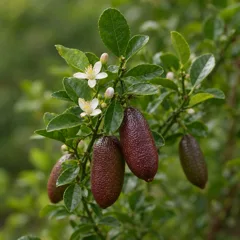
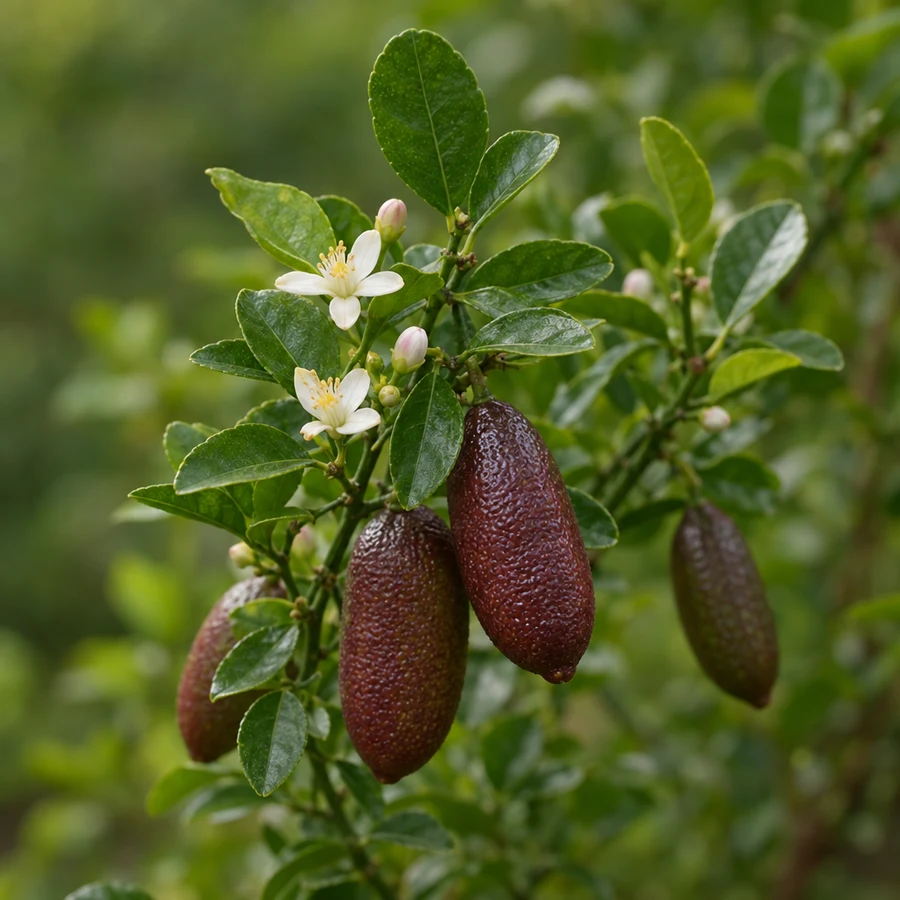
A finger lime is a wild Australian citrus with fruit shaped like a small finger, about 2 to 4 inches long. Cut one open and squeeze, and out comes a mass of tiny round beads that pop on your tongue with a sharp lime flavor. That's why chefs call it citrus caviar. The skin can be green, nearly black, red or purple, and the beads inside run from pale green to deep pink.
The plant is a dense, very thorny shrub or small tree with tiny leaves. It grows outdoors only where winters stay nearly frost free, but it takes well to a big pot, so you can grow one almost anywhere if you bring it under cover for winter. It's a good fit for patios and conservatories, and it fruits young. Like a lemon or lime, it needs warmth, sun and good drainage.
Recent community discussions
No one has talked about Finger Lime yet. Be the first.
At a glance
| Plant type | Fruit tree (thorny citrus shrub or small tree) |
| Botanical name | Citrus australasica (formerly Microcitrus australasica) |
| Annual or perennial | Evergreen perennial |
| Sun | Full sun or bright, dappled light; shelter from hot afternoon sun and wind |
| Water | Regular, even moisture; about 1 inch per week in the ground, more in pots |
| Spacing | 8 to 10 feet apart in the ground; one tree per pot |
| Planting depth | Same depth as in the nursery pot, with the graft union well above the soil |
| Days to germinate | Not grown from seed for fruit; start from a grafted nursery tree |
| Days to maturity | 1 to 3 years to first fruit for a grafted tree (seedlings can take up to 15 years) |
| Best USDA zones | 10 to 11 (9b with a sheltered spot and frost cover; anywhere in a pot brought indoors) |
| Soil pH | 5.5 to 6.5 |
Is it finger lime weather where you are? See everything to plant this month or read your zone notes.
Pests to watch for


Diseases

A little history
Finger limes grow wild in the understory of subtropical rainforest along the border of southeast Queensland and northern New South Wales. The Bundjalung people of that area knew the fruit long before Europeans arrived. The botanist Ferdinand von Mueller described the species in 1858. Early settlers ate the fruit and often left the trees standing when they cleared land. For a long time the plant was placed in its own genus, Microcitrus, but DNA work has since shown it belongs in Citrus. Selling the fruit only took off in the mid-1990s, starting with marmalade made from wild fruit, and today it's grown commercially in Australia, California, Hawaii and, more recently, Florida.
When to sow in your zone
Finger limes go in as young grafted trees, not seeds.
Spring (all zones): Plant or pot up a tree after your last frost, once the soil has warmed. That gives it the whole summer to root before cool weather. In zone 9b, spring is the only window.
Early fall (zones 10 to 11): Where winters are frost free, early fall works too, while the soil is still warm.
Colder zones (9a and below): Grow your finger lime in a pot. It can sit outside from late spring to early fall and come into a bright, cool room, sunroom or greenhouse before the first frost.
Buying the tree
Buy a grafted tree from a certified nursery near you. Citrus pests and diseases are under quarantine in several states, so check your state's citrus rules before you carry a tree, cuttings or fruit across state lines.
Growing it, step by step
Starting a New Tree
Seeds sprout, but seedlings are slow, extremely thorny and can take up to 15 years to fruit. Rooted cuttings are quicker than seedlings, but a grafted tree is the quickest way to fruit, often within a year or two of planting. Trees grafted onto trifoliate orange (Poncirus) or one of its hybrids handle cold soil and root rot better and stay more compact.
Picking the Spot
In the wild this plant grows under taller trees, but it fruits best in full sun or bright, dappled light. In very hot, dry areas a little afternoon shade helps, since the fruit can sunburn. Shelter matters. The thin branches and thorns are easily damaged by wind, and fruit rubbing against thorns gets scarred, so choose a spot out of strong wind or plant a windbreak first. Good drainage matters most. Finger limes like slightly acid, crumbly soil rich in organic matter, and they rot in soggy ground.
Planting
Dig a hole as deep as the root ball and twice as wide. Set the tree at the same depth it grew in the pot, keeping the graft union (the knobbly bump low on the trunk) well above the soil. Firm the soil, make a ring of soil around the edge as a watering basin, and soak it well. Wear thick gloves and eye protection; the thorns are long and sharp.
Growing in a Pot
Finger limes do well in pots. Start a young tree in a 5- to 7-gallon pot and move it up to 15 to 25 gallons as it grows. Use a free-draining potting mix with some grit, and a pot with good holes. Don't let it sit in a saucer of water. For winter, bring it in before the first frost to a bright, cool room or greenhouse that stays above freezing. Move it back outside gradually once frosts are over. In a greenhouse, give it full light but shade it from scorching summer sun.
Water
Keep the soil evenly moist but never waterlogged. In the ground that's usually about an inch a week in summer. Potted trees dry out much faster and may need water every day or two in hot weather. In winter, water a resting potted tree sparingly.
Mulch
Spread 2 to 3 inches of mulch over the root zone in spring to keep moisture even and roots cool. Keep it a hand's width from the trunk, since damp mulch against the bark invites rot.
Feeding
Finger limes need less feeding than other citrus, because their leaves and canopy are small. A light citrus fertilizer a few times through the growing season is plenty, following the label. Too much nitrogen cuts flowering. Potted trees need feeding more often, because watering washes nutrients out. Ease off by late summer in colder zones so new growth can firm up before winter.
Keeping it happy
Left alone, a finger lime can reach 15 to 20 feet, but most gardeners keep it under about 10 feet. Prune lightly after the main harvest. Start shaping early, before the tree begins to fruit, aiming for an open bush with four to six main branches. That makes picking among the thorns much easier and cuts down on fruit scarring. Take out dead twigs and any shoots coming from below the graft union, as those grow from the rootstock.
Finger limes are frost tender. Light damage can start around 28°F, and young trees under two years old need protection from any freeze. When a frost is forecast, water the soil the day before, then cover the tree to the ground with frost cloth or an old sheet, and take the cover off once it warms up. If cold burns the tips of new shoots, wait until spring and then prune back to healthy wood.
Trouble in the bed
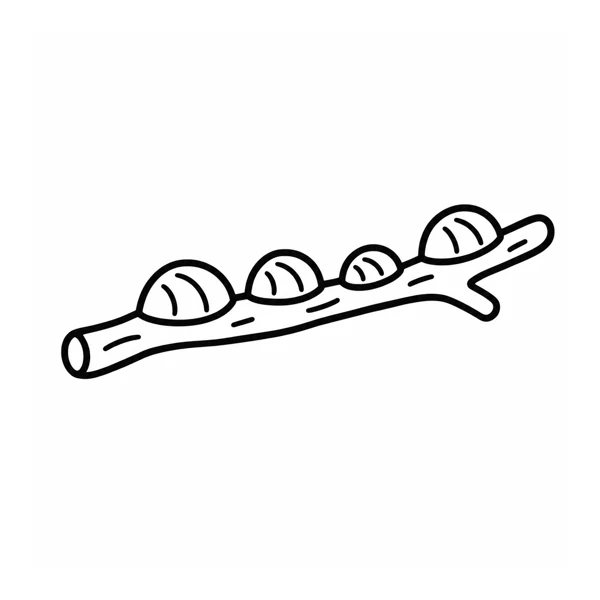
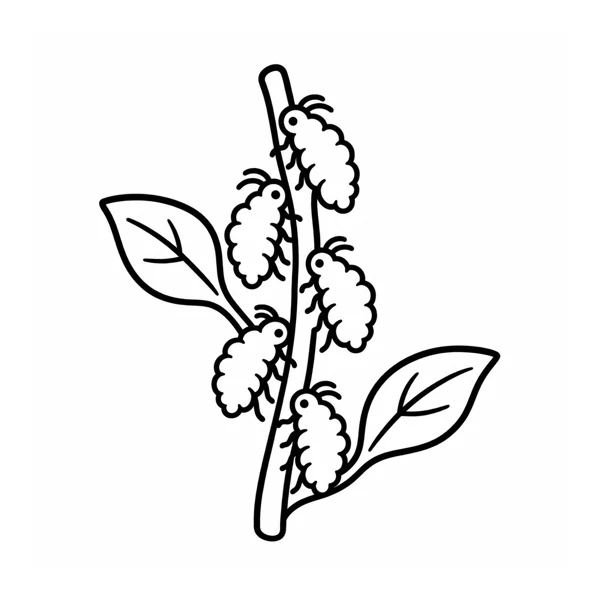
- Scale and mealybugs: Sticky leaves, black sooty mold, or small bumps and white fluff on stems. Potted trees under glass get these most. Wipe them off, or spray with horticultural oil.
- Spider mites: Speckled, dull leaves, often on trees kept indoors or in a greenhouse in dry air. Mist the leaves or rinse them off.
- Citrus leafminer: Silvery, winding trails in new leaves. It looks bad but rarely harms an established tree. Prune off the worst shoots and leave older leaves alone.
- Aphids: Clusters on soft new growth. A strong spray of water usually does it.
- Root rot: Yellowing, wilting and leaf drop on a tree in wet soil. Plant high, keep mulch off the trunk, and never let a pot stand in water. Trifoliate orange rootstock gives extra protection.
- Melanose: Small, raised black specks on young leaves and fruit skin in warm, wet weather. It marks the peel but not the beads inside. Prune out dead twigs, where the fungus lives.
Finger limes show good tolerance to citrus greening (HLB) in Florida trials, which is why growers there are planting them. The Asian citrus psyllid can still feed on them, so check new growth and report anything suspicious to your extension service.
Good neighbors



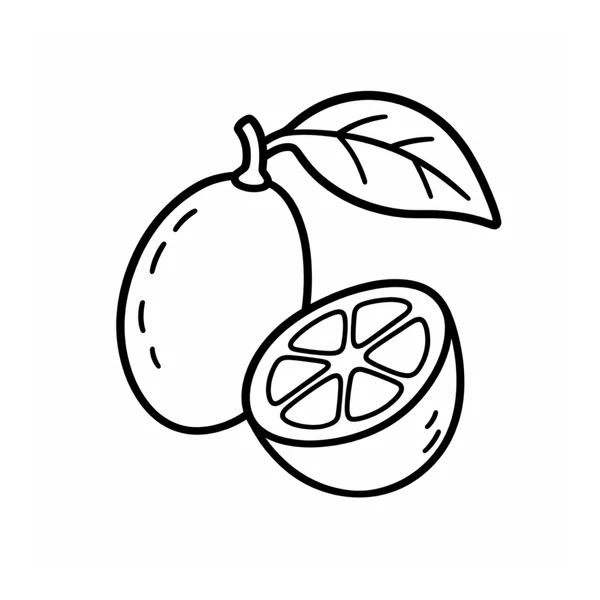
Good: Low flowers and herbs that bring in helpful insects without crowding the roots, like alyssum, calendula, nasturtiums and chives, planted at the edge of the root zone. Sweet alyssum draws in tiny wasps and hoverflies that eat aphids and scale. A kumquat or other small citrus in a nearby pot makes a nice patio group, as they need the same care.
Avoid: Lawn grass and thirsty, shallow-rooted plants right up to the trunk. Citrus roots run near the surface and don't like competition or digging. Keep a clear, mulched circle under the canopy, and keep the thorny tree away from paths where people brush past.
Seeds that grow well in your area in November
Affiliate links — shopping through these helps keep Evening Vines free. ColumbineSeeds
 Moonbeam
 Foxglove Mix
 Rocket Larkspur
Varieties worth growing
Many nurseries sell finger limes simply by color, such as green, red or pink finger lime. Named varieties are easier to find in Australia than elsewhere.
Australian-bred varieties (Australia, and some in the US):
- Alstonville: Tall shrub with dark green to near-black fruit and pale green beads.
- Durham's Emerald: Black fruit with bright emerald-green beads on an open, medium bush.
- Judy's Everbearing: Tall bush with green-brown to maroon fruit and green to pink beads, known for a long cropping season.
- Rainforest Pearl: Small, upright tree with green fruit blushed crimson and pink beads.
- Pink Ice: Medium bush with reddish fruit and clear to pink beads.
- Blunobia Pink Crystal: Compact bush with green-brown fruit and deep pink beads, a good size for pots.
US varieties:
- UF Sunlime: A University of Florida release that makes a medium bush, bred for Florida growers dealing with citrus greening.
- UF Redlime: Another Florida release with red fruit on an upright, open bush, also chosen for tolerance of citrus greening.
- Toots: A red-skinned, pink-beaded seedling selection from USDA trials in California, released to nurseries through the state's citrus clean-stock program.
Colder edges and short seasons (zone 9b, Canada, northern US):
- No finger lime is truly cold hardy. Choose a compact type like Blunobia Pink Crystal or UF Sunlime in a pot, keep it outside in the warm months, and bring it into a bright room by a south window from fall to late spring.
Cool maritime summers (UK and Ireland):
- Finger limes aren't hardy outdoors here, so grow one in a pot in a conservatory or frost-free greenhouse, and stand it outside in a warm, sheltered place from early summer to early fall. Red and pink forms sold simply as Citrus australasica do fine this way.
Hot or subtropical areas (Florida, southern California, Hawaii, coastal Queensland and New South Wales):
- Finger limes grow outdoors here. In Australia they fruit best from about Sydney north, with lighter crops farther south, and young trees need cover on frosty nights. Judy's Everbearing, Rainforest Pearl and Durham's Emerald are widely grown there. In Florida, UF Sunlime and UF Redlime are bred for the local heat and disease.
Picking notes
Fruit takes roughly five to six months to ripen after flowering. Trees often bloom more than once, so you'll find flowers and fruit together. In California the main crop comes in from late fall into early winter, and in Florida the main spring bloom ripens through summer and fall. In Australia the crop comes in from late summer into winter. Pick when the fruit has reached full color for its variety, feels full and a little soft, and comes away easily with a gentle twist. Finger limes don't ripen after picking, and overripe fruit drops. Wear thick gloves and eye protection among the thorns. Fruit keeps several weeks in the fridge, and the beads can be frozen for months without losing their pop.
Saving seed for next year
Not practical for fruit. Seedlings are very thorny, take many years to bear, and won't match the parent. Keep a variety you love by buying a grafted tree or rooting a cutting.
From garden to table
Like other citrus, finger limes are a good source of vitamin C. To use one, cut it in half crosswise or slit the skin lengthwise and squeeze out the beads, then pick out the seeds. Try to keep peel oil off the beads, as it can make them bitter. Scatter them over oysters, fish, salads, sushi or guacamole, or drop them into sparkling water and drinks, where they float and burst. They also go well in dressings, on desserts and in marmalade. Citrus peel oils can upset cats and dogs, so keep fallen fruit and clippings away from pets.
Questions from the potting bench
Do I need two finger lime trees? No. A single tree sets fruit on its own, in the ground or in a pot.
Can I grow a finger lime in zone 9? In zone 9b, sometimes, in a warm, sheltered spot with frost cloth ready for cold nights. In zone 9a and colder, a pot you can move into a bright, frost-free room is the safer way.
Why are the thorns so bad? It's the wild nature of the plant. Young seedlings are the thorniest. Pruning to an open shape keeps the fruit within easy reach, and thick gloves do the rest.
Why is my finger lime flowering but not fruiting? Young trees often drop their first flowers and fruit, and dry soil, cold snaps or too much nitrogen make it worse. Keep watering steady, go easy on nitrogen, and give a young tree another year or two.
Grower reports
How did Finger Lime do in your garden? Members rate it and say which zone and month they planted, so everyone can see what works near them.
Recent community discussions
No one has talked about Finger Lime yet. Be the first.
Essentials for Growing Finger Lime
 Grow Bags
Breathable fabric pots: grow almost anything on a patio, balcony or driveway, and roots never circle.
See it →
 Organic Fertilizer
Slow-release organic plant food for vegetable beds and containers.
See it →
 Pruning Shears
Sharp bypass pruners for harvesting, deadheading and tidying.
See it →
 Insect Netting
Fine mesh that keeps cabbage worms, flea beetles and birds off your crops, no sprays needed.
See it →
 Soaker Hose
Waters the roots slowly, not the leaves: less disease, less water, less work.
See it →
 Garden Hand Tools
Trowel, transplanter and cultivator: the three tools you reach for most.
See it →
