
Foxglove
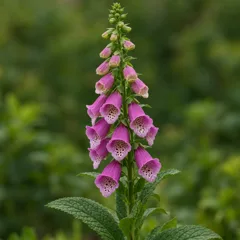
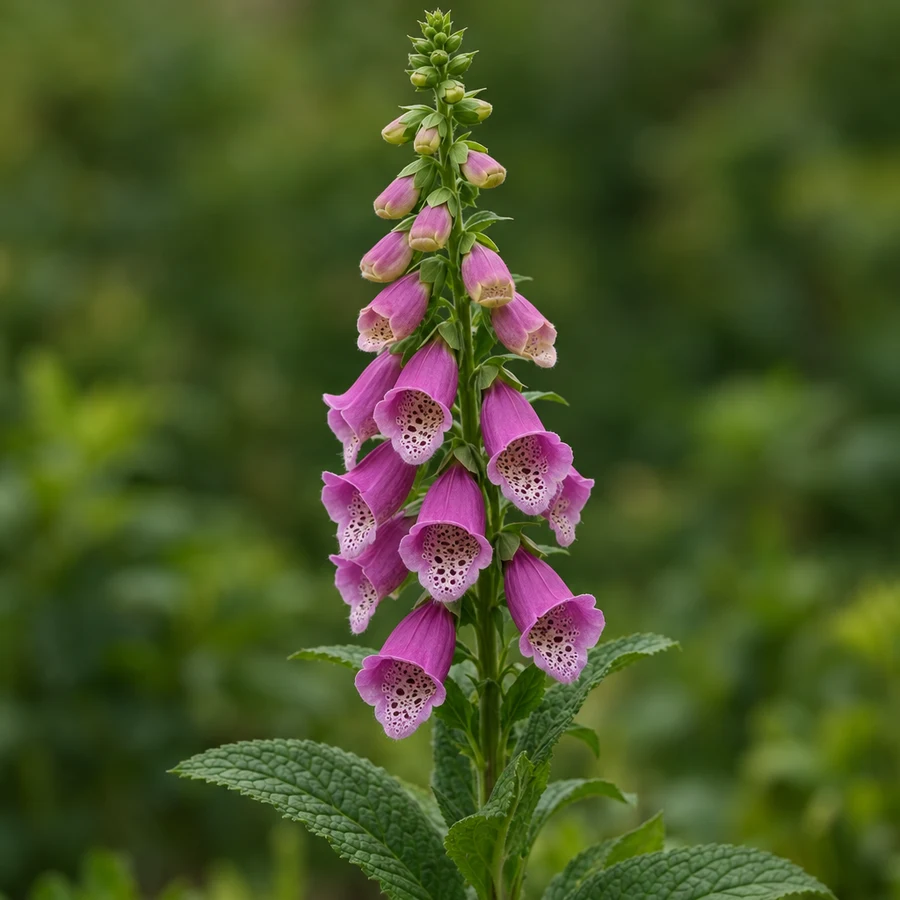
Foxgloves are the tall spires of the shady border. The first year, a plant is just a flat rosette of soft, fuzzy leaves you'd hardly notice. The next spring it sends up a stem 3 to 5 feet tall, hung with dozens of speckled bells in purple, pink, white or apricot. Bumblebees climb right inside them. After flowering most plants die, but they drop so much seed that a patch usually keeps itself going for years.
They like the edge of a woodland best: dappled light, cool roots and soil rich in leaf mold. Every part of the plant is poisonous, to people and to pets, so think about where you put them if small children or dogs use the garden.
Recent community discussions
No one has talked about Foxglove yet. Be the first.
At a glance
| Plant type | Flower |
| Botanical name | Digitalis purpurea |
| Annual or perennial | Biennial (sometimes a short-lived perennial; some varieties flower the first year) |
| Sun | Part shade, or full sun where summers are cool |
| Water | About 1 inch per week; keep the soil evenly moist but never soggy |
| Spacing | 12 to 24 inches |
| Planting depth | Press seed onto the surface and leave it uncovered (it needs light to sprout) |
| Days to germinate | 14 to 21 days at 60 to 70°F |
| Days to maturity | Flowers in late spring or early summer of the year after sowing; first-year varieties bloom about 5 months from an early indoor start |
| Best USDA zones | 4 to 9 (grown as a fall-planted annual in the hot, humid parts of zones 8 and 9) |
| Soil pH | Slightly acidic, about 5.5 to 6.5 |
Is it foxglove weather where you are? See everything to plant this month or read your zone notes.
Pests to watch for

Diseases


A little history
Common foxglove is native to western Europe and parts of North Africa. The botanical name comes from the Latin for finger, because a flower slips over a fingertip like a glove. It was a folk remedy long before anyone understood it. In 1785 the English doctor William Withering published his account of using foxglove leaf to treat dropsy, the swelling we now know comes from heart failure. He recorded carefully how small the safe dose was. Heart drugs such as digoxin still come from foxglove plants today, mostly from a related species, Digitalis lanata.
Foxgloves came to North America as garden plants and have escaped in places. They grow wild in the Pacific Northwest and parts of coastal California, and they're treated as an environmental weed in some cool, wet parts of Australia, such as Tasmania and Victoria. If you live near bushland or forest, deadhead before seed drops.
When to sow in your zone
Late spring to early summer (zones 4 to 6): This is the main sowing time for the classic biennial kinds. Sow outdoors or in trays from around your last frost until about two months after it. The plants build a strong rosette by fall, rest through winter and flower the following late spring or early summer.
Early to midsummer (zones 7 to 9, the UK, Ireland and the BC coast): In milder climates, sow the biennial kinds about four to six months before your first fall frost. In most of the UK and Ireland that means May to July. Where summers are hot, sow in a shady spot and keep the seed tray moist.
Late winter indoors (all zones): First-year varieties such as Camelot and Dalmatian can be started indoors 8 to 10 weeks before the last frost. Set them out around the last frost and they'll flower the same summer. This is the best route in short-season areas, such as the Canadian prairies.
Spring planting: Nursery plants can go out in early spring, a few weeks before the last frost. Second-year plants bought in bud will flower within weeks.
Fall planting (all zones): Move summer-sown seedlings or nursery plants into their flowering spot about two to seven weeks before your first fall frost, so they root in before winter.
Late summer to fall (zones 8 and 9): Where summers are hot and humid, you can also sow in late summer or set out young plants through the fall. They grow through the mild winter and flower in spring, then usually fade in the heat. Zone 7 gardeners can plant in fall too.
This month (November): In zones 4 to 7, leave rosettes alone. They're tough and will sit out the winter; a light mulch of leaves around (not over) them helps in zones 4 and 5. In zones 8 and 9 you still have time to set out young plants for spring flowers, and early in the month you can scatter seed in a sheltered spot.
Growing it, step by step
From seed
Foxglove seed is as fine as dust. Mix it with a little dry sand so you can spread it thinly. Sow it on top of moist seed-starting mix and press it down, but don't cover it, because it needs light to sprout. Keep it at 60 to 70°F and mist it so the surface never dries. Seedlings appear in 2 to 3 weeks. When they have two or three true leaves, prick them out into small pots.
Moving it outside
Move young plants into the garden once they fill their pots. Set them at the same depth they grew in the pot, with the crown at soil level, not buried. Space them 12 to 24 inches apart, closer for the short first-year kinds. Harden off indoor-raised plants for a week before planting.
Water
Water deeply about once a week, more in dry spells and in pots. Foxgloves wilt fast in dry soil, but sitting water in winter rots the crown, so good drainage matters as much as moisture.
Mulch
A layer of leaf mold or compost keeps the roots cool and moist. Keep mulch an inch or two back from the crown.
Feeding
Foxgloves don't need much. Work compost into the bed before planting and that's usually enough. Rich feeding gives soft, floppy stems.
Keeping it happy
Stake tall spires in windy spots, or grow them where a fence or shrubs give shelter. Cutting the main spike after it fades often brings smaller side spikes, and sometimes the plant will live another year. If you want self-sown seedlings, leave a few spikes to ripen and drop seed. If you don't, cut them before the pods turn brown.
Wear gloves when handling foxgloves, and wash your hands afterward. Some people find the leaves irritate their skin, and you don't want the sap getting near your mouth or eyes. Pull out the old plant once it has finished and set seed.
Seedlings move easily while small. Lift them in early fall or early spring and put them where you want next year's flowers.
Trouble in the bed
- Aphids: Cluster on new growth and flower buds. Knock them off with a strong spray of water.
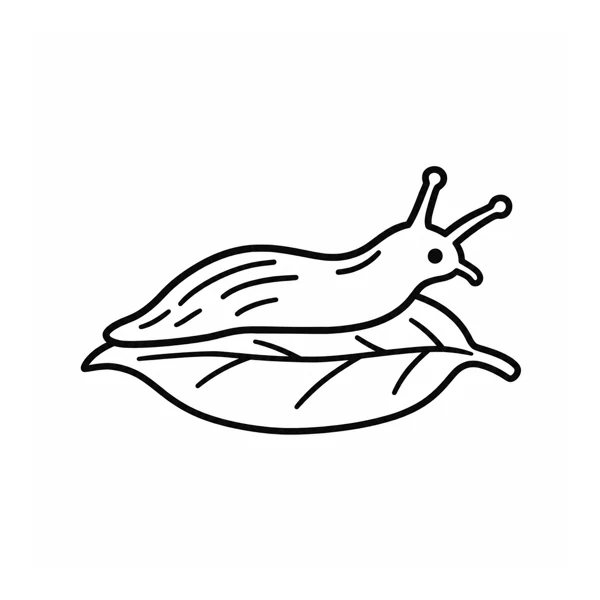
- Slugs and snails: Chew young rosettes, especially in damp shade. Check at dusk and protect seedlings.
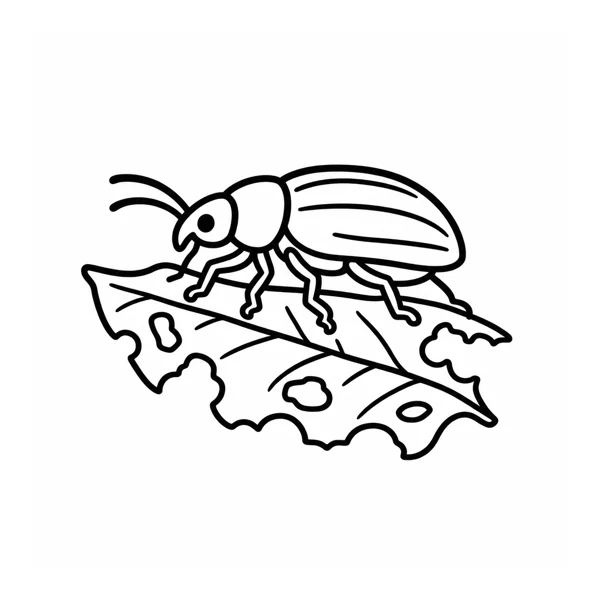
- Japanese beetles: Can chew the leaves and flowers in summer in the eastern US. Hand-pick them into soapy water in the early morning.
- Powdery mildew and leaf spot: Show up in crowded, humid beds. Space plants for airflow and water at the base.
- Crown and root rot: The main cause of plants vanishing over winter. Plant in well-drained soil and keep mulch off the crown.
Deer and rabbits usually leave foxgloves alone.
Good neighbors
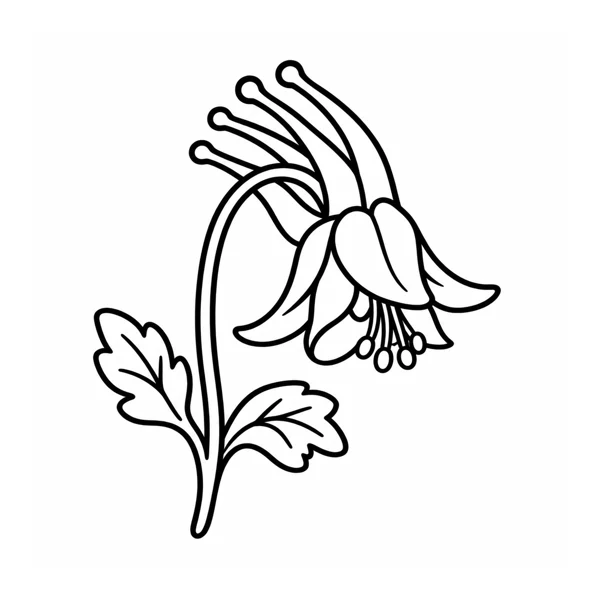
Good: Other plants for part shade and cool soil: columbine, forget-me-nots, hostas, ferns and astilbe. In sunnier borders they look lovely behind roses and alongside delphiniums, which flower about the same time.
Avoid: Vegetable and herb beds. Foxglove leaves have been mistaken for comfrey and borage, with serious results, so keep them well away from anything you eat.
Seeds that grow well in your area in November
Affiliate links — shopping through these helps keep Evening Vines free. Smooth Blue Aster
 Polka Dot Mix
 Black-Eyed SusanSeeds
 ColumbineSeeds
Varieties worth growing
- Camelot series: F1 hybrids in rose, lavender, cream and white. They flower the first year from an early start and cope with heat better than most, so they suit short Canadian seasons and southern gardens alike.
- Dalmatian series: Compact first-year F1 hybrids, about 18 to 24 inches tall, in purple, rose, peach, cream and white. Good in pots.
- Foxy: An older first-year strain, 2 to 3 feet, in mixed pinks, creams and whites.
- Excelsior Hybrids: Tall biennial mix, up to 5 feet, with flowers set all the way around the stem instead of on one side.
- Alba (white foxglove): Pure white spires that glow in shade. Comes fairly true from seed if grown away from purple plants.
- Pam's Choice: White bells with heavy maroon spotting in the throat. Biennial.
- Sutton's Apricot: Soft apricot-pink biennial, very at home in cool, damp summers like those of the UK and Ireland.
- Yellow foxglove (Digitalis grandiflora): A true perennial with pale yellow bells, hardy to zone 3. The best choice for cold Canadian and northern gardens.
- Strawberry foxglove (Digitalis × mertonensis): Crushed-strawberry pink, perennial for a few years, zones 4 to 8.
Foxglove seeds to buy
Affiliate links — shopping through these helps keep Evening Vines free.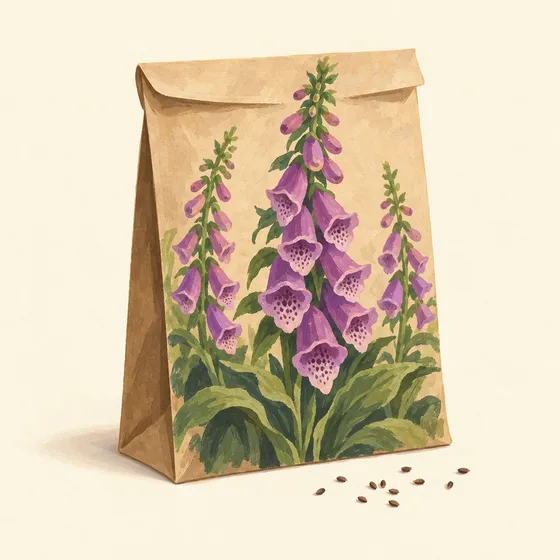 Foxglove MixSeeds
Picking notes
For the vase, cut spikes when the bottom third of the flowers have opened. The buds above will keep opening indoors. Cut in the cool of the morning, wear gloves, and put the stems straight into water. Keep the vase out of reach of children and pets, and don't let the water be drunk.
Saving seed for next year
Foxgloves are pollinated by bees, mostly bumblebees, so colors will mix if you grow more than one. F1 hybrids such as Camelot and Dalmatian won't come true. Let a spike ripen until the lower pods turn brown and start to split, then cut it and hold it upside down over a paper bag. Shake out the tiny seed, let it dry, and store it cool and dry. It keeps for about 2 years. Wear gloves throughout.
From garden to table
Foxglove is not edible. Every part of the plant, including the seeds, flowers and roots, contains cardiac glycosides, which affect the heart. Eating even a small amount can cause vomiting, a slow or irregular heartbeat and death. Never use it as a home remedy or tea. The ASPCA lists foxglove as toxic to dogs, cats and horses. If someone eats any part of the plant, call your local poison control center or emergency services right away.
In the garden, foxgloves are grown for cottage and woodland borders, for cutting, and as one of the best bumblebee flowers of early summer.
Questions from the potting bench
Why didn't my foxglove flower the first year? Most foxgloves are biennials. The first year they only make leaves, and they flower the next spring. For flowers in year one, grow Camelot, Dalmatian or Foxy from an early indoor start.
Will foxgloves come back every year? The plant itself usually dies after flowering. The patch comes back because it seeds itself. Leave a couple of spikes to ripen, and sow or move seedlings each year so there are always plants of both ages.
Can I grow foxgloves in full sun? In cool summers, like much of the UK, Ireland, Canada and the northern US, yes, as long as the soil stays moist. In hot areas, give them afternoon shade.
Can I grow foxgloves in a hot climate? In zones 8 and 9, and warm parts of Australia, treat them as a cool-season annual. Plant in fall, enjoy them in spring, and pull them when the heat arrives. They rarely survive a humid summer.
Are foxgloves safe to grow with pets and kids? They're very poisonous, but most animals avoid the bitter leaves. If you have a puppy that chews everything or young children, skip them or grow them behind a fence until the kids are older.
Grower reports
How did Foxglove do in your garden? Members rate it and say which zone and month they planted, so everyone can see what works near them.
Recent community discussions
No one has talked about Foxglove yet. Be the first.
Seeds to try
Affiliate links — shopping through these helps keep Evening Vines free.Essentials for Growing Foxglove
 Grow Bags
Breathable fabric pots: grow almost anything on a patio, balcony or driveway, and roots never circle.
See it →
 Pruning Shears
Sharp bypass pruners for harvesting, deadheading and tidying.
See it →
 Seed Starting Tray
Reusable tray with a clear dome to give seeds a warm, humid start indoors.
See it →
 Garden Kneeler
A kneeling pad that flips into a seat: easier on knees and back.
See it →
 Plant Labels
Waterproof markers so you know what's coming up where.
See it →
 Organic Fertilizer
Slow-release organic plant food for vegetable beds and containers.
See it →
