
Gooseberry
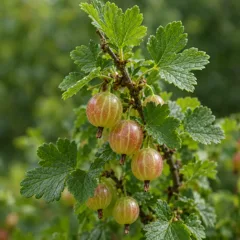
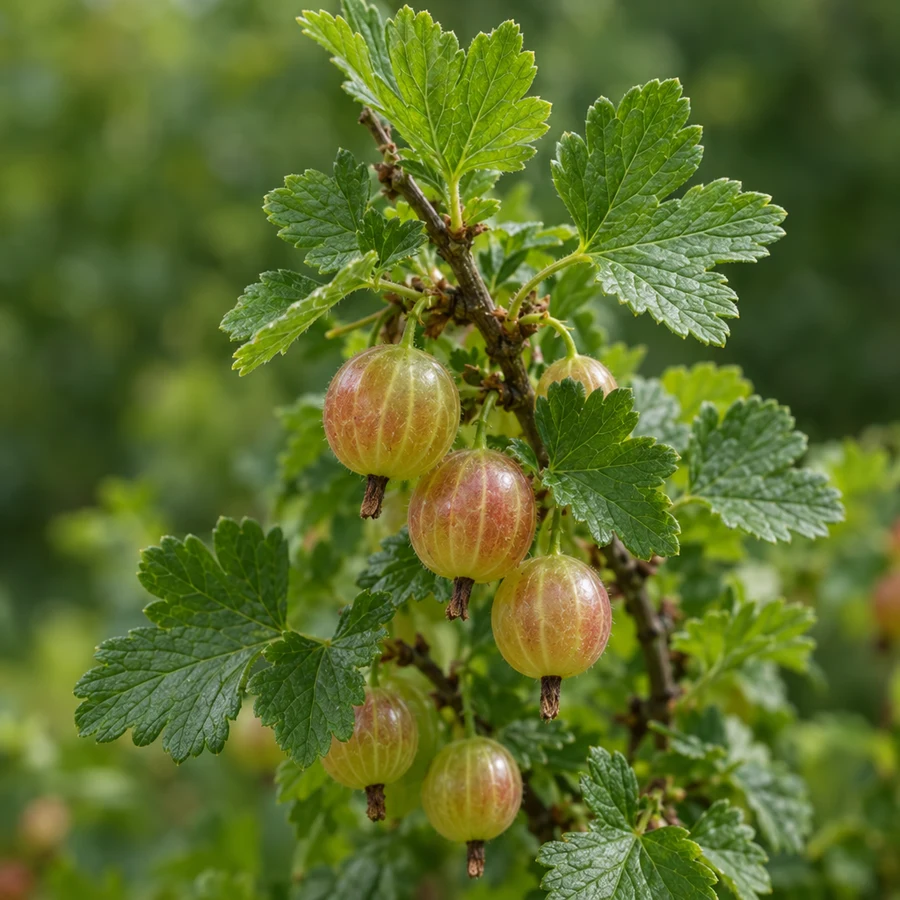
A gooseberry is a tough, prickly little bush that gives tart green berries in early summer and, if you wait, sweet red, yellow or green ones a few weeks later. It's one of the hardiest fruits you can grow, shrugging off winters far colder than an apple tree can take, and it doesn't mind a bit of shade. One bush is enough, since gooseberries are self-fertile, and a grown bush gives a good bowlful for pies, jam and fool every summer.
Gooseberries love cool, damp summers and cold winters. That makes them a natural fit for Canada, the northern US, the UK and Ireland, and the cool hill country of southeastern Australia. They struggle in hot, humid places.
Don't confuse them with Cape gooseberry (a husk fruit related to tomatillos) or Indian gooseberry (amla, a tropical tree). They share a name, nothing more.
Recent community discussions
No one has talked about Gooseberry yet. Be the first.
At a glance
| Plant type | Fruit bush |
| Botanical name | Ribes uva-crispa (European gooseberry); Ribes hirtellum (American gooseberry); many garden varieties, especially North American ones, are hybrids of the two |
| Annual or perennial | Deciduous perennial shrub |
| Sun | Full sun where summers are cool; morning sun and afternoon shade where summers are hot |
| Water | About 1 inch per week, more in dry spells and while fruit swells |
| Spacing | 3 to 5 feet apart, rows 6 to 8 feet apart; cordons 12 to 15 inches apart |
| Planting depth | A multi-stemmed bush can go slightly deeper than it grew in the nursery; a bush on a short single stem goes in at the same depth |
| Days to germinate | Not grown from seed; start from a nursery bush or a rooted cutting |
| Days to maturity | 1 to 3 years to first fruit; full crops from about year 3 or 4 |
| Best USDA zones | 3 to 7 (zone 8 with afternoon shade and a cool-summer climate) |
| Soil pH | About 6.0 to 6.5 |
Is it gooseberry weather where you are? See everything to plant this month or read your zone notes.
Pests to watch for

Diseases



A little history
The European gooseberry grows wild across much of Europe and northern Asia, east to the Caucasus and south into North Africa. It isn't mentioned by Greek or Roman writers. The first records of gooseberries being grown in England date from the 13th century, when bushes were brought over from the continent, but they didn't catch on widely until the 1500s.
The English took to them like no one else. In the 1700s and 1800s, mill and factory workers in northern England formed gooseberry clubs and competed to grow the heaviest berry. By 1845 there were 171 shows recorded across the country, and hundreds of named varieties. A handful of clubs still meet, and the show at Egton Bridge in Yorkshire has run since 1800.
In North America, the native American gooseberry turned out to be the useful one. European types kept failing to an American mildew, so breeders crossed the two, giving the disease-resistant hybrids most gardeners grow now. Gooseberries and currants were banned federally in parts of the US for decades because they host white pine blister rust, a disease of valuable timber pines. That federal ban ended in 1966, but a few states still have local rules.
When to sow in your zone
Gooseberries go in as young bushes, not seeds. Plant them while they're dormant, with no leaves showing.
Early spring (all zones): Plant bare-root bushes as soon as the soil can be worked, a few weeks before your last frost. Gooseberries are among the very first plants to leaf out, so don't wait for warm weather. In the coldest zones (3 and 4), spring is the only time to plant, so the roots have a full season before winter.
Late fall (zones 5 to 8, and most of the UK and Ireland): Bare-root bushes can also go in after the leaves drop in fall, while the soil is still workable. The roots settle in over winter and the bush is ready to grow in spring. In the UK and Ireland, late autumn is the classic planting time.
Potted bushes: A gooseberry in a pot can be planted any time the ground isn't frozen, waterlogged or bone dry. Water it well through its first summer.
November in the garden: In zones 5 to 8 and across most of the UK and Ireland, this is a good month to plant bare-root bushes. In zones 3 and 4, order bushes now for spring delivery. In Australia it's early summer, and the first berries are coming in cool-climate gardens. Australian gardeners in frosty areas plant bare-root bushes from late autumn through winter and into early spring, before the buds break.
Growing it, step by step
Starting a New Bush
Buy a named variety from a nursery, ideally a one- or two-year-old bush. Seedlings won't match their parent. If a friend has a bush you love, it's easy to root a cutting or bend a low branch down and pin it into the soil (see Seed Saving).
Picking the Spot
In cool-summer areas like the UK, Ireland, the Pacific Northwest and much of Canada, give your bush full sun for the biggest, sweetest crops. Where summers run hot, pick a spot with morning sun and afternoon shade, such as the east side of a house or fence, or a north-facing slope. Good air flow matters, as still, damp air invites mildew. Avoid low frost pockets, because the early flowers can be hurt by late frosts.
Soil
Gooseberries like rich, moist soil that still drains well. Dig in plenty of compost before planting. If your ground stays soggy in winter, plant in a raised bed. Leave chemical fertilizer out of the planting hole.
Planting
Soak bare-root bushes in water for a few hours first. Set a multi-stemmed bush slightly deeper than it grew in the nursery (a bush trained on a short single stem goes in at the same depth), spread the roots out, and firm the soil around them. Cut the stems back by about half after planting to encourage strong new shoots.
Training
Most people grow gooseberries as an open bush on a short single stem, with the middle kept clear so air and light get in. In small gardens they can also be trained as a cordon (a single upright stem against a fence or wire) or a fan on a wall. Cordons are tidy, easy to pick and good for squeezing several varieties into a short row.
Water
Water well the first summer, about an inch a week. Established bushes are fairly drought-tolerant, but a dry spell while the fruit swells gives small berries. Water at the base rather than over the leaves, which helps keep mildew away.
Mulch
Gooseberry roots stay near the surface, so a 2 to 4 inch layer of compost, wood chips or straw keeps them cool and moist. Renew it every year. In hot areas, a deep mulch makes a real difference.
Feeding
A light feed in early spring is enough, along with the yearly mulch. Go easy on nitrogen. Too much gives soft, lush growth that mildew loves.
Growing in a Pot
Gooseberries grow well in a large pot, around 15 to 20 inches across, in a soil-based potting mix. Potted bushes dry out fast in summer, so water often, and feed lightly through spring.
Keeping it happy
Gooseberries fruit best on wood that is two and three years old, along with the base of last year's shoots. Prune every year while the bush is dormant, in late winter or early spring.
- Years 1 to 3: Keep 4 or 5 strong new shoots each year and remove weak ones.
- From year 4: Cut out any stems older than three years at the base, plus anything lying on the ground, crossing or crowding the center. A grown bush carries roughly 8 to 12 stems of mixed ages.
- Summer pruning: In early summer, shorten the side shoots to about five leaves. This opens the bush to air and sun, cuts mildew and helps the fruit ripen.
Take off the flowers in the first year if you can bear it, so the young bush puts its energy into roots. Wear thick gloves for all of this. Most varieties have sharp spines.
Birds take ripe fruit, and in the UK and Ireland bullfinches peck the buds in winter. Netting or a fruit cage helps where birds are a problem.
Trouble in the bed
- Powdery mildew: The big one. A white, felty coating on young leaves, shoot tips and berries, turning brown later. Choose resistant varieties, prune for air flow, avoid wetting the leaves, and don't overfeed with nitrogen.
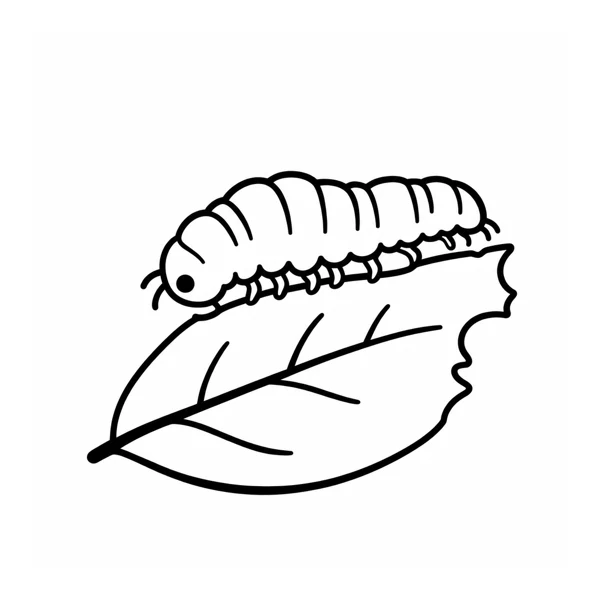
- Sawfly larvae (imported currantworm or gooseberry sawfly): Green, spotted caterpillar-like larvae that can strip a bush of leaves in a few days in late spring. Check the lower, inner leaves from mid-spring and pick them off early.
- Leaf spot and anthracnose: Small brown spots on the leaves, which then yellow and drop early. Rake up and throw away fallen leaves, and prune for air.
- White pine blister rust: Yellow-orange spots under the leaves. Gooseberries are less affected than black currants, but they can still carry it. Don't plant within about 1,000 feet of white pines, and check whether your state restricts Ribes plants.
- Aphids: Curled, puckered leaves at the shoot tips in spring. A strong spray of water usually knocks them back.
- Currant fruit fly and gooseberry fruitworm: These cause berries to color early and drop. Pick up and destroy fallen fruit.
- Currant borer: A grub that tunnels inside stems so they wilt and die. Cut out and destroy any wilted stems in spring.
Good neighbors


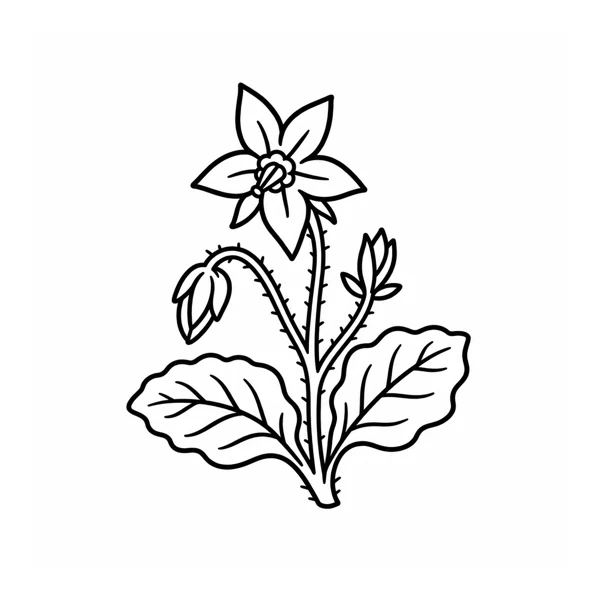
Good: Low, shallow-rooted plants that bring in bees and don't crowd the bush, like chives, calendula and borage. Bees do the pollinating, and more bees means a fuller crop.
Avoid: White pines nearby, because of blister rust. Don't crowd the bush with tall plants that block air flow, and keep deep diggers away from the shallow roots. Black currants share many of the same pests and diseases, so give them some distance if you grow both.
Seeds that grow well in your area in November
Affiliate links — shopping through these helps keep Evening Vines free. Foxglove Mix
 Rocket Larkspur
 Wild Lupine
 Common Milkweed
Varieties worth growing
Very cold winters and short seasons (zones 3 to 4, the Canadian Prairies):
- Jahn's Prairie: Selected from wild gooseberries in Alberta. Pink-red berries with good flavor, and good resistance to mildew. A strong pick for the Prairies.
- Pixwell: An old North Dakota variety from 1932, with few thorns and a heavy crop. The berries are tart, best picked a little underripe for pies and jam.
- Captivator: An American-European cross with large, sweet, pinkish-red berries and relatively few thorns. Resistant to mildew.
Cool, damp summers (UK, Ireland, the Pacific Northwest):
- Invicta: Heavy crops of large pale green berries, good for cooking and sweet enough to eat once ripe. Some mildew resistance, but very spiny.
- Greenfinch: A compact culinary bush with good resistance to mildew and leaf spot.
- Hinnonmaki Red: From Finland. Tart skin and sweet, aromatic flesh, with some mildew resistance.
- Leveller: A classic English dessert gooseberry with big yellow berries and fine flavor. A pure European type, so give it plenty of air flow to keep mildew down.
- Whinham's Industry: An old favorite with dark red berries, good fresh or cooked.
Warmer, more humid summers (zones 6 to 7, southeastern US):
- Poorman: An American type with large red berries, fewer and smaller thorns than most, and good mildew resistance.
In hot, frost-free or near-frost-free places (subtropical Australia, the Gulf Coast, Florida, Southern California's lowlands), gooseberries won't get the long, cold winter they need to fruit well, so they're a fruit for frosty climates.
Picking notes
Gooseberries ripen from late June into early August, depending on variety and climate. In cool-climate Australia that's around December and January. You can pick in two rounds. In early summer, take every other berry while still green and firm, for cooking. The berries left behind grow bigger, and you pick them a few weeks later when they're fully colored, soft and sweet for eating fresh. For jam, slightly underripe berries set better.
A grown bush gives roughly 5 to 10 pounds of fruit. Wear gloves and long sleeves, and keep picked berries cool in the fridge.
Saving seed for next year
Not practical. Gooseberry seeds don't come true. To keep a variety, take a hardwood cutting about 8 to 10 inches long in late fall or winter and push it into the soil, or bend a low branch down in spring, pin it into the soil and cut it free a year later once it has rooted.
From garden to table
Gooseberries are a good source of vitamin C and fiber and low in calories. USDA figures for raw gooseberries are about 44 calories, 28 mg of vitamin C and 4 grams of fiber per 100 grams. Use green ones in pies, crumbles, chutney and jam, or cook them down with a little sugar for gooseberry fool. In the UK they are a traditional sauce with oily fish like mackerel. Ripe dessert varieties are lovely eaten straight off the bush. Gooseberries freeze well whole.
Questions from the potting bench
Do I need two gooseberry bushes? No. Gooseberries are self-fertile, so one bush will fruit on its own. A second variety nearby can give slightly bigger crops.
Why is my gooseberry covered in white powder? That's powdery mildew. Prune to open up the bush, stop overfeeding, water at the base, and choose a resistant variety next time.
What ate all the leaves on my gooseberry? Almost always sawfly larvae. They work from the inside of the bush outward and can strip it in days in late spring. Check early and pick them off.
Can I grow gooseberries in the South or in a warm part of Australia? In zones 7 and 8, yes, with afternoon shade, deep mulch and a mildew-resistant American type like Poorman. In frost-free or subtropical areas, they won't get enough winter cold to fruit well.
Are gooseberries legal to grow everywhere? Most places, yes. Because Ribes plants can spread white pine blister rust, a few US states still restrict them. Check with your state department of agriculture or local extension office before you plant.
Grower reports
How did Gooseberry do in your garden? Members rate it and say which zone and month they planted, so everyone can see what works near them.
Recent community discussions
No one has talked about Gooseberry yet. Be the first.
Essentials for Growing Gooseberry
 Grow Bags
Breathable fabric pots: grow almost anything on a patio, balcony or driveway, and roots never circle.
See it →
 Organic Fertilizer
Slow-release organic plant food for vegetable beds and containers.
See it →
 Pruning Shears
Sharp bypass pruners for harvesting, deadheading and tidying.
See it →
 Insect Netting
Fine mesh that keeps cabbage worms, flea beetles and birds off your crops, no sprays needed.
See it →
 Soaker Hose
Waters the roots slowly, not the leaves: less disease, less water, less work.
See it →
 Garden Hand Tools
Trowel, transplanter and cultivator: the three tools you reach for most.
See it →
