
Hops
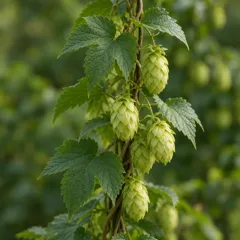
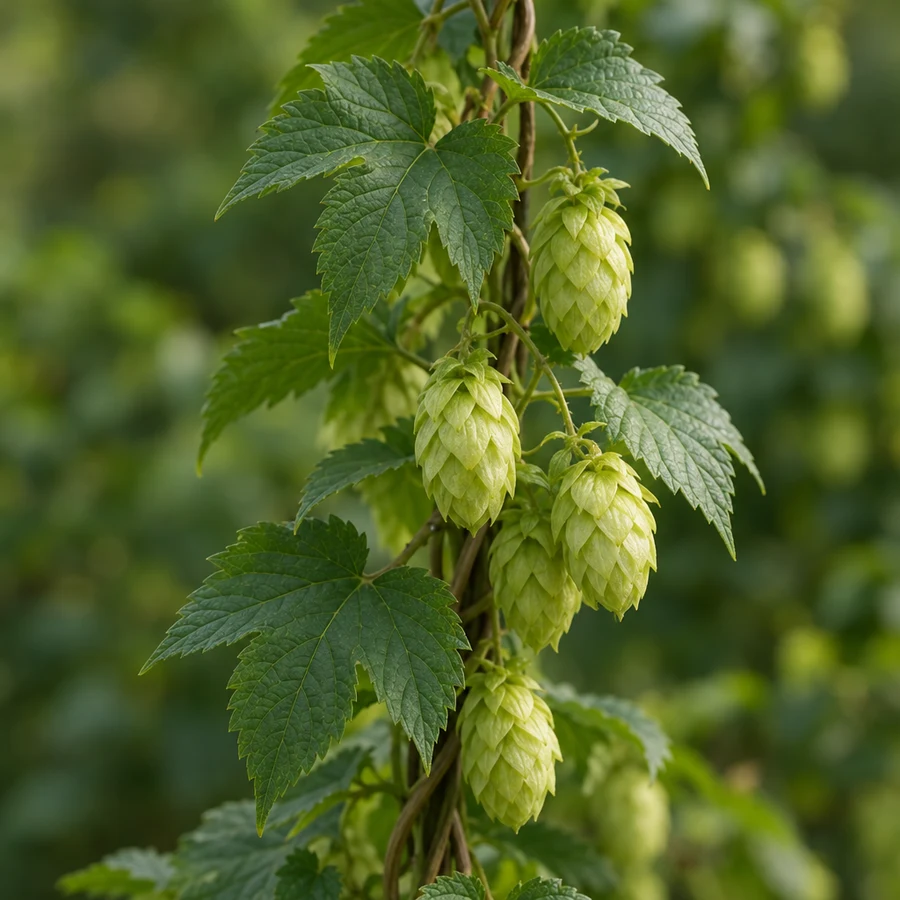
Hops are fast-growing climbing vines that can reach 15 to 25 feet in a season. They're grown for their papery green cones, which flavor beer, and for their lush foliage. The vines climb clockwise and need tall, sturdy supports.
Hops make a great screen for fences and arbors, and homebrewers love a fresh harvest. Plants die to the ground each winter and regrow strongly in spring. Give them time: the first year is mostly about roots.
Recent community discussions
No one has talked about Hops yet. Be the first.
At a glance
| Plant type | Climbing vine (herbaceous perennial) |
| Botanical name | Humulus lupulus |
| Annual or perennial | Perennial (vines die back each winter) |
| Sun | Full sun (6 to 8 hours or more) |
| Water | 1 to 2 inches per week; deep watering |
| Spacing | 3 to 5 feet |
| Planting depth | 2 to 4 inches (rhizomes) |
| Years to first crop | Light crop in year 1 or 2; full crop by year 3 |
| Days to maturity | About 120 to 150 from spring shoots to cones |
| Best USDA zones | 3 to 8 |
| Soil pH | 6.0 to 7.5 |
Is it hops weather where you are? See everything to plant this month or read your zone notes.

Plant rhizomes outdoors in early spring, as soon as the soil is workable and has warmed to 50°F (10°C).

2–3 years to harvest; vines grow 12? per week.

Zones 4–9, August?September when cones are dry, papery, and aromatic; must be picked before aroma fades.

Fertile, moisture-retentive silty loam, pH 6.0–7.5. Needs rich soils with good water retention.
Pests to watch for




A little history
Hops grow wild across Europe, Asia, and North America. Brewers in medieval Europe began adding them to beer, where they add bitterness and help preserve it. Hop growing spread to North America, and the Pacific Northwest became a major hop region.
When to Plant
Spring: Plant rhizomes in early spring, a few weeks before the last frost, as soon as the soil can be worked. Potted plants can go in after frost danger passes.
Fall: Rhizomes are usually sold dormant in late winter and spring, so fall is for cutting back and mulching. In zones 7 to 8, potted plants can go in during early fall if you can find them.
Growing it, step by step
Planting
Hops are dioecious: male and female flowers grow on separate plants. Only females make cones, so buy female rhizomes from a trusted supplier. Plant each rhizome horizontally with buds facing up, 2 to 4 inches deep, in loose, well-drained soil in full sun, 3 to 5 feet apart.
Moving it outside
Plant potted hops at the same depth they grew. Established crowns can be divided in early spring; water divisions well until they root. Don't move plants in summer heat.
Water
Water deeply, 1 to 2 inches per week, with drip lines or at the base. Hops need steady water during fast spring growth. Keep the leaves dry to reduce mildew.
Mulch
Spread 2 to 3 inches of mulch to hold moisture and block weeds, kept a little away from the crown. Pull it back in early spring so shoots can emerge.
Feeding
Hops are heavy feeders. Add compost in spring and a balanced fertilizer as shoots grow. A nitrogen side-dress in late spring helps, but stop by midsummer.
Keeping it happy
When shoots (called bines) are about 2 feet long, choose the 2 or 3 strongest per string and wind them clockwise around twine. Cut off the extra shoots. Strip the lower 2 to 3 feet of leaves in midsummer for airflow. Use a trellis 15 to 20 feet tall or a heavy-duty line. After harvest and frost, cut the bines to the ground.
Trouble in the bed
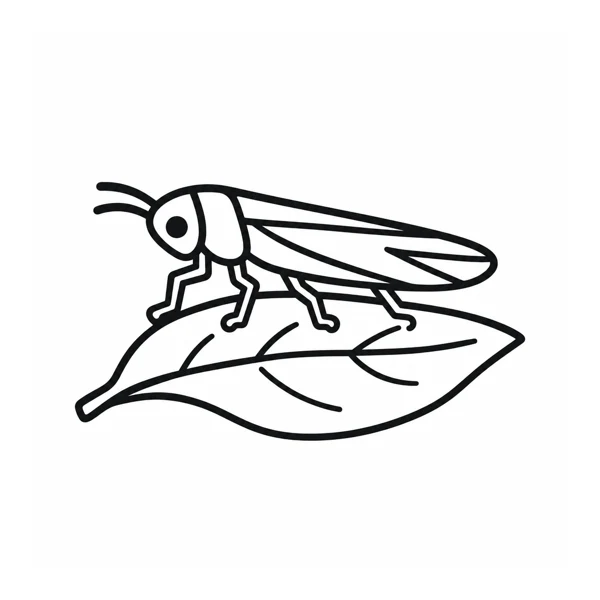
- Hop aphids: Spray off with water, encourage beneficial insects, or use insecticidal soap.
- Two-spotted spider mites: Rinse leaves and keep plants watered in hot weather.
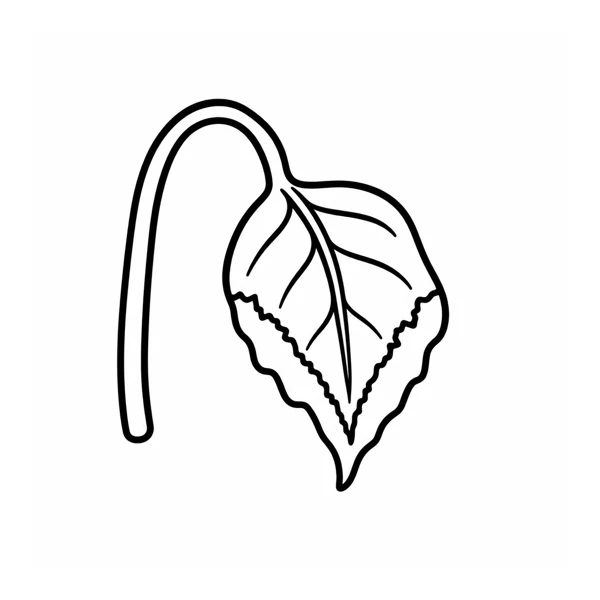
- Downy mildew: Remove infected shoots, strip lower leaves for airflow, and avoid overhead watering.
- Powdery mildew: Space plants, improve airflow, and choose resistant varieties.
Good neighbors




Good: Yarrow, dill, and flowering herbs that attract beneficial insects, plus low plants around the base to shade the soil.
Avoid: Other climbers that tangle with the bines, wet heavy soil, and anywhere dogs play (hops are toxic to dogs).
Varieties worth growing
- Cascade: Popular, floral, and citrusy.
- Centennial: A well-known aroma and bittering hop.
- Chinook: A strong, piney hop that grows well in many areas.
- Willamette: A mild, earthy hop suited to the Pacific Northwest.
- Nugget: A strong, productive bittering hop.
Seeds that grow well in your area in November
Affiliate links — shopping through these helps keep Evening Vines free. Smooth Blue Aster
 Polka Dot Mix
 Black-Eyed SusanSeeds
 ColumbineSeeds
Picking notes
Harvest in late summer when the cones feel dry and papery, spring back when squeezed, and smell strong. Inside, the yellow lupulin powder should be bright. Pick by hand or cut down the bines and strip them. Dry cones on screens in a warm, airy place until the center stems snap, then store sealed in the freezer.
Propagation
Hops are grown from rhizomes or cuttings, not seed, so plants stay female and true to type. Divide the crown in early spring into pieces with 2 to 3 buds and replant right away. Seed-grown plants are a mix of males and females with variable cones.
From garden to table
Hops are mainly used to flavor beer. They also go into herbal teas and sleep pillows, and young spring shoots can be cooked like asparagus. Hops are toxic to dogs: even small amounts, including spent hops from brewing, can cause a dangerous fever. Call a vet right away if a dog eats any.
Questions from the potting bench
Do I need male and female plants? No. Plant females only. Males make pollen, and seeded cones are lower quality.
When will I get cones? A small crop in year 1 or 2 and a full crop by year 3.
Are hops safe for pets? No. They're toxic to dogs.
Saving seed for next year
Seed Saving Hops are typically propagated by rhizomes (underground stems) rather than seeds because they are more reliable and produce fruit faster. However, if you do decide to save seeds: Harvest Cones: Wait until the cones are fully ripe and dry. Collect Seeds: Open the cones and collect the small seeds inside. Storage: Store seeds in a cool, dry place until you're ready to plant them. Germination: Soak seeds in warm water for 24 hours before planting. Germinate them indoors or in a greenhouse before transplanting.
Grower reports
How did Hops do in your garden? Members rate it and say which zone and month they planted, so everyone can see what works near them.
Recent community discussions
No one has talked about Hops yet. Be the first.
Essentials for Growing Hops
 Grow Bags
Breathable fabric pots: grow almost anything on a patio, balcony or driveway, and roots never circle.
See it →
 Trellis Netting
Strong netting for peas, beans, cucumbers and melons to climb: more crop in less space.
See it →
 Pruning Shears
Sharp bypass pruners for harvesting, deadheading and tidying.
See it →
 Organic Fertilizer
Slow-release organic plant food for vegetable beds and containers.
See it →
 Soaker Hose
Waters the roots slowly, not the leaves: less disease, less water, less work.
See it →
 Garden Hand Tools
Trowel, transplanter and cultivator: the three tools you reach for most.
See it →
