
Lychee
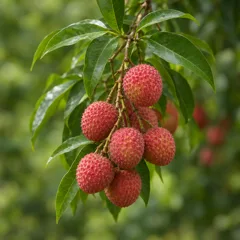
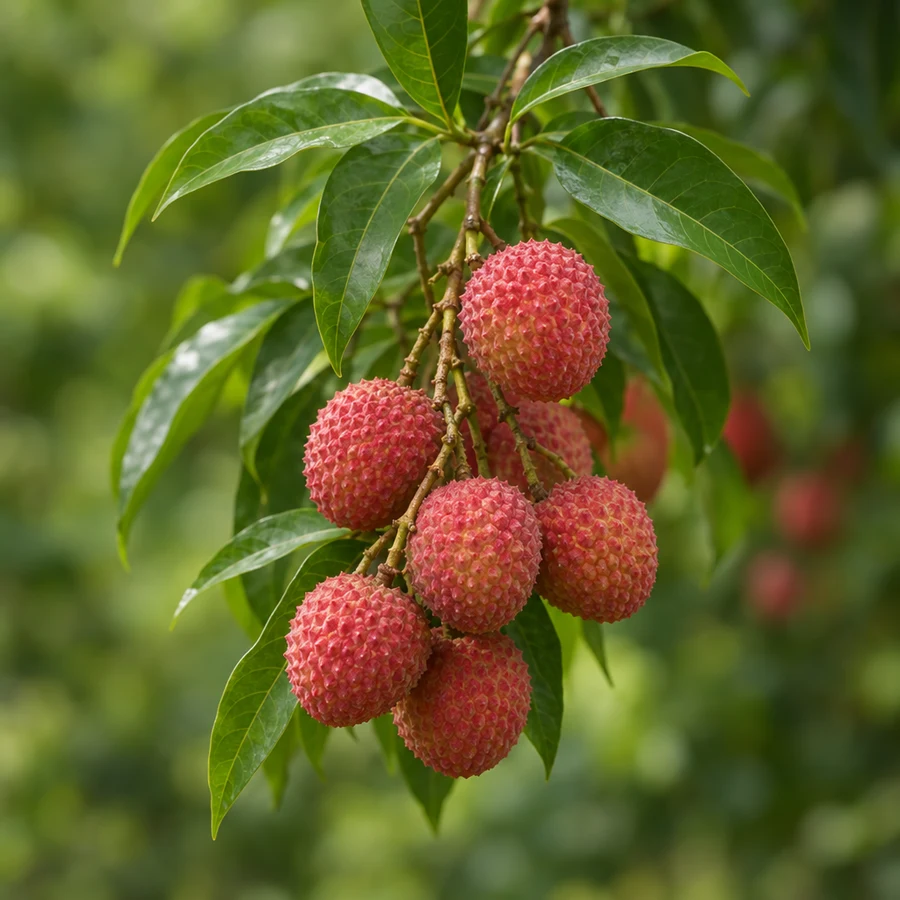
A lychee tree is a handsome, glossy evergreen that hangs bunches of bright red, bumpy-skinned fruit in early summer. Peel one and you get juicy, white, perfumed flesh around a single brown seed. A ripe lychee picked off the tree tastes far better than anything sold in a store.
It is a fussy tree, though. Lychee wants two things that are hard to find together: a cool, dry winter to set flowers, and a warm, humid summer to grow and ripen fruit. Frost kills young trees. In the US that means coastal South Florida, Hawaii and a few frost-free spots in Southern California. In Australia it means the Queensland coast and tablelands and northern New South Wales. Everywhere else, including the UK, Ireland and Canada, lychee is a greenhouse or conservatory tree, and it often stays leafy without fruiting. It's still a lovely plant to try.
Recent community discussions
No one has talked about Lychee yet. Be the first.
At a glance
| Plant type | Fruit tree (subtropical evergreen) |
| Botanical name | Litchi chinensis |
| Annual or perennial | Evergreen perennial |
| Sun | Full sun, sheltered from strong wind |
| Water | Regular while young; steady from flowering to harvest; drier in late fall and winter |
| Spacing | 25 to 30 feet from buildings, other trees and power lines |
| Planting depth | Root flare at or just above the soil line, never deeper |
| Days to germinate | Rarely grown from seed; seed must be sown fresh, within a few days of eating the fruit, and won't come true |
| Days to maturity | 3 to 5 years to first fruit from an air-layered or grafted tree; seedlings 5 to 12 years or more |
| Best USDA zones | 10 to 11 (9b only in a warm, sheltered spot with frost cover; anywhere colder in a pot under glass) |
| Soil pH | 5.0 to 6.5 (slightly acidic; struggles in alkaline soil) |
Is it lychee weather where you are? See everything to plant this month or read your zone notes.
Pests to watch for

Diseases


A little history
Lychee comes from the lowlands of southern China, in what are now Guangdong and Fujian provinces, where people have grown it for well over 2,000 years. Chinese histories tell of fresh lychees rushed by horse relay to the Tang court for the emperor's favorite consort, Yang Guifei. Around 1059 the scholar Cai Xiang wrote one of the earliest books devoted to a single fruit, describing the lychee varieties of Fujian.
The tree reached Burma in the late 1600s and India about a century later. It arrived in Hawaii in 1873, when Ching Chock brought a tree from China that was planted on Chun Afong's property in Honolulu. Florida got its first lychee in 1883, and trees of the Brewster variety came from Fujian in the early 1900s. Australia now grows lychees from Far North Queensland down to northern New South Wales.
When to sow in your zone
Lychee goes in as a young tree, not as seed, and only in frost-free gardens.
Late winter through spring (zones 10 to 12, February to May): Plant once the weather has warmed and nights stay mild. That gives the brittle young roots the whole warm season to spread before winter. In Florida, aim for spring, finishing by about the time the summer rains begin in late May, so the rains help water the new tree in.
Australia: In frost-free gardens of the Queensland coast and tropics and northern New South Wales, plant from late winter through spring, August to November.
Zone 9b: Only if you have a very warm, sheltered spot, such as a south-facing wall near the coast, and you're ready to cover the tree on frost nights for its first few winters.
Colder zones: Pot up a tree any time of year and keep it under glass or indoors. Move it outside for summer once nights stay above about 50°F.
November in the garden: In zones 10 to 11, this is when you want the tree to rest. Hold back water and fertilizer so it stays dry and cool, which helps it flower in late winter. Keep frost cloth handy for young trees.
Growing it, step by step
Starting a New Tree
Buy an air-layered or grafted tree of a named variety from a nursery. Lychee seedlings don't come true, take many years to fruit, and may never fruit well. Seed also dies within a few days of leaving the fruit. Planting a seed from a store-bought lychee is a fun way to grow a leafy houseplant, but don't count on fruit from it.
Picking the Spot
Give lychee full sun and the most sheltered spot you have. Wind snaps branches, dries the leaves and knocks fruit off, so a windbreak matters. Allow plenty of room: in the ground, unpruned trees can reach 30 feet or more. Lychee doesn't handle salty soil or salt spray, so keep it back from the beach.
Soil and Planting
Lychee likes well-drained, slightly acidic soil, ideally pH 5.0 to 6.5. In alkaline or limestone soils the leaves turn yellow from lack of iron. Dig a wide hole, three or four times wider than the pot but no deeper. Set the tree so the root flare sits at or just above ground level. Handle the root ball gently, as lychee roots are brittle and snap easily. Water it in well, and stake young trees in windy spots.
Growing in a Pot
In zones 9 and colder, a big pot is the only way. Start in a 10-gallon pot and move up as the roots fill it, ending in a 20-gallon pot or larger. Use an acidic, free-draining mix. Keep the tree in the brightest place you have, ideally a greenhouse or sunroom. It needs to stay above freezing all winter, but it also wants that cool, dry spell of around 50 to 59°F to have any chance of flowering. A warm living room all winter usually means no flowers. Outside in summer, give it full sun and steady water.
Water
Water young trees often so they never dry out. Once a tree is bearing, the key times for water are from flowering through harvest. Uneven watering as the fruit swells causes splitting. From late fall through winter, ease right off. A dry, cool rest is what tells the tree to flower.
Mulch
Spread 2 to 6 inches of mulch over the root zone, keeping it about a foot away from the trunk. Keep grass and weeds out of a circle 2 to 5 feet around the trunk, and don't overwater or overfeed nearby lawn.
Feeding
Feed young trees lightly and often through the warm months to build a good canopy. On bearing trees, use a fertilizer low in nitrogen and higher in potassium during the summer growing season, and skip nitrogen in late winter, when it pushes out leaves instead of flowers. In alkaline soil, an iron and trace-element feed or foliar spray during the growing season keeps the leaves green.
Keeping it happy
Prune right after harvest. Cutting each fruit cluster with several inches of stem attached is a light prune in itself. Lychee tends to grow lots of upright shoots, so take out strong verticals and keep the outward-growing branches. Keep the tree to a height you can pick from, about 10 to 25 feet, by removing a few top limbs each year. Leave the lower limbs; they make picking easy and shade out weeds.
Young trees are hurt at about 28 to 32°F, and even large trees can be badly damaged or killed by a few hours at 24 to 25°F. On frost nights, cover young trees to the ground with frost cloth, and water the soil the day before, since moist soil holds more heat.
Trouble in the bed
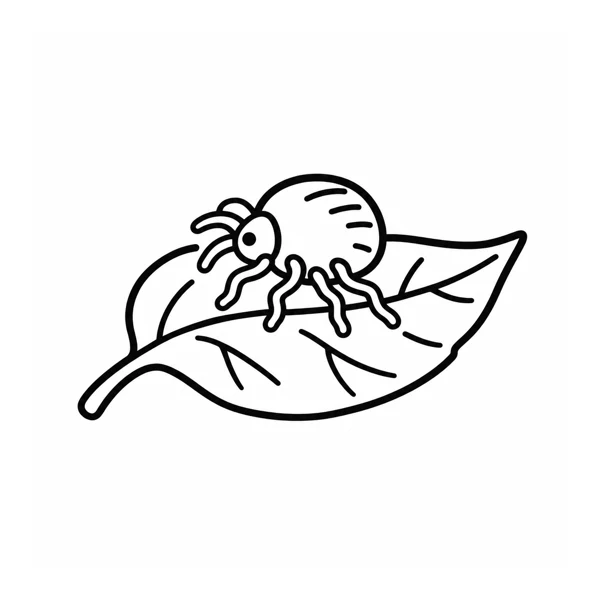
- Lychee erinose mite: The worst pest in Florida and Hawaii. These tiny mites make felty, brown, blistered patches on new leaves, flowers and fruit, and can cut a crop sharply. Prune out affected shoots and bag them, and never move cuttings or plants from an infested area. Ask your local extension office for current control advice.
- Scale insects: Look for small bumps on stems and leaf undersides. Prune out heavily crusted twigs and encourage beneficial insects.
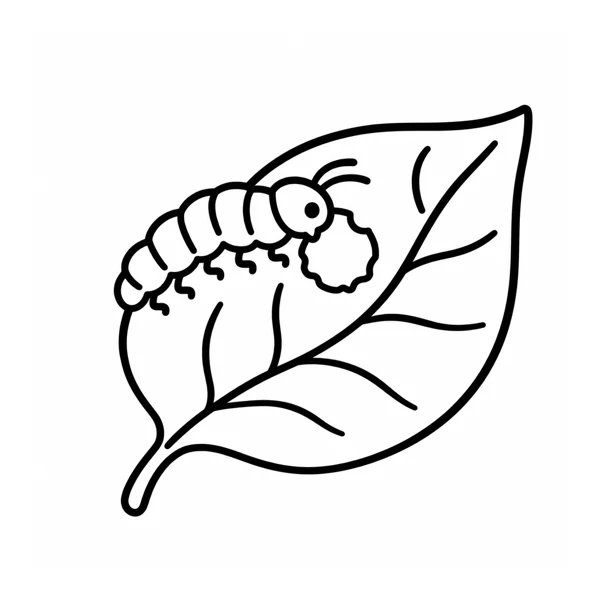
- Caterpillars and webworms: These chew flowers, leaves and young fruit. Pick off nests by hand.
- Birds, bats and fruit flies: Birds and fruit bats strip ripening fruit, and fruit flies are a problem in parts of Australia. Net the tree or bag clusters as they color.
- Anthracnose: Dark spots on leaves and fruit in wet weather. Good airflow and cleaning up fallen fruit help.
- Root rot: Mushroom root rot is most common where oak trees once stood. Poor drainage invites other root rots. Plant in well-drained soil and don't overwater.
Good neighbors
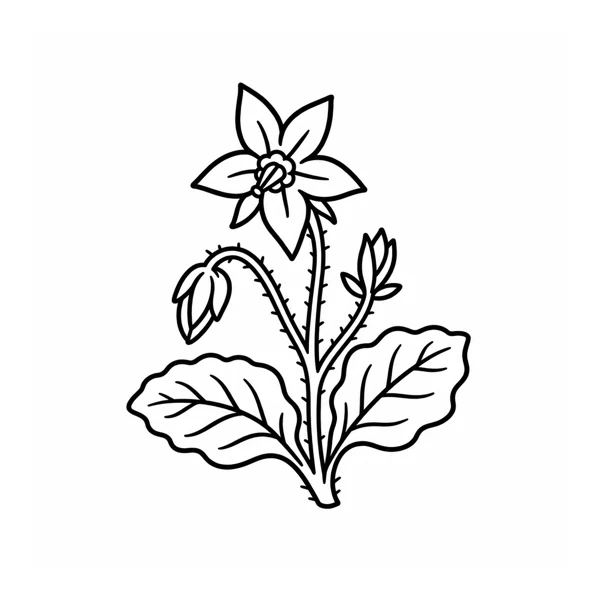


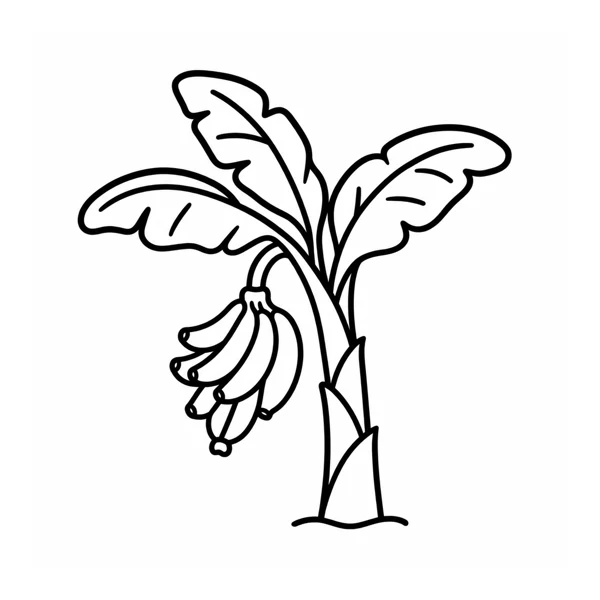
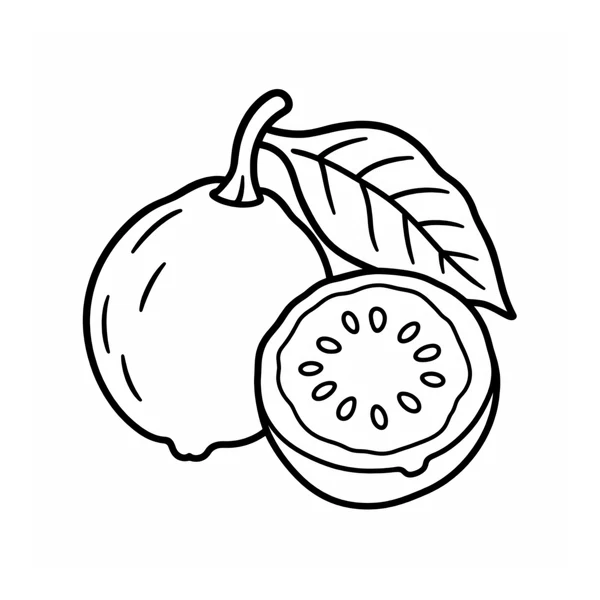
Good: Keep the ground near the trunk clear, but low flowers out at the edge of the root zone, such as borage, marigolds and nasturtiums, draw in bees and flies that pollinate lychee flowers. In a tropical yard, lychee sits well with other fruit trees like banana and guava if each gets its own space and sun.
Avoid: Lawn grass and thirsty plants crowded up to the trunk, and anything you'll water heavily in winter. Lychee needs that dry winter rest.
Seeds that grow well in your area in November
Affiliate links — shopping through these helps keep Evening Vines free. Stinging Nettle
 Smooth Blue Aster
 Polka Dot Mix
 Black-Eyed SusanSeeds
Varieties worth growing
Lychee varieties are unusually sensitive to climate. A tree that crops well in one place may hardly fruit in another, so ask a local nursery or extension office what bears in your area.
For Florida and similar subtropical climates (zones 10 to 11):
- Mauritius: The most planted lychee in Florida. Bears more regularly than most, with an earlier crop in late May and June.
- Brewster: An old Chinese variety from the northern edge of lychee country. Large, vigorous tree that crops less reliably than Mauritius.
- Sweetheart: Big, heart-shaped fruit, many with small seeds. A Florida favorite for home gardens.
- Emperor: Very large fruit on a smaller, slower-growing tree. A good pick for small yards and big pots.
- Hak Ip: Sweet, firm fruit, later in the season.
For warm, low-chill climates like Hawaii (zones 11 to 12):
- Kaimana: Bred in Hawaii from Hak Ip seedlings. A regular bearer in Hawaii's warm lowlands, with fruit about twice the size of older varieties.
- Groff: Also from Hawaii. Small seeds and a dependable, late crop.
For Australia's subtropics (Queensland and northern New South Wales):
- Kwai May Pink (Bosworth 3): The main Australian variety, grown from the Atherton Tablelands south into northern New South Wales.
- Salathiel: An Australian selection with small, bright red fruit, often with small seeds.
- Wai Chee: A late variety with small, round fruit on a fairly small tree.
- Fay Zee Siu and Souey Tung: Early varieties for tropical north Queensland, but big, spreading trees.
For a pot under glass (UK, Ireland, Canada and colder US zones): No lychee is truly made for this, and fruit is a bonus, not a promise. Compact, smaller-growing trees such as Emperor or Wai Chee are the most practical choices.
Picking notes
Lychee ripens about two months after flowering. In Florida the main season is June and July. Hawaii picks from May into August. In Australia, picking starts around October in north Queensland and runs to about March in northern New South Wales. Fruit won't ripen once picked, so wait until the skin is fully colored, usually bright red, and taste one to be sure. Cut whole clusters with pruners a few inches above the fruit rather than pulling single fruits. Lychees keep about 5 to 10 days in the fridge.
Saving seed for next year
Not useful for keeping a variety. Seedlings don't come true and the seed dies within days. Gardeners and nurseries keep varieties going by air layering a branch, which roots in a few months while still on the tree.
From garden to table
Lychee is rich in vitamin C. USDA figures for raw lychee are about 70 mg of vitamin C, 170 mg of potassium and 66 calories per 100 grams, so a handful covers most of a day's vitamin C. Eat lychees fresh, chill them for fruit salads, or use them in sorbet, ice cream and drinks. Dried lychees are sold as "lychee nuts," though they aren't nuts at all.
Safety: Eat only ripe fruit, and don't eat the seeds. Lychee contains natural compounds that can lower blood sugar. Outbreaks of serious illness in India have been linked to undernourished children eating many lychees, often unripe or fallen fruit, on an empty stomach. A ripe lychee or two after a meal is fine for most people, but don't let children fill up on them instead of a meal.
Questions from the potting bench
Why isn't my lychee tree flowering? Most often the winter was too warm or too wet, or the tree was fed nitrogen or watered heavily in winter. Lychee needs a cool, dry spell, with temperatures around 50 to 59°F, to set flowers. Young trees also need a few years before they bloom.
Do I need two lychee trees? No. A single lychee tree sets fruit on its own with help from bees and flies. Planting a second variety may give you a bigger crop.
Can I grow lychee in a pot? Yes, and in cold zones it's the only way. Use a large pot, keep it above freezing in winter but cool and on the dry side, and give it all the light you can. Expect a handsome plant first and fruit only some years.
Why are my lychees splitting? Uneven water or a sudden heavy rain as the fruit swells, or hot, dry winds. Water steadily from flowering to harvest and mulch the root zone.
Grower reports
How did Lychee do in your garden? Members rate it and say which zone and month they planted, so everyone can see what works near them.
Recent community discussions
No one has talked about Lychee yet. Be the first.
Essentials for Growing Lychee
 Grow Bags
Breathable fabric pots: grow almost anything on a patio, balcony or driveway, and roots never circle.
See it →
 Organic Fertilizer
Slow-release organic plant food for vegetable beds and containers.
See it →
 Pruning Shears
Sharp bypass pruners for harvesting, deadheading and tidying.
See it →
 Insect Netting
Fine mesh that keeps cabbage worms, flea beetles and birds off your crops, no sprays needed.
See it →
 Soaker Hose
Waters the roots slowly, not the leaves: less disease, less water, less work.
See it →
 Garden Hand Tools
Trowel, transplanter and cultivator: the three tools you reach for most.
See it →
