
Mandarin
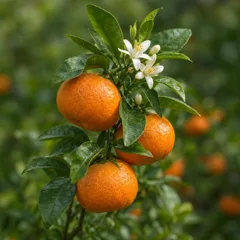
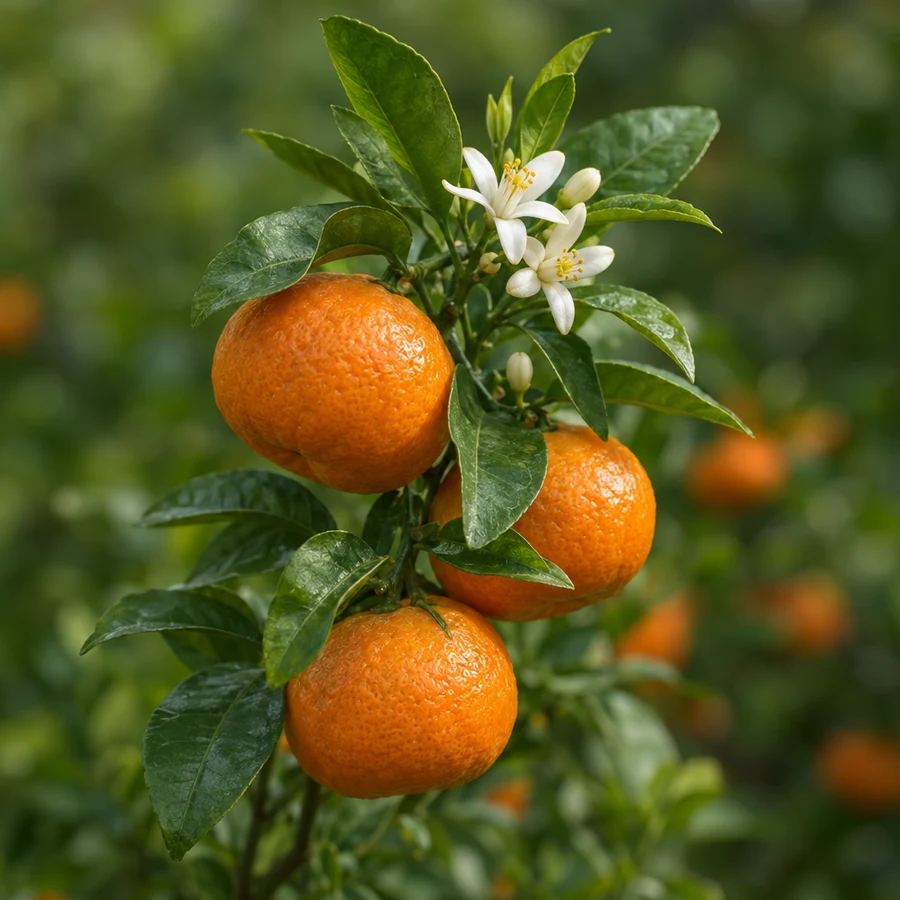
Mandarins are the small, loose-skinned citrus that peel in one go and pull apart into neat segments. Tangerines, clementines and satsumas all belong to this family. The trees stay smaller than an orange tree, have glossy dark leaves all year, and smell wonderful in spring bloom.
They're also among the hardiest citrus. A satsuma is the most cold-tolerant citrus grown for fruit, which is why you'll find them in backyards along the Gulf Coast, where oranges struggle. Most mandarins set fruit on their own, so one tree is enough. Where winters are too cold, a dwarf mandarin in a big pot makes a lovely patio tree that spends winter indoors.
Recent community discussions
No one has talked about Mandarin yet. Be the first.
At a glance
| Plant type | Fruit tree |
| Botanical name | Citrus reticulata (satsumas are often listed as Citrus unshiu) |
| Annual or perennial | Evergreen perennial |
| Sun | Full sun, 8 hours or more |
| Water | Deep watering 1 to 2 times a week while young; keep evenly moist, never soggy |
| Spacing | About 15 feet for a standard tree; about 8 feet on a dwarfing rootstock like Flying Dragon |
| Planting depth | Same depth as in the nursery pot, with the top roots at or just above the soil and the graft well clear of it |
| Days to germinate | Not grown from seed; start from a grafted nursery tree |
| Days to maturity | About 3 to 5 years to first good crop from a grafted tree (seedlings can take 7 years or more) |
| Best USDA zones | 9 to 11 (satsumas in 8b with winter protection; colder zones in a pot brought indoors) |
| Soil pH | 6.0 to 6.5 (slightly acid to near neutral is fine) |
Is it mandarin weather where you are? See everything to plant this month or read your zone notes.
Pests to watch for




Diseases

A little history
Mandarins come from southern China. Genetic studies of wild mandarins found in the Nanling Mountains suggest people there domesticated them more than once. Satsumas arose in Japan centuries ago and became that country's main citrus. The first recorded satsuma in the United States was planted in Florida by George R. Hall in 1876. The name came a little later, from the wife of a US minister to Japan who sent trees home in 1878 from Satsuma province, now Kagoshima. Between 1908 and 1911, about a million Owari satsuma trees came over from Japan and were planted from north Florida to Texas. The word tangerine comes from Tangier in Morocco, a port mandarins passed through on their way into Europe.
When to sow in your zone
Mandarins go in as grafted nursery trees, not seeds.
Spring (zones 9 to 11): Plant after the danger of frost has passed. A young tree then has a whole warm season to root in before winter, which matters most at the cold edge of the range. In zone 8b, only a satsuma on trifoliate rootstock in a sheltered spot is worth trying, and only planted in spring, with winter protection ready.
Early fall (zones 9 to 11): Where winters are mild, September and October planting works well too. The soil is still warm and the tree settles in before the cooler months.
In a pot (colder zones, UK, Ireland and Canada): Pot up a tree in spring. Move it outside once nights stay warm, which in the UK and Ireland usually means late May or June, and bring it back into a bright, frost-free spot as soon as autumn nights start to cool.
November in the garden: In zones 9 to 11 this is the start of satsuma and clementine harvest. In zone 8b, have frost cloth ready and mound soil over the graft of young trees. In colder zones, potted mandarins should already be indoors.
Growing it, step by step
Starting a New Tree
Buy a grafted tree of a named variety. Many mandarin seeds do grow into trees much like the parent, but a seedling can take 7 years or more to fruit and is often thorny and vigorous. A grafted tree crops years sooner. Trifoliate orange rootstock gives the most cold tolerance and suits heavy, wet soils. Flying Dragon is a dwarfing form of it that keeps the tree to roughly 6 to 8 feet, which is handy in small yards and big pots.
In the US, citrus plants can't be moved out of areas under quarantine for citrus greening and canker, which includes all of Florida and parts of Texas, California, Louisiana and other Southern states. Buy from a local, certified nursery rather than carrying a tree in from elsewhere.
Picking the Spot
Give the tree full sun and shelter from cold north and west winds. In zones 8b and 9, the south side of a house or a spot near a warm wall gives a few degrees of help on cold nights. Avoid low spots where cold air settles. Mandarins need soil that drains freely; standing water quickly leads to root rot.
Planting
Dig a hole no deeper than the root ball and two to three times as wide. Set the tree so its top roots sit at or just above the surrounding soil. Never bury the graft union, the knobby joint low on the trunk. Backfill with the soil you dug out, water well, and keep soil and mulch off the trunk.
Growing in a Pot
A dwarf mandarin is one of the easiest citrus for a pot. Start in a pot about 12 to 14 inches across and move up a size every couple of years as roots show at the drainage holes, ending in something around 15 to 20 gallons. Use a free-draining citrus mix, or a soil-based compost with some grit added. Indoors in winter, keep it in your brightest window or under a grow light, in a cool room that stays above about 45°F. Satsumas handle a cooler room than most. A grow light helps a lot in Canadian winters.
Water
Water a new tree several times a week for the first few weeks, then deeply once or twice a week through its first year. Feel the top 2 to 3 inches of soil and water when it's dry. Drought during bloom makes the young fruit drop, and dry spells followed by a soaking split the fruit. In pots, check daily in summer. In winter, let the top of the mix dry a little before watering, and never leave the pot standing in water.
Mulch
Spread 2 to 3 inches of mulch over the root zone to keep moisture even, but leave a gap of about a foot around the trunk. Wet mulch against the bark invites foot rot.
Feeding
Mandarins are hungry trees. In the ground, feed young trees with a citrus fertilizer several small times a year, from late winter through midsummer, and mature trees about three times a year. Stop by late July so new growth can harden before cold weather. Yellowing between the veins usually means the tree is short of nitrogen, iron, magnesium or zinc, and a citrus fertilizer with trace elements covers those. Potted trees need feeding more often, since watering washes nutrients out. A high-nitrogen summer citrus feed from spring to early fall, and a balanced winter feed the rest of the year, works well.
Keeping it happy
Mandarins need little pruning. Take out dead, crossing or damaged wood, and any shoots coming from below the graft, since those are rootstock and give sour, seedy fruit. Satsumas have a drooping habit, so lift or trim low limbs that would lay fruit on the ground. Prune after harvest and before spring growth, and wait until new growth starts before cutting out cold-damaged wood, as the damage isn't clear until then.
Mature, dormant satsumas on trifoliate rootstock have come through 14 to 18°F with little harm, while most other mandarins are hurt around 22 to 23°F. Young trees are far more tender. Before a hard freeze, water the tree a day or two ahead, cover it to the ground with frost cloth or blankets, and keep the ground under it bare of weeds so it can release stored heat. For the first few winters, mound soil over the lower trunk and graft in late fall and pull it back in March. If the top is killed, the protected part above the graft can regrow.
Many mandarins bear heavily one year and lightly the next. Thinning the fruit in a heavy year evens this out.
Trouble in the bed
- Citrus leafminer: Silvery, winding trails in new leaves, which curl and twist. Older trees shrug it off. On young trees, avoid heavy feeding or pruning that pushes a flush of soft growth in late summer.
- Scale and mealybugs: Small bumps or white cottony clusters on stems and leaves, often with sticky honeydew and black sooty mold. Wipe them off or use horticultural oil. Potted trees indoors get them most.
- Aphids: Cluster on soft new shoots in spring. A strong spray of water and the ladybugs and lacewings that follow usually handle them.
- Spider mites: Fine speckling and webbing, worst on dry indoor trees in winter. Rinse the leaves and keep the air a little more humid.
- Root rot and foot rot: Caused by water molds in wet, poorly drained soil. Leaves yellow, bark at the base cracks and oozes. Plant high, keep mulch off the trunk and don't overwater.
- Citrus greening (HLB) and citrus canker: Serious diseases in Florida, Texas, California and other Gulf states. Greening is spread by the tiny Asian citrus psyllid and causes blotchy yellow leaves and small, lopsided, bitter fruit. There's no cure. Report suspect trees to your local extension office.
Good neighbors


Good: Low flowers and herbs that bring in pest-eating insects, like sweet alyssum, marigolds, nasturtiums, borage and thyme. Keep them out near the edge of the canopy, not against the trunk. Mandarins also sit happily beside other citrus such as lemon, orange and lime.
Avoid: Lawn grass and thirsty plants right under the tree, which compete for water and food. Skip deep digging in the root zone, since citrus roots run fairly shallow.
Seeds that grow well in your area in November
Affiliate links — shopping through these helps keep Evening Vines free. Smooth Blue Aster
 Polka Dot Mix
 Black-Eyed SusanSeeds
 ColumbineSeeds
Varieties worth growing
Cold-hardy satsumas (zones 8b to 9, cooler parts of California and southern Australia):
- Owari: The classic satsuma. Seedless, sweet and easy to peel, ripening October to November. Very productive on a small, drooping tree.
- Brown Select: A productive satsuma that ripens a little ahead of Owari.
- Kimbrough: A Louisiana selection with larger fruit, thought to be a degree or two hardier than Owari.
- Miho: An early Japanese satsuma that has done well in cold trials in the Southeast.
- Early St. Ann: One of the earliest satsumas, ripening from late September or early October.
Mandarins for warm, dry and subtropical areas (zones 9 to 11, inland Australia):
- Clementine (Algerian): Sweet, juicy and usually seedless, ripening late fall into winter. It crops more heavily with another variety nearby, though the fruit then gets seedier.
- Gold Nugget: A seedless, bumpy-skinned late mandarin from the University of California with rich flavor. The fruit holds on the tree well into spring.
- Tango: A seedless, smooth-skinned mandarin from the same program, ripening midwinter to spring.
- Pixie: Small, seedless and very sweet, ripening late in the season.
- Imperial: Australia's best-known early mandarin, easy to peel, ripening in late autumn to early winter there.
- Afourer and Honey Murcott: Later mandarins popular in Australian backyards, sweet and richly flavored. Afourer can get seedy near other citrus.
For a pot indoors (Canada, the UK, Ireland and colder US zones):
- Kishu: Tiny, seedless fruit about the size of a golf ball, on a naturally small tree. A favorite for containers.
- Dwarf satsumas: Owari or Miho on Flying Dragon rootstock stay compact, put up with a cool winter room, and fruit young.
A note on pollination: Satsumas, Clementines, Gold Nugget, Kishu and most other home mandarins set fruit on their own. A few hybrids, such as Sunburst and Robinson, crop poorly without another citrus variety nearby to supply pollen.
Picking notes
Most mandarins ripen from fall through winter, and late types carry on into spring. Taste one to check. Color is a poor guide, and in warm, humid areas satsumas are often sweet while the skin is still partly green. Clip the fruit off with pruners, leaving a short stem, rather than pulling. The loose skin tears easily and torn fruit rots. Satsumas and many other mandarins don't hold long on the tree once ripe and turn puffy and dry, so pick them within a few weeks. Gold Nugget and some late types hold much longer. Picked fruit keeps about a week at room temperature, and a few weeks in the fridge.
Saving seed for next year
Not worth it for most gardeners. Many mandarin seeds do grow into close copies of the parent, but hybrids like Clementine don't, and any seedling takes 7 years or more to fruit. Satsumas and most popular varieties are seedless anyway. Buy a grafted tree instead.
From garden to table
Mandarins are a good source of vitamin C and also bring vitamin A, potassium and fiber. USDA figures for raw tangerines are about 27 mg of vitamin C, 166 mg of potassium and 1.8 grams of fiber per 100 grams, at around 53 calories. Eat them fresh, pack them in lunches, add segments to salads, or make marmalade, juice and candied peel. The zest flavors baking and dressings. Keep citrus peel and essential oils away from dogs and cats, as the oils can upset their stomachs.
Questions from the potting bench
Do I need two mandarin trees? Usually not. Satsumas, Clementines and most popular mandarins fruit on their own. A few hybrids, like Sunburst and Robinson, need another variety nearby.
What's the difference between a mandarin, a tangerine and a clementine? Tangerines and clementines are both types of mandarin. Tangerine is an older name, often used for deeper orange mandarins, and the clementine is one particular variety.
Can I grow a mandarin where it freezes? In zone 8b or a cold part of zone 9, choose a satsuma on trifoliate rootstock, plant it in a sheltered sunny spot, and cover it on freezing nights. Anywhere colder, grow a dwarf satsuma or Kishu in a pot and bring it indoors for winter.
Why is my mandarin dropping its fruit? Some drop in late spring is normal as the tree sheds what it can't carry. Heavy drop usually means dry soil during bloom or a stressed young tree. Keep the watering steady.
My mandarin only fruits every other year. Why? Many mandarins bear in alternate years. Thin the fruit in a heavy year and keep feeding and watering steady, and the crops will even out.
Grower reports
How did Mandarin do in your garden? Members rate it and say which zone and month they planted, so everyone can see what works near them.
Recent community discussions
No one has talked about Mandarin yet. Be the first.
Essentials for Growing Mandarin
 Grow Bags
Breathable fabric pots: grow almost anything on a patio, balcony or driveway, and roots never circle.
See it →
 Organic Fertilizer
Slow-release organic plant food for vegetable beds and containers.
See it →
 Pruning Shears
Sharp bypass pruners for harvesting, deadheading and tidying.
See it →
 Insect Netting
Fine mesh that keeps cabbage worms, flea beetles and birds off your crops, no sprays needed.
See it →
 Soaker Hose
Waters the roots slowly, not the leaves: less disease, less water, less work.
See it →
 Garden Hand Tools
Trowel, transplanter and cultivator: the three tools you reach for most.
See it →
