
Mint
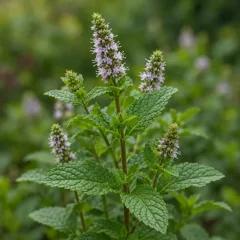
Mint is a quick, fragrant herb for tea, cold drinks and the kitchen. It also wanders. Its runners creep along just under the soil, and one plant set loose in a bed can fill it in a season or two. Give it a container of its own and it stays a good neighbor. A pot by the back door or on a bright windowsill puts it within reach every time you cook.
Mint makes an herbal tea; true tea comes from the tea plant, Camellia sinensis.
Recent community discussions
No one has talked about Mint yet. Be the first.
At a glance
| Plant type | Herb |
| Botanical name | Mentha (spearmint M. spicata, peppermint M. × piperita) |
| Annual or perennial | Perennial |
| Sun | Full sun to part shade |
| Water | Moist but well-drained, never soggy |
| Spacing | One plant per pot, at least 12 inches wide |
| Planting depth | Surface (press seed in) |
| Days to germinate | 10 to 15 |
| Days to maturity | 60 to 90 |
| Best USDA zones | 3 to 9 |
| Soil pH | 6.0 to 7.0 |
Is it mint weather where you are? See everything to plant this month or read your zone notes.

Sow indoors 8–10 weeks before last frost, or direct sow after frost danger has passed. Spreads vigorously, so many gardeners plant in containers.

Germinates in 10–15 days; 60–90 days; spreads vigorously.

Zones 3–10, May?October; in mild zones September?December; indoors year-round.

Moist, fertile silty loam, pH 6.0–7.0. Requires consistently damp, compost-rich soil.
Pests to watch for







A little history
Mints grow wild across Europe and Asia and have been used in food and medicine since ancient times.
When to sow in your zone
Spring: Start seeds indoors 8 to 10 weeks before your last frost. Once frost has passed, sow or plant into pots outdoors, whether that's your own seedlings or a plant from the nursery.
Fall: In zones 7 to 9, early fall is a good time to pot up a nursery plant. Seed sown this late is less reliable.
Not sure when your last frost comes? Find your zone and its frost dates on the zone pages, then count back from your last frost to set your seed-starting date.
Growing it, step by step
Keeping it in a pot
Choose a pot at least 12 inches wide with drainage holes. Fill it with potting mix and a few handfuls of compost so the roots sit moist but well-drained. Stand the pot on paving, a deck or a saucer rather than on bare soil, so runners can't slip out of the drainage holes and root below. Snip off any stem that arches over the rim and touches the ground.
Starting a patch
Seed is tiny. Scatter it on the surface, press it in, and keep it damp and warm, around 70°F, until it sprouts. Because mints cross so easily, a seedling's flavor is a bit of a lucky dip. If there's a mint you already love, a stem tip will root in a glass of water in a week or two, and a rooted piece from a friend's pot settles in even faster. Peppermint sets no good seed at all, so it only comes from cuttings or divisions.
Water, mulch and feed
Water whenever the top inch of mix feels dry. Mint flops fast when it dries out, but soggy roots invite rot. An inch of mulch on top of the pot keeps the roots cool. A little compost each spring is all the feeding it needs; heavy feeding makes soft, leafy growth with less of that minty bite.
Keeping it happy
Cut it back often for fresh, tender shoots, and pinch off flower spikes when you want the best leaves. Every 2 to 3 years the pot fills with roots, so tip the plant out, slice off a healthy piece and repot it in fresh mix. Keep pots standing on a hard surface rather than on bare soil.
Trouble in the bed
- Spider mites: Fine speckling and webbing in hot, dry spells. Rinse the leaves and keep the pot watered.
- Aphids: Clusters on soft tips. Knock them off with a jet of water.
- Flea beetles: Small round holes in the leaves. A light cover of row cover helps, or live with a little damage.
- Mint rust: Orange spots under the leaves. Remove affected stems and water the soil, not the foliage.
- Verticillium wilt: Stunted, curled, yellowing shoots. Start over with a clean plant in fresh mix.
Good neighbors

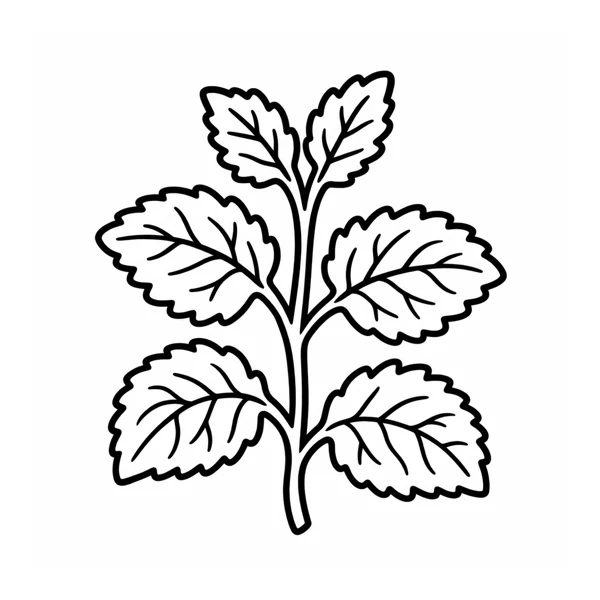
Good: Leave a pot or two to flower near your vegetable beds in summer. The small blooms bring in bees, hoverflies and tiny parasitic wasps that help keep aphids and caterpillars in check.
Avoid: Setting mint in the ground beside other herbs, where it soon takes over. Keep each kind of mint in its own pot, too, since spearmint, peppermint and apple mint will tangle together and cross. Herbs that like dry soil, such as rosemary and lavender, are happier in a separate pot than sharing one with thirsty mint.
Seeds that grow well in your area in November
Affiliate links — shopping through these helps keep Evening Vines free. Royal Mix
 Johnny Jump Up
 Organic Cat Grass
 Arugula Microgreens
Varieties worth growing
Mint seeds to buy
Affiliate links — shopping through these helps keep Evening Vines free.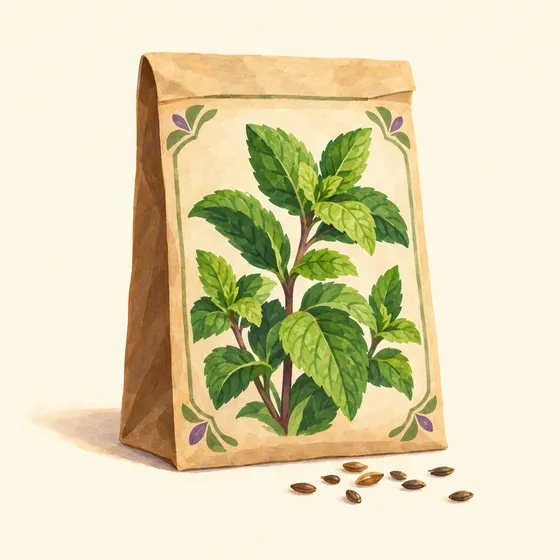 Peppermint
Picking notes
Snip stems just above a pair of leaves, in the morning when the scent is strongest. The more you cut, the bushier it grows. Where winters are mild enough that mint keeps its leaves, you can go on cutting all year.
Saving seed for next year
Peppermint is a sterile hybrid, and most named mints don't come true from seed. Use cuttings or divisions instead.
From garden to table
Mint flavors tea, desserts, salads, and savory dishes, fresh or dried. Pennyroyal (Mentha pulegium) is toxic and shouldn't be eaten. The ASPCA lists garden mint as toxic to dogs, cats and horses; eating a lot of it can cause vomiting and diarrhea, so keep pets from grazing on the pot.
Questions from the potting bench
How do I stop mint spreading? Give it a container of its own, stand the pot on paving or a saucer rather than bare soil, and trim any stem that leans over the rim.
Can mints cross? Yes, mints can hybridize with each other, so keep different kinds in separate pots.
Does it grow indoors? Yes, in a bright window. Turn the pot now and then so it grows evenly.
Grower reports
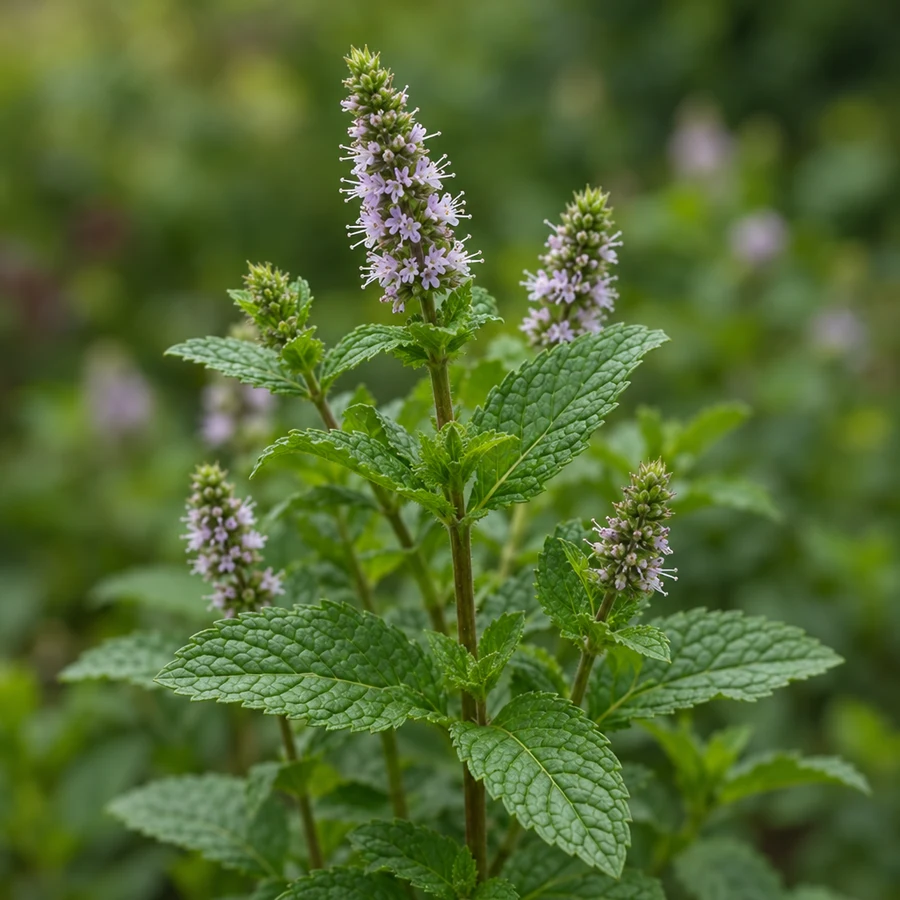
How did Mint do in your garden? Members rate it and say which zone and month they planted, so everyone can see what works near them.
Recent community discussions
No one has talked about Mint yet. Be the first.
Seeds to try
Affiliate links — shopping through these helps keep Evening Vines free.Essentials for Growing Mint
 Grow Bags
Breathable fabric pots: grow almost anything on a patio, balcony or driveway, and roots never circle.
See it →
 Seed Starting Tray
Reusable tray with a clear dome to give seeds a warm, humid start indoors.
See it →
 LED Grow Light
Full-spectrum light for sturdy seedlings through short winter days.
See it →
 Pruning Shears
Sharp bypass pruners for harvesting, deadheading and tidying.
See it →
 Watering Can
Long-spout can for gentle watering of seedlings and pots.
See it →
 Organic Fertilizer
Slow-release organic plant food for vegetable beds and containers.
See it →
