
Olive
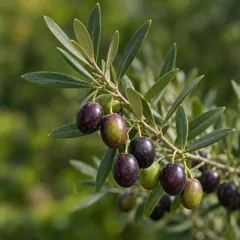
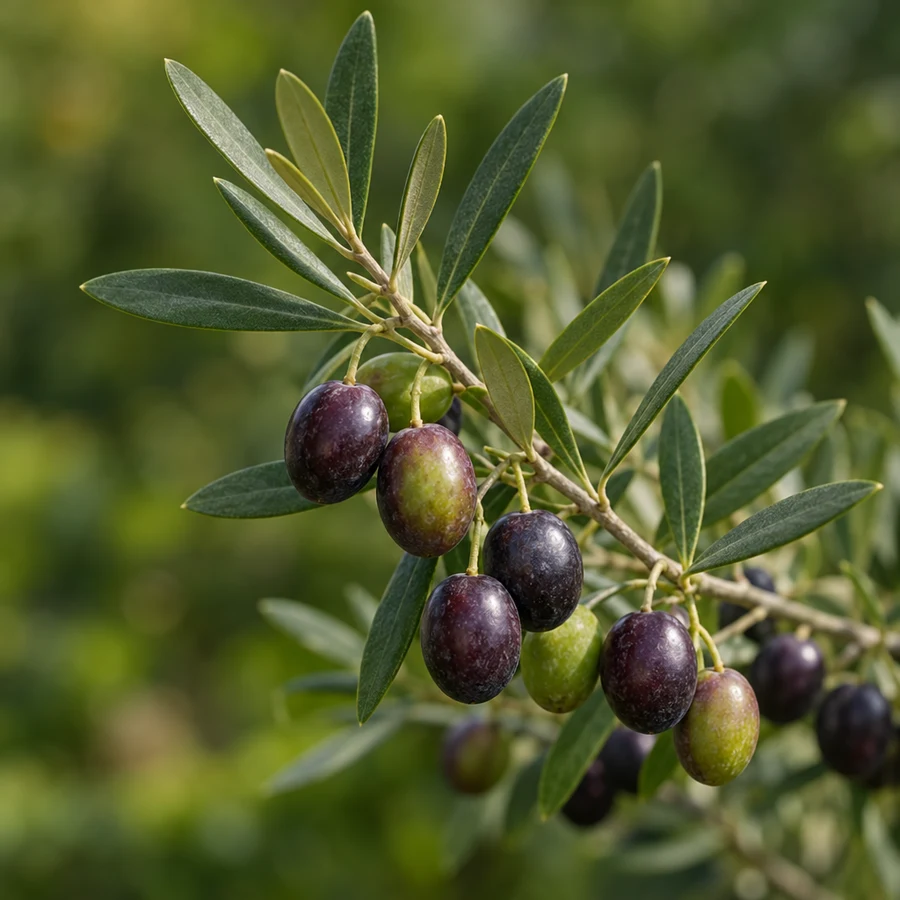
An olive tree is silver-green all year, slow and tough, and lives for centuries. It shrugs off heat, dry summers and poor stony soil, as long as water drains away. In a warm, dry climate it gives you fruit for curing or pressing. In colder places it makes a handsome patio tree in a big pot that comes inside for winter.
One thing to know up front: olives straight off the tree are terribly bitter. Every olive you've ever eaten was cured first, in water, brine, salt or lye. That's part of the fun of growing your own.
Recent community discussions
No one has talked about Olive yet. Be the first.
At a glance
| Plant type | Fruit tree |
| Botanical name | Olea europaea |
| Annual or perennial | Evergreen perennial |
| Sun | Full sun, 8 hours or more |
| Water | Deep, occasional watering once settled; drought tolerant but crops better with summer water |
| Spacing | About 20 feet for a full-size tree; 8 to 10 feet if kept pruned as a hedge |
| Planting depth | Same depth as in the nursery pot |
| Days to germinate | Not grown from seed; start from a rooted cutting or a grafted nursery tree |
| Days to maturity | About 3 to 5 years to first fruit (Arbequina can start in 2 to 3) |
| Best USDA zones | 8 to 10 (11 grows a fine tree but sets little fruit; colder zones in a pot brought indoors) |
| Soil pH | 6.0 to 8.5; happy in alkaline soil |
Is it olive weather where you are? See everything to plant this month or read your zone notes.
Pests to watch for


A little history
The olive is one of the oldest fruit crops. Archaeologists have found signs of olive oil making in the Levant, the eastern shore of the Mediterranean, from around 7,000 years ago, and evidence that people were growing olives in the Jordan Valley at about the same time. From there the tree spread around the whole Mediterranean, where olive oil became food, lamp fuel and medicine. Spanish Franciscan missionaries brought olives to California in the late 1700s, and the first olive oil pressed there is usually dated to Mission San Diego in the early 1800s. The Mission olive is named for those orchards.
When to sow in your zone
Olives go in as young potted trees, never seeds.
Spring (all zones): Plant once the danger of frost has passed. Young olives are the most tender part of the tree's life, so a full warm season to root in before winter matters, especially in zone 8.
Fall (zones 9 and 10): Where winters are mild, planting in October or November works well too. The soil is still warm, and winter rain helps the roots spread.
Australia: Plant in spring once frosts are over, from about September to November. Where frosts are light or rare, autumn (April and May) is a good time too. Olives need a cool winter to flower, so in the tropical north they grow leaves but seldom fruit.
UK, Ireland and the BC coast: In the mildest, most sheltered gardens an olive can go in the ground against a sunny wall in mid to late spring, once frosts are over. Everywhere else, grow it in a pot.
In a pot (cold zones, UK, Ireland and Canada): Pot up a new tree in spring, keep it outside in the sun all summer, and bring it into a bright, frost-free spot before the first hard frost.
November in the garden: In zones 9 and 10 this is harvest time for black olives and a fine month to plant. In zone 8, wrap young trees before cold snaps. In colder zones, potted olives should already be inside, in a bright, cool, frost-free spot.
Growing it, step by step
Starting a New Tree
Buy a named variety from a nursery. Olive seed is slow to sprout and won't give you the same fruit as the parent. Trees grown from cuttings or grafted onto a rootstock reach bearing age far sooner.
Picking the Spot
Give the tree your sunniest, warmest spot. In cooler zones a south- or west-facing wall helps a great deal. Drainage is the big thing. Olives grow in sand, gravel, rocky ground and clay loam, but soggy soil rots the roots fast. Skip low spots where water stands after rain.
Planting
Dig a hole as deep as the root ball and twice as wide. Set the tree at the same depth it grew in the pot, and backfill with the soil you dug out. There's no need to add compost or fertilizer to the hole. Stake young trees in windy spots for the first year or two.
Growing in a Pot
Olives make good container trees. Start with a pot at least 12 to 14 inches across and move up as the tree grows. A grown tree is happy in a 15- to 25-gallon pot. Use a gritty, free-draining mix, and raise the pot on feet so water runs out. Indoors for winter, give it the brightest window you have and a cool room, not a warm living room. A tree kept indoors all year rarely fruits, because it misses the winter cool spell that sets flower buds.
Water
Water deeply once or twice a week the first summer. After that, olives get by on very little, but a deep soak every couple of weeks in a dry summer gives you bigger fruit and a steadier crop. Let the soil dry between waterings. Potted trees need water more often in summer heat, and much less in winter.
Mulch
A layer of gravel or wood chip mulch keeps weeds down and roots cool. Keep it a hand's width from the trunk.
Feeding
Olives need little feeding. Too much nitrogen gives a big leafy tree with few olives. In the ground, a light feeding in late winter is plenty, and only if growth looks weak. Potted trees need a balanced liquid feed about once a month from spring through summer, since watering washes nutrients out.
Keeping it happy
Olives flower and fruit on the wood that grew the year before, and a stem never fruits twice in the same spot. So each year's new growth is next year's crop. Prune lightly in late winter or early spring, once hard frosts are over. Take out dead, crossing and crowded branches, and open the middle so light and air get in. Heavy pruning cuts off fruiting wood, so take a little each year rather than a lot at once.
Most olives crop heavily one year and lightly the next. Thinning a heavy crop soon after fruit sets, to two or three olives per foot of twig, gives bigger fruit and helps even out the swings.
Mature trees handle a few degrees of frost, and most can take short dips into the high teens °F, but young trees and some varieties are damaged at 20 to 22°F. Green fruit is hurt at about 28°F. Cover young trees with frost cloth during cold snaps for their first three winters. A badly frozen tree often regrows from the base.
Trouble in the bed
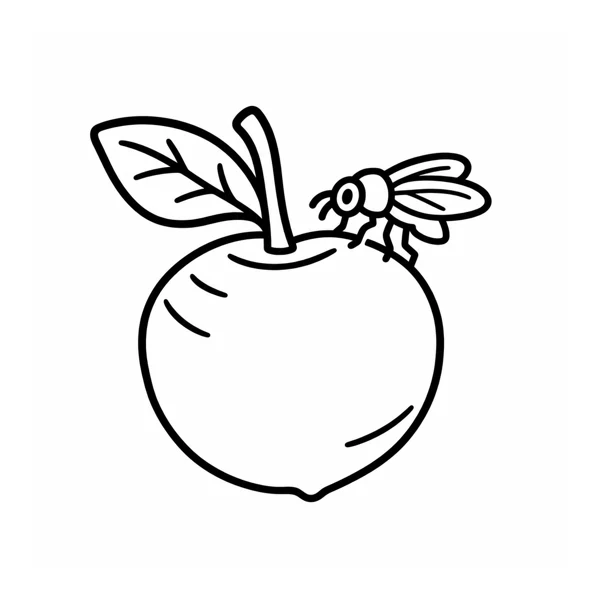
- Olive fruit fly: A serious pest in California. The maggots tunnel through the fruit and spoil it. Pick up every fallen olive, pick the crop clean, and use yellow sticky traps to watch for flies. Kaolin clay sprays coat the fruit so flies don't lay eggs.
- Scale insects: Black scale and others suck sap and leave sticky honeydew, which turns into black sooty mold. Thin the canopy so air moves, and use horticultural oil on young scale.
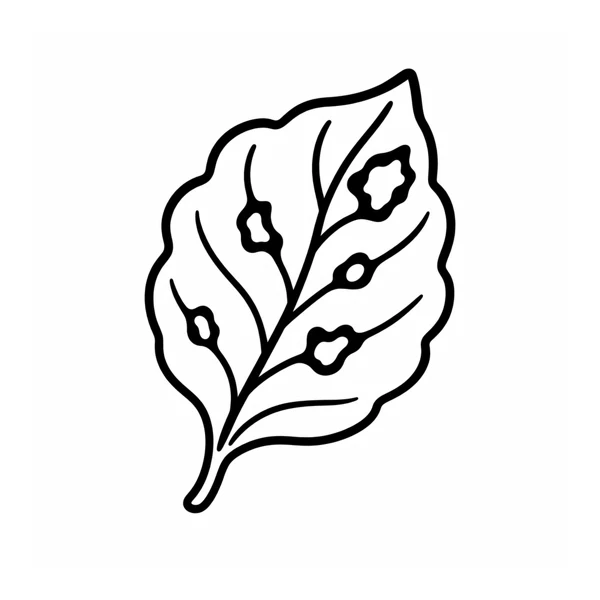
- Peacock spot (olive leaf spot): Dark round spots with a yellow ring on the leaves, which then drop. It spreads in cool, wet weather, so watch for it in damp climates such as the UK, Ireland and wetter parts of Australia. Prune for airflow and rake up fallen leaves.
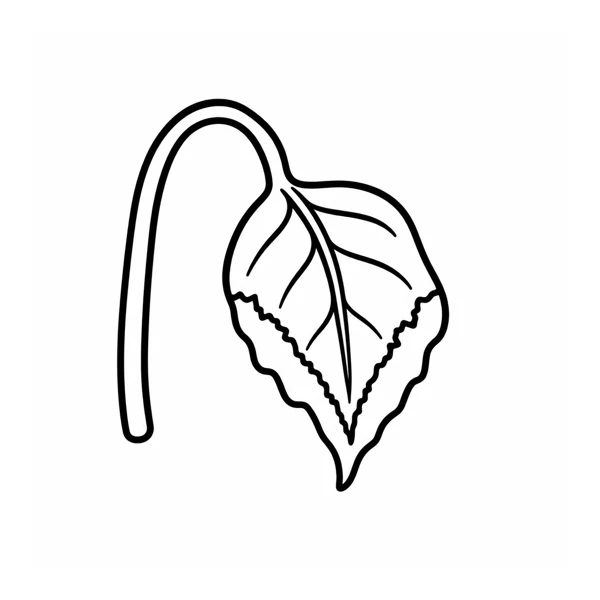
- Verticillium wilt: A soil fungus that makes whole branches wilt and die. Don't plant olives where tomatoes, potatoes, eggplants or strawberries have grown. Cut out dead limbs.
- Root rot: Caused by wet, poorly drained soil. Plant high, water less, and use free-draining mix in pots.
- Olive lace bug (Australia): A native sap-sucker that stipples the tops of leaves with yellow dots. Check leaf undersides in spring and early summer, and treat early.
- Anthracnose: Rots ripening fruit in warm, wet autumns, mostly in humid regions such as Florida.
Good neighbors

Good: Other Mediterranean plants that like the same sun and lean, dry soil, such as rosemary, lavender, thyme, oregano and sage. They draw pollinators and beneficial insects and won't need extra water.
Avoid: Thirsty plants and anything you'll water often near the trunk. Also keep olives away from beds of tomatoes, potatoes, eggplants and strawberries, which can carry verticillium wilt.
Seeds that grow well in your area in November
Affiliate links — shopping through these helps keep Evening Vines free. Black-Eyed SusanSeeds
 ColumbineSeeds
 Moonbeam
 Foxglove Mix
Varieties worth growing
A note on pollination: olives are wind-pollinated, and many varieties set more fruit, or only set fruit at all, with a different variety nearby. If you want a real crop, plant two different varieties, or check that a neighbor has one.
Good for pots and small gardens (UK, Ireland, Canada and cold zones):
- Arbequina: A small, compact Spanish tree with little brown-black olives, good for oil or curing. One of the best for a pot, quick to start bearing, and among the more cold-tolerant. Often crops alone, but does better with a partner. Trees
- Leccino: An Italian oil olive with good frost tolerance. It needs another variety to pollinate it; Pendolino is the classic partner.
Good for warm, dry summers (California, Texas, Australia, zones 8 to 10):
- Mission: The old California olive. Fairly cold-hardy, upright, and good for black table olives or oil.
- Manzanillo: The common California table olive, with large, round fruit. Less cold-hardy than Mission, and crops better with a second variety nearby.
- Kalamata: The Greek almond-shaped olive, cured black. Widely grown in Australia.
- Frantoio: A Tuscan oil olive with fine flavor, but sensitive to cold. Best in mild zones 9 and 10.
- Picual: Spain's main oil olive, productive and fairly hardy. Partly self-fertile, but sets more with a partner.
- Pendolino: A weeping Italian tree grown mostly as a pollinizer for other varieties.
Fruitless (no fruit, little pollen):
- Swan Hill and Wilsonii: Bred for landscapes where dropped fruit is a nuisance or olive pollen allergies are a worry.
Olive trees to buy
Affiliate links — shopping through these helps keep Evening Vines free.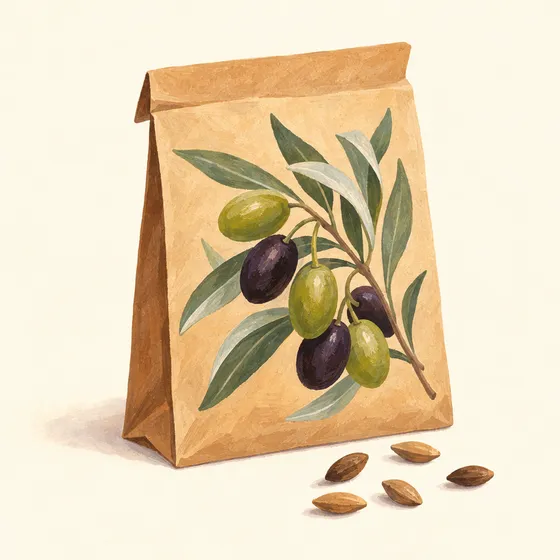 Arbequina
Picking notes
Olives ripen from fall into winter. For green olives, pick when the fruit is full size but before it changes color, usually early to mid fall. For black olives, leave them until they're dark all the way through, from late fall into winter. Pick by hand or rake them onto a sheet. Get the whole crop off the tree, since leftover fruit feeds fruit flies.
Don't eat them raw: fresh olives are full of a bitter compound called oleuropein. Curing removes it. Green olives can be cured in water, changed daily, or in brine; black olives can be dry-cured in salt for several weeks. Olives are a low-acid food, so follow a tested recipe from a university extension service, especially for lye curing or canning, to avoid botulism.
Saving seed for next year
Not practical. Olive seeds sprout slowly and won't come true to the parent tree. Root cuttings or graft instead to keep a variety.
From garden to table
Cured olives and olive oil are rich in monounsaturated fat, mostly oleic acid, which is why olive oil is linked with heart-healthy Mediterranean eating. Cured olives also carry plenty of salt from the brine, so go easy if you watch sodium. Cure your own for the table, press oil if you have a big crop and a local mill, or simply enjoy the tree for its silvery leaves and twisting trunk.
Olive trees aren't known to be poisonous to people, dogs or cats. Their pollen, though, is a strong spring allergy trigger for many people where olives are widely planted, which is one reason fruitless, low-pollen types like Swan Hill exist.
Questions from the potting bench
Can I eat olives straight from the tree? You can, but you won't want to. They're intensely bitter until they're cured.
Do I need two olive trees? For a good crop, usually yes. Some varieties are self-sterile, and even the ones sold as self-fertile set more fruit with a different variety nearby.
Can I grow an olive tree in a cold climate? Yes, in a pot. Keep it outside in summer and bring it into a bright, cool, frost-free spot for winter. A cool winter rest helps it flower.
Why didn't my olive tree fruit this year? Olives often bear every other year. A tree kept warm indoors all winter, too much nitrogen, heavy pruning, or no pollinizer nearby can also stop fruiting.
Grower reports
How did Olive do in your garden? Members rate it and say which zone and month they planted, so everyone can see what works near them.
Recent community discussions
No one has talked about Olive yet. Be the first.
Trees to try
Affiliate links — shopping through these helps keep Evening Vines free.Essentials for Growing Olive
 Grow Bags
Breathable fabric pots: grow almost anything on a patio, balcony or driveway, and roots never circle.
See it →
 Organic Fertilizer
Slow-release organic plant food for vegetable beds and containers.
See it →
 Pruning Shears
Sharp bypass pruners for harvesting, deadheading and tidying.
See it →
 Insect Netting
Fine mesh that keeps cabbage worms, flea beetles and birds off your crops, no sprays needed.
See it →
 Soaker Hose
Waters the roots slowly, not the leaves: less disease, less water, less work.
See it →
 Garden Hand Tools
Trowel, transplanter and cultivator: the three tools you reach for most.
See it →
