
Parsnips
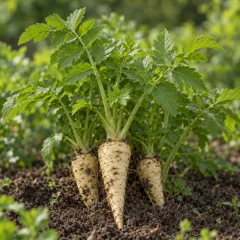
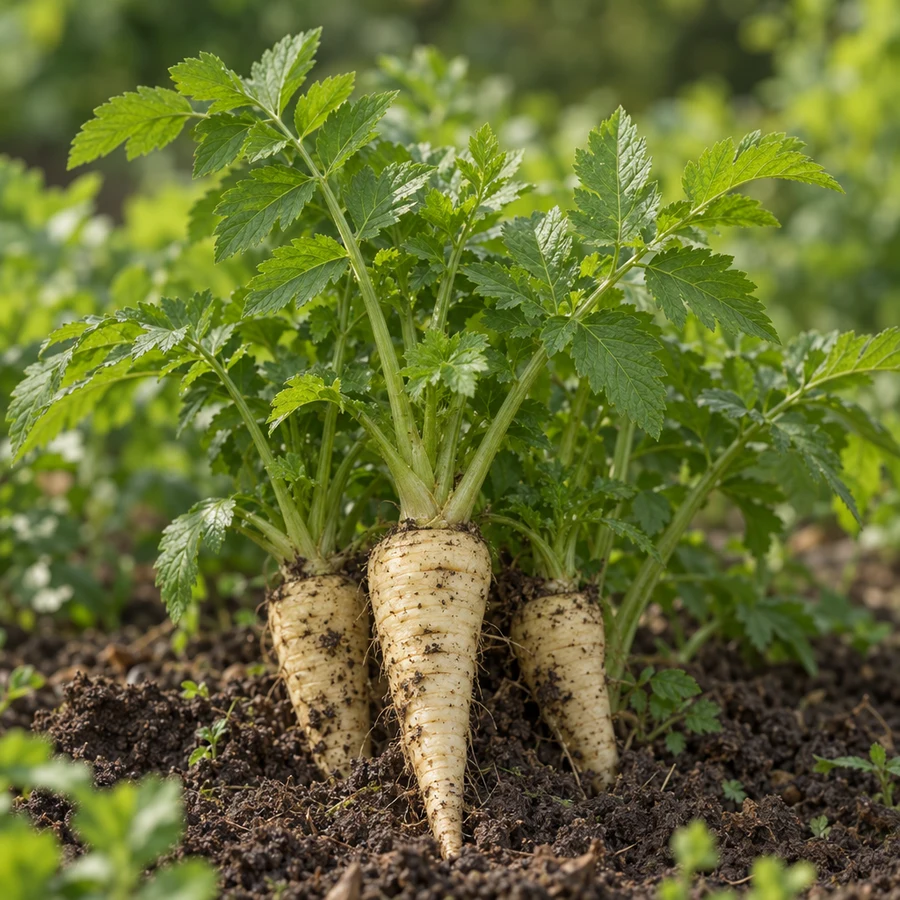
Parsnips are the slow, patient crop of the vegetable bed. You sow them in spring, leave them to get on with it all summer, and lift them once a few frosts have turned their starch to sugar. The reward is a sweet, nutty root for the cold months, when little else is coming out of the ground.
Recent community discussions
No one has talked about Parsnips yet. Be the first.
At a glance
| Plant type | Root vegetable |
| Botanical name | Pastinaca sativa |
| Annual or perennial | Biennial, grown as an annual |
| Sun | Full sun |
| Water | About 1 inch per week |
| Spacing | 4 to 6 inches |
| Planting depth | 1/2 inch |
| Days to germinate | 14 to 28 |
| Days to maturity | 100 to 130 |
| Best USDA zones | 3 to 10 (spring-sown in 3 to 8, fall-sown in 8 to 10) |
| Soil pH | 6.0 to 7.0 |
Is it parsnips weather where you are? See everything to plant this month or read your zone notes.

Direct sow 2–4 weeks before last frost once soil is workable; needs 16–20 weeks to mature. In warm zones, sow in fall for winter harvest.

120–180 days; best after frost.

Zones 3–9, late fall?early winter (Oct?Nov), best after frost; in some climates overwinter in soil until spring.

Deep, loose sandy loam, pH 6.0–7.0. Avoid heavy clay; stone-free soils ensure straight roots.
Pests to watch for



Diseases
Mateo is researching the diseases that affect this plant.
A little history
Parsnips come from Europe and western Asia. They were probably known to the Romans, though old Latin writers used one word for both parsnips and carrots, so it's hard to be sure. In later centuries they were a staple winter food in Europe, until the potato took their place.
When to sow in your zone
Spring: Sow outdoors as soon as the soil can be worked, 2 to 4 weeks before the last frost. This is the main sowing in zones 3 to 8.
Fall: In zones 8 to 10, where summers are hot and winters mild, sow in fall instead and lift the roots in late winter or spring.
By zone (rough guide):
- Zones 3 and 4: late April to May.
- Zone 5: mid April to May.
- Zone 6: late March to April.
- Zone 7: March to early April.
- Zone 8: February to March, or September for a spring lift.
- Zone 9: September to November.
- Zone 10: October to December.
- Zone 11: too warm for good roots; try carrots instead.
Not sure of your zone? Start at the zone hubs or use the What to Plant tool with your ZIP code.
Growing it, step by step
From seed
Parsnip seed doesn't keep, so buy fresh each year. Keep the soil surface damp until the seedlings show, which can take up to 4 weeks. A board or a strip of burlap over the row holds moisture in; lift it as soon as you see green. Thin to the spacing in the table once the seedlings have a few true leaves (see thinning seedlings).
Moving it outside
Don't transplant. The taproot forks if it's disturbed, so parsnips are always sown where they'll grow.
Water
Keep the soil evenly moist. Dry spells followed by a soaking can crack the roots.
Mulch
Add 2 to 3 inches of mulch after thinning to keep moisture in and weeds down.
Feeding
Mix in well-rotted compost before sowing. Avoid fresh manure and too much nitrogen, which cause forked, hairy roots.
Keeping it happy
Loosen the bed 12 to 18 inches deep before sowing and pick out stones: loose, stone-free soil helps the roots grow straight. Weed gently by hand while the seedlings are small, since they're slow and easily crowded out.
Skin warning: Parsnip leaves and stems hold a sap that can cause a rash or blisters on skin in bright sun. Wear gloves and long sleeves when you thin, weed or lift on a sunny day, and wash any sap off with soap and water.
Wild parsnip: The same plant grows wild along roadsides and in ditches in much of the US, with tall stems and flat, yellow flower heads in summer. Its sap is far stronger and can cause painful burns and blisters that last for weeks. Don't handle it bare-handed, and don't let it grow near your garden.
Trouble in the bed
Pests
- Carrot rust fly: Its maggots tunnel into the roots. Use row cover from sowing and rotate beds.
- Parsnip webworm: Caterpillars spin webs in the flower heads of second-year plants and eat the seeds. Mostly a problem for seed savers; pick off webbed heads.
- Parsnip leafminer: Larvae make pale tunnels in the leaves in early summer. Usually harmless; pick off badly mined leaves.
- Black swallowtail caterpillars (parsleyworms): Green with black bands and yellow dots. A few do little harm. Hand-pick them, or move them to some dill, fennel or parsley you can spare, and you'll have butterflies later.
- Aphids: Rinse off with a jet of water or use insecticidal soap.
Diseases
- Canker (sore head): Rusty brown patches on the shoulders of the root, often after root damage. Rotate crops, keep soil well drained, and grow canker-resistant varieties.
- Leaf spots and powdery mildew: Spotted or white-dusted leaves, worst in late summer. Space plants well and clear up old leaves.
- Root and crown rots: Come with wet, heavy soil. Improve drainage before sowing.
- Aster yellows: Spread by leafhoppers; plants turn yellow and stunted with hairy roots. Pull and throw away affected plants.
- Root-knot nematode: Tiny soil worms that knot and fork the roots. Rotate with crops they don't favor.
A crop rotation plan and a fall clean-up prevent most of these.
Good neighbors





Good: Radishes, onions, garlic and peas. Radishes sown in the same row come up fast and mark where the slow parsnips are.
Avoid: Carrots and celery in the same bed; they share pests and diseases.
Seeds that grow well in your area in November
Affiliate links — shopping through these helps keep Evening Vines free. PhloxSeeds
 Royal Mix
 Johnny Jump Up
 Organic Cat Grass
Varieties worth growing
- Hollow Crown: An old, reliable type with smooth white roots.
- Harris Model: Long, smooth, sweet roots.
- Gladiator: A hybrid with good canker resistance.
- Cobham Improved Marrow: Tapered roots with a sweet flavor.
Picking notes
Dig after a few hard frosts for the sweetest roots, loosening the soil beside the row with a fork first so they don't snap. Fall harvest usually runs from October into winter.
Roots can also stay in the ground through winter under a thick mulch (see leave root crops in the ground). Lift them in early spring before new tops start to grow, or they turn woody. In zones 8 to 10, fall-sown parsnips are ready in late winter and spring.
Saving seed for next year
Parsnips flower in their second year, so leave a few of your best roots in the ground over winter, or replant them in spring. Insects pollinate the flowers, and parsnips cross with other varieties and with wild parsnip, which is the same species. To keep seed true, let only one variety flower, and keep it well away from other flowering parsnips, wild ones included: seed growers suggest anything from about 1,000 feet to a mile. If that isn't possible, cover the flower heads with insect netting. Let a good number of plants flower (20 or so) to keep the variety healthy. Cut the heads when the seeds turn brown and dry, and sow them the next spring, since the seed loses its life quickly. See saving seeds from your garden.
From garden to table
Parsnips give fiber, vitamin C and potassium. Roast them, mash them with butter, or add them to soups and stews.
Questions from the potting bench
Why is germination so poor? Usually old seed or soil that dried out. Use fresh seed and keep the row damp until the seedlings appear.
Why are my roots forked? Stones, compacted soil, fresh manure or too much nitrogen.
Are parsnips sweeter after frost? Yes. A few weeks of near-freezing weather turns starch into sugar.
Grower reports
How did Parsnips do in your garden? Members rate it and say which zone and month they planted, so everyone can see what works near them.
Recent community discussions
No one has talked about Parsnips yet. Be the first.
Essentials for Growing Parsnips
 Grow Bags
Breathable fabric pots: grow almost anything on a patio, balcony or driveway, and roots never circle.
See it →
 Garden Hand Tools
Trowel, transplanter and cultivator: the three tools you reach for most.
See it →
 Plant Labels
Waterproof markers so you know what's coming up where.
See it →
 Soaker Hose
Waters the roots slowly, not the leaves: less disease, less water, less work.
See it →
 Organic Fertilizer
Slow-release organic plant food for vegetable beds and containers.
See it →
 Watering Can
Long-spout can for gentle watering of seedlings and pots.
See it →
