
Peanuts
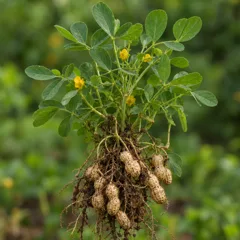
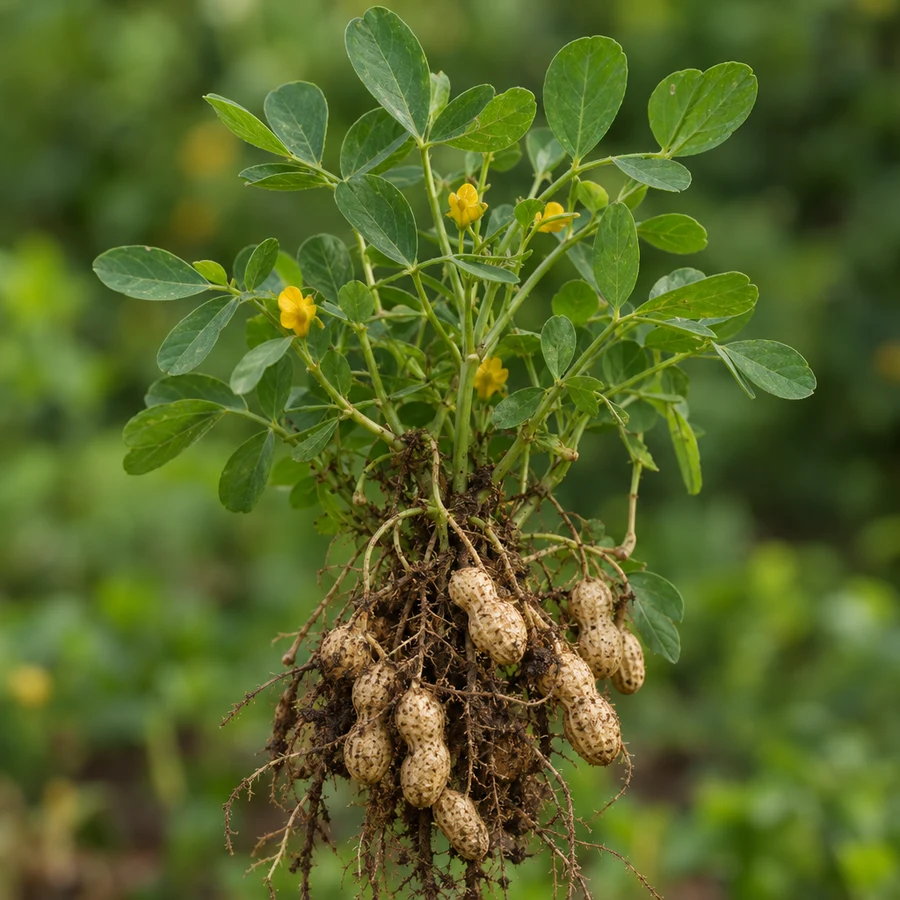
Peanuts are one of the strangest and most fun crops in the garden. The plant looks like a low, bushy bean with small yellow flowers. After each flower is pollinated, its stalk bends down, pushes into the soil, and the peanut forms underground. Children love digging them up, and a fresh peanut, boiled or roasted from your own garden, tastes nothing like a bag from the store.
Peanuts aren't nuts at all. They are legumes, related to green beans and edamame, and like them they fix their own nitrogen. What they need is heat: a long, warm summer and loose soil the pegs can push into.
Allergy warning: Peanut allergy can be severe. Anyone with a peanut allergy should avoid handling the seed, shells and dust from the harvest, not just eating the nuts.
Recent community discussions
No one has talked about Peanuts yet. Be the first.
At a glance
| Plant type | Warm-season vegetable (legume) |
| Botanical name | Arachis hypogaea |
| Annual or perennial | Annual |
| Sun | Full sun, 8 hours or more |
| Water | About 1 inch per week, most important while pods fill; stop 1 to 2 weeks before harvest |
| Spacing | 4 to 6 inches apart (about 5 seeds per foot), rows 20 to 36 inches apart |
| Planting depth | 2 to 3 inches in sandy soil, 1.5 to 2 inches in heavier soil |
| Days to germinate | 7 to 14 in warm soil |
| Days to maturity | 90 to 110 for green boiling peanuts; 110 to 150 for dry roasting peanuts, depending on type |
| Best USDA zones | 6 to 11; zone 5 with a fast type started indoors |
| Soil pH | 5.8 to 6.5 |
Is it peanuts weather where you are? See everything to plant this month or read your zone notes.
Pests to watch for


Diseases

A little history
Peanuts come from South America. Their wild ancestors grow in the region around southern Bolivia and northern Argentina, and archaeologists have found peanut remains in Peru that are several thousand years old. By the time Europeans arrived, peanuts were grown across much of South America, Central America and Mexico.
Spanish and Portuguese traders carried them to Africa, Asia and Europe in the 1500s. Peanuts reached the American South partly through the slave trade, and for a long time they were a small garden crop. In the early 1900s, George Washington Carver at Tuskegee Institute urged Southern farmers to grow peanuts to rest soil worn out by cotton, and promoted hundreds of uses for them. Today peanuts are a major crop in Georgia, Alabama, Florida, the Carolinas, Virginia and Texas, and in Queensland and northern New South Wales in Australia.
When to sow in your zone
Peanuts are frost tender and the seed rots in cold, wet soil. Wait until the soil is at least 65 to 70°F at planting depth, usually 2 to 5 weeks after your last frost.
Spring (zones 6 to 10): Sow outdoors once the soil is warm. In the South this is usually April to May, a little earlier in Florida and the Gulf Coast. Early May is ideal in much of the Southeast. In frost-free gardens (zones 10b and 11), sow from March to May. Seed sown after early June may not have time to make dry peanuts before fall, though it can still give green peanuts for boiling.
Short seasons (zones 5 to 6, Canada): Choose a fast Spanish or Valencia type and start seed indoors 3 to 4 weeks before your planting date (2 to 3 weeks after your last frost), in deep paper or peat pots. Set out after the soil warms and cover the bed with black plastic or a row cover to add heat. Gardeners in the warmest parts of southern Ontario can grow peanuts this way, though yields are smaller than in the South. The prairies and the BC coast are generally too cool or too short-seasoned for a worthwhile crop outdoors.
Cool summers (UK and Ireland): Summers are usually too cool outdoors. Start seed indoors in late spring and grow the plants in a greenhouse or polytunnel, in a border or a wide, deep container at least 12 inches deep. Expect a small but fun crop.
Australia: In subtropical and frost-free areas, sow from September to November. In the tropical north, sow from September to November too, watering until the wet season arrives. In temperate southern areas, wait until the soil warms in mid to late spring, a few weeks after the last frost; a warm, sunny bed or a greenhouse helps in cooler districts.
Growing it, step by step
Choosing seed
Plant raw peanuts, never roasted or salted ones. Seed peanuts from a garden catalog are best, since they are bred for gardens and haven't been heated. Grocery store raw peanuts sometimes grow but often don't. You can plant them in the shell or shelled; shelled seed comes up faster, but handle it gently and keep the thin red or tan skin on.
Soil and sun
Full sun and loose, sandy or loamy soil that drains well. The pegs have to push into the ground and the pods form there, so hard clay gives a poor crop. Work in compost to loosen heavy soil, or grow peanuts in a raised bed. Avoid rich, high-nitrogen soil, which gives lots of leaves and few pods.
Calcium
Peanuts take calcium straight from the soil around the pods, not through the roots. Low calcium gives empty pods ("pops"), especially in sandy soil. If a soil test shows your calcium is low, lime the bed before planting if the pH is also low, or side-dress with garden gypsum when the plants start to flower.
Planting
Sow seeds 2 to 3 inches deep in sandy soil (shallower in heavier soil), about 4 to 6 inches apart, in rows 20 to 36 inches apart. A legume inoculant made for peanuts helps in beds where peanuts have never grown.
Containers
In cooler areas, a wide container at least 12 inches deep, or a half barrel, lets you grow a few plants in a greenhouse or a sunny, sheltered spot. Use a light, free-draining mix so the pegs can get in.
Keeping it happy
- Weeding: Keep the bed weeded while plants are small. Once pegs start going into the soil, stop hoeing under the plants so you don't break them off. Pull weeds by hand.
- Hilling and mulch: When plants are about a foot tall and starting to flower, loosen the soil around them and mulch with a light layer of straw or grass clippings. Loose, moist soil makes it easier for the pegs to bury themselves.
- Watering: Water steadily from flowering through pod fill, about 1 inch a week. Water the soil, not the leaves, to slow leaf spot. Ease off 1 to 2 weeks before harvest.
- Feeding: Peanuts make their own nitrogen. Mix compost into the bed before planting and skip high-nitrogen fertilizer.
- Rotation: Don't grow peanuts in the same spot more than once every 3 years, to cut down on soil diseases.
Trouble in the bed
Pests
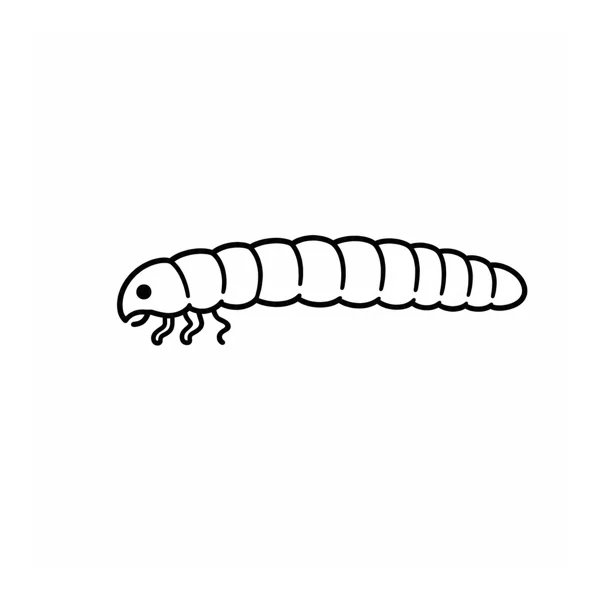
- Wireworms and root grubs: Feed on pods underground. They're worst in beds that were lawn or sod the year before, so avoid planting peanuts there first.
- Thrips: Tiny insects that scar young leaves and spread tomato spotted wilt virus, which stunts plants. Planting at the normal time rather than very early helps.
- Spider mites: Speckle leaves in hot, dry weather. Regular watering helps keep them down.
- Squirrels, crows and rodents: Dig up seed and pods. Netting at sowing time and a prompt harvest help.
Diseases
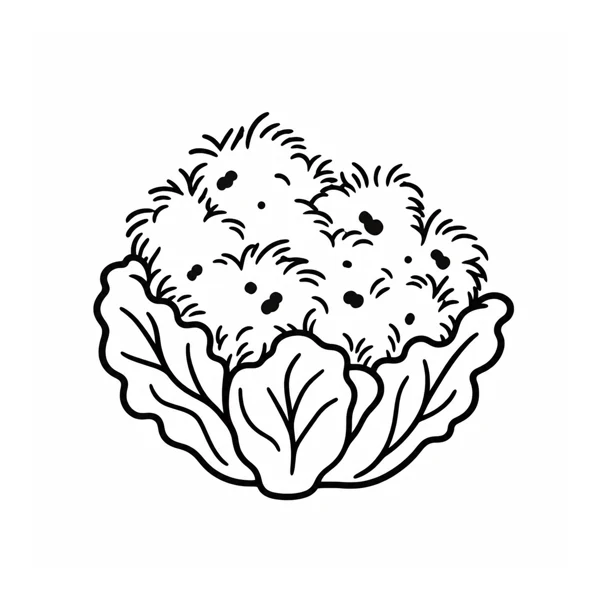
- Leaf spot: Brown to black spots on the leaves, sometimes with a yellow ring, that can strip the plant. Keep the leaves dry, rotate beds, and pull up old plants after harvest.
- White mold (southern stem rot): White threads and rot at the base of the stems in hot, humid weather. Rotate beds and don't pile soil or mulch against the stems late in the season.
- Root and pod rot: Worst in cold, wet or heavy soil. Wait for warm soil to sow and make sure the bed drains.
Good neighbors
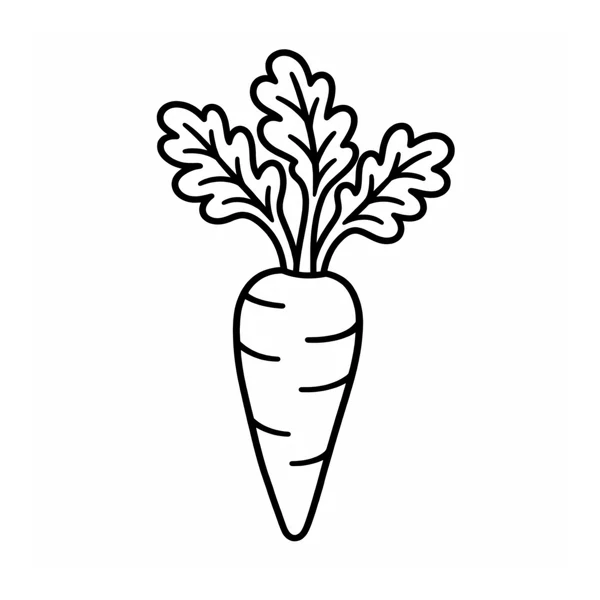


Good: Low crops that don't shade them, like carrots, cucumbers, potatoes planted nearby but not in the same bed, and marigolds to bring in helpful insects. Peanuts also make a good crop to follow heavy feeders like corn, since they leave some nitrogen behind.
Avoid: Tall crops that shade them, and onion-family plants like garlic, which tend to hold back legumes.
Seeds that grow well in your area in November
Affiliate links — shopping through these helps keep Evening Vines free. Smooth Blue Aster
 Polka Dot Mix
 Black-Eyed SusanSeeds
 ColumbineSeeds
Varieties worth growing
There are four main types. Spanish and Valencia types are the quickest and best for short seasons. Runner and Virginia types need a long, hot summer.
- Early Spanish: A fast, small-seeded Spanish type, about 100 to 110 days. One of the best choices for the North, Canada, and greenhouse growing in the UK and Ireland.
- Tennessee Red Valencia: Three or four sweet, red-skinned seeds per pod, about 110 to 120 days. Good for short seasons and excellent boiled.
- Georgia Red: A Valencia type with red skins, popular for boiling peanuts in the South.
- Carolina Black: An heirloom with near-black skins, about 120 days. Best in warm zones.
- Jumbo Virginia: The big ballpark peanut, about 130 to 150 days. Needs a long, hot summer, so it suits the South and warm parts of Australia.
Picking notes
Start checking about 2 weeks before the expected harvest date, when the leaves begin to yellow. Dig up one or two plants. Ripe pods are firm and well filled, and when you scrape the outside of the pod near the stem, the inner shell has turned dark brown to black. The inside of the shell darkens and the seeds take on full color as they ripen. Don't wait too long, or the pegs weaken and the pods break off and stay in the ground. Always dig before frost.
Loosen the soil with a garden fork and lift the whole plant. Shake off the soil and hang the plants, or lay them roots up, somewhere warm, dry and airy for 1 to 2 weeks. Then pull off the pods and let them dry for another 2 to 3 weeks before roasting or storing.
For boiled peanuts, dig earlier, while the pods are full but still soft, and cook them fresh without drying.
Saving seed for next year
Peanut flowers almost always pollinate themselves, so seed nearly always stays true to type. Save the biggest, best-filled pods from healthy plants, dry them well, and keep them in their shells in a cool, dry place out of reach of mice. Shell them just before planting next spring.
From garden to table
Peanuts are rich in protein, healthy fats, fiber, niacin, vitamin E and magnesium. Roast them in the shell, boil them fresh in salty water as people do across the South, or grind them into homemade peanut butter. Green peanuts are also used in curries, stews and sauces in African and Asian cooking.
Dry peanuts must be kept cool and dry. Moldy peanuts can carry aflatoxin, a harmful mold toxin, so throw away any pods or seeds that look moldy, shriveled or discolored.
Questions from the potting bench
Can I grow peanuts from store-bought peanuts? Only raw ones, and even those often don't sprout. Roasted or salted peanuts won't grow. Garden seed peanuts are much more reliable.
Can I grow peanuts in a cold climate? Yes, on a small scale. Pick a fast Spanish or Valencia type, start them indoors, and give them the warmest spot you have, a black plastic mulch, or a greenhouse.
Why are my peanut pods empty? Usually low calcium in the soil, or drought while the pods were filling. A soil test and gypsum at flowering help next year.
Why are there flowers but no peanuts? The pegs may not be getting into the soil. Keep the ground loose and moist around the plants, and don't hoe there once they start flowering.
Grower reports
How did Peanuts do in your garden? Members rate it and say which zone and month they planted, so everyone can see what works near them.
Recent community discussions
No one has talked about Peanuts yet. Be the first.
Essentials for Growing Peanuts
 Grow Bags
Breathable fabric pots: grow almost anything on a patio, balcony or driveway, and roots never circle.
See it →
 Seed Starting Tray
Reusable tray with a clear dome to give seeds a warm, humid start indoors.
See it →
 Garden Hand Tools
Trowel, transplanter and cultivator: the three tools you reach for most.
See it →
 Organic Fertilizer
Slow-release organic plant food for vegetable beds and containers.
See it →
 Watering Can
Long-spout can for gentle watering of seedlings and pots.
See it →
 Pruning Shears
Sharp bypass pruners for harvesting, deadheading and tidying.
See it →
