
Sage
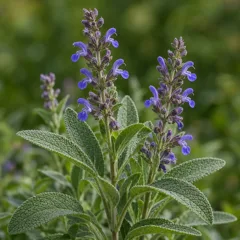
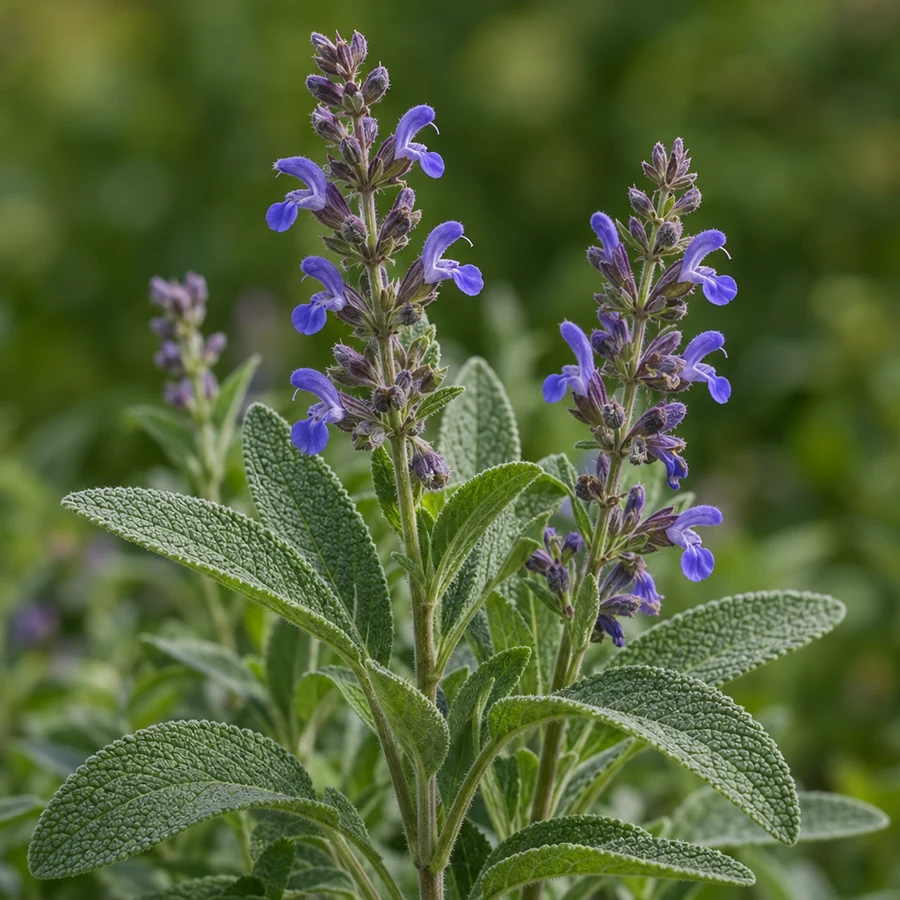
Sage is a woody herb with soft, gray-green, fragrant leaves. It is easy to grow in sun and well-drained soil. Bees love the purple flowers in early summer. This page is about culinary sage; for the ornamental kinds, see Salvia.
Recent community discussions
No one has talked about Sage yet. Be the first.
At a glance
| Plant type | Herb |
| Botanical name | Salvia officinalis |
| Annual or perennial | Perennial |
| Sun | Full sun |
| Water | Low once established |
| Spacing | 18 to 24 inches |
| Planting depth | 1/8 to 1/4 inch |
| Days to germinate | 10 to 21 days |
| Days to maturity | Light picking the first summer; full harvests from year two |
| Best USDA zones | Hardy in 4 to 8; grown in 9 to 10 with afternoon shade and sharp drainage |
| Soil pH | 6.0 to 7.0 |
Is it sage weather where you are? See everything to plant this month or read your zone notes.

Sow indoors 6–8 weeks before last frost or direct sow after frost. In Zones 8–10, sow in fall for spring growth.

Germinates in 10–21 days; 75–90 days; perennial.

Zones 4–10, June?Nov; in warm zones Feb?Oct; indoors year-round.

Well-drained, dry rocky or sandy soils, pH 6.0–7.5. Prefers drier, low-fertility conditions.
Pests to watch for




Diseases


A little history
Sage comes from the northern Mediterranean. People have used it in cooking and folk medicine for thousands of years.
When to sow in your zone
Spring: Start seeds indoors 6 to 8 weeks before your last frost (here's how to count back from last frost). Harden off the seedlings and plant out once frost danger has passed. In zones 4 to 6, spring is the only time to plant, so young sage has a full season to settle in before winter.
Fall: In zones 7 to 10, early fall is also a good time to set out young nursery plants. The soil is still warm, the roots settle in over the cool months, and the plant is ready to grow on in spring. Sow seed in spring, not fall.
When to plant sage where you live: enter your ZIP on our zone pages to see this month's list for your area.
Growing it, step by step
From seed
Sow shallowly at about 70°F. Seeds usually come up in 10 to 21 days, which is normal, but growing sage from seed is slow overall: young plants take most of their first summer to reach picking size. Cuttings or a nursery plant get you to the kitchen faster.
Moving it outside
Plant in a sunny spot with good drainage, 18 to 24 inches apart. Sage likes lean soil that is slightly acidic to neutral, pH 6.0 to 7.0.
Water
Water young plants weekly. Established plants need little water.
Mulch
Use gravel or a thin layer of straw kept off the crown.
Feeding
Little is needed. Too much fertilizer weakens flavor.
Tips for Your First Sage
- One healthy plant is plenty for most kitchens. Start with a single nursery plant if you want leaves this year.
- Wet winter soil kills more sage than cold does. If your ground stays soggy, plant it in a raised bed, on a slope, or on a low mound.
- Sage is hardy in the ground down to zone 4. Roots in a pot are less hardy than roots in the soil, so if you do grow it in a container in a cold area, move the pot to an unheated garage or shed for winter (more in keeping potted perennials alive through winter).
- Pinch the tips a few times in the first summer to make a bushier plant.
- Leave the stems standing over winter and do your main trim in spring, when new leaf buds show along the stems.
- Root a few cuttings in late spring so you have young plants ready when the old one gets woody.
Keeping it happy
Prune lightly in spring and after flowering, but do not cut into old bare wood, because it rarely sprouts again. Sage gets woody and sparse with age, so plan to replace plants every 3 to 5 years, ideally with your own rooted cuttings.
Trouble in the bed
- Root rot: Use fast-draining soil and avoid overwatering.
- Powdery mildew: Space plants and water at the base.
- Spider mites: Rinse leaves and avoid drought stress.
Good neighbors


Good neighbors by growing needs: Sage is happiest beside other sun-loving herbs that like dry, well-drained soil, such as Rosemary, Thyme, Lavender and Oregano. They can share a bed and the same light watering.
Keep apart: Cucumbers and other thirsty crops that need frequent watering. The steady moisture they want will rot sage roots.
Traditional pairings: Old garden lore puts sage next to carrots, tomatoes and cabbage-family crops. These are traditional pairings rather than tested advice, so treat them as optional.
Seeds that grow well in your area in November
Affiliate links — shopping through these helps keep Evening Vines free. Arugula Microgreens
 Organic Alfalfa
 Organic Wheatgrass
 Purple Coneflower
Varieties worth growing
- Berggarten: Broad, silvery leaves; rarely flowers.
- Purpurascens: Purple-tinged leaves.
- Tricolor: Leaves splashed with white, pink, and green.
- Icterina: Gold and green variegated leaves.
These named sages are grown from cuttings or bought as young plants, not from seed. Plain common sage is the one to grow from a seed packet.
Sage seeds to buy
Affiliate links — shopping through these helps keep Evening Vines free.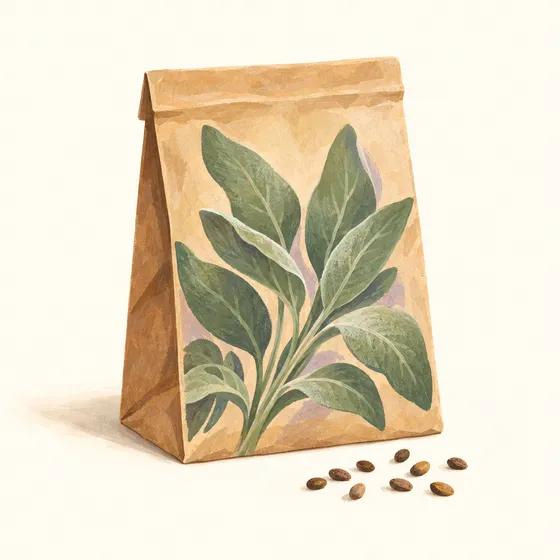 Purple Sage
Picking notes
In the first summer, pick a few leaves at a time once plants are about 6 inches tall. From the second year on, you can harvest freely, taking no more than one-third of the plant at once. Leaves are most flavorful from late spring into early summer, around flowering time. In mild zones sage keeps its leaves all year, so you can pick a little through winter. In colder zones, stop heavy cutting about 6 weeks before your first fall frost so new growth can toughen up. Dry bundles in a warm, shady spot (see drying herbs for winter).
Saving seed for next year
Let flower spikes dry on the plant, then rub out the seeds. Store cool and dry. Named varieties do not come true from seed; use cuttings.
From garden to table
Sage flavors sausage, stuffing, brown butter, and roasted vegetables. Safety: common sage contains thujone, so avoid very large amounts or strong daily tea, especially in pregnancy.
Questions from the potting bench
When should I plant sage? In spring after your last frost everywhere, and also in early fall in zones 7 to 10. Check your area on the zone pages.
Why is my sage woody? It ages. Prune lightly each spring and replace it every 3 to 5 years.
Can I grow it in pots? Yes, in a pot with drainage holes and gritty mix. See planting a herb container. Potted roots are less hardy than roots in the ground, so in zones 4 to 6 move the pot somewhere sheltered and unheated for winter.
Does it survive winter? Yes, in the ground in zones 4 to 8. In zones 9 and 10 it stays green through winter but struggles in hot, humid summers, so give it afternoon shade and sharp drainage.
Grower reports
How did Sage do in your garden? Members rate it and say which zone and month they planted, so everyone can see what works near them.
Recent community discussions
No one has talked about Sage yet. Be the first.
Seeds to try
Affiliate links — shopping through these helps keep Evening Vines free.Essentials for Growing Sage
 Grow Bags
Breathable fabric pots: grow almost anything on a patio, balcony or driveway, and roots never circle.
See it →
 Seed Starting Tray
Reusable tray with a clear dome to give seeds a warm, humid start indoors.
See it →
 LED Grow Light
Full-spectrum light for sturdy seedlings through short winter days.
See it →
 Pruning Shears
Sharp bypass pruners for harvesting, deadheading and tidying.
See it →
 Watering Can
Long-spout can for gentle watering of seedlings and pots.
See it →
 Organic Fertilizer
Slow-release organic plant food for vegetable beds and containers.
See it →
