
Strawberries
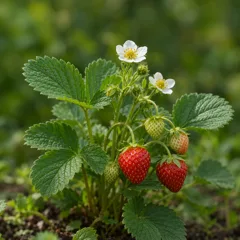
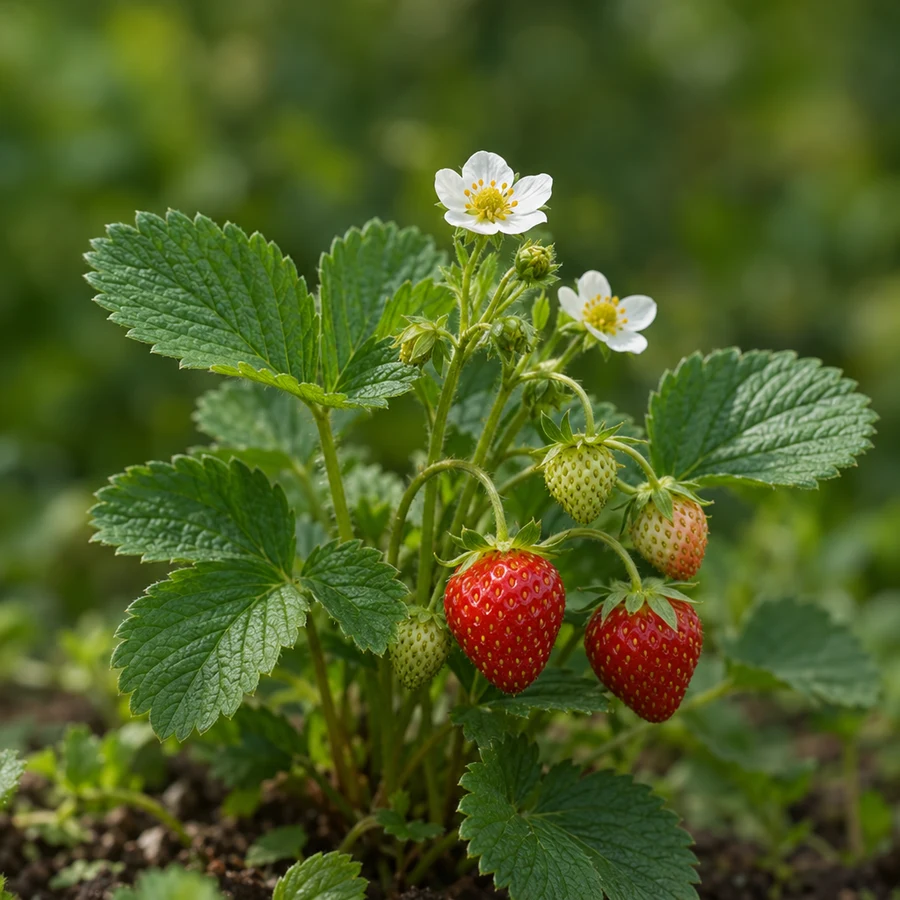
A home-grown strawberry, picked warm and fully red, tastes nothing like the firm, pale berries shipped across the country. Strawberries are low, tidy plants that fit in a bed, a raised box, a strawberry pot or a hanging basket. They are self-fertile, so you don't need a partner variety, and bees do most of the pollinating. A bed crops well for about three years, then you start fresh with young plants, which the old ones make for you on their runners.
Recent community discussions
No one has talked about Strawberries yet. Be the first.
At a glance
| Plant type | Fruit (low perennial) |
| Botanical name | Fragaria × ananassa (alpine strawberry: Fragaria vesca) |
| Annual or perennial | Perennial; grown as a winter annual in hot-summer and frost-free areas |
| Sun | Full sun, at least 6 hours and ideally 8 or more |
| Water | About 1 inch per week, more in pots and while fruit swells |
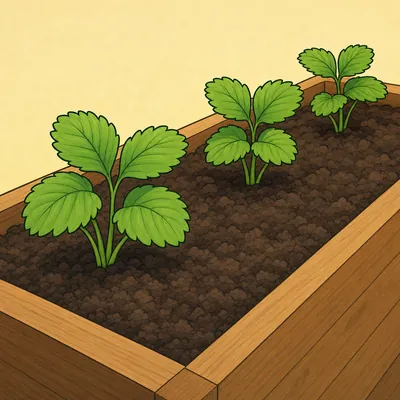
| Spacing | 18 to 24 inches apart in rows 3 to 4 feet apart (matted rows); 12 inches apart for day-neutrals; about 8 inches in pots |
| Planting depth | Crown level with the soil surface, roots fully buried |
| Days to germinate | Usually planted as crowns or potted plants; alpine strawberry seed sprouts in about 1 to 4 weeks |
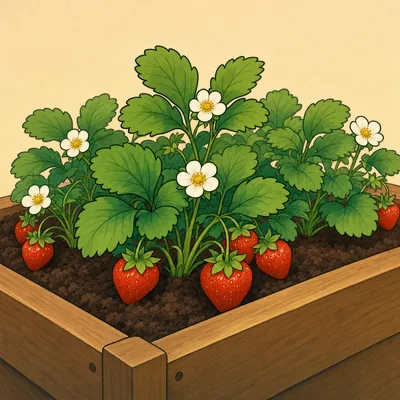
| Days to maturity | June-bearers: the summer after planting (about a year). Day-neutrals: about 3 months after planting |
| Best USDA zones | 3 to 8 as a perennial; 9 to 10 as a fall-planted winter crop |
| Soil pH | 5.8 to 6.5 |
From planting to harvest
Is it strawberries weather where you are? See everything to plant this month or read your zone notes.
Pests to watch for

Diseases
A little history
People in Europe gathered small wild strawberries for centuries, and the alpine strawberry was grown in gardens long before the big berry existed. The modern strawberry is a hybrid of two American species. The Virginia strawberry from eastern North America reached Europe in the 1600s. The Chilean strawberry, larger but less hardy, was carried from Chile to France in 1714 by a French officer, Amédée-François Frézier. Planted near each other in French gardens, the two crossed. In 1766 the young French botanist Antoine Nicolas Duchesne worked out that this new berry was a cross between the two, and its scientific name, ananassa, refers to its pineapple-like scent. The first American variety from a planned cross, 'Hovey', came from Massachusetts in 1834.
When to sow in your zone
Strawberries go in as plants, not seed, and the timing depends on how cold your winters are and how hot your summers get.
Early spring (zones 3 to 8): Plant dormant bare-root crowns as soon as the soil can be worked, a few weeks before your last frost. Potted plants can go in a little later, once frost danger has passed. This is the main planting time in cold zones and the Canadian prairies.
Late summer to early fall (zones 5 to 8): Potted plants and rooted runners set out from late summer root in before winter and give a full crop the next summer. In cool maritime climates like the UK and Ireland, late summer to early autumn is often the best time of all.
Fall for a winter crop (zones 9 to 10): In Florida, the Gulf Coast, southern California and similar mild areas, strawberries are planted in fall and grown as a cool-season annual. Florida's extension service gives mid-September to mid-October in the north of the state, late September to late October in central Florida, and October through November in the south. Berries come from about December or January into spring, and the plants are pulled when summer heat arrives. Subtropical Australia follows the same pattern in autumn, while the cooler, frosty south of Australia goes by the frost-based timings above: dormant runners in late winter to early spring, potted plants in late summer to early autumn.
November in the garden: In zones 9 to 10 there is still time to plant. In colder zones, it's time to tuck the bed in for winter with straw once the plants are dormant (see Care and Maintenance).
Growing it, step by step
Choosing plants
Buy certified disease-free plants from a nursery rather than taking runners from an old patch, which can carry viruses and root diseases. Pick the type that fits your plans. June-bearers (called summer-fruiting in the UK) give one big crop in early summer. Everbearers give a crop in early summer and another in late summer or fall. Day-neutrals flower and fruit in flushes all season as long as it isn't too hot.
Picking the spot
Give strawberries full sun and soil that drains well. Raised beds help on heavy clay. Avoid a spot where tomatoes, potatoes, peppers, eggplant or raspberries grew in the last few years, because they can leave verticillium wilt in the soil, and it lingers for years. Low frost pockets are a poor choice too, since spring frost kills open blossoms.
Preparing the soil
Dig in plenty of compost and weed thoroughly before planting, especially perennial grasses. Weeds are the biggest problem in an established strawberry bed. Aim for a pH of about 5.8 to 6.5; a soil test tells you whether you need lime or sulfur, and both take months to work.
Planting
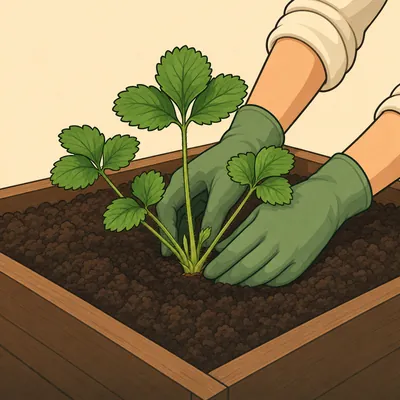
Spread the roots in a fan in a hole deep enough to hold them without bending. Set the crown, the short thick stem where the leaves meet the roots, exactly at soil level. Too deep and it rots; too high and the roots dry out. Firm the soil and water well.
Growing in a pot
Strawberries do well in containers, hanging baskets and strawberry pots, and in pots they stay clear of slugs and soil diseases. Use a pot at least 12 inches across with drainage holes and a good potting mix. Day-neutrals and alpines are the best choices for pots. Containers dry out fast, so check them daily in summer. Potted plants need winter protection in cold zones; sink the pot in the ground or move it to an unheated garage.
Water
Strawberries have shallow roots and need about an inch of water a week, most of all while fruit is swelling. Water at the base, early in the day, with a soaker hose or drip line if you can. Wet leaves and berries invite gray mold.
Mulch
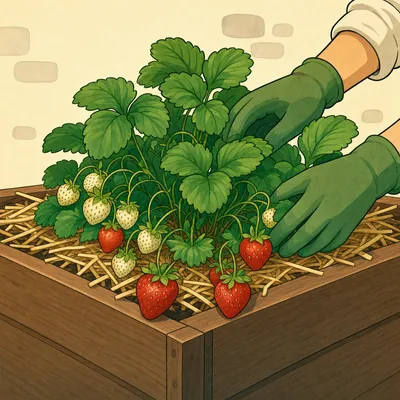
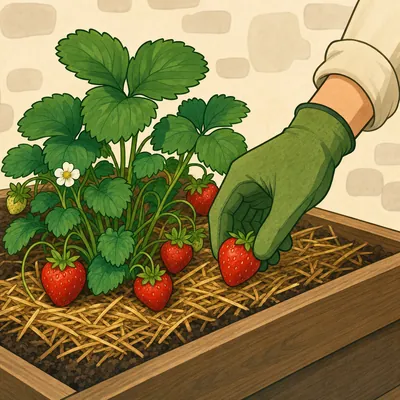
A layer of straw or pine needles under the plants keeps berries off the soil, holds moisture and smothers weeds. This is where the name strawberry is often said to come from, though no one knows for sure.
Feeding
Feed lightly. A balanced fertilizer at planting and again after harvest (for June-bearers) is enough. Day-neutrals like small feedings through the season. Too much nitrogen in spring gives soft, leafy plants and berries that rot.
Keeping it happy
First-year flowers: On June-bearers planted in spring, pinch off the flowers the first year. It feels wasteful, but it lets the plants build roots and runners for a much bigger crop the next summer. On day-neutrals and everbearers, pinch off flowers for the first few weeks after planting, then let them fruit.
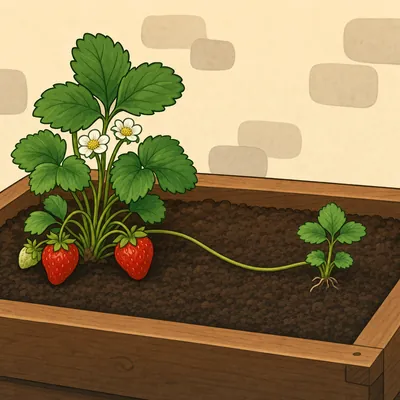
Runners: June-bearers send out runners that root into new plants. Let a few fill the row, and snip off the rest. Day-neutrals make fewer runners; remove most of them so the plant puts its energy into fruit.
Renovation: Right after June-bearers finish fruiting, mow or cut the old leaves off about an inch above the crowns, rake them away, thin the row back to 12 inches or so wide, pull weeds, and feed. New leaves come back within a few weeks and set next year's flower buds.
Winter protection: In zones 3 to 7, cover the bed with 4 to 6 inches of clean straw once plants are dormant, after a few hard frosts and temperatures staying below about 40°F. Rake it off the crowns in spring when growth starts, and leave it between the rows. Keep row cover handy for spring nights when frost threatens the blossoms; a frosted flower shows a black center and won't make a berry.
Replanting: A bed usually crops well for three or so years, then yields drop and disease builds up. Start a new bed with fresh plants in a different spot.
Trouble in the bed
- Gray mold (botrytis): Fuzzy gray rot on berries, worst in wet, crowded beds. Space plants well, mulch, water at the base, and pick off rotting fruit.
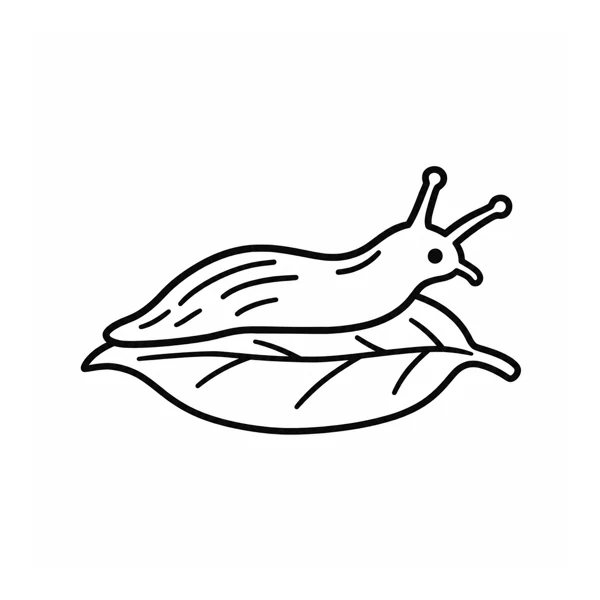
- Slugs and snails: Round holes eaten into ripe berries, often overnight. Hand-pick in the evening, use traps, and keep the bed tidy.
- Tarnished plant bugs: Their feeding makes small, hard, seedy, misshapen berries. Keep weeds down nearby, as the bugs breed in weedy edges.
- Spider mites: Speckled, bronzed leaves in hot, dry weather, common on potted plants. Hose the undersides of the leaves.
- Verticillium wilt and root rots: Plants wilt and collapse. Buy clean plants, choose resistant varieties, and rotate away from tomato-family crops.
- Powdery mildew and leaf spots: Leaves curl upward with a white coating or show purple-edged spots. Choose resistant varieties and remove old leaves at renovation.
- Birds and squirrels: Net the bed as berries color.
- Vine weevil (black vine weevil): The grubs eat the roots of strawberries, especially in pots, in North America, the UK, Ireland and Australia. A collapsing pot plant with C-shaped white grubs in the compost is the sign.
Good neighbors
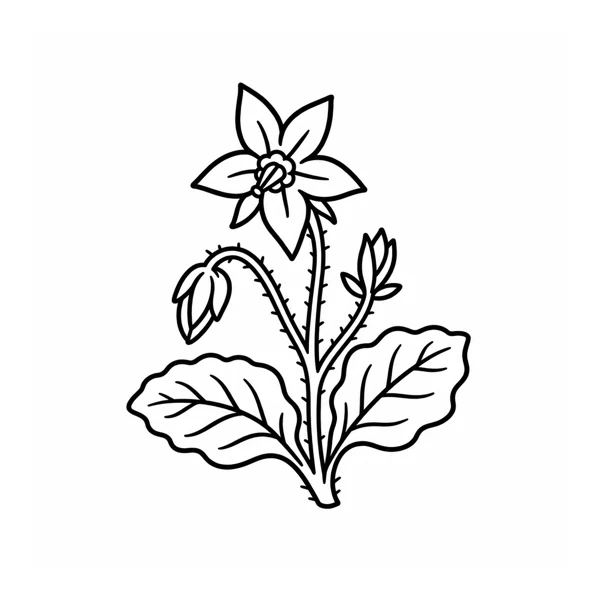




Good: Borage draws bees to the flowers. Low thyme, chives and onions fit along the bed edges, and quick crops like lettuce and spinach can share the space in a new bed before the runners fill in.
Avoid: Planting where tomatoes, potatoes, peppers or eggplant grew recently. They share verticillium wilt with strawberries. Keep sprawling crops like cabbage away too, as they shade the low plants.
Seeds that grow well in your area in November
Affiliate links — shopping through these helps keep Evening Vines free. Royal Mix
 Johnny Jump Up
 Organic Cat Grass
 Arugula Microgreens
Varieties worth growing
June-bearing, cold-hardy (zones 3 to 6, Canada and the northern US):
- Honeoye: Early, large, bright red and productive. A long-time favorite in the North and also grown in the UK.
- Annapolis: An early berry from Agriculture and Agri-Food Canada's Kentville station; hardy and reliable.
- Kent: Another Kentville variety, long one of the most widely planted strawberries in eastern Canada. Big crops of large berries.
- Cavendish: Kentville-bred, hardy, with good resistance to red stele root rot.
- Jewel: Late season, firm, glossy and full-flavored.
- Earliglow: Among the earliest to ripen, with excellent flavor and good disease resistance. Plants
Day-neutral and everbearing:
- Seascape: Fruits from early summer into fall and is one of the hardier day-neutrals; in zones 3 and 4 it needs a good straw mulch to come through winter, and it can get mildew. Plants
- Albion: A California day-neutral with long, firm, very sweet berries; best in mild summers.
- Tristar: A small, sweet day-neutral, good in pots and baskets.
- Ozark Beauty: An old everbearer with two crops, early summer and late summer.
Cool maritime summers (UK and Ireland):
- Cambridge Favourite: A dependable mid-season summer-fruiter.
- Florence: A late summer-fruiter with dark, firm berries and good disease resistance.
- Finesse: A perpetual (everbearing) type that fruits from early summer to early autumn.
Hot summers and winter crops (southern US and Australia):
- Florida Brilliance and Sweet Sensation: Bred in Florida for fall planting and winter berries.
- Camarosa and Chandler: Short-day types grown as winter annuals across the South and in California.
- Festival: A Florida-bred short-day berry, long a leading variety in Queensland, planted in autumn.
- Red Gauntlet: A long-standing home-garden variety in Australia, best in cooler areas.
Alpine strawberries (Fragaria vesca): Small, intensely fragrant berries on runnerless clumps that take some shade. Mignonette and Alexandria are red; Yellow Wonder has pale yellow berries the birds tend to leave alone. They come true from seed.
Strawberries plants to buy
Affiliate links — shopping through these helps keep Evening Vines free.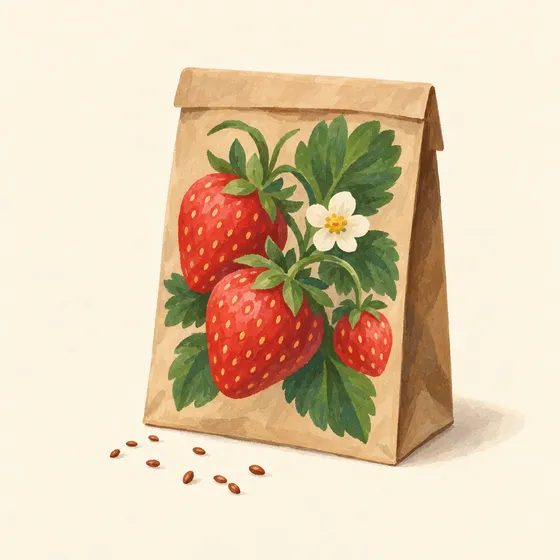 Seascape
Picking notes
June-bearers ripen over about three weeks in late spring or early summer. Day-neutrals and everbearers give smaller pickings through summer into fall, and winter-annual plantings in the South crop from about December to spring. Pick every day or two when berries are fully red all over, with the green cap attached; pinch the stem rather than pulling the berry. Strawberries don't ripen further after picking. Keep them cool and dry and wash them only just before eating, because they spoil in a few days.
Saving seed for next year
Not practical for garden strawberries. They are hybrids and seedlings won't match the parent. Keep a variety going by rooting runners instead: in late summer, pin a runner's plantlet into a small pot of compost beside the parent and cut it free once it has rooted. Alpine strawberries are the exception and come true from seed, though the seeds are tiny and slow.
From garden to table
Strawberries are an excellent source of vitamin C. USDA figures for raw strawberries are about 59 mg of vitamin C, 2 grams of fiber and 32 calories per 100 grams, a little over half a cup. Eat them fresh, slice them over cereal or shortcake, freeze them for smoothies, or cook them into jam. Frozen berries go soft when thawed but are fine for cooking.
Questions from the potting bench
Why are my strawberries small and misshapen? Usually poor pollination, frost on the blossoms, or tarnished plant bugs feeding on young fruit. Keep weeds down and cover the plants on frosty spring nights.
Do I need two kinds of strawberry plants? No. Strawberries are self-fertile, so one variety crops on its own.
How long does a strawberry bed last? Around three years of good crops. After that, start a fresh bed in a new spot with clean plants or rooted runners.
Can I grow strawberries in Florida or other hot areas? Yes, as a winter crop. Plant in fall, pick from winter into spring, and pull the plants when summer heat sets in. Choose short-day varieties bred for warm climates, not everbearers.
Grower reports
How did Strawberries do in your garden? Members rate it and say which zone and month they planted, so everyone can see what works near them.
Recent community discussions
No one has talked about Strawberries yet. Be the first.
Plants to try
Affiliate links — shopping through these helps keep Evening Vines free.Essentials for Growing Strawberries
 Grow Bags
Breathable fabric pots: grow almost anything on a patio, balcony or driveway, and roots never circle.
See it →
 Insect Netting
Fine mesh that keeps cabbage worms, flea beetles and birds off your crops, no sprays needed.
See it →
 Organic Fertilizer
Slow-release organic plant food for vegetable beds and containers.
See it →
 Pruning Shears
Sharp bypass pruners for harvesting, deadheading and tidying.
See it →
 Soaker Hose
Waters the roots slowly, not the leaves: less disease, less water, less work.
See it →
 Garden Hand Tools
Trowel, transplanter and cultivator: the three tools you reach for most.
See it →
