
Sweet Potatoes
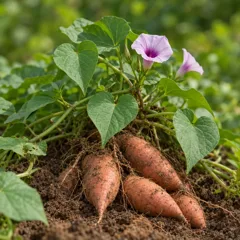
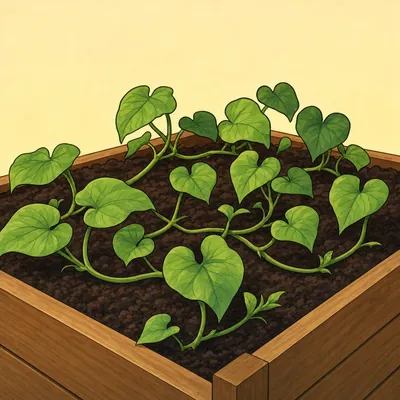
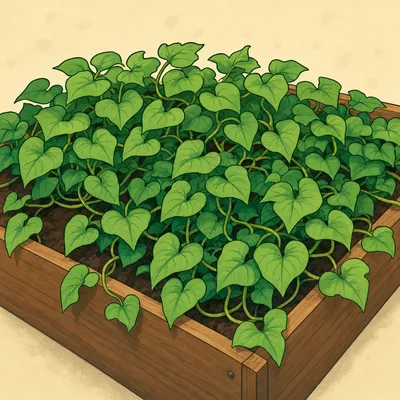
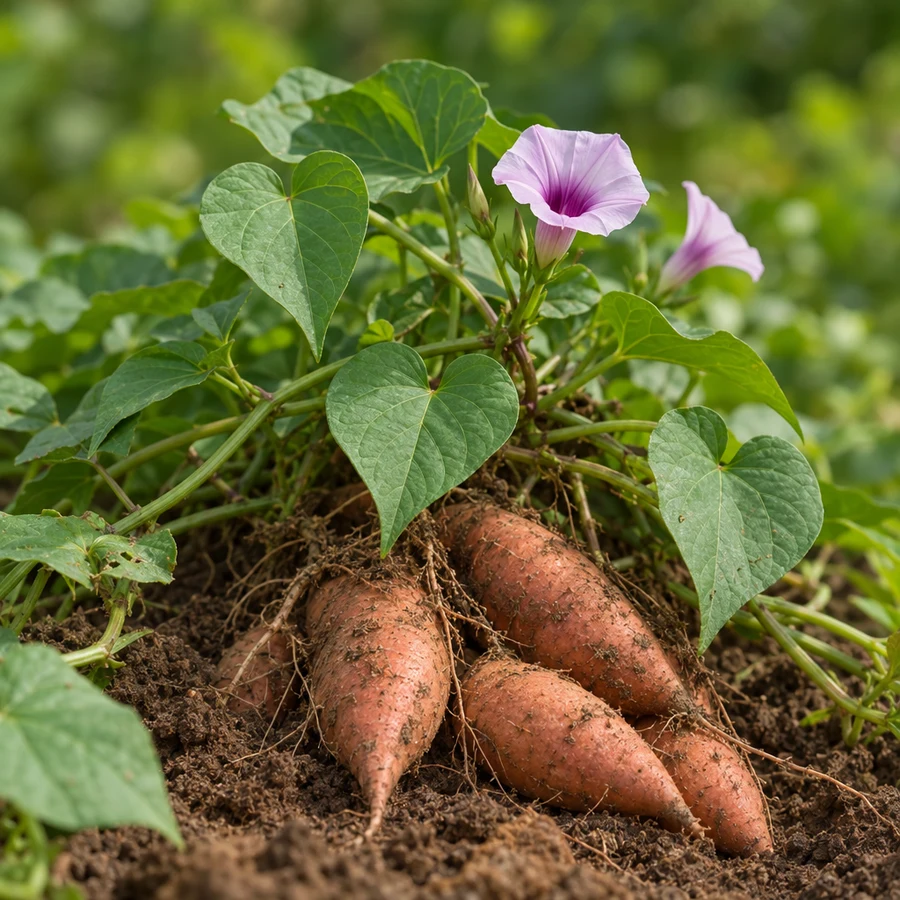
Sweet potatoes are heat-loving trailing vines with heart-shaped leaves that make thick, sweet storage roots under the ground. Flesh can be orange, white, yellow, or purple. The vines run 6 to 10 feet, so give them room or a trellis.
Only in frost-free gardens (zones 10 to 11, and sometimes the warmest corners of 9b) do they carry on as perennials. Everywhere else they're a summer crop: plant slips once the soil is warm and dig before the first fall frost. You need 90 to 120 warm, frost-free days. In short-season areas, pick a quick variety and warm the soil with black plastic or raised beds.
Recent community discussions
No one has talked about Sweet Potatoes yet. Be the first.
At a glance
| Plant type | Root vegetable (vining) |
| Botanical name | Ipomoea batatas |
| Annual or perennial | Tender perennial, grown as an annual |
| Sun | 6 to 8 or more hours of full sun |
| Water | About 1 inch per week; ease off 3 to 4 weeks before harvest |
| Spacing | 12 to 18 inches |
| Planting depth | Slips set 3 to 4 inches deep |
| Days to germinate | Not grown from seed; bedded roots send up slips in 1 to 3 weeks |
| Days to maturity | 90 to 120 days after planting slips (Jewel up to about 135) |
| Best USDA zones | Perennial only where frost never reaches the roots (10 to 11, sometimes the warmest 9b); a summer annual in zones 4 to 9 with 90 to 120 warm, frost-free days |
| Soil pH | 5.5 to 6.5 |
From planting to harvest
Is it sweet potatoes weather where you are? See everything to plant this month or read your zone notes.

Plant slips outdoors 2–3 weeks after last frost when soil is above 65°F (18°C). In Zones 9–11, can be planted nearly year-round.

90–170 days; long warm season crop.

Zones 7–11, Sept?Oct; harvest once vines yellow and die back; earlier in warm climates.

Loose, well-drained sandy soils, pH 5.8–6.5. Needs warm, aerated ground to form tubers.
Pests to watch for


A little history
Sweet potatoes come from the tropical Americas, where people have grown them for thousands of years. Traders and explorers carried them around the world, and they became a staple food across Asia, Africa, the Pacific, and the Americas. They belong to the morning glory family and are only distant cousins of true potatoes.
When to sow in your zone
Spring: Plant rooted slips 2 to 3 weeks after your last frost, once the soil is at least 65°F and nights stay above 55°F. If you're raising your own slips, start sprouting roots about 6 to 8 weeks before that planting-out date. That's roughly 4 to 6 weeks before your last frost. Count back from last frost shows how to work out the dates.
Rough planting-out times by zone (check your own frost date on the zones page):
- Zones 4 to 5: early to mid June. Quick types only, on black plastic.
- Zones 6 to 7: mid to late May.
- Zones 8 to 9: late April through May.
- Zones 10 to 11: spring through summer.
Fall: Sweet potatoes can't take any frost. Fall planting only works where frost never comes (zones 10b to 11). Everywhere else, keep a few good roots indoors and raise slips in spring.
Growing it, step by step
Raising slips
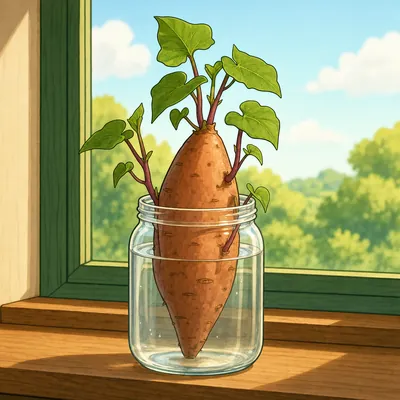
Sweet potatoes grow from "slips," not seed. Slips are the leafy shoots that sprout from a stored root. Set an untreated root halfway into a jar of water, or lay it in a tray of moist sand, somewhere warm and bright. Shoots appear in 1 to 3 weeks. When they're 6 to 8 inches long, cut them off about an inch above the water or sand line rather than pulling them, then root them in water for a few days. Cutting leaves disease behind on the old root. You can also buy certified disease-free slips. More in Plant sweet potato slips.
Setting slips out
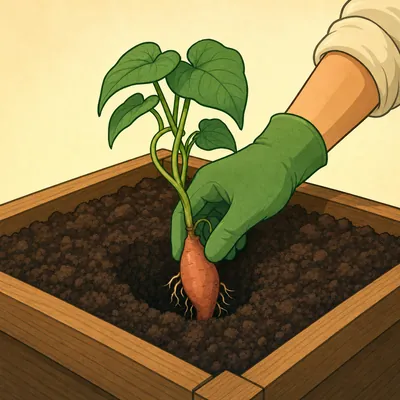
Plant slips 12 to 18 inches apart. Bury the stem 3 to 4 inches deep so only the top leaves show. Ridges or mounds about 8 inches tall help drainage and warm the soil. Water well after planting, and shade them for a day or two if the sun is fierce.
Water
Give about 1 inch per week, a little more in dry spells during the first month while roots settle. Stop watering 3 to 4 weeks before harvest so the roots don't split.
Mulch
Once the soil is warm, mulch with straw to hold moisture and keep weeds down. In short-season areas, lay black plastic before planting to warm the soil.
Feeding
Go light on nitrogen. Too much gives you lush vines and skinny roots. Work compost into loose, sandy, well-drained soil before planting, aiming for a pH of 5.5 to 6.5. If the soil is poor, use a low-nitrogen fertilizer such as 5-10-10.
Keeping it happy
Keep weeds down until the vines cover the ground. After that they shade out most weeds on their own. Loose, well-drained soil makes the best-shaped roots. Grow them in a different bed each year.
Trouble in the bed
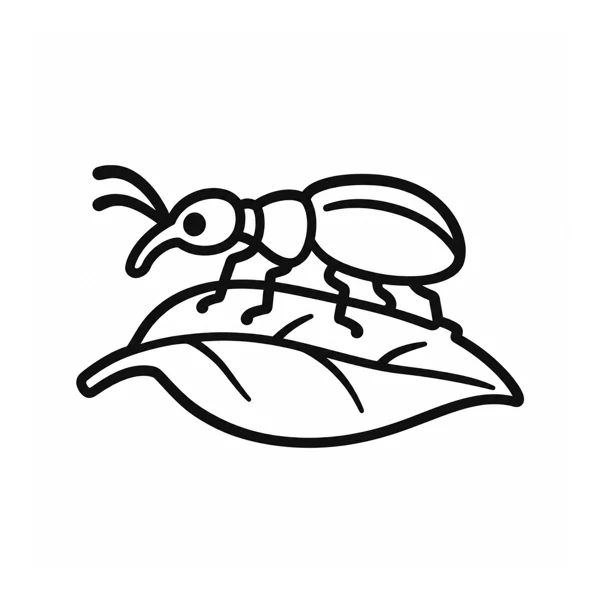
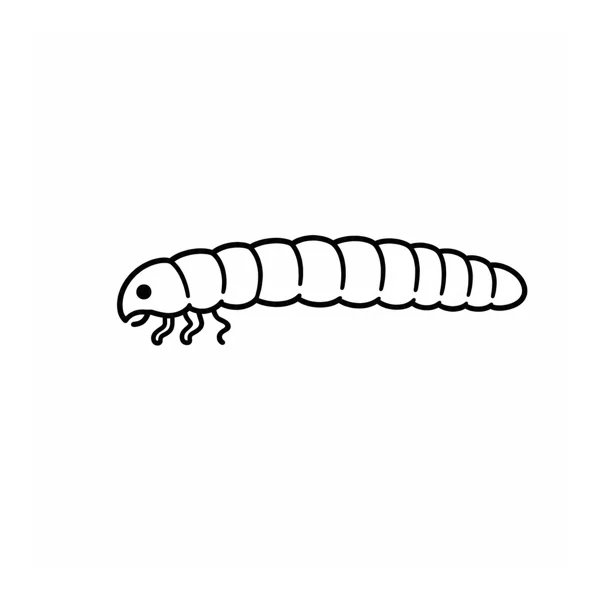
- Sweet potato weevils: The larvae tunnel into roots, mostly in the Deep South. Use clean slips and rotate beds.
- Wireworms and grubs: They chew holes in the roots. Skip ground that was lawn grass in the last year or two.
- Voles, mice, and deer: They eat roots and vines. Fence the bed or set traps.
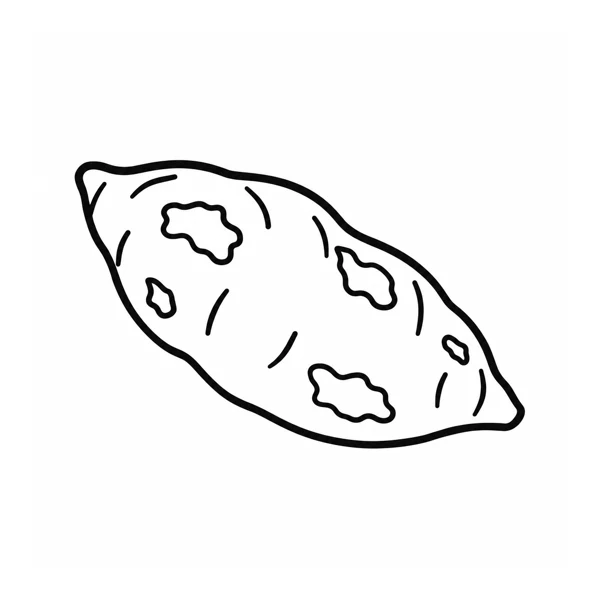
- Scurf: A fungus that leaves dark, rough patches on the skin. It travels on infected roots and slips and can live in the soil for a year or two. Wet, poorly drained soil makes it worse. Start with clean roots, cut slips rather than pulling them, and rotate beds. See the scurf page.
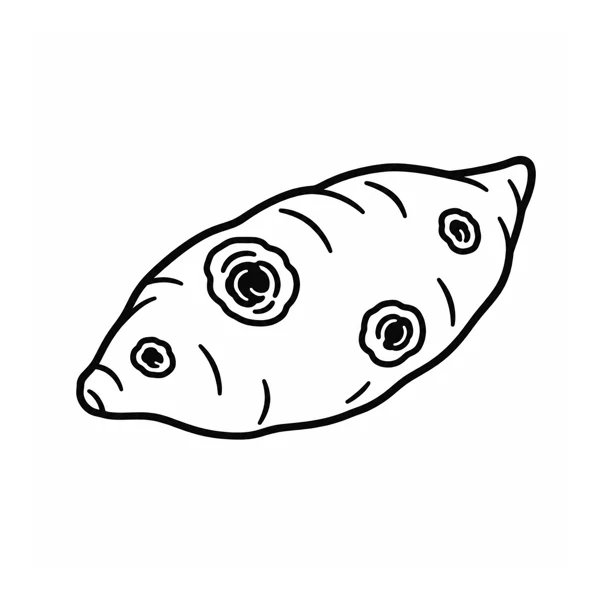
- Soil rot (pox): A soil organism that pits the roots and stunts the vines. Unlike most rots, it's worse in dry soil and when the pH climbs above about 5.2. Water during dry spells, don't lime more than a soil test calls for, and choose resistant varieties where it's been a problem.
Good neighbors

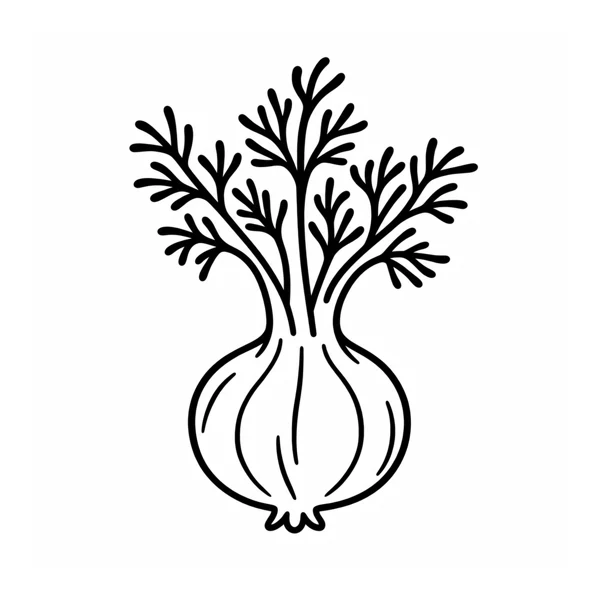



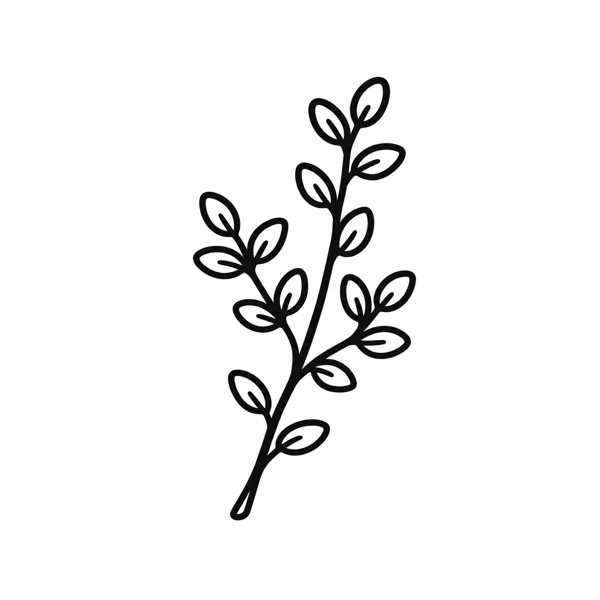
Good: Bush beans, dill, thyme, marigolds, and nasturtiums. Avoid: Squash and other sprawling vines that fight for the same space.
Seeds that grow well in your area in November
Affiliate links — shopping through these helps keep Evening Vines free. Wild Lupine
 Common Milkweed
 PansySeeds
 PhloxSeeds
Varieties worth growing
- Beauregard: Popular orange-fleshed type, productive and fast.
- Georgia Jet: Red skin and orange flesh. One of the quickest, good for short seasons.
- Covington: Orange flesh, high yields, stores well.
- Centennial: Classic orange sweet potato with steady yields.
- Jewel: Copper skin and deep orange flesh. Released by NC State in 1970, so it's a modern variety, not an heirloom. It's slower than most, up to about 135 days.
- O'Henry: A cream-fleshed selection of Beauregard.
- Murasaki: Purple skin with white flesh, a Japanese-style favorite.
- Stokes Purple: Purple skin and purple flesh.
Picking notes
Dig before the first fall frost, or once the soil starts cooling toward 55°F, whichever comes first. Cold soil damages the roots. That's usually 90 to 120 days after planting. Roughly by zone:
- Zones 4 to 6: mid to late September.
- Zone 7: late September to mid October.
- Zones 8 to 9: October, or earlier for slips planted in April.
- Zones 10 to 11: whenever the roots have sized up.
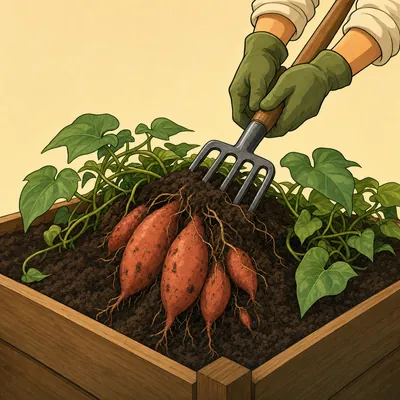
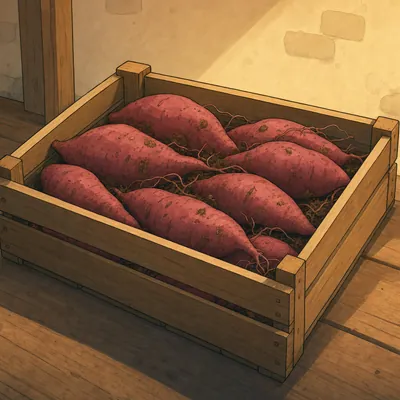
Dig gently with a fork, starting a foot out from the crown, because the skins bruise easily. Don't wash them. Cure them for 4 to 7 days at about 85°F and high humidity, then store at 55 to 60°F. They get sweeter after a few weeks in storage. Full steps are in Dig and cure sweet potatoes and Store squash and potatoes for winter. The young leaves are edible too, cooked like spinach.
Saving seed for next year
Sweet potatoes aren't grown from seed. Save a few of your best, blemish-free roots after curing, keep them at 55 to 60°F, and sprout them into slips next spring.
From garden to table
Sweet potatoes are rich in beta-carotene (orange types), vitamin C, fiber, and potassium. Bake, roast, mash, or fry them, or add them to soups and pies. Purple types are rich in antioxidants. Young leaves are cooked as a green.
Questions from the potting bench
Can I grow sweet potatoes from seed? No. Grow them from slips, which sprout from a mature sweet potato.
When do I plant sweet potato slips in zone 7? Mid to late May, about 2 to 3 weeks after the last frost, once the soil is 65°F. Start your own slips in late March or early April.
Can I grow them in a cool climate? Yes, if summers are warm. Use a fast variety like Georgia Jet, lay black plastic, and plant slips once the soil has warmed.
Why are my roots small? Too much nitrogen, too little sun, or too short a season.
Grower reports
How did Sweet Potatoes do in your garden? Members rate it and say which zone and month they planted, so everyone can see what works near them.
Recent community discussions
No one has talked about Sweet Potatoes yet. Be the first.
Essentials for Growing Sweet Potatoes
 Grow Bags
Breathable fabric pots: grow almost anything on a patio, balcony or driveway, and roots never circle.
See it →
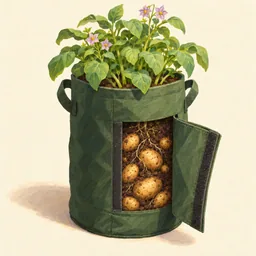 Potato Grow Bags
Tall bags with a side flap: lift the flap and pick new potatoes without digging.
See it →
 Organic Fertilizer
Slow-release organic plant food for vegetable beds and containers.
See it →
 Soaker Hose
Waters the roots slowly, not the leaves: less disease, less water, less work.
See it →
 Garden Hand Tools
Trowel, transplanter and cultivator: the three tools you reach for most.
See it →
 Watering Can
Long-spout can for gentle watering of seedlings and pots.
See it →
