
Tomato
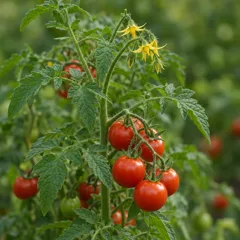
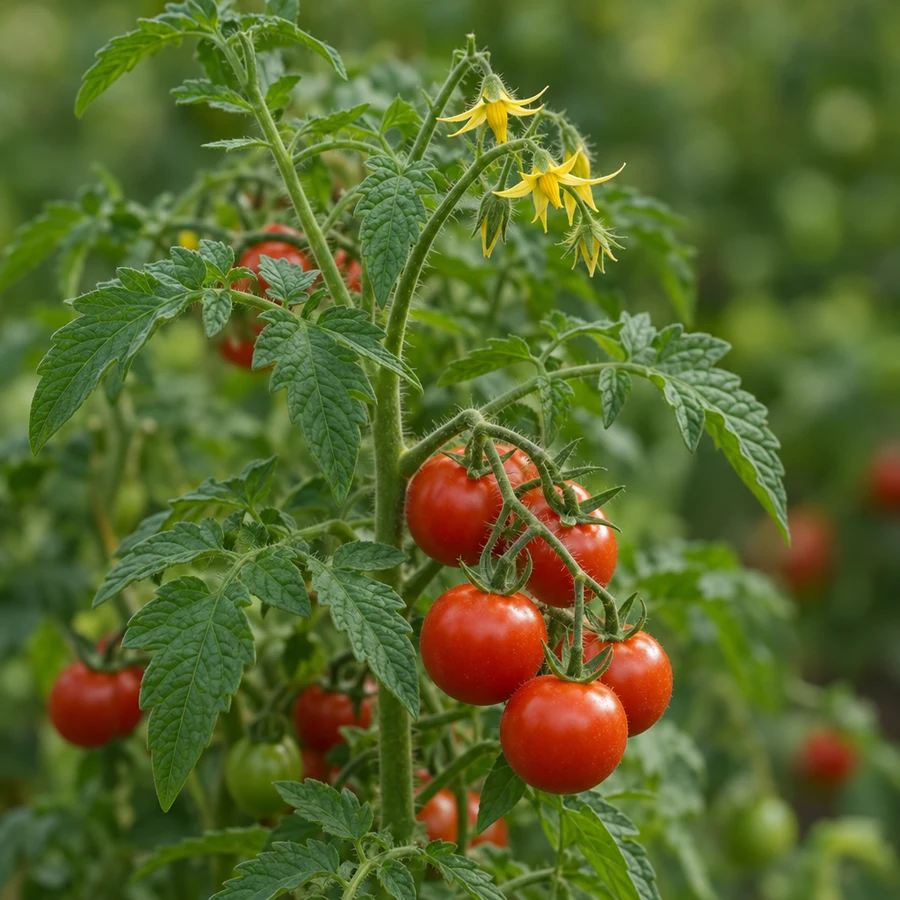
The first ripe tomato of the year is the one most of us wait for: still warm from the sun, smelling of the leaves, and gone before it ever reaches the kitchen. Plants come in every size, color, and shape, from fingertip cherries to heavy slicing beefsteaks.
The key choice is determinate or indeterminate. Determinate (bush) tomatoes stop at a set height, usually 3 to 4 feet, ripen most of their fruit over a few weeks, and suit pots and canning. Indeterminate (vining) tomatoes keep growing and fruiting until frost, often reaching 6 feet or more, and need tall stakes or sturdy cages. A few, called semi-determinate, sit in between. Check the tag before you buy.
Recent community discussions
No one has talked about Tomato yet. Be the first.
At a glance
| Plant type | Vegetable (fruiting) |
| Botanical name | Solanum lycopersicum |
| Annual or perennial | Annual (tender perennial in frost-free climates) |
| Sun | 6 to 8 or more hours of full sun |
| Water | 1 to 2 inches per week |
| Soil | Deep, well-drained loam with plenty of compost |
| Soil pH | 6.0 to 6.8 |
| Spacing | 18 to 24 inches (determinate); 24 to 36 inches (indeterminate) |
| Planting depth | Seed 1/4 inch; transplants buried up to the first set of leaves |
| Days to germinate | 5 to 10 |
| Start seed indoors | 6 to 8 weeks before your planting-out date |
| Plant out | 1 to 2 weeks after the last frost (zones 3 to 9); late summer to winter (zones 10 and 11) |
| Days to maturity | 60 to 100 from transplant |
| Harvest | Midsummer until frost (zones 3 to 8); early summer and fall (zone 9); late fall to spring (zones 9b to 11) |
| Best USDA zones | 3 to 11 (grown as an annual) |
From planting to harvest
Is it tomato weather where you are? See everything to plant this month or read your zone notes.

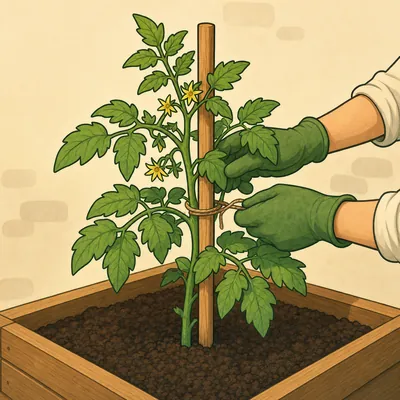
Start indoors 6–8 weeks before last frost. Transplant when soil is 60°F+ (16°C). In Zones 9–11, sow outdoors in late spring.

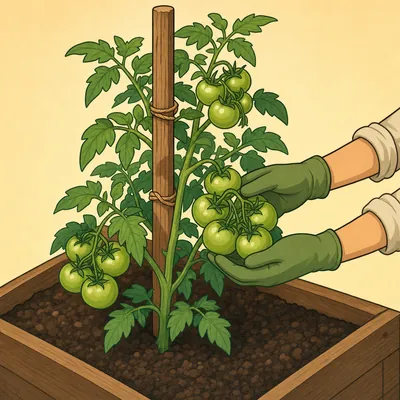
50–90 days from transplant; determinate types quicker.

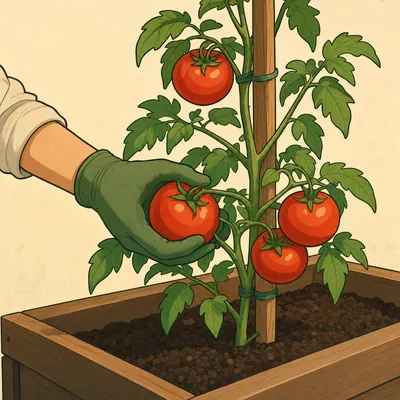
Zones 3–11, July?Sept peak; summer?early fall harvest when fruits are fully colored.

Prefers deep clay loam, pH 6.0–7.0. Benefits from compost.
Pests to watch for






A little history
Wild tomatoes grow in western South America, around Ecuador and Peru. The tomato we grow today was probably domesticated in Mexico, though researchers still argue about exactly where and when. Spanish ships carried it to Europe by the 1540s. Because it belongs to the nightshade family, many Europeans grew it as a curiosity and were wary of eating it for years. Over the next few centuries it found its way into kitchens around the world. You can read more in the story of tomatoes.
When to sow in your zone
Zones 3 to 8 (one spring planting): Start seed indoors 6 to 8 weeks before your last frost. Plant out 1 to 2 weeks after the last frost, once nights stay above 50°F and the soil has warmed to at least 60°F. Roughly, that means:
- Zone 3: mid June. Zone 4: early June.
- Zone 5: mid to late May. Zone 6: early to mid May.
- Zone 7: late April to early May. Zone 8: early to mid April.
Your zone page has the frost dates. Count back from your last frost to set your indoor sowing date.
Zones 9 to 11 (two seasons): In the warm South, the trouble is summer heat rather than winter cold: hot days and warm nights stop flowers setting fruit (see why tomato flowers fall off). So plant either side of summer, not in late spring.
- Zone 9 still gets frost. Plant out after the last frost in late winter (about February to March, a little later in its cooler parts), and again in midsummer to late summer (about July to September) for a fall crop. Fall plants need picking or covering before the first frost.
- Zone 10 and zone 11: plant out any time from August through February, with the main crop from fall plantings. The coolest parts of zone 10 can still get the odd frost, so keep a cover handy in January.
Start seed about 6 weeks before the planting-out date you've chosen.
Growing it, step by step
From seed
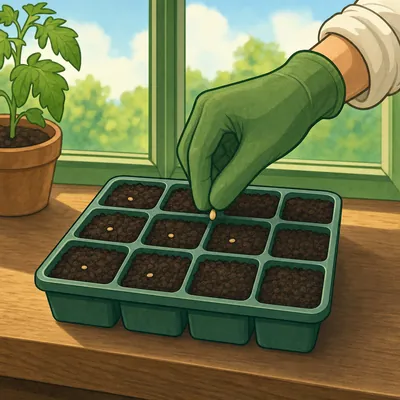
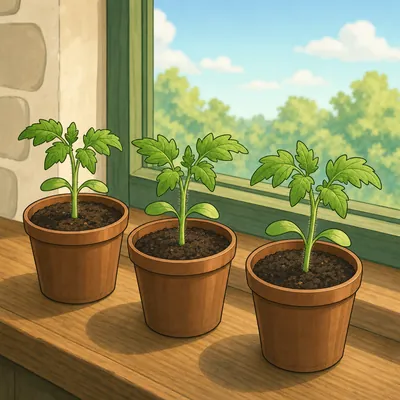
Sow seed 1/4 inch deep in seed-starting mix at 70 to 80°F. Seedlings come up in 5 to 10 days. Give them strong light, such as a grow light a few inches above the leaves, so they don't stretch. Our post on starting tomatoes and peppers indoors walks through it step by step.
Moving it outside
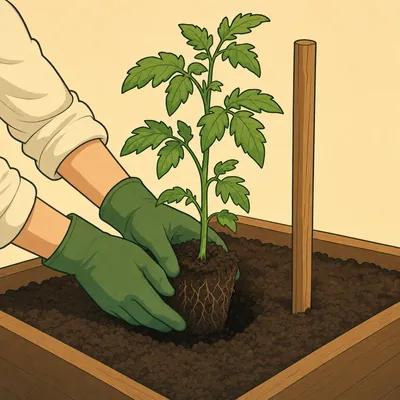
Harden seedlings off for a week. Plant deep, burying the stem up to the first set of leaves, because roots form along the buried stem. Put in the stake or cage at planting time, so you don't spear the roots later.
Soil
Tomatoes do best in deep, well-drained loam with plenty of compost worked in, at a pH of 6.0 to 6.8. Heavy clay can work if you add compost or grow in a raised bed so the roots don't sit wet.
Water
Water deeply, 1 to 2 inches per week, at the base of the plant. Keep moisture even, since swings between bone-dry and soaked lead to cracked fruit and blossom end rot.
Mulch
Once the soil is warm, spread 2 to 3 inches of straw or shredded leaves to hold moisture and stop soil splashing onto the lower leaves.
Feeding
Mix compost into the bed at planting. When the first fruits set, side-dress with a balanced or low-nitrogen fertilizer. Too much nitrogen gives lots of leaves and little fruit.
Keeping it happy
Stake or cage plants early (see staking and supporting plants). On indeterminate types, pinch out suckers, the shoots in the leaf joints, to keep growth manageable; don't prune determinate types heavily, since it cuts the crop. Rotate beds each year, avoiding spots where tomatoes, potatoes, peppers, or eggplant grew in the last few years. Tomato leaves and stems are toxic to dogs and cats, so keep pets away from the plants.
Trouble in the bed
Pests
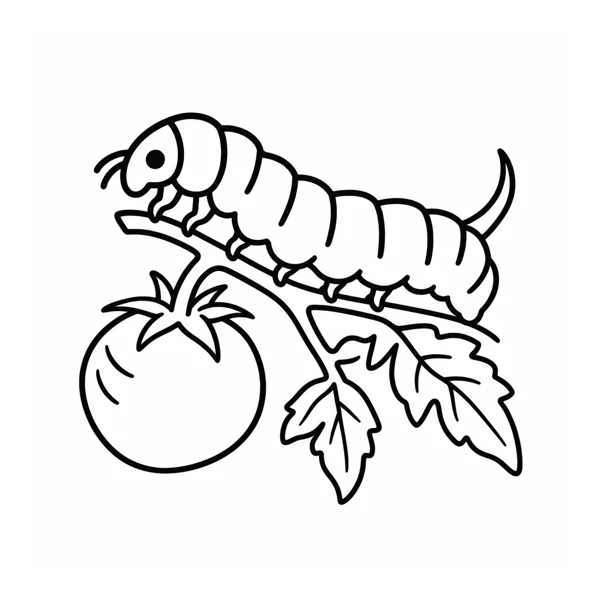
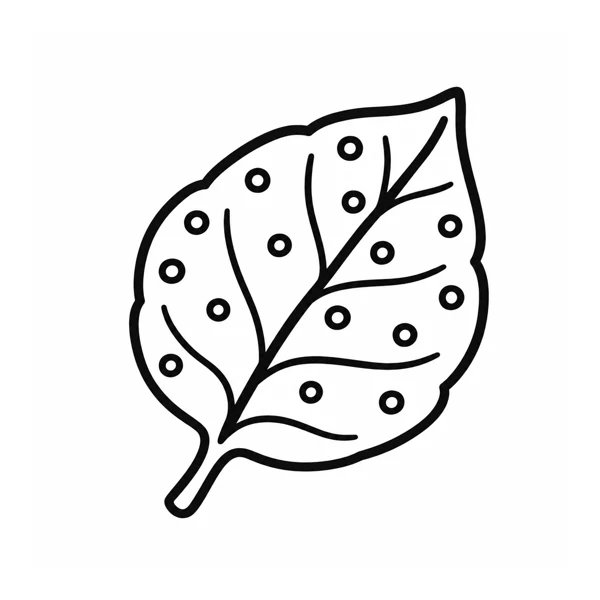
- Tomato hornworms: Big green caterpillars that can strip a plant in a few days. Look for dark droppings on the leaves below, then hand-pick them.
- Aphids and whiteflies: Small sap-suckers on the undersides of leaves. Rinse them off with a strong spray of water or use insecticidal soap. More on summer pests in June garden pests.
Diseases
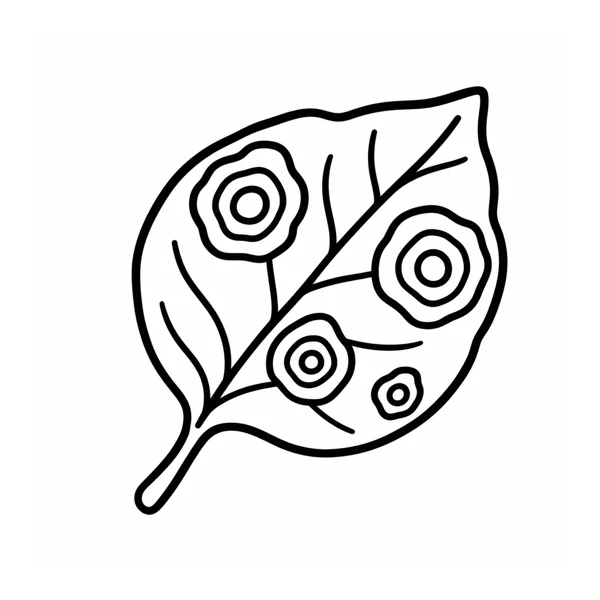
- Early blight: A fungus (Alternaria). Brown spots with target-like rings start on the lowest leaves and work upward.
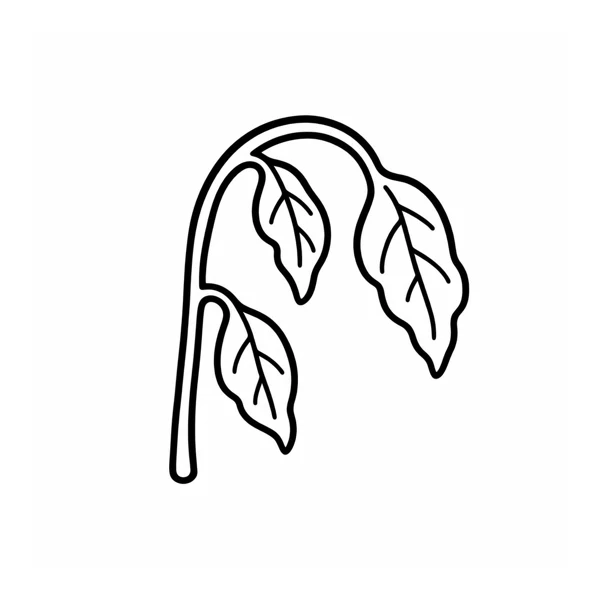
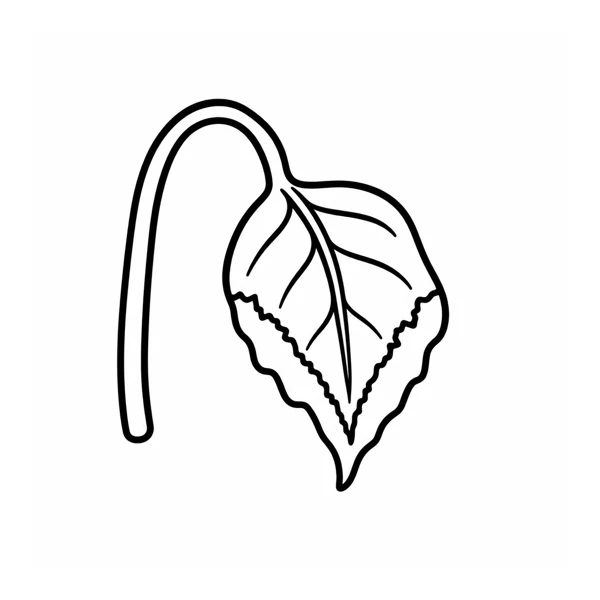
- Late blight: Caused by a water mold (an oomycete called Phytophthora infestans), not a true fungus. Greasy dark patches spread fast in cool, wet weather and can kill a plant in days. Potatoes carry it too.
- For both blights: space plants for airflow, water at the base, mulch, choose resistant varieties, and rotate your beds. Clear away infected plants in fall (cleaning up diseased plants).
Problems that aren't pests or diseases
- Blossom end rot: Dark, sunken patches on the bottom of the fruit. It comes from a lack of calcium reaching the fruit, usually brought on by uneven watering rather than a lack of calcium in the soil. Water evenly and mulch. Our post on blossom end rot has the full story.
- Flowers dropping: Usually heat, cold nights, or dry air. See tomato flowers falling off.
Good neighbors






Good: Basil, carrots, onions, marigolds, and parsley.
Avoid: Fennel, corn (it shares the corn earworm), and potatoes (they share blight).
Seeds that grow well in your area in November
Affiliate links — shopping through these helps keep Evening Vines free. ColumbineSeeds
 Moonbeam
 Foxglove Mix
 Rocket Larkspur
Varieties worth growing
- Roma: Determinate paste tomato for sauce and canning. Seeds
- San Marzano: Indeterminate Italian heirloom paste tomato from the farms south of Naples. Long, pointed fruit with thick walls and few seeds that cooks down into a rich, deep sauce. Seeds
- Sungold: Indeterminate hybrid cherry on tall, vigorous vines. Apricot-orange fruit, often the first ripe tomato of summer and sweet enough that few make it indoors. Pick promptly, as the fruit splits after heavy rain.
- Better Boy: Indeterminate hybrid, a large and reliable slicer. Seeds
- Brandywine: Indeterminate heirloom with big, rich-flavored fruit; slow to ripen.
- Cherokee Purple: Indeterminate heirloom with dusky purple-brown fruit and a sweet, smoky flavor.
- Celebrity: Semi-determinate hybrid with good disease resistance and a steady crop. Seeds
Tomato seeds to buy
Affiliate links — shopping through these helps keep Evening Vines free.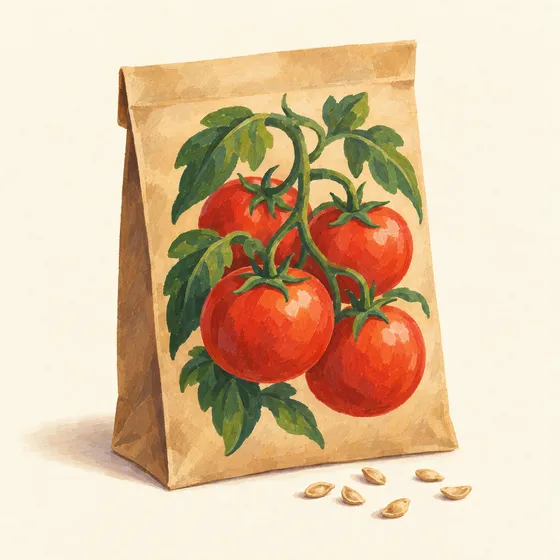 Early Girl
Picking notes
Pick when the fruit is fully colored and slightly soft. In zones 3 to 8, the harvest runs from midsummer until the first frost. In zone 9 you get two harvests, one in early summer and one in fall. In zones 9b to 11, the main harvest runs from late fall through spring. Before a frost, pick mature green tomatoes and ripen them indoors. Store tomatoes at room temperature, not in the fridge.
Saving seed for next year
Choose open-pollinated or heirloom varieties, because hybrids don't come true. Scoop the seeds and gel from a ripe fruit into a jar with a little water, let it ferment for 2 to 3 days, then rinse and dry the seeds on a plate. Store cool and dry for up to 5 years. More in saving seeds from your garden.
From garden to table
A medium tomato gives you around a fifth of a day's vitamin C, a little potassium, and lycopene, an antioxidant your body absorbs better when the tomatoes are cooked. Eat them fresh, roasted, or in sauces, soups, and salsas. Only the ripe fruit is eaten. Got more than you can use? Try freezing your summer harvest.
Questions from the potting bench
What's the difference between determinate and indeterminate tomatoes? Determinate plants stop at a set size, usually 3 to 4 feet, and ripen their fruit around the same time. Indeterminate plants keep growing and fruiting until frost, often past 6 feet.
When do I plant tomatoes in zones 9 to 11? Either side of summer. Zone 9 plants out after its last frost in late winter and again in mid to late summer for fall. Zones 10 and 11 can plant out any time from August through February.
Are tomato plants safe for pets? Ripe fruit is generally fine, but the leaves and stems are toxic to dogs and cats.
Why are my tomatoes rotting on the bottom? That's blossom end rot: the fruit isn't getting enough calcium, usually because watering has been uneven. Water consistently and mulch.
Grower reports
How did Tomato do in your garden? Members rate it and say which zone and month they planted, so everyone can see what works near them.
Recent community discussions
No one has talked about Tomato yet. Be the first.
Seeds to try
Affiliate links — shopping through these helps keep Evening Vines free.Essentials for Growing Tomato
 Grow Bags
Breathable fabric pots: grow almost anything on a patio, balcony or driveway, and roots never circle.
See it →
 Tomato Cages
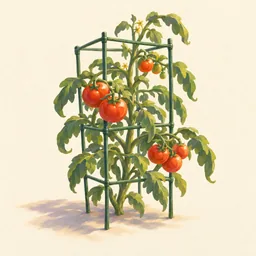
Sturdy square cages that hold heavy plants upright and keep fruit off the ground.
See it →
 Plant Stakes
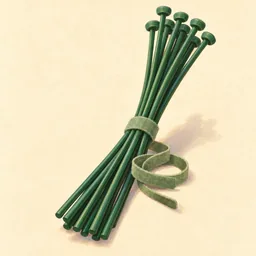
Steel stakes to keep peppers, eggplant and tall flowers from flopping.
See it →
 Seedling Heat Mat
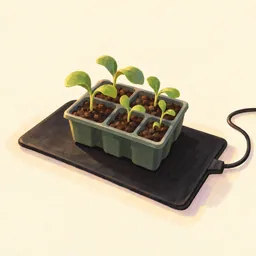
Gentle bottom heat so peppers, tomatoes and eggplant sprout in a cool house.
See it →
 Organic Fertilizer
Slow-release organic plant food for vegetable beds and containers.
See it →
 LED Grow Light
Full-spectrum light for sturdy seedlings through short winter days.
See it →
