
Turmeric
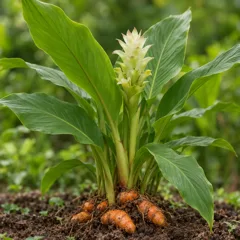
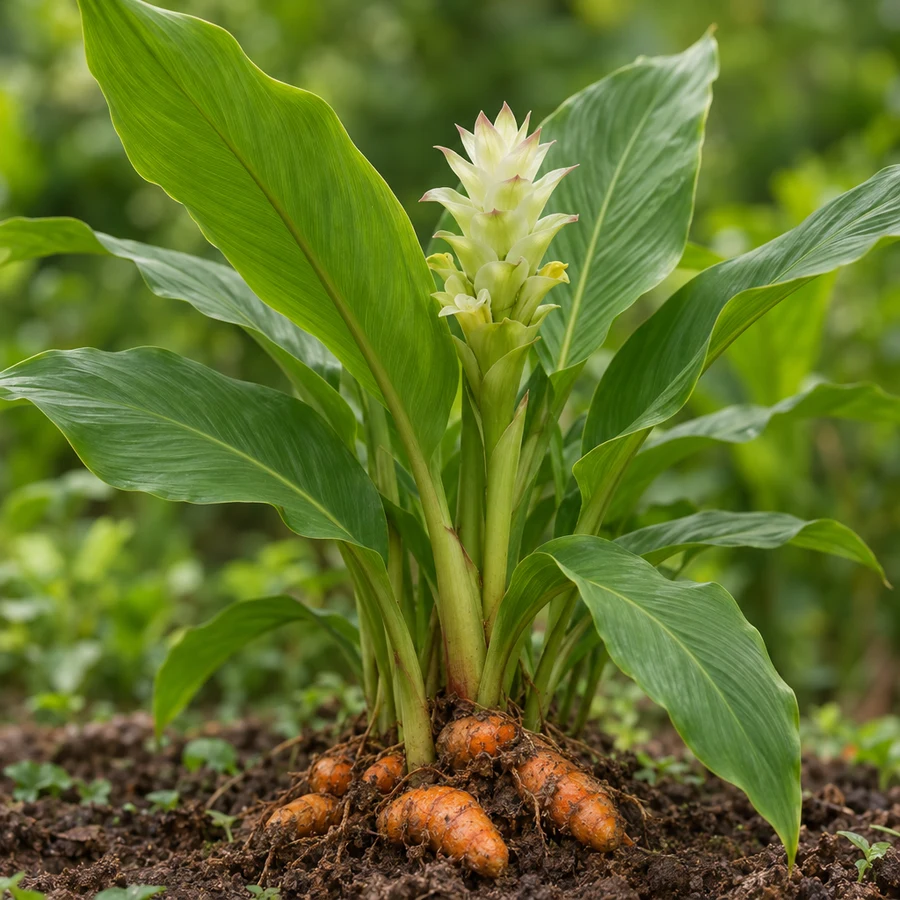
Turmeric is a tropical, clumping plant with big, glossy leaves that rise 2 to 3 feet tall. Below the soil it grows knobby orange rhizomes, the source of the golden spice. In summer it may send up a pretty cone of pale flowers.
It loves heat, humidity, and rich, loose soil. Gardeners in zones 8 to 11 can grow it in the ground. Everyone else can grow it in large pots: start it indoors, move it outside for summer, and bring it back in before frost.
Recent community discussions
No one has talked about Turmeric yet. Be the first.
At a glance
| Plant type | Spice and root crop |
| Botanical name | Curcuma longa |
| Annual or perennial | Perennial in warm climates; grown as an annual in cooler ones |
| Sun | Part shade to full sun; afternoon shade in hot climates |
| Water | Keep soil evenly moist; about 1 inch per week, more in heat |
| Spacing | 12 to 18 inches |
| Planting depth | 2 inches (rhizome pieces) |
| Days to sprout | 14 to 30 |
| Days to maturity | 240 to 300 (8 to 10 months) |
| Best USDA zones | 8 to 11 outdoors; pots elsewhere |
| Soil pH | 5.5 to 7.0 |
Is it turmeric weather where you are? See everything to plant this month or read your zone notes.

Plant rhizomes outdoors 2–3 weeks after last frost when soil is 70°F+ (21°C). In Zones 9–11, can be grown nearly year-round.

8–10 months.

Zones 8–11, Oct?Dec; harvest rhizomes once leaves and stems dry; in cooler zones indoors/greenhouse.

Fertile, moist silty clay loam, pH 5.5–7.5. High organic matter essential.
Pests to watch for


Diseases

A little history
Turmeric has been grown in South Asia for thousands of years. It has long been used as a cooking spice, a fabric dye, and in ceremonies and traditional medicine. Today India is the world's biggest producer.
When to Plant
Spring: Plant rhizome pieces outdoors after the last frost, once the soil stays above 65°F. In cooler zones, start them in pots indoors 6 to 8 weeks before the last frost.
Fall: In frost-free zones 10 to 11, you can plant in early fall. Elsewhere, wait for spring, because the plant needs a long, warm season.
Growing it, step by step
Starting from Rhizomes
Choose plump, firm rhizome pieces with 2 or 3 buds ("eyes"), ideally organic and untreated. Let cut pieces dry for a day, then plant them 2 inches deep, buds up, in warm, moist mix. Expect sprouts in 2 to 4 weeks, sometimes longer.
Moving it outside
Move sprouted plants outdoors once nights stay above 55°F. Set them 12 to 18 inches apart in rich, well-drained soil, or one plant per 12 to 14 inch pot, at the same depth they grew.
Water
Keep the soil evenly moist but never soggy, and water more in hot weather. When leaves yellow late in the season, ease off to help the rhizomes mature.
Mulch
Spread 2 to 3 inches of compost, straw, or shredded leaves to hold moisture and keep the soil warm.
Feeding
Turmeric is a heavy feeder. Mix compost into the bed at planting and feed monthly with a balanced organic fertilizer during active growth. Stop when the leaves start to yellow.
Keeping it happy
Keep weeds down and the soil loose. Protect plants from cold and wind. In cold zones, bring pots indoors before frost; the plant will die back and rest. Cut off the yellowed foliage and keep the soil barely damp until spring.
Trouble in the bed
- Rhizome rot: Caused by soggy soil. Use a well-drained mix and don't overwater.
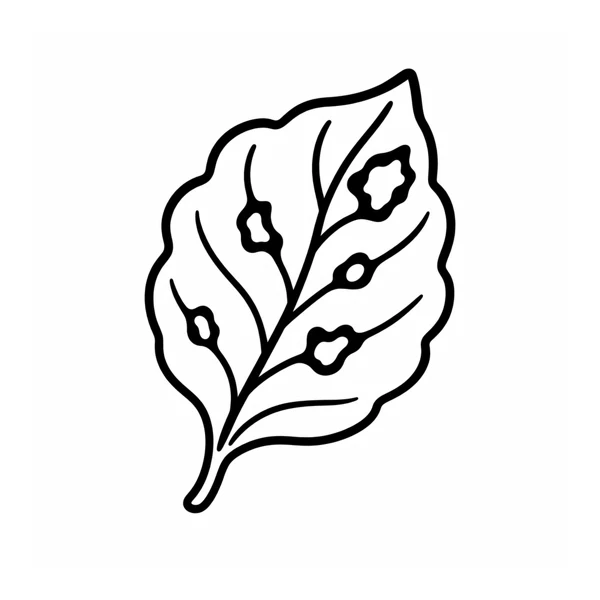
- Leaf spot and leaf blotch: Brown spots on the leaves. Remove affected leaves and water at the base.
- Root-knot nematodes: Microscopic worms that make rhizomes knobby. Rotate beds and start with clean rhizomes.
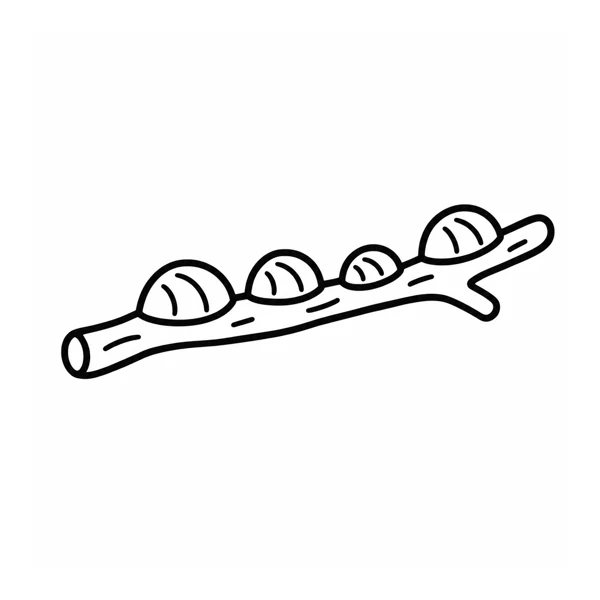
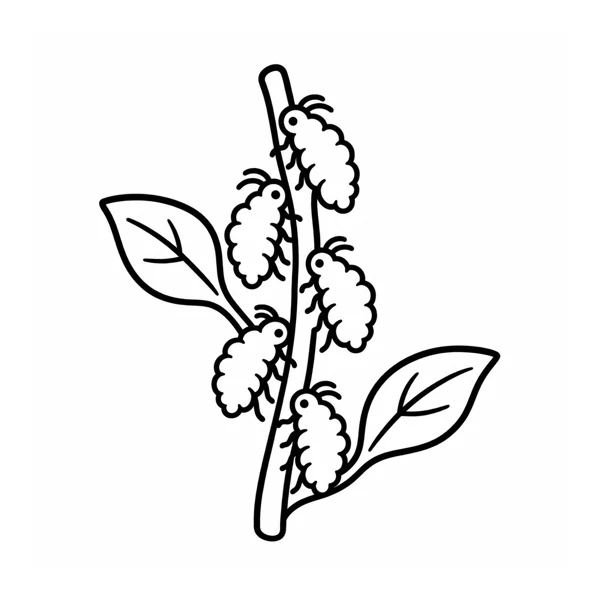
- Spider mites and aphids: Sap-suckers on the leaves. Rinse off or use insecticidal soap.
Good neighbors


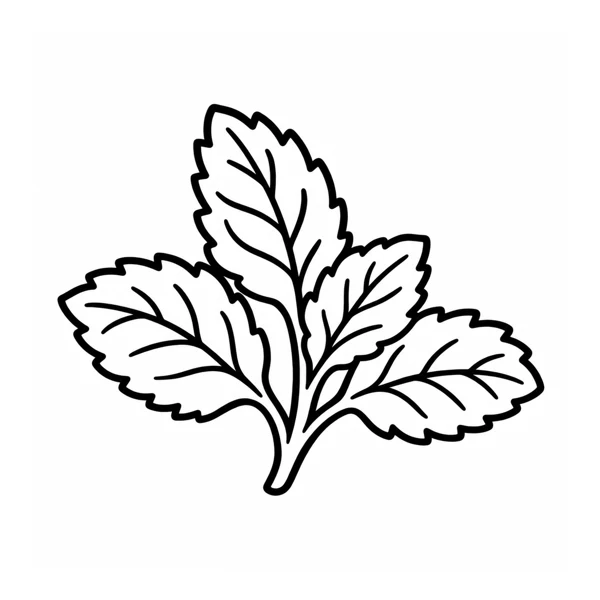


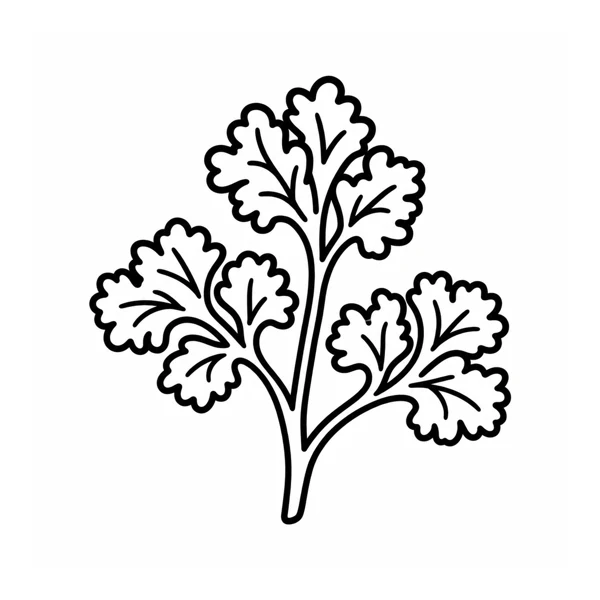

Good: Ginger, peppers, eggplant, bananas, and beans.
Avoid: Plants that need dry soil, such as Mediterranean herbs, and vigorous roots that crowd the rhizomes.
Varieties worth growing
Home gardeners in the US usually buy turmeric simply as "turmeric root," without a variety name. In India, regional types are well known, including:
- Alleppey: Deep orange flesh with high color.
- Lakadong: Prized for very rich color.
- Madras: Widely grown and reliable.
- Erode and Salem: Popular southern Indian types with good yield.
Seeds that grow well in your area in November
Affiliate links — shopping through these helps keep Evening Vines free. Smooth Blue Aster
 Polka Dot Mix
 Black-Eyed SusanSeeds
 ColumbineSeeds
Picking notes
Harvest 8 to 10 months after planting, when the leaves yellow and fall over. Dig carefully with a fork, rinse off the soil, and cut away the leaves. You can also pick small pieces earlier as milder "baby" turmeric. Store fresh rhizomes in the fridge. To make powder, boil or steam the rhizomes, dry them thoroughly, and grind.
Propagation
Save some of the best rhizomes from your harvest to replant. Cut them into pieces with 2 or 3 buds each, let the cuts dry for a day, and plant in spring. Divide crowded clumps every few years.
From garden to table
Turmeric contains curcumin, plus manganese and iron. Fresh or dried, it flavors curries, rice, soups, and golden milk. Pairing it with black pepper and a little fat helps the body absorb curcumin. Wear gloves, because it stains hands and surfaces.
Questions from the potting bench
Can I grow turmeric in a cold climate? Yes, in a large pot. Start it indoors, move it outside in summer, and bring it in before frost.
Why haven't my rhizomes sprouted? They may be too cool or too dry. Keep them warm and lightly moist, and be patient: sprouting can take a month.
Can I plant grocery-store turmeric? Often, yes. Store rhizomes are sometimes treated to stop sprouting, so organic ones work best.
Saving seed for next year
Seed Saving Turmeric is grown from rhizomes, not seeds. After harvesting, save some of the healthiest rhizomes with multiple buds for the next planting season. Store them in a cool, dry place until planting.
Grower reports
How did Turmeric do in your garden? Members rate it and say which zone and month they planted, so everyone can see what works near them.
Recent community discussions
No one has talked about Turmeric yet. Be the first.
Essentials for Growing Turmeric
 Grow Bags
Breathable fabric pots: grow almost anything on a patio, balcony or driveway, and roots never circle.
See it →
 Seed Starting Tray
Reusable tray with a clear dome to give seeds a warm, humid start indoors.
See it →
 Garden Hand Tools
Trowel, transplanter and cultivator: the three tools you reach for most.
See it →
 Organic Fertilizer
Slow-release organic plant food for vegetable beds and containers.
See it →
 Watering Can
Long-spout can for gentle watering of seedlings and pots.
See it →
 Pruning Shears
Sharp bypass pruners for harvesting, deadheading and tidying.
See it →
