
Passion Fruit
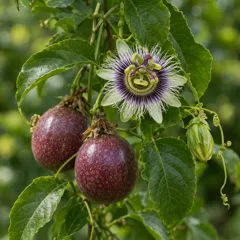
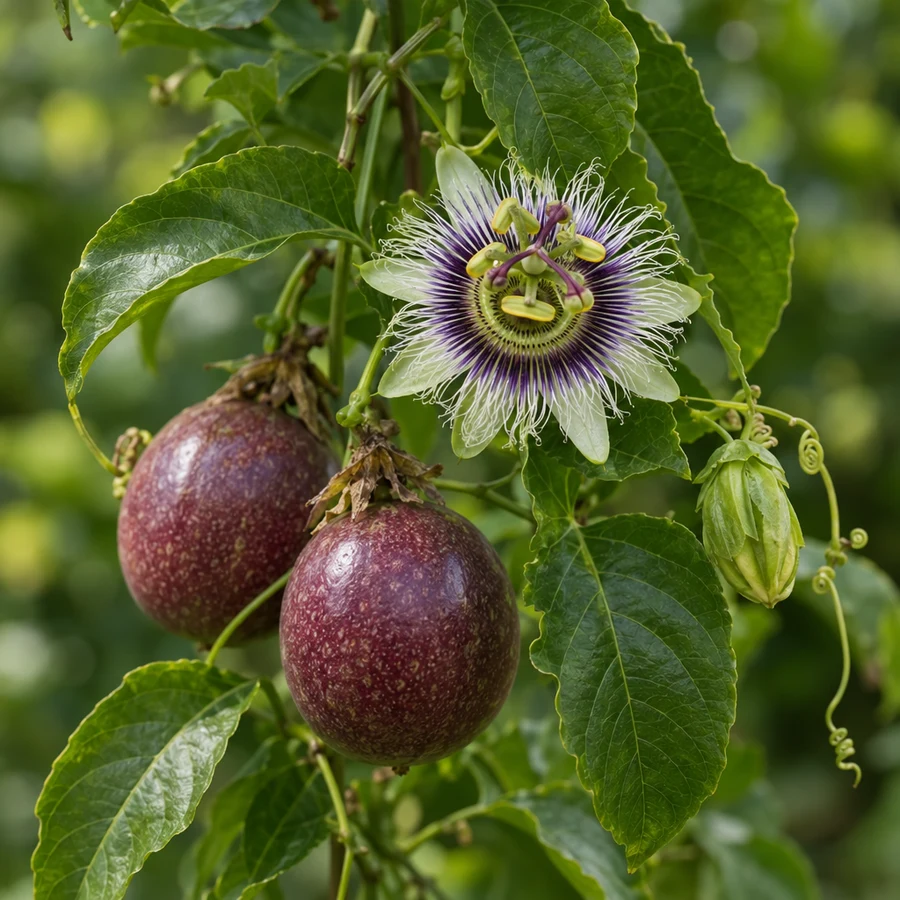
Passion fruit is a fast, leafy vine with some of the most striking flowers in the garden: white and purple, fringed, and almost unreal up close. The round fruit that follows has a tough shell and a scoop of tangy, perfumed pulp full of crunchy black seeds. One healthy vine can cover a fence in a season and give dozens of fruit a year.
There are two main kinds. Purple passion fruit is smaller, sweeter, takes a little cool weather, and usually sets fruit on its own. Yellow passion fruit is bigger, more tart, more vigorous and fully tropical, and it needs a second vine and good bees to set fruit. Most vines sold to home gardeners are purple types or purple-yellow hybrids.
Passion fruit grows outside year-round only where winters are frost-free or nearly so: South Florida, coastal Southern California, Hawaii, and the warm coasts of Australia. Everywhere else it can still be grown in a large pot moved under cover for winter, or planted in a heated greenhouse or conservatory.
Recent community discussions
No one has talked about Passion Fruit yet. Be the first.
At a glance
| Plant type | Fruit (evergreen climbing vine) |
| Botanical name | Passiflora edulis (purple passion fruit); Passiflora edulis f. flavicarpa (yellow passion fruit) |
| Annual or perennial | Evergreen perennial; vines crop best for about 5 to 7 years, then are replaced |
| Sun | Full sun; a little afternoon shade in very hot inland areas |
| Water | Regular and deep, about 1 inch per week; more in pots and while fruit swells |
| Spacing | 8 to 10 feet between vines along a trellis or fence |
| Planting depth | Same depth as in the nursery pot; keep the graft union well above the soil |
| Days to germinate | 2 to 3 weeks from fresh seed at about 77°F (stored seed is slower); most people buy a grafted or cutting-grown vine |
| Days to maturity | 12 to 18 months from planting to first fruit; about 70 to 80 days from flower to ripe fruit |
| Best USDA zones | 10 to 11 outdoors (purple types in 9b with frost protection); anywhere in a big pot or greenhouse kept above 50°F in winter |
| Soil pH | 6.5 to 7.5 |
Is it passion fruit weather where you are? See everything to plant this month or read your zone notes.
Pests to watch for
Diseases
A little history
Purple passion fruit is native to southern Brazil, Paraguay and northern Argentina. Spanish missionaries in South America named the passion flower for the Passion of Christ, reading the flower's crown, stamens and styles as symbols of the crucifixion. The vine reached coastal Queensland in Australia before 1900, and seed from Australia was planted in Hawaii in 1880, where the fruit is still called lilikoi. Passion fruit has grown in Florida since at least the 1880s. When a Fusarium wilt outbreak hit Queensland's purple vines around 1943, growers turned to the tougher yellow form as a rootstock, which is why so many vines today are grafted.
When to sow in your zone
Spring to early summer (zones 9b to 11): Plant nursery vines once the last frost has passed and the soil has warmed, so they have the whole warm season to climb and root before any cool weather. In frost-free areas, spring is still the best time, because young vines grow fastest in the warm months ahead. In Australia that means September to November.
Cooler zones (9a and colder, plus Canada, the UK and Ireland): Plant in a large pot after the last frost and keep it outdoors for summer. Bring it into a bright greenhouse, sunroom or conservatory before nights drop near 40°F. If you have a heated greenhouse that stays above 50°F all winter, you can plant straight into a bed there in spring.
November in the garden: In zones 10 and 11 this is a quiet month: tidy the vine, collect fallen fruit and hold off on heavy pruning until spring. In colder zones, potted vines should already be indoors in the brightest window or greenhouse you have, watered sparingly until spring.
Your own dates: Pick your zone on the zones page to see when passion fruit goes in where you live.
Growing it, step by step
Choosing a vine
Buy a named, grafted vine from a nursery if you can. Grafted vines sit on a tough rootstock that resists soil diseases and nematodes, and they fruit sooner than seedlings. Seed from a store-bought fruit will grow, but it can take longer to crop and may not match the parent.
Picking the spot
Give it full sun and shelter from strong wind, which tears the big leaves and knocks off flowers. A sunny fence, wall or pergola is ideal. The soil must drain well. Passion fruit roots rot quickly in soggy ground, so avoid low spots where water sits after rain, or plant on a raised mound.
A strong trellis
Passion fruit climbs by tendrils and gets heavy. Set up a sturdy support before planting: a wire fence, a pergola, or two or three horizontal wires about 6 to 7 feet high. Space vines 8 to 10 feet apart along it. Tie the main stem up to the top wire, then let side shoots run along the wires and hang down. Fruit forms on those hanging, new shoots.
Planting
Plant at the same depth the vine sat in its pot. On a grafted vine, keep the graft union (the knobby join near the base) well above the soil and mulch. Water it in deeply.
Growing in a pot
Start in a pot of at least 15 to 20 gallons with a sturdy trellis or obelisk fixed into it. Use a free-draining potting mix and make sure there are good drainage holes. Compact varieties do best in pots. Indoors in winter, give the vine your brightest spot and keep the mix on the dry side.
Pollination
Purple passion fruit and most hybrids are largely self-fertile, so one vine can crop on its own, though bees improve the set. Yellow passion fruit is self-sterile and needs a second vine of different parentage nearby. Large carpenter bees are the best pollinators; honeybees help less. Rain soon after a flower opens can stop it from setting. In a greenhouse, or if flowers keep falling without fruit, hand-pollinate: dab pollen from the anthers onto the three stigmas with a small brush, around midday when the flowers are fully open.
Water
Water deeply once or twice a week in warm weather, more in pots and in heat waves. Steady moisture matters most while flowers open and fruit swells. A dry vine drops flowers and gives small, shriveled fruit.
Mulch
Spread 2 to 3 inches of mulch over the root zone to keep the shallow roots cool and moist. Keep it a hand's width from the stem, especially on grafted vines.
Feeding
Passion fruit is a hungry vine. Feed lightly every 4 to 6 weeks through the warm season with a balanced fruit or citrus fertilizer, and add compost in spring. Too much nitrogen gives masses of leaves and few flowers, so if the vine is all leaf and no bloom, ease off.
Keeping it happy
Prune in spring, after any cold weather has passed. Cut back side shoots that fruited last year and thin out tangles so light and air reach the middle of the vine. Since fruit forms on new growth, a light yearly prune keeps the crop coming. Avoid heavy pruning in fall or winter.
On grafted vines, watch for shoots coming from below the graft. Rub or cut these suckers off as soon as you see them, or the rootstock will take over. The rootstock's leaves usually look different from the fruiting vine's.
Passion fruit doesn't like cold. A brief light frost may burn leaves on purple types, and a harder freeze can kill the vine to the ground. In zone 9b, wrap the lower stems with frost cloth or insulation on cold nights; a covered base can regrow even if the top is damaged. Yellow passion fruit stops producing in cool winters and needs truly frost-free conditions.
Trouble in the bed
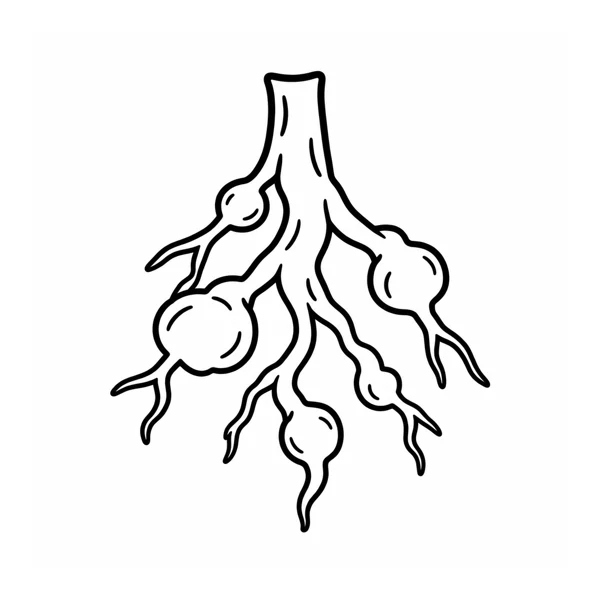
- Root-knot nematodes: They cause knotted, swollen roots and a weak vine, mostly in sandy soils in warm areas. Grafted vines on a resistant rootstock hold up far better.
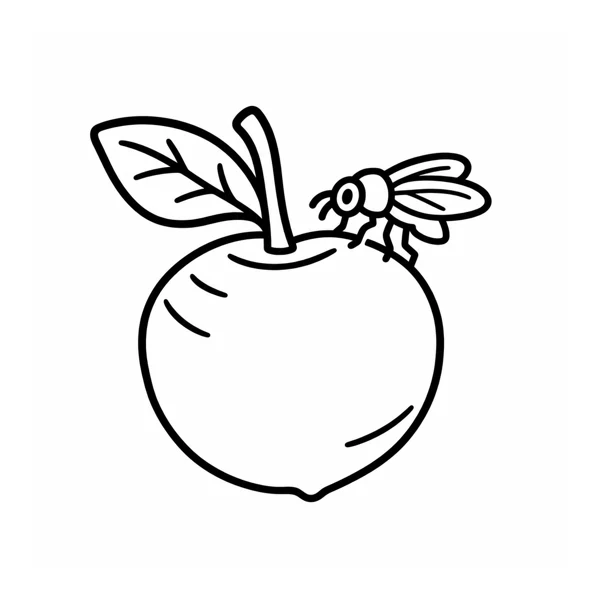
- Fruit flies: In Hawaii, Florida and parts of Australia, they lay eggs in ripening fruit. Pick up fallen fruit every day and bag fruit or use traps where they are a problem.
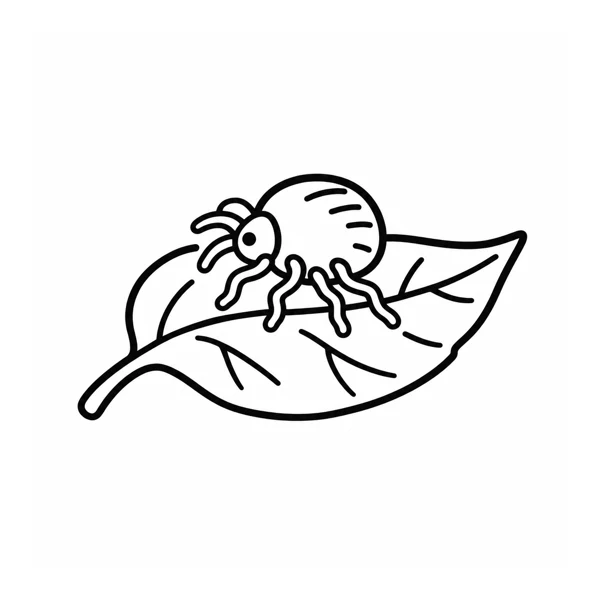
- Passion vine mites: Tiny mites that scar leaves, stems and fruit and can cause leaf drop. Check leaf undersides and spray with water or horticultural oil.
- Fusarium wilt: A soil fungus that makes the whole vine wilt and die suddenly. Purple seedlings are most at risk; grafted vines on yellow-type rootstock resist it.
- Phytophthora rots: Root and collar rot in wet, poorly drained soil. Good drainage, a raised mound, and keeping mulch off the stem are the best defense.
- Woodiness virus: Spread by aphids, it makes fruit hard, thick-shelled and misshapen. There's no cure; remove badly affected vines and buy clean, certified stock.
- Gulf fritillary caterpillars: These orange, spiny caterpillars chew passion vine leaves in the southern US. A healthy vine usually outgrows them, and the butterflies they become are welcome visitors.
Good neighbors


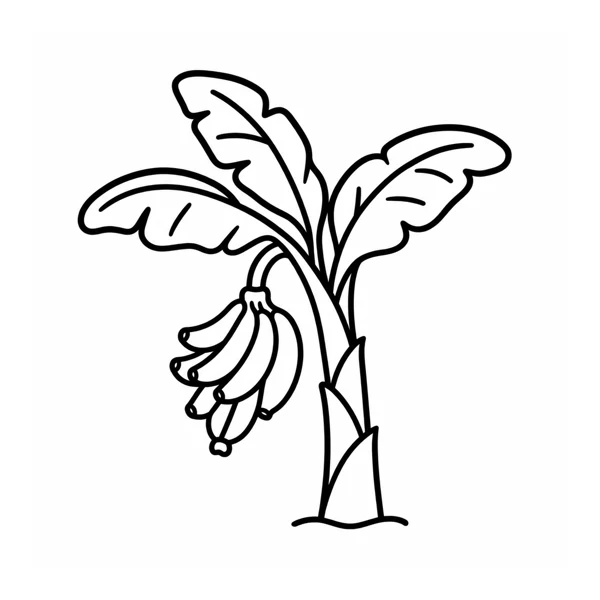
Good: Low, nectar-rich flowers that bring bees to the vine, like borage, nasturtiums and marigolds. In warm gardens it pairs naturally with other tropical fruit like guava and banana, as long as the vine isn't shaded.
Avoid: Planting where the vine can climb into trees or shrubs you care about, since it can smother them. Keep it away from deep-rooted, thirsty plants that compete for water close to its shallow roots.
Seeds that grow well in your area in November
Affiliate links — shopping through these helps keep Evening Vines free. Smooth Blue Aster
 Polka Dot Mix
 Black-Eyed SusanSeeds
 ColumbineSeeds
Varieties worth growing
Hot and subtropical areas (southern US, Hawaii, warm Australia):
- Panama Red: A large, red-skinned grafted vine for warm, humid areas. Vigorous and heavy-cropping, with sweet-tart pulp.
- Panama Gold: A big yellow-skinned fruit with plenty of pulp; best in the tropics and subtropics.
- Possum Purple: A purple type popular in Florida, valued for its sweet flavor and steady cropping. Plants
- Frederick: A purple-red hybrid widely sold in California and Florida. Self-fertile, vigorous and productive. Plants
Milder, cooler areas (coastal California, southern Australia, 9b gardens):
- Nellie Kelly: A classic grafted black passion fruit, long the standard in cooler parts of Australia. Self-fertile, with sweet, aromatic pulp.
- Misty Gem: A Queensland-bred black type, self-fertile and a reliable cropper in warm and mild coastal gardens.
For pots and greenhouses (cold zones, Canada, UK and Ireland):
- Black Knight: A compact, self-fertile purple type that fruits young, which makes it one of the easiest choices for a big pot or a heated greenhouse.
For truly cold gardens: Tropical passion fruit won't survive outdoors in cold winters. If you want an outdoor vine in zones 5 to 9, try its hardy cousin maypop (Passiflora incarnata), native to the southeastern US. It dies back each winter, regrows in spring, and bears smaller, egg-shaped edible fruit. In the UK and Ireland, the blue passion flower (Passiflora caerulea) is grown on sheltered walls for its flowers, but for real passion fruit you need a greenhouse.
Passion Fruit plants to buy
Affiliate links — shopping through these helps keep Evening Vines free.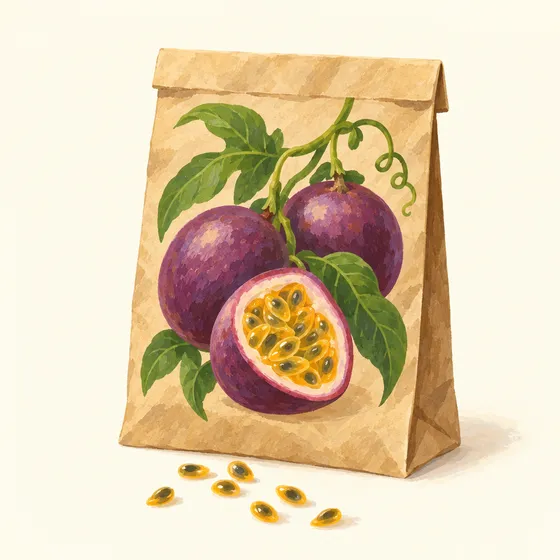 Possum Purple
Picking notes
Passion fruit ripens about 70 to 80 days after the flower is pollinated. In warm areas the main crop comes from summer into fall, with a second, smaller crop in some climates. The fruit is ripe when the skin turns fully purple, red or yellow, depending on the type. Many ripe fruit drop to the ground on their own, so check under the vine every day and pick them up.
Don't eat green, unripe fruit. The pulp contains a natural cyanide-forming compound that is highest in young, unripe fruit and drops to very low levels as the fruit ripens. The leaves and unripe fruit of passion vines should not be eaten.
Ripe fruit keeps about a week at room temperature and longer in the fridge. A slightly wrinkled shell is fine: the pulp inside often gets sweeter. You can also scoop the pulp out and freeze it.
Saving seed for next year
Possible, but not the best way to keep a variety. Seed from hybrids won't come true, and seedlings take longer to fruit than grafted vines. If you want to try, scoop seeds from a fully ripe fruit, rub off the pulp, rinse and dry them, then soak them for a day before sowing in warm mix at about 77°F. To keep a vine you love, root softwood cuttings in spring or early summer, or layer a stem into a pot of soil.
From garden to table
The pulp is rich in fiber, since you eat the seeds too, and brings vitamin C, vitamin A and potassium. Older figures for purple passion fruit give about 90 calories, 30 mg of vitamin C and 350 mg of potassium per 100 grams of pulp and seeds. Spoon it straight from the shell, stir it into yogurt, spoon it over pavlova or ice cream, or strain it for juice, syrup, curd, dressings and cocktails.
Questions from the potting bench
Do I need two passion fruit vines? Not for most purple types and hybrids like Frederick, Nellie Kelly or Black Knight, which set fruit on their own. Yellow passion fruit needs a second vine of a different type nearby.
Why are my passion fruit flowers falling off without fruit? Usually poor pollination, rain on open flowers, a dry spell or cold nights. Try hand-pollinating at midday and keep the water steady.
Can I grow passion fruit in a cold climate? Yes, in a large pot moved indoors before frost or in a heated greenhouse kept above 50°F in winter. Pick a compact, self-fertile type such as Black Knight. For an outdoor vine in cold zones, grow maypop instead.
Why is my grafted vine growing different leaves? Those are shoots from the rootstock. Cut them off at the base, or they'll crowd out the fruiting vine.
How long does a passion fruit vine live? Most crop well for about 5 to 7 years. Many gardeners start a new vine after that, since older vines slow down and pick up diseases.
Grower reports
How did Passion Fruit do in your garden? Members rate it and say which zone and month they planted, so everyone can see what works near them.
Recent community discussions
No one has talked about Passion Fruit yet. Be the first.
Plants to try
Affiliate links — shopping through these helps keep Evening Vines free.Essentials for Growing Passion Fruit
 Grow Bags
Breathable fabric pots: grow almost anything on a patio, balcony or driveway, and roots never circle.
See it →
 Organic Fertilizer
Slow-release organic plant food for vegetable beds and containers.
See it →
 Pruning Shears
Sharp bypass pruners for harvesting, deadheading and tidying.
See it →
 Insect Netting
Fine mesh that keeps cabbage worms, flea beetles and birds off your crops, no sprays needed.
See it →
 Soaker Hose
Waters the roots slowly, not the leaves: less disease, less water, less work.
See it →
 Garden Hand Tools
Trowel, transplanter and cultivator: the three tools you reach for most.
See it →
