
Rosemary
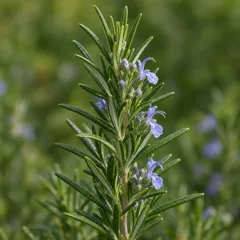
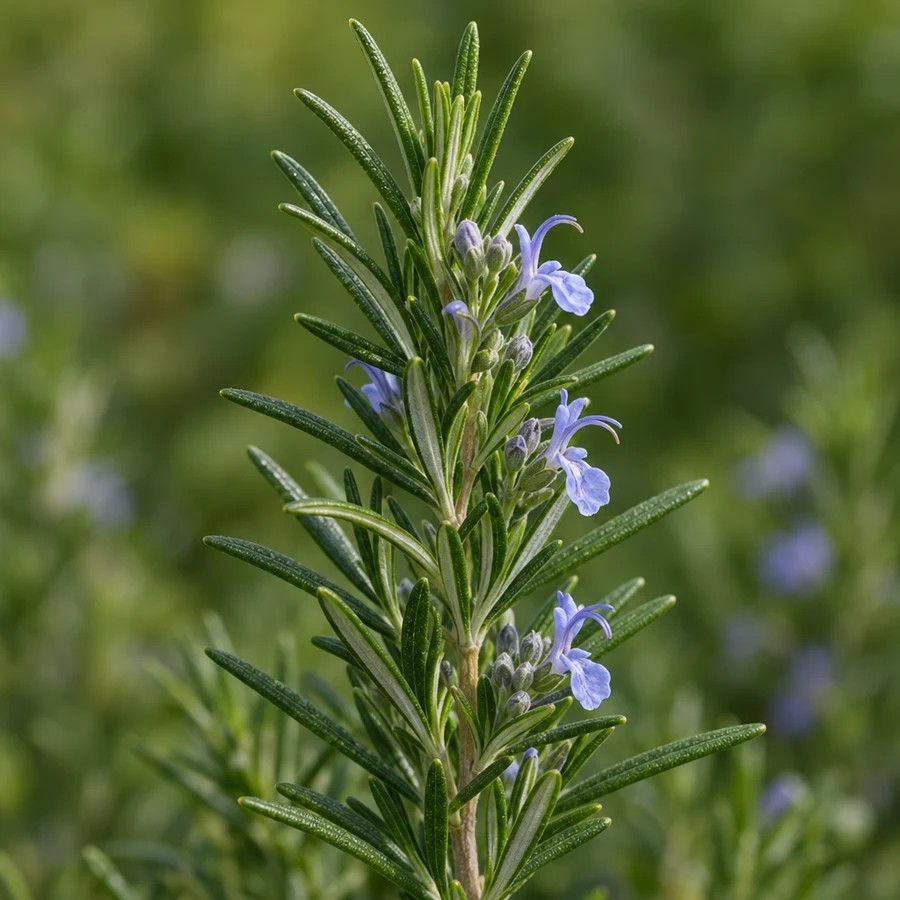
Rosemary is an evergreen, needle-leaved herb with a strong pine-like scent. Over a few years it grows into a woody shrub anywhere from 2 to 6 feet tall, depending on the type. It loves sun, heat, and sharp drainage, and it makes a good low hedge, a border plant, or a pot you can carry indoors for winter.
Recent community discussions
No one has talked about Rosemary yet. Be the first.
At a glance
| Plant type | Herb |
| Botanical name | Salvia rosmarinus (formerly Rosmarinus officinalis) |
| Annual or perennial | Perennial (evergreen shrub) |
| Sun | Full sun |
| Water | Low once established |
| Spacing | 24 to 36 inches |
| Planting depth | Surface to 1/8 inch |
| Days to germinate | 14 to 28 days |
| Days to maturity | About 1 year to a good harvest; 2 to 3 years to full size |
| Best USDA zones | Reliably 8 to 10; zone 7 with hardy types (Arp and Madalene Hill to zone 6 only with shelter and sharp drainage) |
| Soil pH | 6.0 to 7.5 |
Is it rosemary weather where you are? See everything to plant this month or read your zone notes.

Sow indoors 10–12 weeks before last frost (slow germinator). Transplant after frost. In frost-free zones, sow year-round outdoors.

Germinates in 14–28 days; 6–12 months to full size; perennial.

Zones 7–10, June?Nov; in warm zones Feb?Oct; indoors year-round.

Well-drained, dry rocky or sandy soils, pH 6.0–7.5. Thrives in poor, alkaline conditions.
Pests to watch for




Diseases


A little history
Rosemary is native to the Mediterranean coast. It has been used for cooking, remembrance, and wreaths since ancient times.
When to sow in your zone
Spring: Start seeds indoors 10 to 12 weeks before your last frost, and plant out once frost has passed. Seed is slow and uneven, so nursery plants and rooted cuttings are the quicker, surer start.
Fall: In zones 8 to 10, set out nursery starts or rooted cuttings in early fall so the roots settle in before summer heat. In frost-free areas, plant starts or cuttings any time in the cool season, fall through early spring. In colder zones, bring potted plants indoors before a hard freeze.
| Zone | Start seed indoors | Set out | Winter | |---|---|---|---| | 3 to 6 | Late winter, 10 to 12 weeks before last frost | After last frost, in a pot | Bring indoors before a hard freeze | | 7 | Late winter, same timing | After last frost; hardy types can go in the ground | Plant in a sheltered spot; wet winter soil is the bigger risk | | 8 to 10 | Optional; starts are easier | Early fall or early spring | Stays outside all year | | 11 (frost-free) | Skip seed; use starts or cuttings | Cool season, fall to early spring | Stays outside all year |
Rosemary dates for your area: find your zone on the zones page.
Growing it, step by step
From seed
Seed is slow and sprouts poorly, so sow more than you need. Press seeds onto the surface and barely cover them, since they need light to sprout. Keep them at about 70°F and be patient.
Moving it outside
Plant in a sunny spot with gritty, fast-draining soil. Rosemary tolerates lean soil and does best when it's neutral to slightly alkaline. In cold zones, use a pot so you can bring it in. Ease seedlings outdoors first with hardening off.
Water
Let the soil dry well between waterings. Wet soil kills rosemary.
Mulch
Use gravel or sand. Avoid thick organic mulch around the crown.
Feeding
Little is needed. Rich soil and too much fertilizer give soft growth and weaker flavor.
Keeping it happy
A few things we've learned from growing rosemary:
- Buy a plant for your first year. Seed is a slow project. A nursery plant or a rooted cutting gives you something to snip within months, not a year.
- Pick the driest sunny spot you have. A raised bed, a slope, or the foot of a south-facing wall all work. Heavy, soggy soil is the most common way to lose it.
- Use clay pots and gritty mix. Terracotta dries out faster than plastic, which is just what rosemary wants. Water when the top inch or two is dry.
- Don't swing too far the other way. A potted plant that goes bone dry can turn brown and crisp, and those needles don't come back.
- Prune lightly after flowering. Shape it by trimming soft green growth, and avoid cutting into old bare wood, which rarely sprouts again.
- Root your own spares. Snip a few soft tip cuttings in late spring or summer, strip the lower leaves, and push them into damp, gritty mix. It's cheap insurance against a hard winter.
- Indoors in winter, give it your brightest, coolest window, water sparingly, and keep air moving to keep mildew away. See keeping potted perennials alive through winter and bringing tender plants indoors.
Trouble in the bed
- Root rot: The big one. Use fast-draining soil and avoid overwatering, especially in pots.
- Powdery mildew: Improve airflow, especially indoors in winter.
- Spider mites: Show up in dry indoor air. Rinse leaves with water and mist the space around the plant.
- Aphids, thrips and whiteflies: Usually light. Knock them off with a strong spray of water and check the undersides of the needles.
Good neighbors



Good: Other dry-loving Mediterranean herbs that share its sun and lean soil: sage, thyme, lavender, oregano and marjoram. Old garden lore also pairs it with green beans, cabbage and carrots.
Avoid: Plants that want steady moisture, like basil and mint. Watering them will drown the rosemary.
Seeds that grow well in your area in November
Affiliate links — shopping through these helps keep Evening Vines free. Purple Coneflower
 Stinging Nettle
 Smooth Blue Aster
 Polka Dot Mix
Varieties worth growing
These named types are clones, grown from cuttings and sold as plants, not seed. Seed-grown rosemary varies from plant to plant.
- Arp: One of the most cold-hardy types, upright. The best bet for zone 7 in the ground.
- Madalene Hill (sold as Hill Hardy): Upright and cold-hardy, to about zone 7a, or zone 6 in a protected spot.
- Salem: Upright, 4 to 5 feet, with dark blue flowers; one of the hardier upright types.
- Tuscan Blue: Tall, upright, and flavorful.
- Spice Islands: Upright, with a strong flavor for cooking; best in zone 8 and warmer.
- Barbeque: Tall, straight stems, handy for skewers.
- Prostratus: Trailing type for walls, pots and baskets.
Rosemary seeds to buy
Affiliate links — shopping through these helps keep Evening Vines free. RosemarySeeds
Picking notes
Rosemary is evergreen, so once a plant is established you can pick it all year, lightly in winter. Snip a few inches off the soft green tips, taking no more than one-third of the plant at a time. Use it fresh, or hang bundles to dry (see drying herbs for winter).
Saving seed for next year
Let flowers dry on the plant and collect the tiny seeds. Seed-grown plants vary, so cuttings from a good plant are more reliable.
From garden to table
Rosemary flavors roasted meats, potatoes, bread, and oils. Use small amounts; it is strong. Rosemary essential oil is not safe to swallow.
Questions from the potting bench
Why is my rosemary dying? Overwatering and poor drainage are the top causes. Indoors, a pot left to dry out completely is the other.
Can I grow it indoors? Yes, in your sunniest window with good airflow. See growing herbs on a windowsill.
Is it hardy? It's reliably hardy in zones 8 to 10, and in zone 7 with hardy types like Arp or Madalene Hill. Those two may get through a zone 6 winter only with shelter and very sharp drainage. Colder than that, grow it in a pot and bring it in.
Grower reports
How did Rosemary do in your garden? Members rate it and say which zone and month they planted, so everyone can see what works near them.
Recent community discussions
No one has talked about Rosemary yet. Be the first.
Seeds to try
Affiliate links — shopping through these helps keep Evening Vines free.Essentials for Growing Rosemary
 Grow Bags
Breathable fabric pots: grow almost anything on a patio, balcony or driveway, and roots never circle.
See it →
 Seed Starting Tray
Reusable tray with a clear dome to give seeds a warm, humid start indoors.
See it →
 LED Grow Light
Full-spectrum light for sturdy seedlings through short winter days.
See it →
 Pruning Shears
Sharp bypass pruners for harvesting, deadheading and tidying.
See it →
 Watering Can
Long-spout can for gentle watering of seedlings and pots.
See it →
 Organic Fertilizer
Slow-release organic plant food for vegetable beds and containers.
See it →
