
What to Plant in Winnipeg, Regina & Saskatoon in November
The Prairies have cold winters, warm to hot summers and a short frost-free season, often from late May to mid September. Sunshine is plentiful, and quick crops, roots, brassicas and hardy fruit do very well. Wind and dry spells are the main summer challenges.
Local frost dates: the last spring frost in Saskatchewan and Manitoba usually comes between about May 17 and May 21, and the first fall frost between Sep 18 and Sep 30. Type your postal code for your own dates.
Saskatchewan and Manitoba · winter low ~-28°C · frost ~May 13 – ~Oct 4
Herbs 3
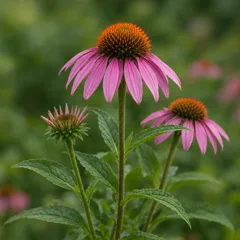
Sow outdoors in late fall; winter's cold chills the seed so it sprouts on its own in spring.
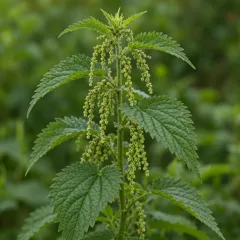
Sow outdoors in late fall; winter's cold chills the seed so it sprouts on its own in spring.
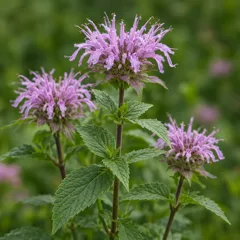
Sow outdoors in late fall; winter's cold chills the seed so it sprouts on its own in spring.
Flowers 14
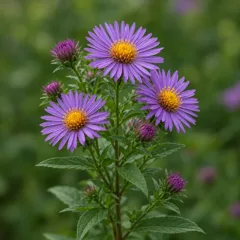
Sow outdoors in late fall; winter's cold chills the seed so it sprouts on its own in spring.
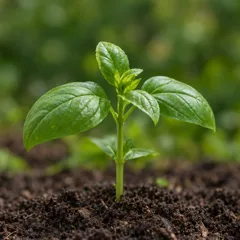
Sow outdoors in late fall; winter's cold chills the seed so it sprouts on its own in spring.
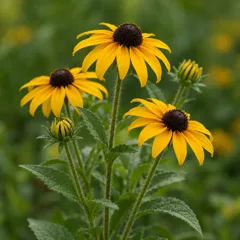
Sow outdoors in late fall; winter's cold chills the seed so it sprouts on its own in spring.
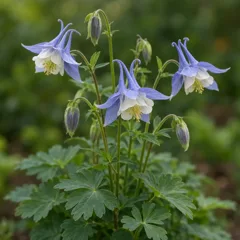
Sow outdoors in late fall; winter's cold chills the seed so it sprouts on its own in spring.
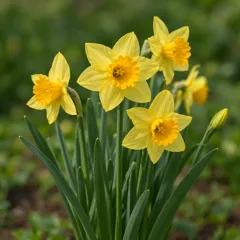
Plant bulbs now, pointed end up, about 15 cm deep: they need a few weeks to root before the ground freezes.
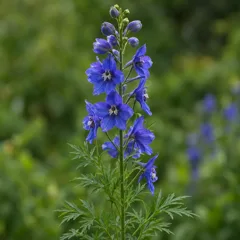
Sow outdoors in late fall; winter's cold chills the seed so it sprouts on its own in spring.
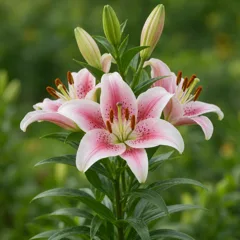
Plant bulbs now, a few weeks before the ground freezes, so roots grow through fall and plants come up strong in spring.
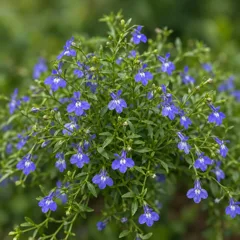
Sow cardinal flower outdoors in late fall so winter chills the seed.
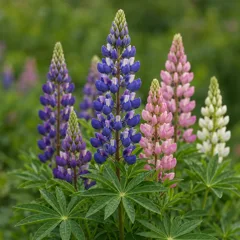
Sow in late fall so winter softens the hard seed coat.
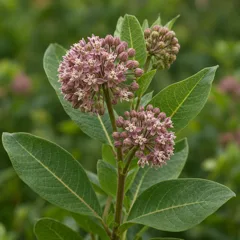
Sow outdoors in late fall; winter's cold chills the seed so it sprouts on its own in spring.
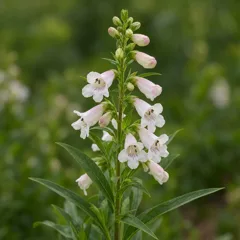
Sow outdoors in late fall; winter's cold chills the seed so it sprouts on its own in spring.
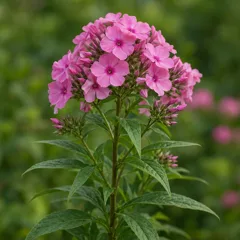
Sow outdoors in late fall; winter's cold chills the seed so it sprouts on its own in spring.
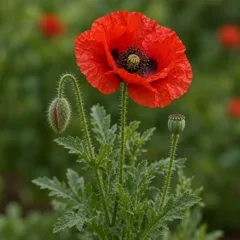
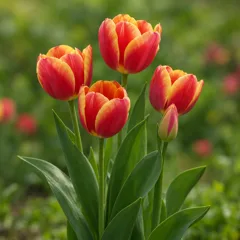
Indoors, any month 4
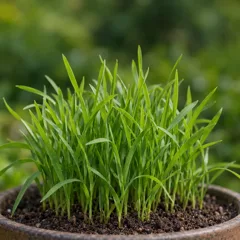
Sow a tray indoors any month; it is ready for the cat in about a week.
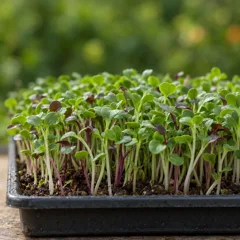
Sow a tray indoors any month; most are ready to cut in 1 to 3 weeks.
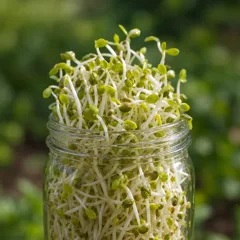
Sprout seeds in a jar on the counter any month; ready to eat in 3 to 6 days.
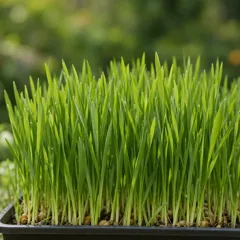
Sow a tray indoors any month; cut it in 7 to 10 days.
Seed and starter links are affiliate links: buying through them helps keep Evening Vines free.
This list is for most gardens in Saskatchewan and Manitoba. 16% are colder, with a later last frost, so type your postal code above for your own dates.
Coming up in December
Nothing goes in outdoors in December here. It is a month for planning and ordering seed.
Gardening in Saskatchewan and Manitoba
- Plant tender crops after the last frost, usually around late May; start long-season crops indoors.
- A windbreak or fence on the windy side protects seedlings and cuts water loss.
- Water deeply and mulch through hot, dry spells.
- Prairie-hardy fruit (haskap, saskatoon, sour cherries) is well worth a corner of the garden.
- Last spring frost
- about May 17 to May 21
- First fall frost
- about Sep 18 to Sep 30
- Frost-free season
- about 128 days (typical)
- Coldest night, typical winter
- -37 to -33°C
- January nights
- average low -20.8°C
- July days
- average high 25.7°C
Figures cover most of the region (the middle 80% of postal code areas). Agriculture and Agri-Food Canada climate normals, 1991-2020 (5 km grids). Frost means a night at or below 0°C. The coldest night is our own estimate from January lows.
Frost-free season: about May 13 to Oct 4. Green months have something to plant outdoors.
Other regions
- BC Coast and Islands last frost ~Feb 26–Apr 5
- BC Interior last frost ~Apr 26–May 29
- Alberta last frost ~May 15–May 23
- Southern Ontario last frost ~Apr 23–May 8
- Northern Ontario last frost ~May 12–May 31
- Quebec last frost ~Apr 29–May 20
- Atlantic Canada last frost ~May 4–May 26
- The North (Yukon, NWT, Nunavut) last frost ~May 19–Jun 24
Contains information licensed under the Open Government Licence – Canada (Agriculture and Agri-Food Canada climate normals). Postal code areas adapted from Statistics Canada (Open Licence); place names from GeoNames (CC BY 4.0). Sources and licences
