
What to Plant in Whitehorse, Yellowknife & the North in November
Yukon, the Northwest Territories and Nunavut have very short, cool growing seasons but extraordinarily long summer days. Frost can come in any month in many places. Gardening here is about shelter, warmth and quick crops; greenhouses and cold frames are the norm for anything tender.
Local frost dates: the last spring frost in the North (Yukon, NWT, Nunavut) usually comes between about May 19 and Jun 24, and the first fall frost between Aug 17 and Sep 22. Type your postal code for your own dates.
The North (Yukon, NWT, Nunavut) · winter low ~-50°C · frost ~Jun 17 – ~Sep 2
Nothing to sow outdoors in November. Look ahead with the month links; these grow on a windowsill.
Indoors, any month 4
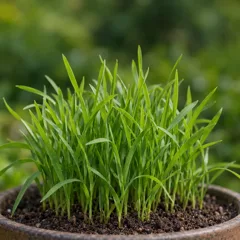
Sow a tray indoors any month; it is ready for the cat in about a week.
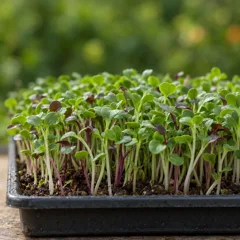
Sow a tray indoors any month; most are ready to cut in 1 to 3 weeks.
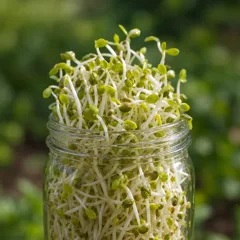
Sprout seeds in a jar on the counter any month; ready to eat in 3 to 6 days.
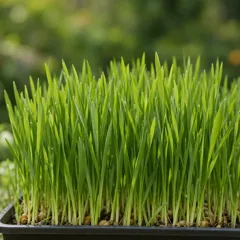
Sow a tray indoors any month; cut it in 7 to 10 days.
Seed and starter links are affiliate links: buying through them helps keep Evening Vines free.
This list is for most gardens in The North (Yukon, NWT, Nunavut). 67% of postal code areas here are milder (mostly near the coast), so type your postal code above for your own dates.
Coming up in December
Nothing goes in outdoors in December here. It is a month for planning and ordering seed.
Gardening in The North (Yukon, NWT, Nunavut)
- Greens, radishes, peas, potatoes and brassicas make the most of the long days.
- Grow tomatoes, cucumbers and squash in a greenhouse or under cover.
- Raised beds warm faster than the cold ground in spring.
- Keep covers ready all summer for frosty nights.
- Last spring frost
- about May 19 to Jun 24
- First fall frost
- about Aug 17 to Sep 22
- Frost-free season
- about 90 days (typical)
- Coldest night, typical winter
- -52 to -36°C
- January nights
- average low -29.0°C
- July days
- average high 20.8°C
Figures cover most of the region (the middle 80% of postal code areas). Agriculture and Agri-Food Canada climate normals, 1991-2020 (5 km grids). Frost means a night at or below 0°C. The coldest night is our own estimate from January lows.
Frost-free season: about Jun 17 to Sep 2. Green months have something to plant outdoors.
Other regions
- BC Coast and Islands last frost ~Feb 26–Apr 5
- BC Interior last frost ~Apr 26–May 29
- Alberta last frost ~May 15–May 23
- Saskatchewan and Manitoba last frost ~May 17–May 21
- Southern Ontario last frost ~Apr 23–May 8
- Northern Ontario last frost ~May 12–May 31
- Quebec last frost ~Apr 29–May 20
- Atlantic Canada last frost ~May 4–May 26
Contains information licensed under the Open Government Licence – Canada (Agriculture and Agri-Food Canada climate normals). Postal code areas adapted from Statistics Canada (Open Licence); place names from GeoNames (CC BY 4.0). Sources and licences
