
What to Plant in Birmingham, Nottingham & the Midlands in November
The Midlands are as far from the sea as you can get in England, so summers are warm and winters frostier than on the coasts. Cities like Birmingham and Nottingham stay a little milder; open countryside and the hills of Shropshire and the Peak fringe can frost late in spring.
Local frost dates: the last spring frost in the Midlands usually comes between about Apr 15 and Apr 27, and the first autumn frost between Oct 23 and Nov 3. Type your postcode for your own dates.
The Midlands · RHS H4 and hardier outdoors · frost ~Apr 16 – ~Nov 1
Vegetables 3
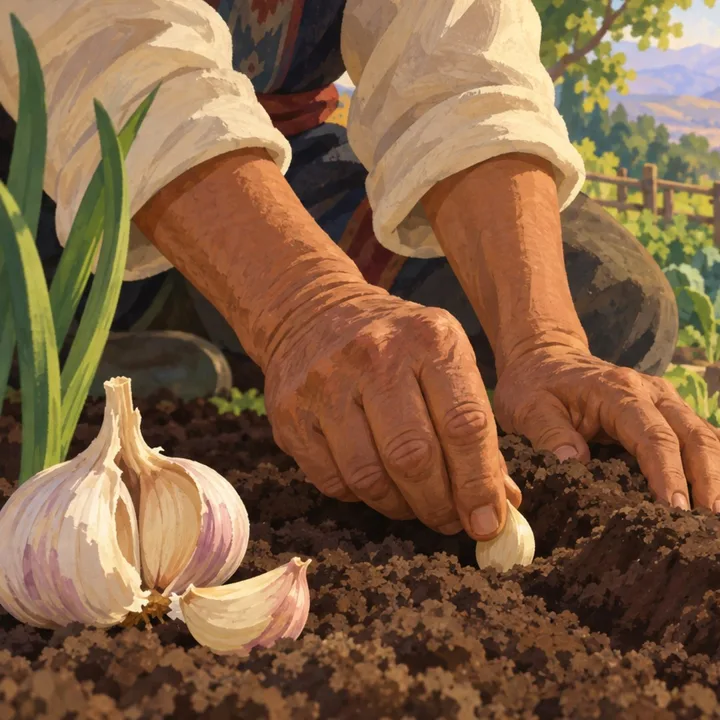
Plant cloves now, pointed end up, 4 to 6 weeks before the ground freezes: they root before winter, and the cold makes each clove divide into a new bulb.
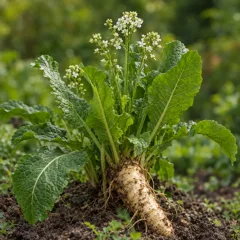
Plant root cuttings in autumn, around your first frost and a month or more before the ground freezes, so they root in and grow away early next spring.
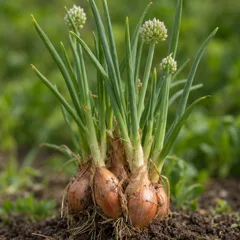
Herbs 3
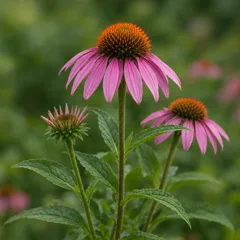
Sow outdoors in late autumn; winter's cold chills the seed so it sprouts on its own in spring.
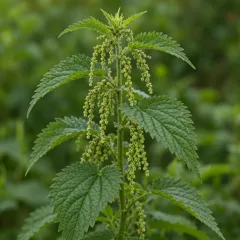
Sow outdoors in late autumn; winter's cold chills the seed so it sprouts on its own in spring.
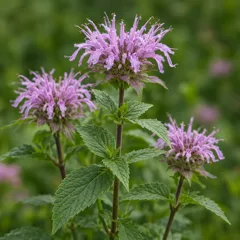
Sow outdoors in late autumn; winter's cold chills the seed so it sprouts on its own in spring.
Fruit 5
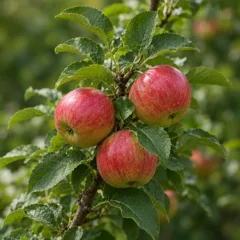
Where winters are mild, plant dormant bare-root trees in late autumn once the leaves have dropped, whenever the ground isn't frozen or waterlogged.
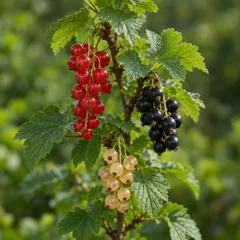
Plant dormant bushes after the leaves drop in autumn, while the soil is still workable, so roots grow before winter.
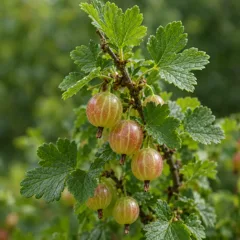
Plant bare-root bushes in late autumn once the leaves drop; roots settle in over winter, ready to grow in spring.
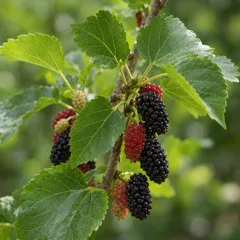
Plant dormant trees in late autumn after the leaves drop, while the soil is still workable, so the roots settle over winter.
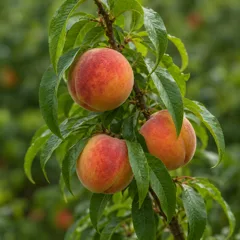
Flowers 14

Sow outdoors in late autumn; winter's cold chills the seed so it sprouts on its own in spring.
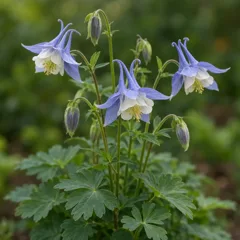
Sow outdoors in late autumn; winter's cold chills the seed so it sprouts on its own in spring.
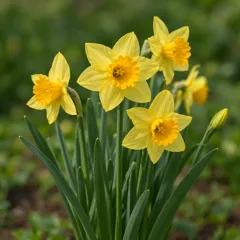
Plant bulbs once the soil has cooled in autumn; they root over winter and need the cold to bloom in spring.
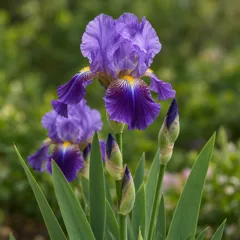
Plant Dutch iris and early dwarf iris bulbs now, around tulip time once the soil has cooled, 4 to 15 cm deep.
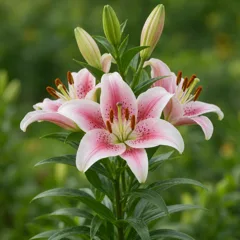
Plant bulbs now, a few weeks before the ground freezes, so roots grow through autumn and plants come up strong in spring.
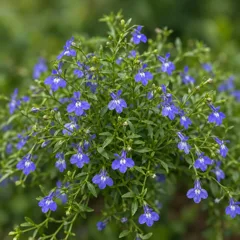
Sow cardinal flower outdoors in late autumn so winter chills the seed.
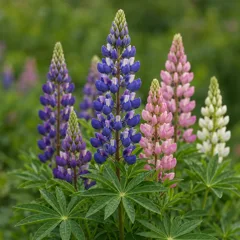
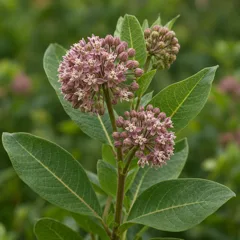
Sow outdoors in late autumn; winter's cold chills the seed so it sprouts on its own in spring.
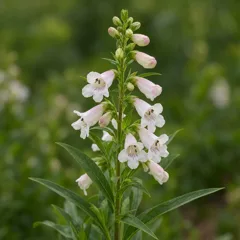
Sow outdoors in late autumn; winter's cold chills the seed so it sprouts on its own in spring.
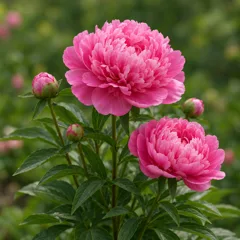
Plant bare-root peonies now, about 4 to 6 weeks before the ground freezes, with the eyes no more than 5 cm deep; the roots settle in before winter.
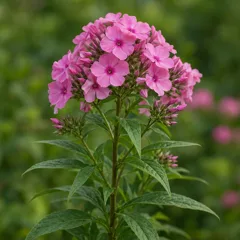
Sow outdoors in late autumn; winter's cold chills the seed so it sprouts on its own in spring.
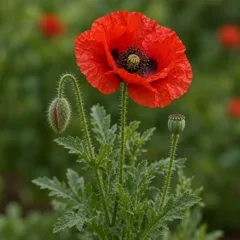
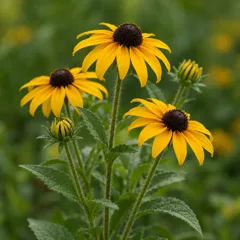
Sow outdoors in late autumn; winter's cold chills the seed so it sprouts on its own in spring.
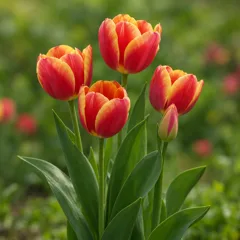
Indoors, any month 4
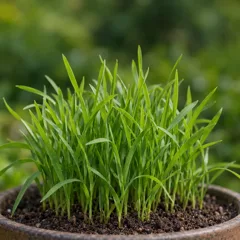
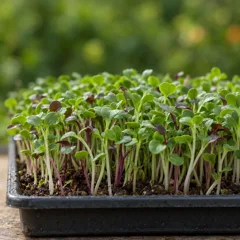
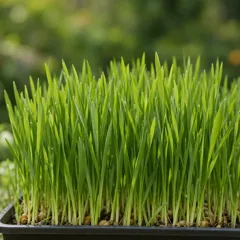
Sow a tray indoors any month; most are ready to cut in 1 to 3 weeks.
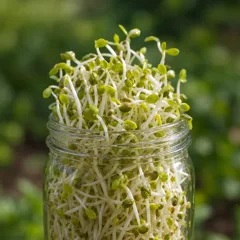
Sprout seeds in a jar on the counter any month; ready to eat in 3 to 6 days.
Seed and starter links are affiliate links: buying through them helps keep Evening Vines free.
This list is for most gardens in The Midlands. 1% of postcode districts here are milder (mostly near the coast), and 22% are colder, with a later last frost, so type your postcode above for your own dates.
Coming up in December
16 plants go in outdoors in December. 1 of them is new for the month:
Gardening in The Midlands
- Warm summers mean outdoor tomatoes, courgettes, French and runner beans and sweetcorn are worth a go from late May or early June.
- Don't rush tender plants out: a clear May night can still bring frost in the countryside.
- Clay soils are common: add compost each year and avoid digging when wet.
- Fruit trees love the warm summers; pick late-flowering varieties if your garden sits in a frost hollow.
- Last spring frost
- about Apr 15 to Apr 27
- First autumn frost
- about Oct 23 to Nov 3
- Coldest night, typical winter
- -8 to -6°C
- January nights
- average low 1.3°C
- July days
- average high 21.3°C
- Air frosts
- about 48 nights a year
- Rain
- about 810 mm a year
- Sunshine
- about 1,485 hours a year
Frost dates and coldest nights cover most of the region (the middle 80% of places). Met Office climate district averages, 1991-2020. On hardiness: plants rated RHS H4 or hardier come through a typical winter in the mildest parts. Tender plants (H1 to H2) need a frost-free place over winter.
Frost-free season: about Apr 16 to Nov 1. Green months have something to plant outdoors.
Other regions
- Scotland North last frost ~Apr 11–May 12
- Scotland East last frost ~Apr 14–May 7
- Scotland West last frost ~Mar 28–Apr 21
- North East England last frost ~Apr 1–Apr 23
- North West England and North Wales last frost ~Mar 29–Apr 20
- East Anglia last frost ~Mar 30–Apr 17
- South West England and South Wales last frost ~Mar 17–Apr 21
- South East and Central Southern England last frost ~Mar 23–Apr 12
- Northern Ireland last frost ~Apr 13–Apr 26
Climate figures: Met Office (Open Government Licence). Postcodes: Ordnance Survey Code-Point Open. Sources and licences
