
What to Plant in Yorkshire, Newcastle & Lincolnshire in November
Northumberland, Durham, Yorkshire and Lincolnshire sit in the rain shadow of the Pennines, so the east is fairly dry. Cold winds off the North Sea can keep spring chilly along the coast, while the Vale of York and the Lincolnshire lowlands warm up well in summer.
Local frost dates: the last spring frost in North East England usually comes between about Apr 1 and Apr 23, and the first autumn frost between Oct 30 and Nov 18. Type your postcode for your own dates.
North East England · RHS H3 and hardier outdoors · frost ~Apr 1 – ~Nov 14
Vegetables 4
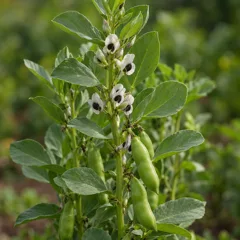
Sow a hardy variety such as Aquadulce Claudia now so young plants overwinter and crop early next spring; fleece them in hard cold.
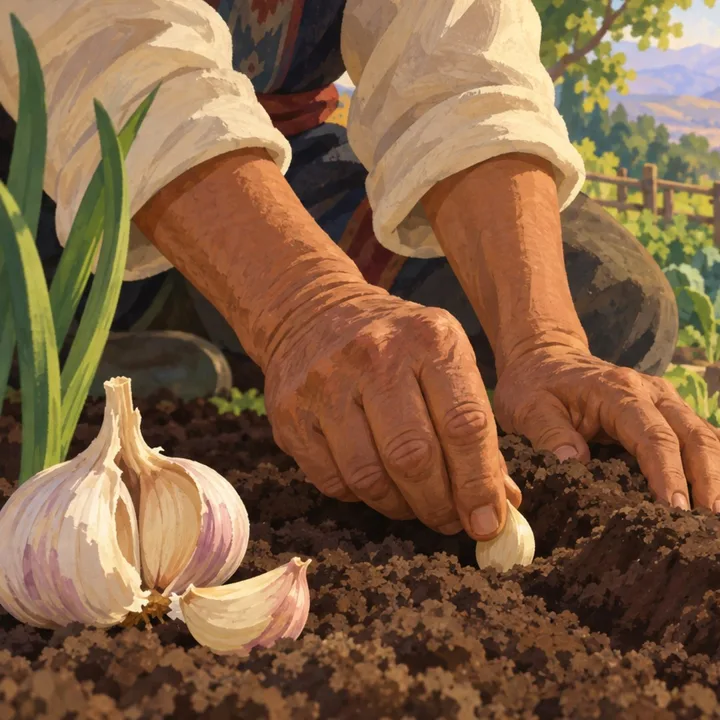
Plant cloves now, pointed end up, 4 to 6 weeks before the ground freezes: they root before winter, and the cold makes each clove divide into a new bulb.
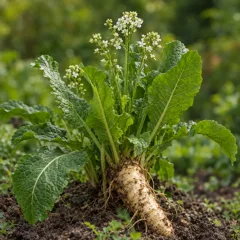
Plant root cuttings in autumn, around your first frost and a month or more before the ground freezes, so they root in and grow away early next spring.
Herbs 3
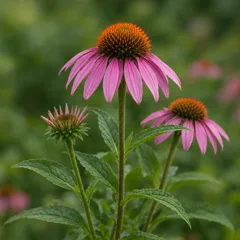
Sow outdoors in late autumn; winter's cold chills the seed so it sprouts on its own in spring.
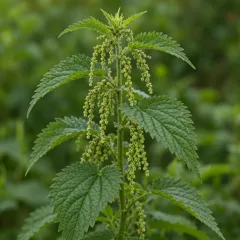
Sow outdoors in late autumn; winter's cold chills the seed so it sprouts on its own in spring.
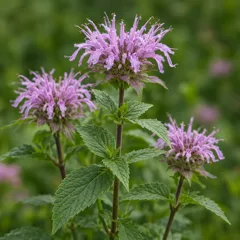
Sow outdoors in late autumn; winter's cold chills the seed so it sprouts on its own in spring.
Fruit 6
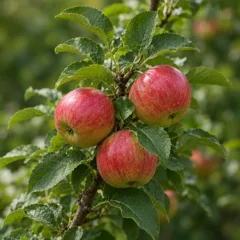
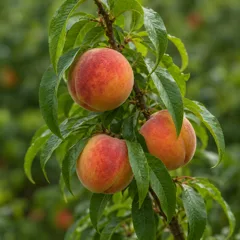
Where winters are mild, plant dormant bare-root trees in late autumn once the leaves have dropped, whenever the ground isn't frozen or waterlogged.
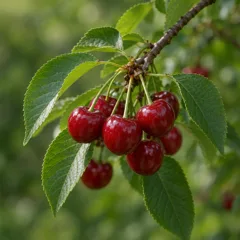
Plant dormant trees in late autumn once the leaves have dropped; in mild winters the soil stays workable and the roots settle in before spring.
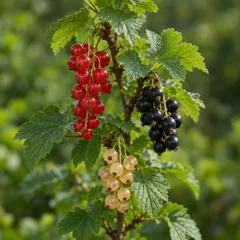
Plant dormant bushes after the leaves drop in autumn, while the soil is still workable, so roots grow before winter.
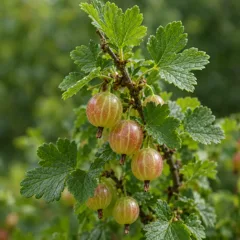
Plant bare-root bushes in late autumn once the leaves drop; roots settle in over winter, ready to grow in spring.
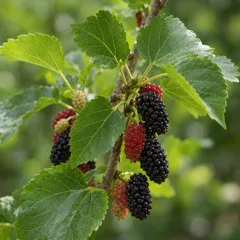
Plant dormant trees in late autumn after the leaves drop, while the soil is still workable, so the roots settle over winter.
Flowers 12
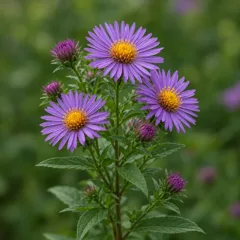
Sow outdoors in late autumn; winter's cold chills the seed so it sprouts on its own in spring.
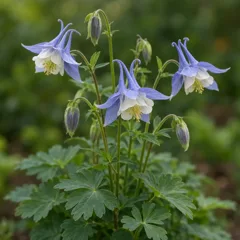
Sow outdoors in late autumn; winter's cold chills the seed so it sprouts on its own in spring.
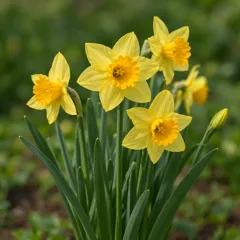
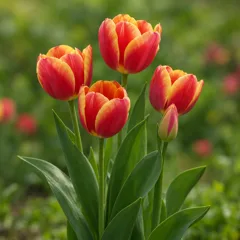
Plant bulbs once the soil has cooled in autumn; they root over winter and need the cold to bloom in spring.
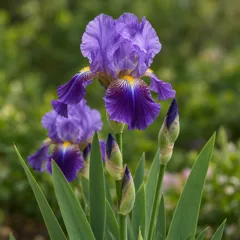
Plant Dutch iris and early dwarf iris bulbs now, around tulip time once the soil has cooled, 4 to 15 cm deep.
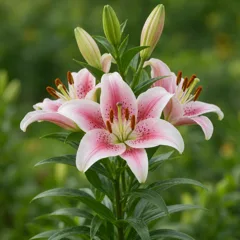
Plant bulbs now, a few weeks before the ground freezes, so roots grow through autumn and plants come up strong in spring.
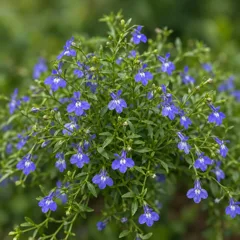
Sow cardinal flower outdoors in late autumn so winter chills the seed.
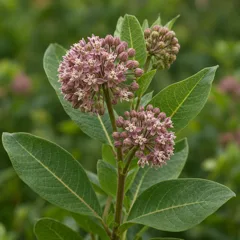
Sow outdoors in late autumn; winter's cold chills the seed so it sprouts on its own in spring.
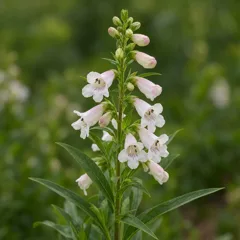
Sow outdoors in late autumn; winter's cold chills the seed so it sprouts on its own in spring.
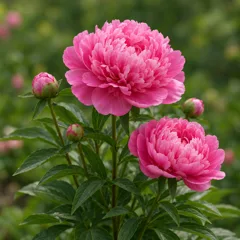
Plant bare-root peonies now, about 4 to 6 weeks before the ground freezes, with the eyes no more than 5 cm deep; the roots settle in before winter.
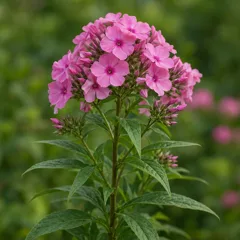
Sow outdoors in late autumn; winter's cold chills the seed so it sprouts on its own in spring.
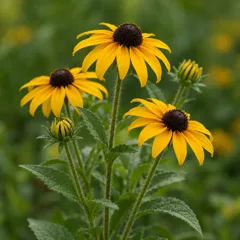
Sow outdoors in late autumn; winter's cold chills the seed so it sprouts on its own in spring.
Indoors, any month 4
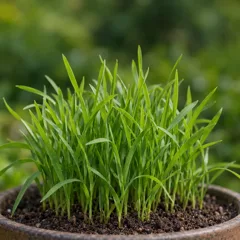
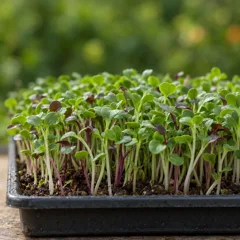
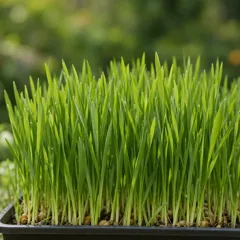
Sow a tray indoors any month; most are ready to cut in 1 to 3 weeks.
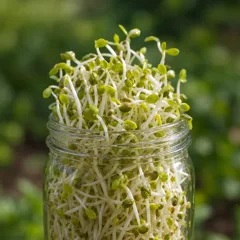
Sprout seeds in a jar on the counter any month; ready to eat in 3 to 6 days.
Seed and starter links are affiliate links: buying through them helps keep Evening Vines free.
This list is for most gardens in North East England. 64% are colder, with a later last frost, so type your postcode above for your own dates.
Coming up in December
20 plants go in outdoors in December. 2 of them are new for the month:
Gardening in North East England
- Coastal gardens: a windbreak matters more than anything you buy.
- Inland gardens get warm enough for courgettes, beans and sweetcorn outdoors from early June.
- The dry east suits onions, garlic, shallots and potatoes.
- Pennine gardens above about 200 m: add a week or two to every spring date on this page.
- Last spring frost
- about Apr 1 to Apr 23
- First autumn frost
- about Oct 30 to Nov 18
- Coldest night, typical winter
- -7 to -4°C
- January nights
- average low 1.0°C
- July days
- average high 20.3°C
- Air frosts
- about 52 nights a year
- Rain
- about 793 mm a year
- Sunshine
- about 1,493 hours a year
Frost dates and coldest nights cover most of the region (the middle 80% of places). Met Office climate district averages, 1991-2020. On hardiness: plants rated RHS H3 or hardier come through a typical winter in the mildest parts, and H4 or hardier in the coldest. Tender plants (H1 to H2) need a frost-free place over winter.
Frost-free season: about Apr 1 to Nov 14. Green months have something to plant outdoors.
Other regions
- Scotland North last frost ~Apr 11–May 12
- Scotland East last frost ~Apr 14–May 7
- Scotland West last frost ~Mar 28–Apr 21
- North West England and North Wales last frost ~Mar 29–Apr 20
- The Midlands last frost ~Apr 15–Apr 27
- East Anglia last frost ~Mar 30–Apr 17
- South West England and South Wales last frost ~Mar 17–Apr 21
- South East and Central Southern England last frost ~Mar 23–Apr 12
- Northern Ireland last frost ~Apr 13–Apr 26
Climate figures: Met Office (Open Government Licence). Postcodes: Ordnance Survey Code-Point Open. Sources and licences
