
 Black Rot of Cabbage, Broccoli and Kale (Brassica Black Rot)
At a glance
| Type | Bacterium |
| Main cause | Xanthomonas campestris pv. campestris, often brought in on seed or transplants |
| Worst conditions | Warm, wet spells (it does best around 80 to 86°F) with rain, dew or overhead watering |
Recent community discussions
No one has talked about Black Rot of Cabbage, Broccoli and Kale (Brassica Black Rot) yet. Be the first.
Join free to talk about Black Rot of Cabbage, Broccoli and Kale (Brassica Black Rot) ›
Don't mix this one up with black rot of grapes or black rot of sweet potatoes. Those are separate diseases. This one only goes after the cabbage family.
Signs
Field note: when a cabbage or broccoli plant looks tired and you can't say why, slice across the stem near the base. A dark ring, or a circle of dark dots, inside the stem is the first real hint of black rot. On turnips and rutabagas, cut the root across instead. The ring can show up there before the leaves look wrong at all.
Then turn to the leaves:
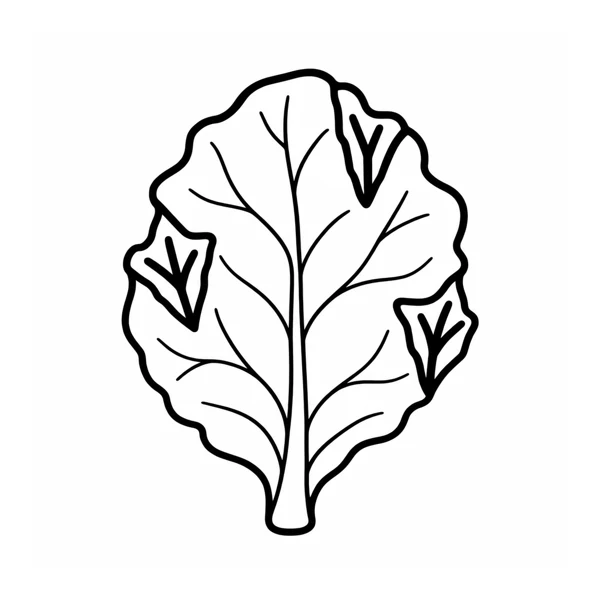
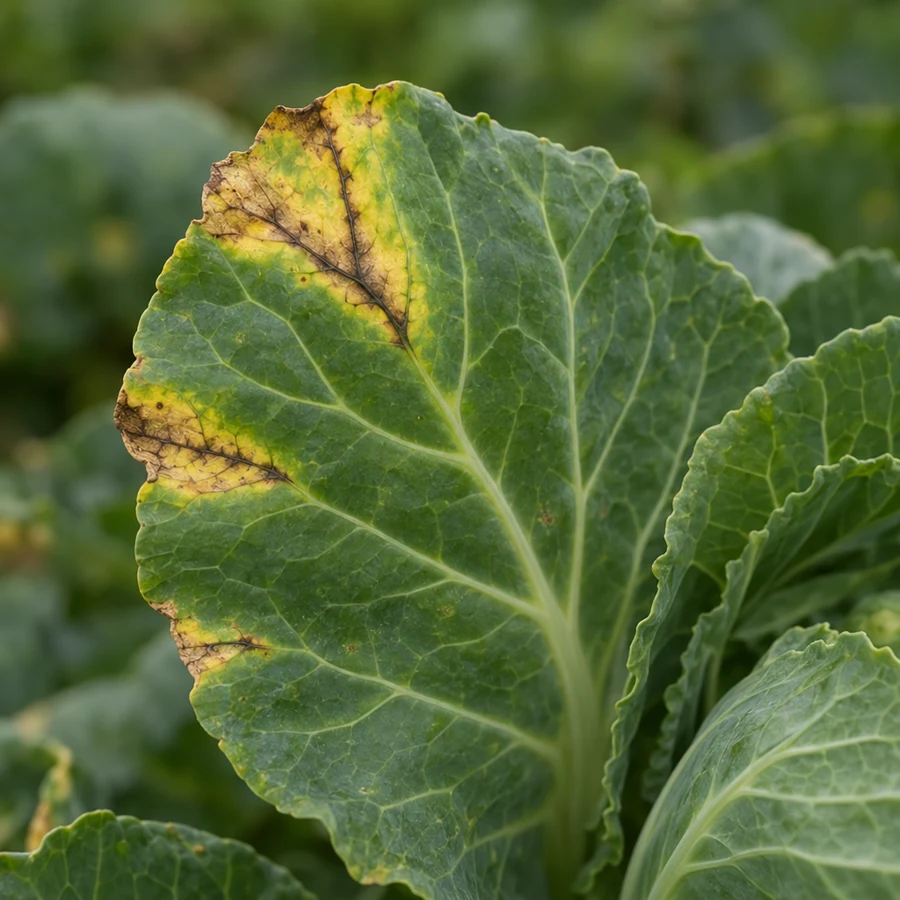
- Hold a yellowing leaf up to the light. If the veins inside the yellow look like black ink lines, that's black rot. Trust this sign more than any other.
- The yellow almost always starts at the leaf edge and widens into a wedge, with the narrow end pointing in toward the middle of the leaf.
- Older patches dry out brown and papery, and badly hit leaves go limp and drop.
- It can take a month or more after planting for anything to show, so seedlings that looked clean in spring can still turn in summer.
Black Rot or Something Else?
A quick check before you pull anything:
- Dry-spell scorch: the leaf edges brown fairly evenly all the way around, the veins stay green or pale, and the plant perks up after a deep soak. No black veins, and no dark ring in the stem.
- Fusarium yellows: the whole plant takes on a dull yellow-green cast, often on one side first, and the leaves and stem bend sideways toward that side. It starts on the lower leaves and climbs. Veins and stem tissue go brown, not black. It's mostly a warm-soil problem.
- Alternaria leaf spot: round brown to black spots scattered over the leaf, often with rings like a target and a yellow halo. Spots, not wedges from the edge. More on Alternaria leaf spot.
- Black rot: a yellow wedge from the leaf edge, black veins inside it, and a dark ring in the stem.
Cause and Spread
The bacteria usually arrive on infected seed or transplants, and even a little infected seed can start an outbreak. In the garden they travel in splashing water and on hands, tools and some insects, and they slip in through the tiny pores along the leaf edges while leaves are wet. They can hang on in old plant debris for up to two years, and in cabbage-family weeds such as wild mustard and shepherd's purse.
Prevention
Work through the year with it, season by season.
Winter, when you choose seed
- Buy seed sold as tested or hot-water treated. If you treat your own, follow your state extension's exact time and temperature for each crop (it differs between, say, cabbage and broccoli), and test a few seeds first, since the soak can lower germination.
- Choose resistant or tolerant varieties where you can. For cabbage, UConn's IPM program lists Guardian, Defender and Gladiator as resistant, and Bravo, Blue Thunder and Atlantis among the tolerant ones. The Pacific Northwest disease handbook lists broccoli such as Belstar and Marathon as having some resistance. Tolerant means less damage, not immune, so the other steps still count. More on picking seed in choose disease-resistant varieties and order seeds early.
Spring, when transplants go in
- Look over every transplant before it goes in the ground, and leave behind any with yellow leaf edges or dark veins. Raising your own from clean seed is the safest route: see start cabbage and broccoli indoors.
- Don't trim seedlings with scissors or shears. One cut can carry the bacteria down a whole tray.
- Give plants room so the leaves dry quickly after rain.
- Time your planting to your zone's cool-season window (find yours on the zones page). The bacteria like it warm and wet, so cool-weather crops dodge the worst of it.
Summer, while the crop grows
- Water at the soil, ideally in the morning, rather than over the leaves. Watering deeply has more.
- Stay out of the bed while the leaves are wet.
- Pull wild mustard, shepherd's purse and other weedy cousins in and around the garden before they set seed. See weed early.
Fall, after harvest
- Clear away spent plants promptly, or dig them in well. Clean up diseased plants in fall walks you through it.
- Scrub and dry your tools before they're put away: clean and store garden tools.
- Plan the rotation: keep cabbage, broccoli, kale, turnips, radishes, mustard greens and their relatives out of that bed for three years. Our crop rotation plan makes this easy to track.
Organic Treatment
- There's no cure once a plant is infected.
- Copper sprays labeled for cabbage-family crops may slow the spread when the disease is still light, but they only help a little (UMass, UW-Madison). Always follow the label.
- Clean-up and good watering habits do far more than any spray.
When to Pull the Plant
Pull infected seedlings straight away and put them in the trash. On older plants, pick off spotted leaves if only a few are hit. If the black veins have reached the stem or head, pull the whole plant. Keep it out of the compost: the bacteria only die in a pile that gets properly hot and is then left for at least a year, and most home bins never heat up evenly enough to be sure. Wash your hands and tools before touching healthy plants.
Sources
Plants it affects 9
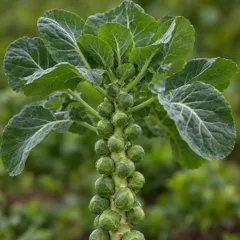
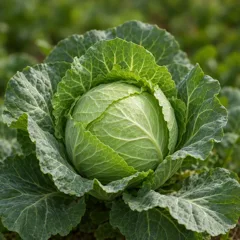
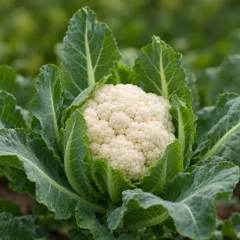
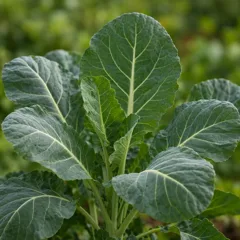
Recent community discussions
No one has talked about Black Rot of Cabbage, Broccoli and Kale (Brassica Black Rot) yet. Be the first.
Join free to talk about Black Rot of Cabbage, Broccoli and Kale (Brassica Black Rot) ›
Products that take care of Black Rot of Cabbage, Broccoli and Kale (Brassica Black Rot)
 Copper FungicideOrganic spray that protects leaves from blights, leaf spots and bacterial diseases.See it →
 Biofungicide (Bacillus subtilis)Friendly bacteria that crowd out mildews, gray mold and leaf spots.See it →
 Soaker HoseWaters the roots slowly, not the leaves: less disease, less water, less work.See it →
