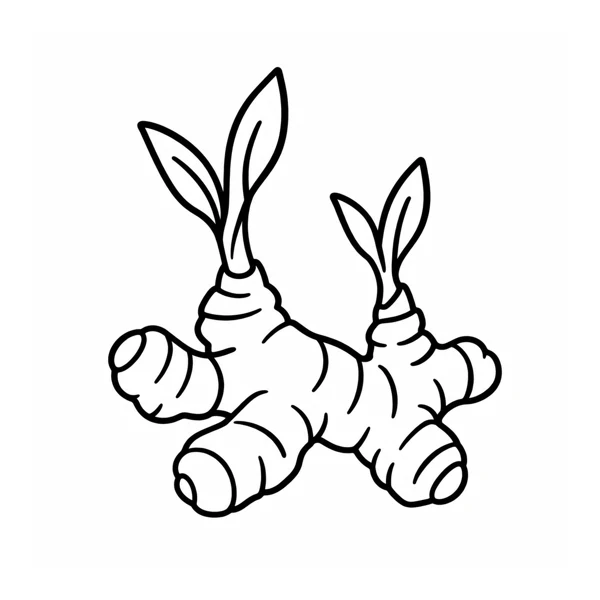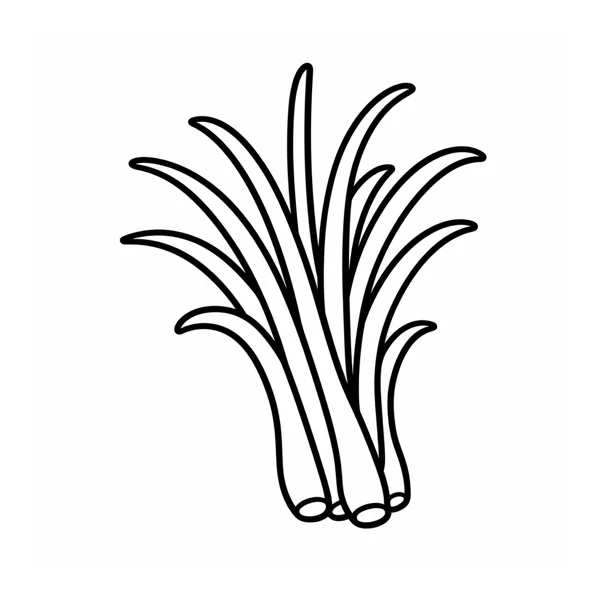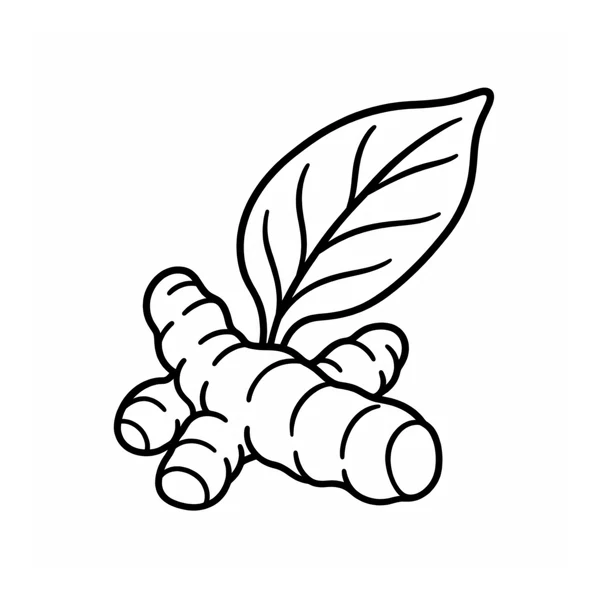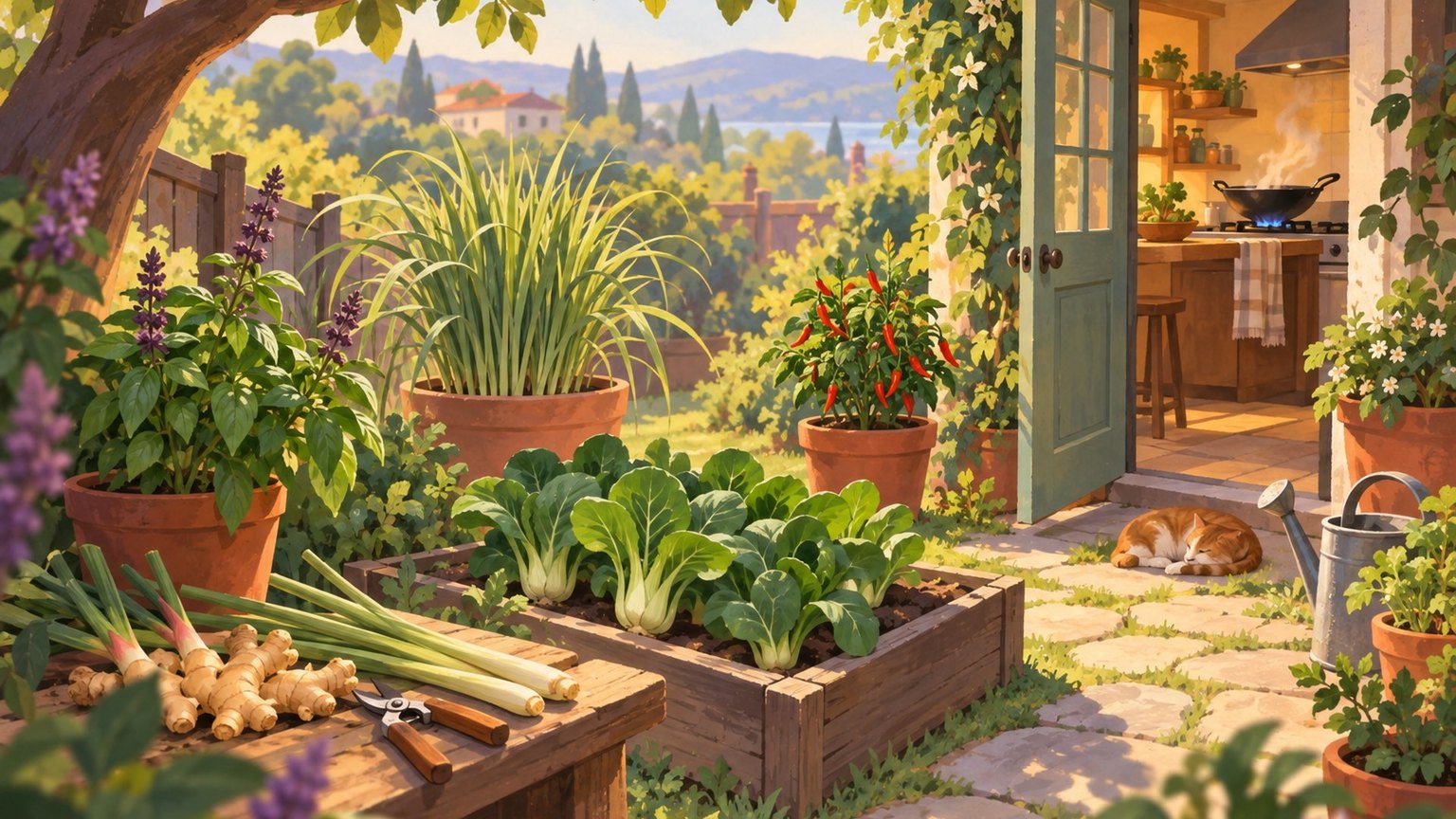
Imagine picking everything for a Thai curry, a bowl of pho or a Chinese stir fry from your own back garden. These six plants, plus a bonus, are the fresh, fragrant flavors so many Asian dishes are built on, and every one of them can grow at your place, in the ground or in a pot.
Start from seed, or from seed rhizomes for ginger and turmeric, bought from a seed company or garden center. Organic seed ginger and turmeric are easy to find in spring.
Where each one grows
| Plant | Difficulty | USA | UK | Australia | Central Europe |
|---|---|---|---|---|---|
| Ginger | Medium | Outdoors in zones 9–12; a pot elsewhere | Pot in a greenhouse or on a sunny windowsill | Outdoors in the warm north and east | Pot indoors, outside in high summer |
| Turmeric | Medium | Outdoors in zones 8–11; a pot elsewhere | Pot in a greenhouse or conservatory | Outdoors in the warm north and east | Pot indoors, outside in high summer |
| Lemongrass | Easy | Perennial in zones 9–11; a summer crop elsewhere | Pot outside in summer, inside for winter | Easy in warm areas; a pot where it frosts | Pot on a sunny balcony, inside for winter |
| Thai basil | Easy | Summer, outdoors after frost | Sunny windowsill, greenhouse or warm patio | Warm months; all year in the tropics | Outside after the Ice Saints, mid-May |
| Bok choy | Easy | Spring and fall; through winter in zones 8–10 | Sow July–August for autumn | Autumn to early spring; dry season in the tropics | Sow in late summer for autumn |
| Thai chilies | Easy to medium | Start indoors; perennial in zones 10–11 | Sunny windowsill or greenhouse | Easy in warm areas; perennial in the tropics | Pot on a sunny balcony after mid-May |
| Garlic (bonus) | Easy | Plant October–November | Plant October–November | Plant March–May | Plant September–October |
1. Ginger
- Plant: pieces of seed ginger with buds facing up, about 2 inches deep and 8–12 inches apart. Ginger grows sideways, so a wide, shallow pot (12 inches or more across) beats a deep one. In cool climates, start it indoors in late winter or early spring.
- Care: warmth, rich compost-based soil that drains well, steady moisture and bright light without harsh midday sun. Feed every few weeks. It hates cold, soggy soil: water less when it's cool, and bring pots inside below about 50°F (10°C).
- Harvest: baby ginger (pink, tender, no tough skin) from about 4 months; full-size ginger at 8–10 months, when the leaves yellow. Save the best pieces to replant.
- Dishes: Chinese ginger and scallion sauce, Japanese pickled ginger, Indian ginger-garlic paste and masala chai, Korean kimchi paste, Filipino tinola.
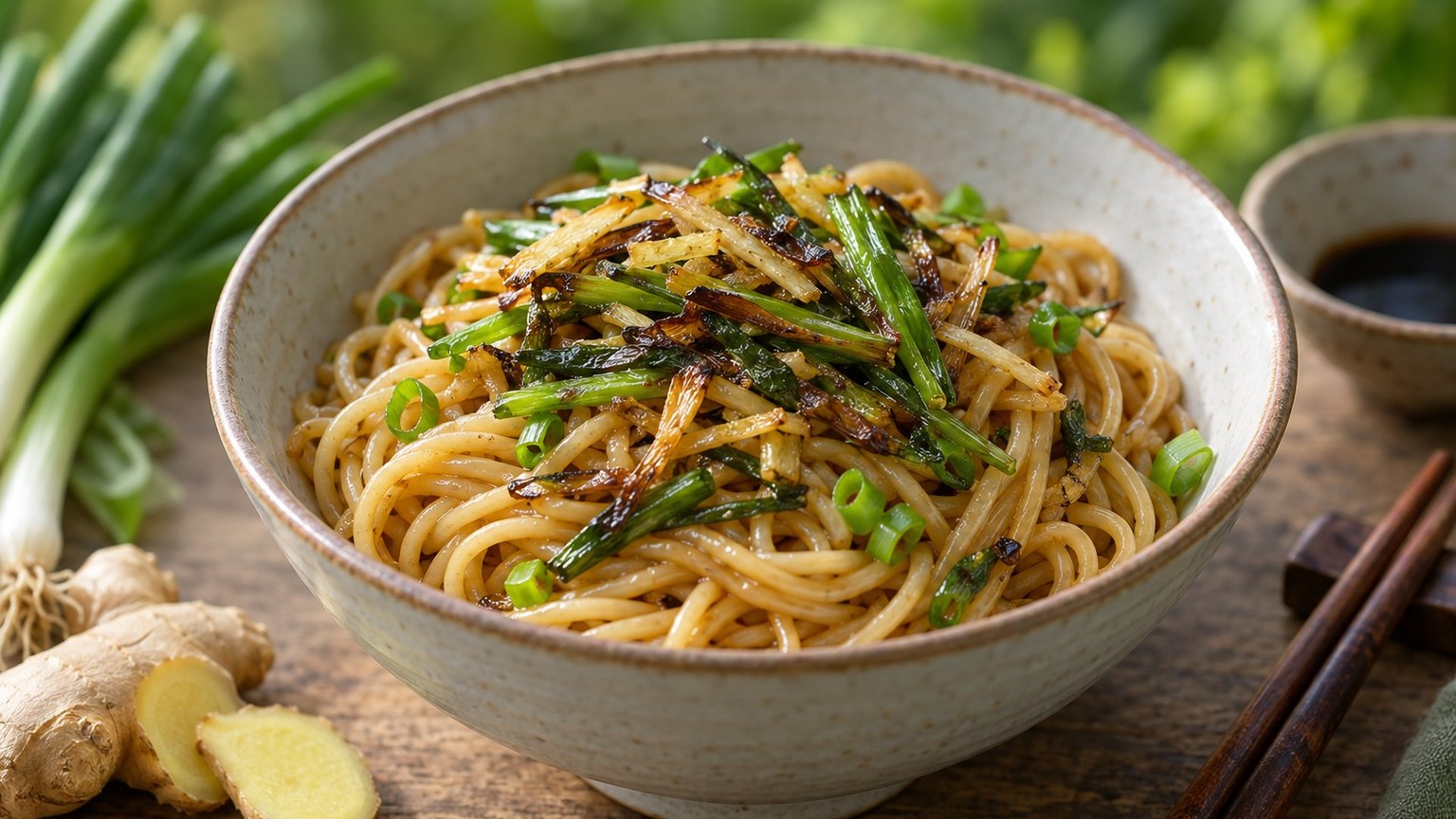
Recipe: Ginger and scallion noodles (China)
!Ginger and scallion noodles in a bowl
Serves 2, ready in 15 minutes.
- 7 oz (200 g) dried wheat noodles
- 3 tbsp finely minced fresh ginger
- 6 scallions, finely sliced
- ½ tsp salt
- 4 tbsp peanut or other neutral oil
- 1 tbsp light soy sauce
- 1 tsp oyster sauce (optional)
- ½ tsp sugar
- 1 tsp toasted sesame oil
- Put the ginger, scallions and salt in a heatproof bowl.
- Heat the oil in a small pan until it shimmers, then pour it over the ginger and scallions. It will sizzle. Stir.
- Cook the noodles as the packet says and drain.
- Toss the hot noodles with the soy sauce, oyster sauce, sugar and sesame oil, then spoon the ginger-scallion oil over the top.
2. Turmeric
- Plant: plump rhizome "fingers" with a few buds, laid flat about 2 inches deep, 12–18 inches apart, or one or two in a deep pot. They can take a month to sprout.
- Care: like ginger: warmth, rich soil, steady water and a monthly feed; afternoon shade in hot climates. The leaves grow up to 3 feet long, and pale pink and white flower spikes appear in late summer. In winter it rests: keep the pot dry and frost-free until spring.
- Harvest: dig the clump when the leaves yellow, 8–10 months after planting. Wear gloves: fresh turmeric stains. Use it fresh, replant the best pieces, or slice, dry completely and grind your own powder.
- Dishes: Indian dal and curries, Thai yellow curry, Indonesian nasi kuning, Malaysian rendang (with turmeric leaves), and Hanoi's turmeric fish with dill.
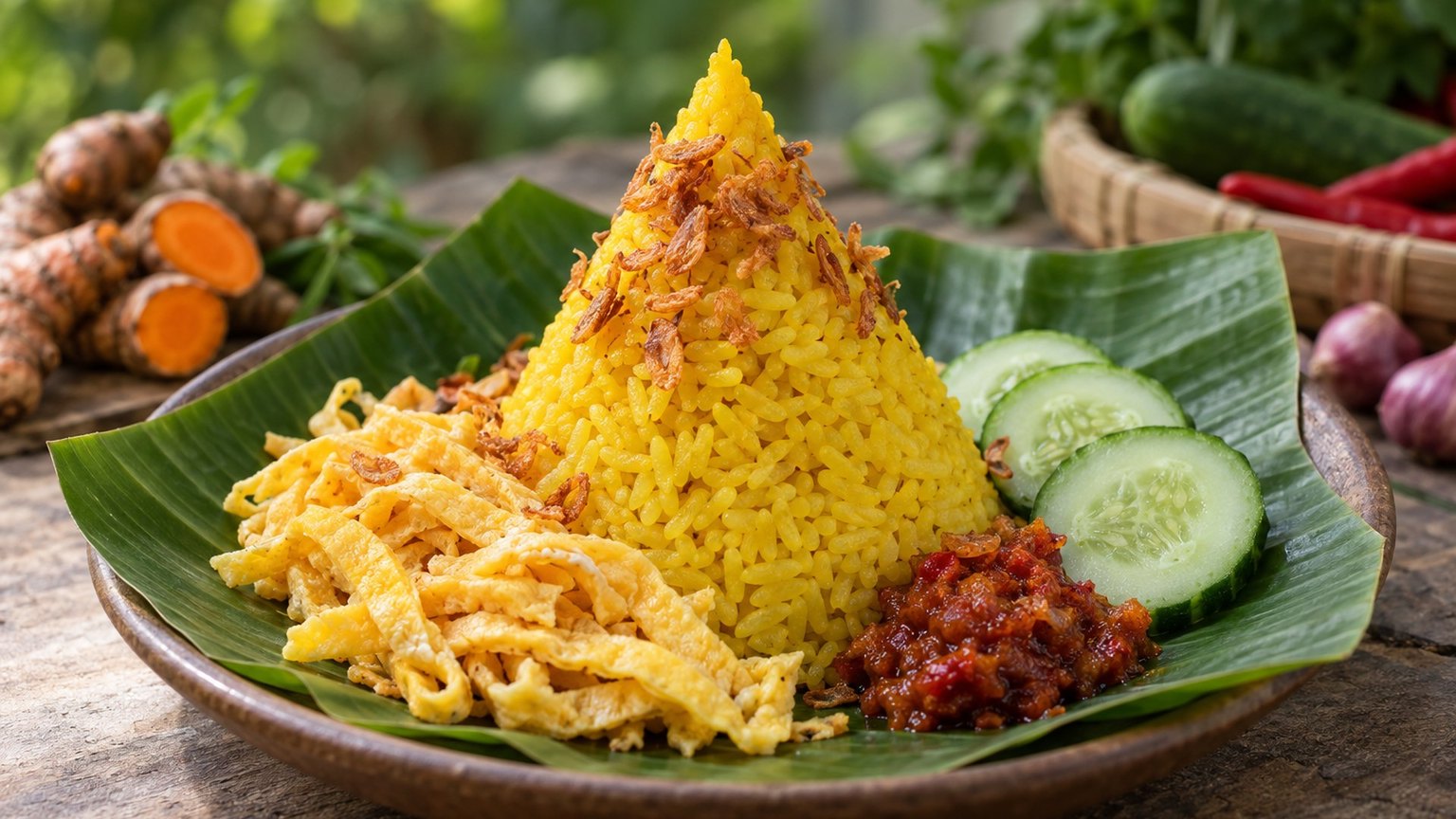
Recipe: Nasi kuning, yellow coconut rice (Indonesia)
!Nasi kuning, yellow coconut rice, with its side dishes
Serves 4.
- 1½ cups (300 g) jasmine rice
- 1 cup (250 ml) coconut milk
- ¾ cup plus 1 tbsp (200 ml) water
- 1 tbsp grated fresh turmeric (or 1 tsp ground)
- 1 lemongrass stalk, bruised and tied in a knot
- 2 makrut lime leaves
- 1 pandan leaf, knotted (optional)
- 1 tsp salt
- To serve: fried egg strips, cucumber slices, crispy fried shallots, sambal
- Rinse the rice until the water runs clear.
- Put everything in a pot (or a rice cooker), bring to a boil and stir once.
- Cover, turn the heat to its lowest and cook for 15 minutes. Turn off the heat and leave it covered for 10 more minutes.
- Remove the lemongrass and leaves, fluff the rice, and press it into a bowl or cone to serve with the sides.
3. Lemongrass
- Plant: start seed indoors about 8 weeks before your last frost (barely cover the tiny seed), or buy a young plant from a nursery. Plant out in full sun once it's warm, 2–3 feet apart. A clump grows 3–5 feet tall, so use a big pot.
- Care: sun, regular water and a nitrogen-rich feed: the more water and food, the more stalks. Before the first frost, cut it back, pot up a clump and keep it on a bright windowsill with little water. Divide big clumps in spring.
- Harvest: cut or snap stalks about ½ inch thick at the base. Cook with the pale lower part; the leafy tops make a lemony tea.
- Dishes: Thai tom yum, Vietnamese lemongrass chicken, Malaysian laksa, Cambodian kroeung paste.
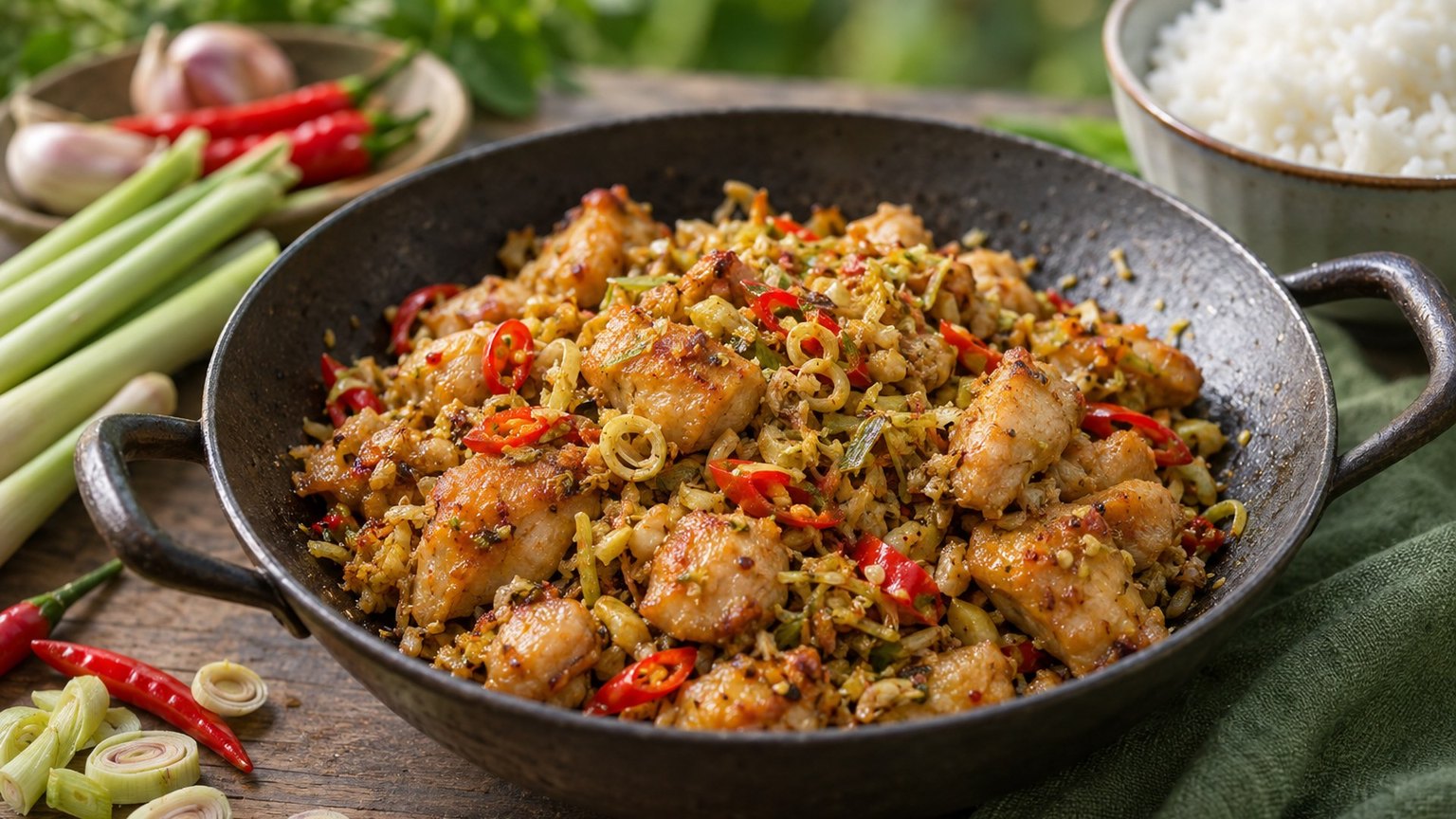
Recipe: Lemongrass chili chicken, gà xào sả ớt (Vietnam)
!Vietnamese lemongrass chili chicken in a pan
Serves 3–4.
- 1 lb (500 g) boneless chicken thighs, in bite-size pieces
- 1 tbsp fish sauce and 1 tsp sugar, for the marinade
- 3 lemongrass stalks, lower part finely minced
- 3 garlic cloves, minced
- 2 shallots, sliced
- 1–2 Thai chilies, sliced
- 1 tbsp oil
- Sauce: 1 tbsp fish sauce, 1 tbsp sugar, 2 tbsp water
- Cilantro and steamed rice, to serve
- Toss the chicken with the fish sauce and sugar and leave for 15 minutes.
- Heat the oil in a wok or frying pan and fry the lemongrass, garlic, shallots and chili for 2 minutes, until fragrant.
- Add the chicken and fry until golden all over, 6–8 minutes.
- Add the sauce and cook until it turns glossy and the chicken is cooked through. Top with cilantro and serve with rice.
4. Thai basil
- Plant: sow indoors 6–8 weeks before your last frost, about ¼ inch deep; it sprouts in under a week somewhere warm. Plant out when nights stay above 50°F (10°C), about 12 inches apart.
- Care: once it has three or four pairs of leaves, pinch out the top; every pinch makes two new shoots. Keep pinching off flower buds for more leaves, and let a few flower late in the season for the bees.
- Harvest: cut stems just above a pair of leaves, little and often. Keep cut stems in a glass of water on the counter, not in the fridge.
- Varieties: Siam Queen, Queenette. (The Thai stir fry pad kra pao is made with holy basil, a spicier cousin.)
- Dishes: Thai green and red curry, the herb plate with Vietnamese pho, Taiwanese three-cup chicken.
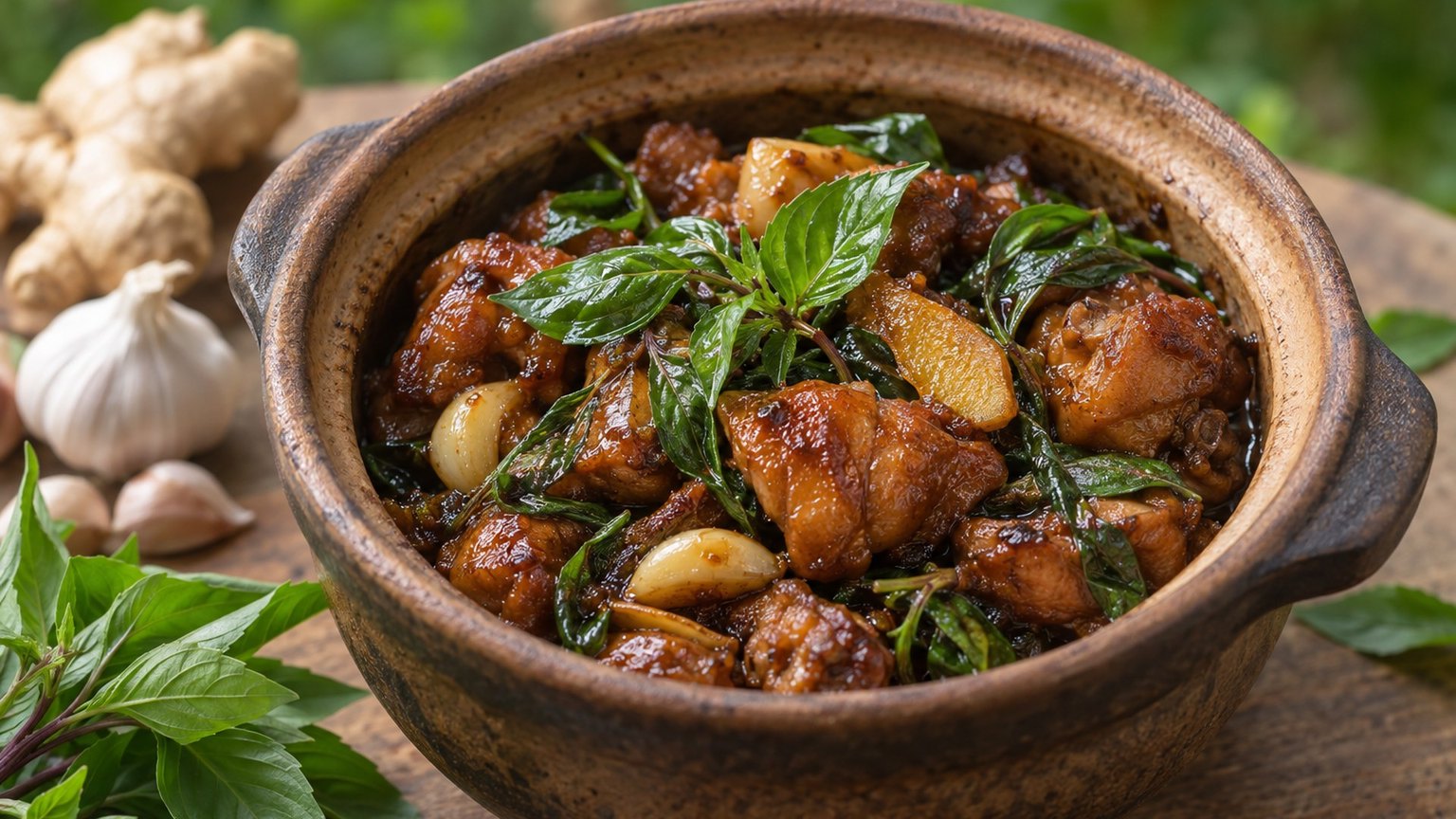
Recipe: Three-cup chicken, san bei ji (Taiwan)
!Taiwanese three-cup chicken with Thai basil in a clay pot
Serves 3–4.
- 1½ lb (700 g) chicken thighs, bone-in or boneless, in pieces
- 3 tbsp toasted sesame oil
- A 2-inch piece of ginger, thinly sliced
- 10 garlic cloves, peeled and left whole
- 1–2 Thai chilies, halved (optional)
- ¼ cup (60 ml) soy sauce
- ¼ cup (60 ml) Shaoxing rice cooking wine, or chicken stock
- 1 tbsp sugar
- A big handful of Thai basil leaves
- Warm the sesame oil in a clay pot or heavy pan over medium-low heat. Fry the ginger until the edges curl, then add the garlic and fry until golden.
- Turn up the heat, add the chicken and brown it on all sides.
- Add the soy sauce, rice cooking wine (or stock), sugar and chilies. Cover and simmer for 10–12 minutes.
- Uncover and cook until the sauce is thick and sticky. Toss in the basil until it wilts, and serve with rice.
5. Bok choy
- Sow: in cool weather, ¼–½ inch deep. Heat and long days make it bolt, so spring and fall are best (through winter in mild climates). Thin baby bok choy to 6 inches apart and full-size types to 12. Sow a short row every few weeks.
- Care: even moisture (dry spells cause bolting and stringy stems) and a light nitrogen feed. Insect netting or row cover keeps flea beetles off.
- Harvest: baby bok choy in about 30 days, full size in 45–60. Cut just above the soil; an inch of stem often regrows.
- Varieties: Joi Choi (big heads, slow to bolt), Toy Choy and Mei Qing Choi (baby).
- Dishes: Cantonese stir fries, ramen, Shanghai noodle soup.
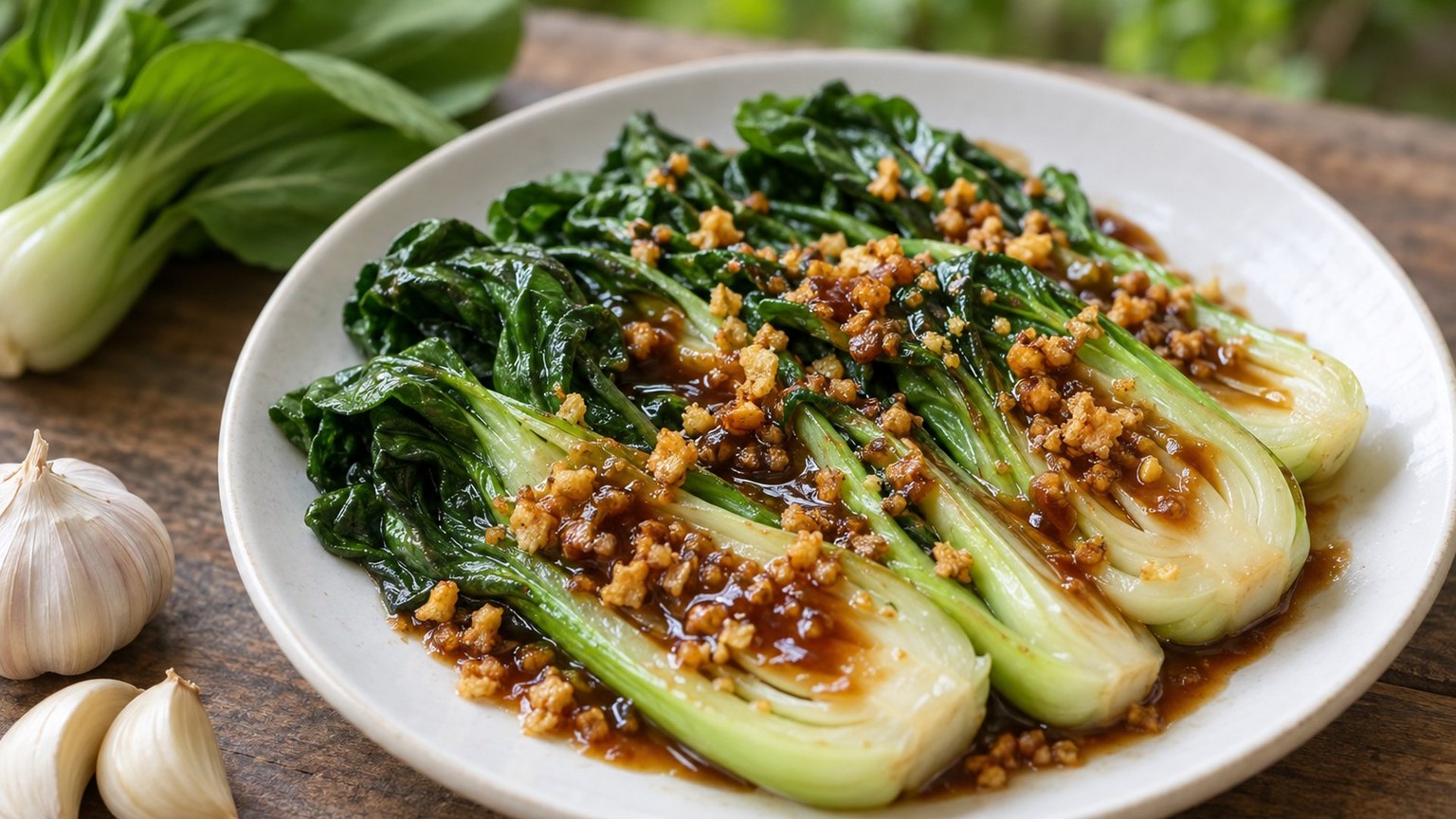
Recipe: Bok choy with oyster sauce and crispy garlic (Cantonese)
!Baby bok choy with oyster sauce and crispy garlic
Serves 2–3 as a side.
- 4–6 baby bok choy, halved
- 3 tbsp neutral oil
- 6 garlic cloves, finely minced
- Sauce: 2 tbsp oyster sauce, 1 tsp soy sauce, 1 tsp sugar, 1 tsp cornstarch, 3 tbsp water
- Fry the garlic gently in the oil until golden. Lift it out with a slotted spoon (that's your crispy garlic) and keep the oil.
- Blanch the bok choy in boiling salted water with a splash of oil for 1–2 minutes. Drain and arrange on a plate.
- Stir the sauce ingredients together, pour into the garlic oil and stir over the heat until thick and glossy.
- Spoon the sauce over the bok choy and scatter the crispy garlic on top.
6. Thai chilies
- Sow: indoors 8–10 weeks before your last frost, ¼ inch deep. Chili seed likes real warmth to sprout, so a heat mat helps. Plant out when nights stay above about 55°F (13°C), 18 inches apart, or one plant to a pot.
- Care: full sun; water when the top of the soil dries; a tomato feed once it flowers. Too much nitrogen means leaves and fewer chilies. In frost-free places, plants keep going for years.
- Harvest: snip chilies green or red with scissors. Wear gloves when you cut them up, and never touch your eyes. Freeze them whole or string them up to dry.
- Heat: about 50,000–100,000 Scoville heat units (a jalapeño is 2,500–8,000). Look for seed called Thai Hot or bird's eye.
- Dishes: Thai som tam, Vietnamese nuoc cham dipping sauce, Malaysian and Indonesian sambal.
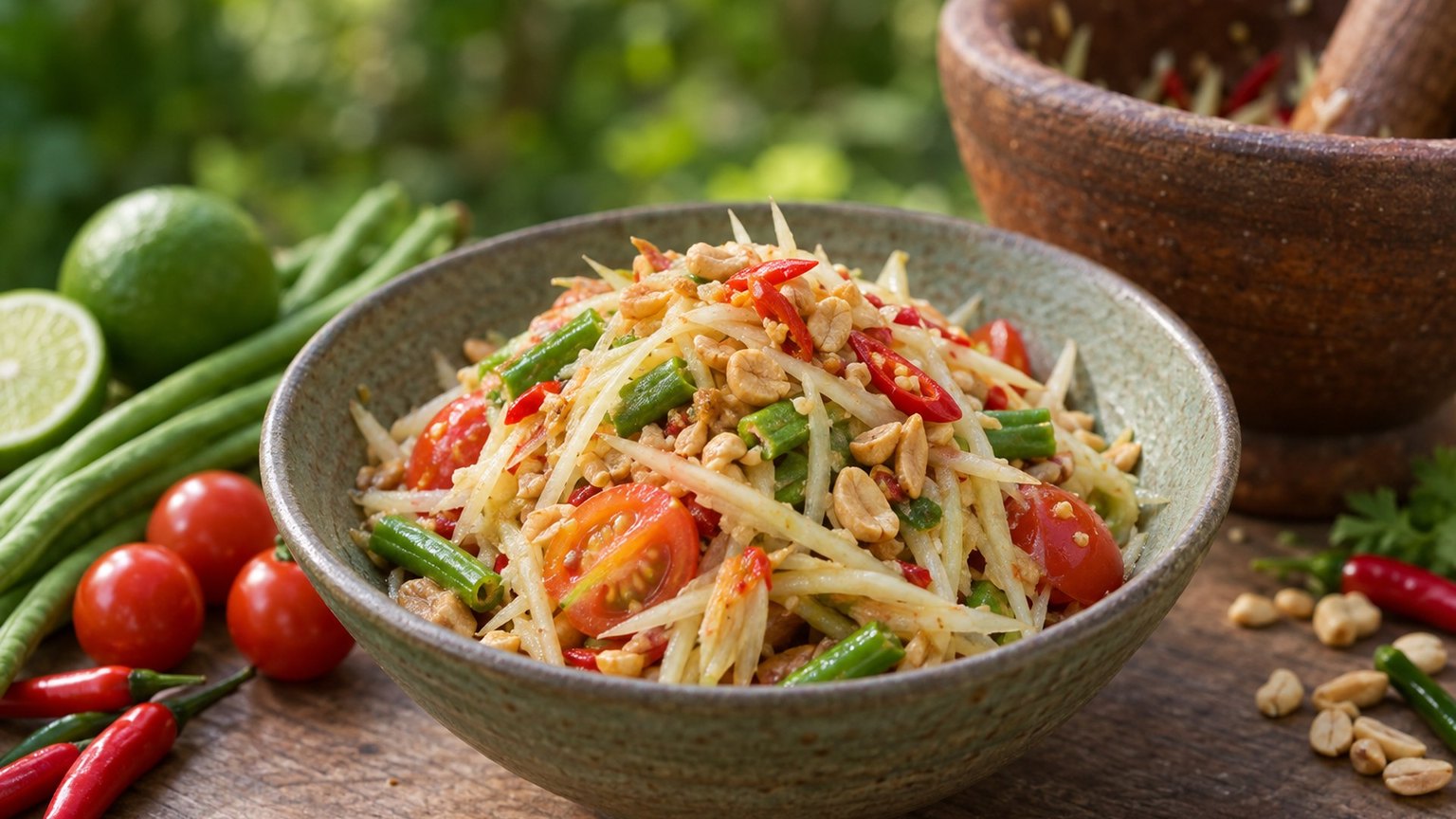
Recipe: Som tam, green papaya salad (Thailand)
!Thai green papaya salad with chilies and peanuts
Serves 2. No green papaya? Use thin sticks of seeded cucumber, and toss instead of pounding.
- 2 cups shredded green papaya
- 1–3 Thai chilies (to taste)
- 2 garlic cloves
- 1 tbsp palm sugar or brown sugar
- 1 tbsp dried shrimp (optional)
- 2 tbsp roasted peanuts
- A handful of long beans or green beans, in 2-inch pieces
- 6 cherry tomatoes, halved
- 2 tbsp lime juice
- 1½ tbsp fish sauce
- In a mortar, pound the garlic and chilies to a rough paste.
- Add the sugar, dried shrimp and half the peanuts and pound lightly. Add the beans and bruise them.
- Add the tomatoes, lime juice and fish sauce and press gently with the pestle.
- Add the papaya and keep pounding lightly and turning with a spoon until it softens a little. Taste for sour, salty, sweet and hot, and top with the rest of the peanuts.
Bonus: Garlic
- Plant: single cloves in fall, pointed end up, 2 inches deep and 6 inches apart (in Australia, March to May). Softneck types suit mild climates; hardneck types are tougher in cold ones.
- Grow: leaves shoot up in spring, and hardneck garlic sends up curly scapes. Snap them off and stir fry them.
- Harvest: when the lower leaves turn brown in early summer. Lift on a dry day and dry somewhere airy for a few weeks.
- Dishes: Korean kimchi and bulgogi, Chinese garlic greens, Indian ginger-garlic paste, Filipino garlic fried rice. For the whole story, read Garlic: food, medicine and vampire repellent.
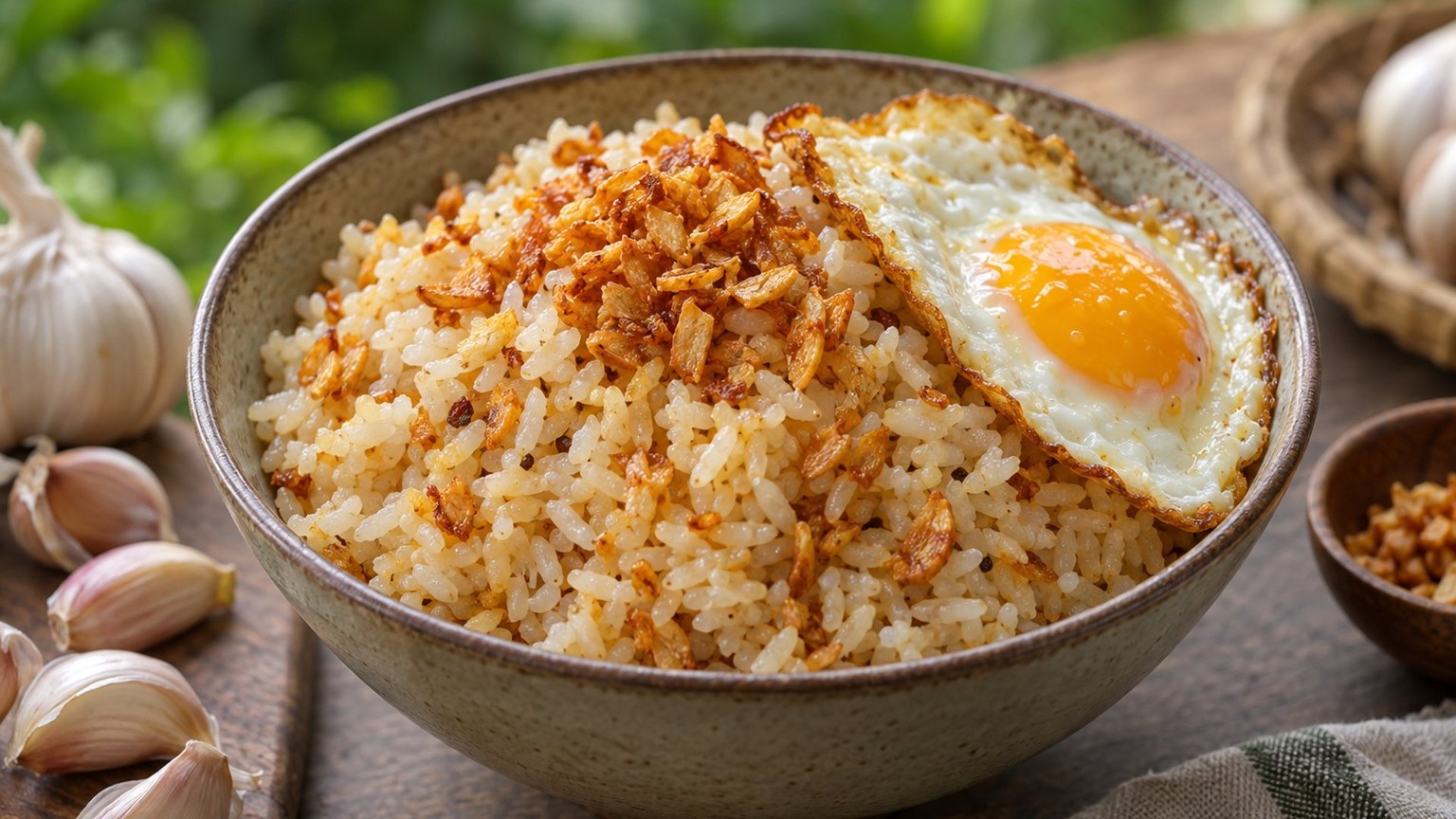
Recipe: Sinangag, garlic fried rice (Philippines)
!Filipino garlic fried rice with a fried egg
Serves 2–3.
- 3 cups cooked rice, ideally a day old
- 8–10 garlic cloves, minced
- 3 tbsp neutral oil
- ½ tsp salt and a pinch of black pepper
- Fried eggs, to serve
- Fry the garlic in the oil over low heat until golden. Lift out half for the topping.
- Add the rice, breaking up the clumps, then the salt and pepper.
- Fry, tossing, until the rice is hot and a little toasted.
- Top with the crispy garlic and a fried egg.
More plants for an Asian kitchen garden
Okra for Indian bhindi, daikon radish for Korean and Japanese pickles, Japanese shiso, Chinese chives for dumplings, and edamame. We'll cover them in future videos; there's a new one every week.
Which one would you cook with first? Tell us in the comments, and say where you're growing.
Sources: UF/IFAS (ginger, turmeric, lemongrass); University of Hawaii CTAHR (ginger); University of Minnesota and Illinois Extension (basil, Asian greens, garlic); RHS (pak choi, chilies, lemongrass); Gardening Australia; New Mexico State University Chile Pepper Institute (heat); seed-catalog variety descriptions.