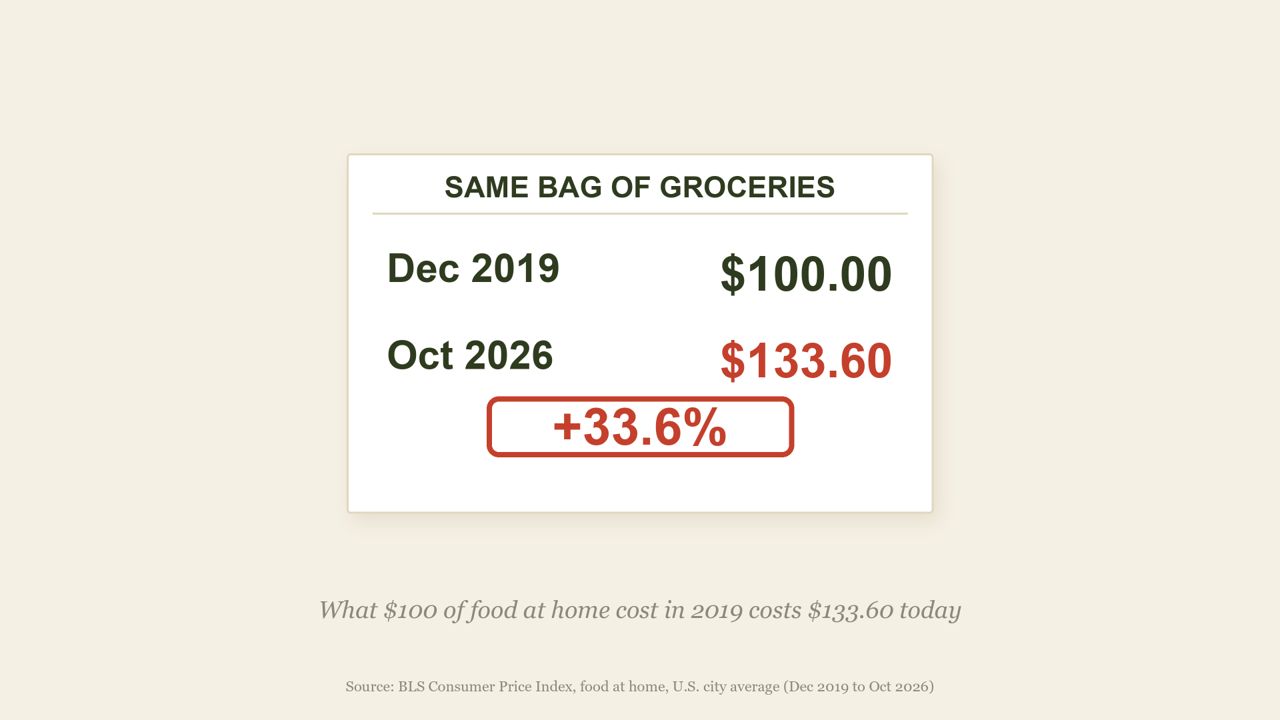
A bag of groceries that cost $100 at the end of 2019 costs about $133.60 today. That's the U.S. Bureau of Labor Statistics' food-at-home price index, up 33.6% from December 2019 to October 2026. No wonder 44% of households told Purdue University in 2025 that they grow some of their own food or plan to, and about two in three people planning a bigger garden say rising prices are a big reason.
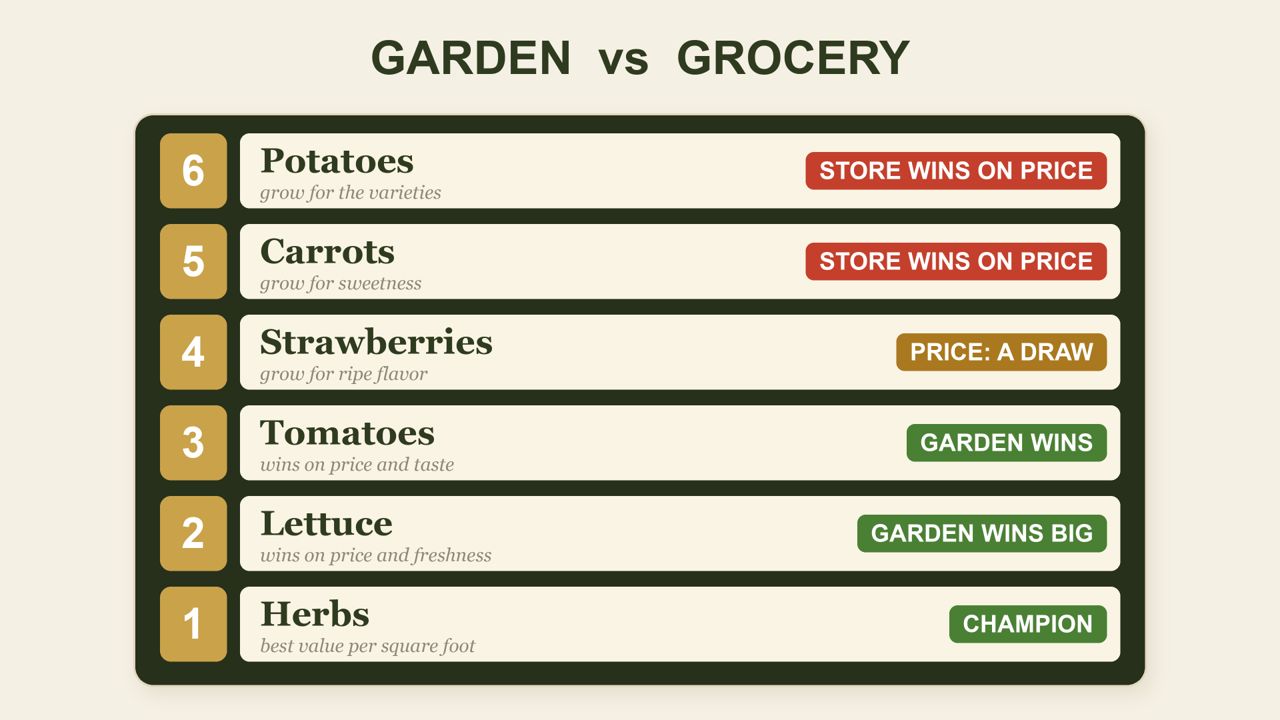
The catch is that a garden doesn't save money on everything. Some crops beat the store easily. Others cost more to grow than to buy. Here are six common crops, ranked from worst value to best.
It has happened before
In 1943 Americans planted about 20 million victory gardens. Canned food was rationed and much of the country's canned vegetables went to the military, so families grew their own. By 1944 those gardens supplied about 40% of the country's fresh vegetables. Then the reason was war. Today it's the checkout total.
Why prices jumped
Food prices rose 11.4% in 2022 alone, the biggest one-year jump in decades, after bird flu, the war in Ukraine (Russia and Ukraine grow over a quarter of the world's wheat) and soaring fertilizer and fuel costs. In 2026, fuel spiked again when conflict in the Middle East disrupted oil shipments: regular gas went from $2.96 a gallon in January to $4.65 in May. Fresh produce travels a long way, and imports now make up about 36% of the U.S. vegetable supply, so fuel and trade costs show up in the produce aisle.
6. Potatoes: the store wins
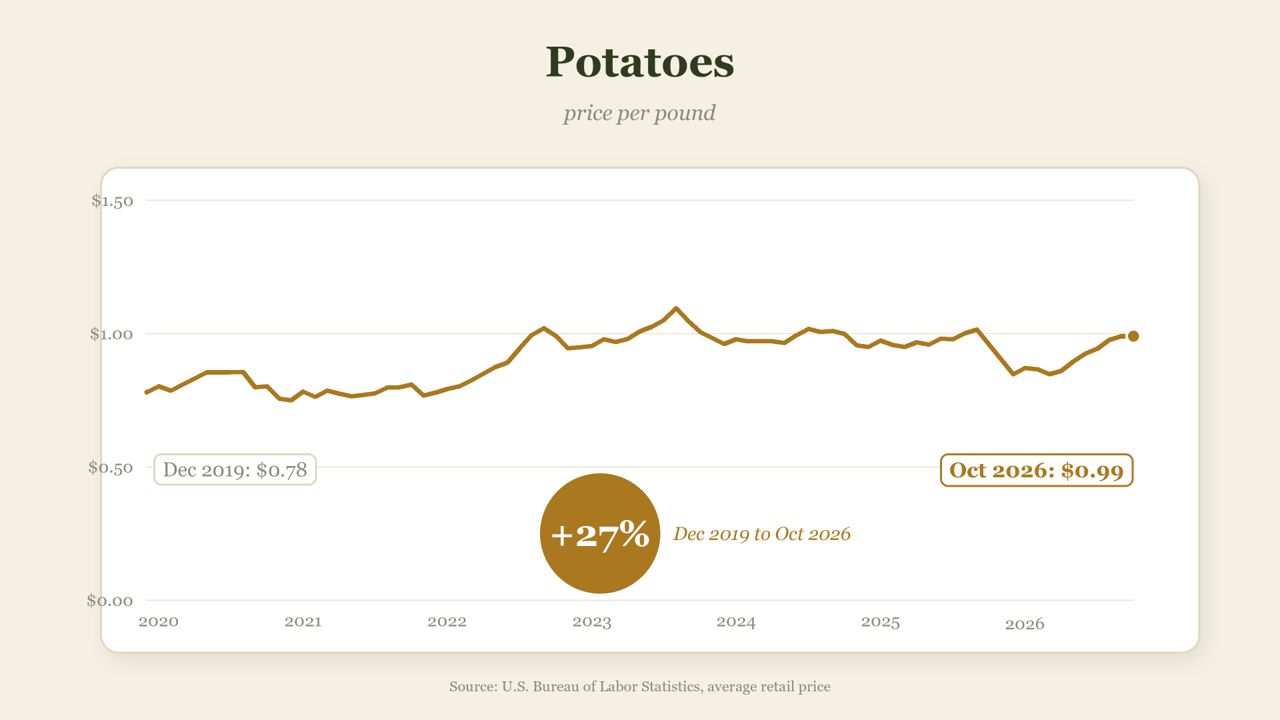
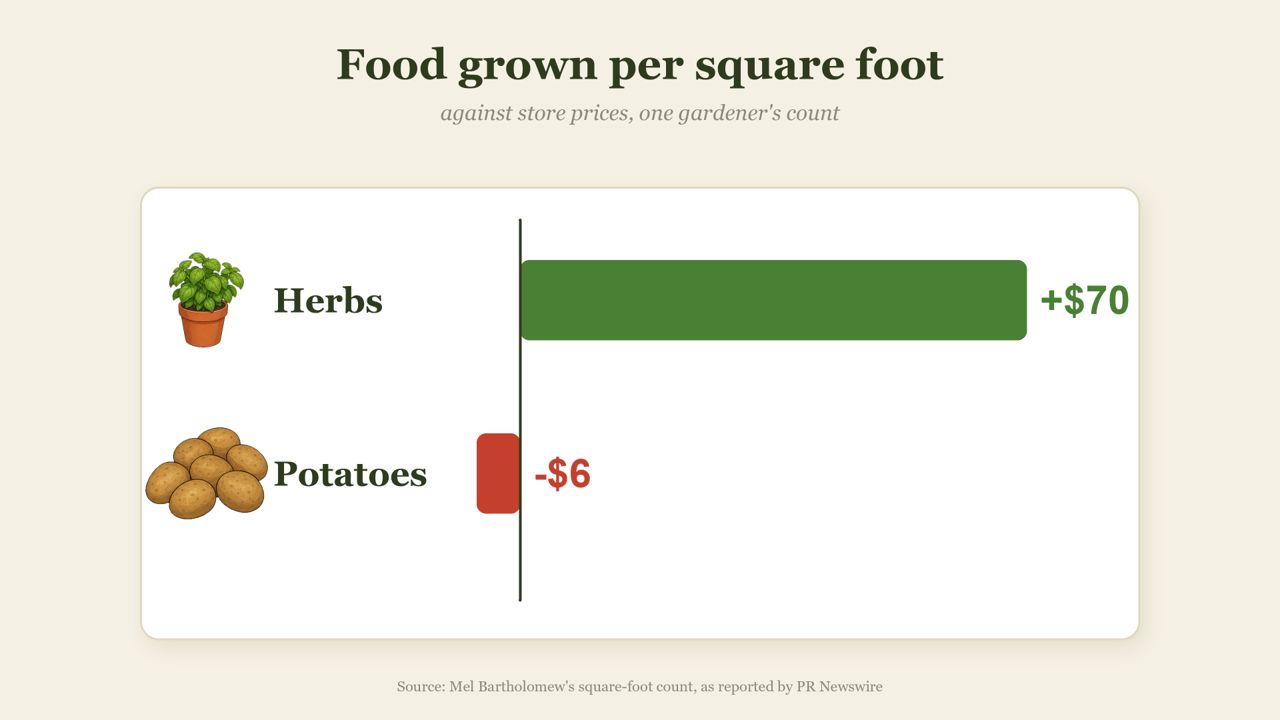
Potatoes are up 27% since 2019, but they still cost about $0.99 a pound. They take a lot of room for a long season. One well-known gardener's count put potatoes at about $6 lost per square foot against store prices. Grow them for flavor, for unusual varieties and for the fun of digging, not to save money.
5. Carrots: the store wins
Carrots are cheap to buy, slow to grow (about 70 days) and take a whole bed. University of Florida researchers found carrots can cost more to grow than to buy. Grow them if you love fresh-pulled carrots or colorful varieties you can't find in the store.
4. Strawberries: a draw
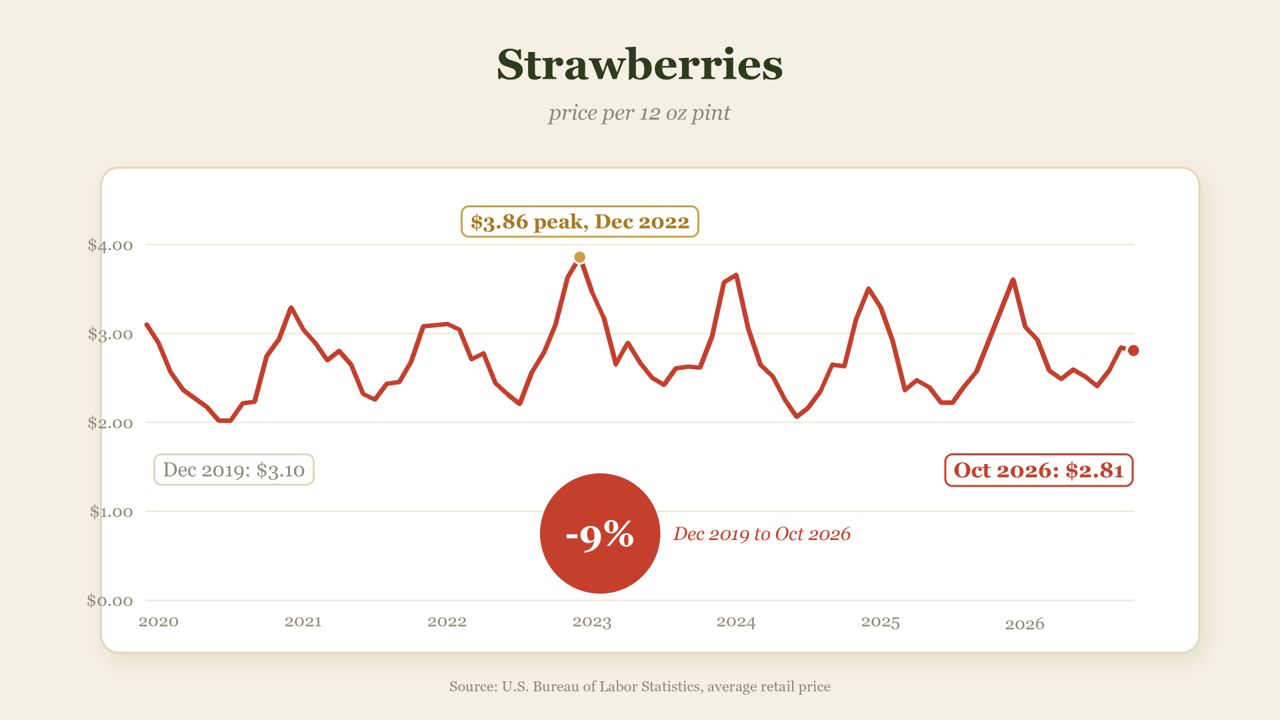
This one surprises people. A 12-ounce pint of strawberries costs less now than in 2019: $2.81 against $3.10. Homegrown berries still win on taste, because you pick them fully ripe instead of firm enough to ship.
3. Tomatoes: the garden wins
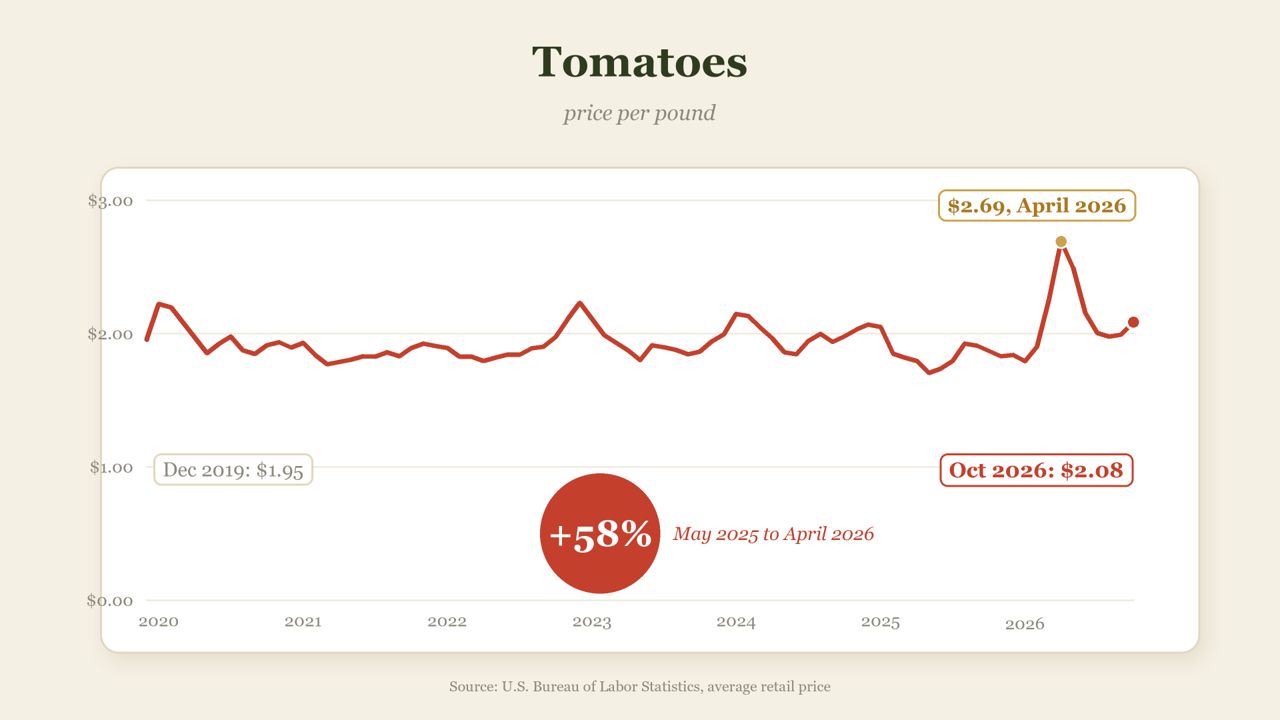
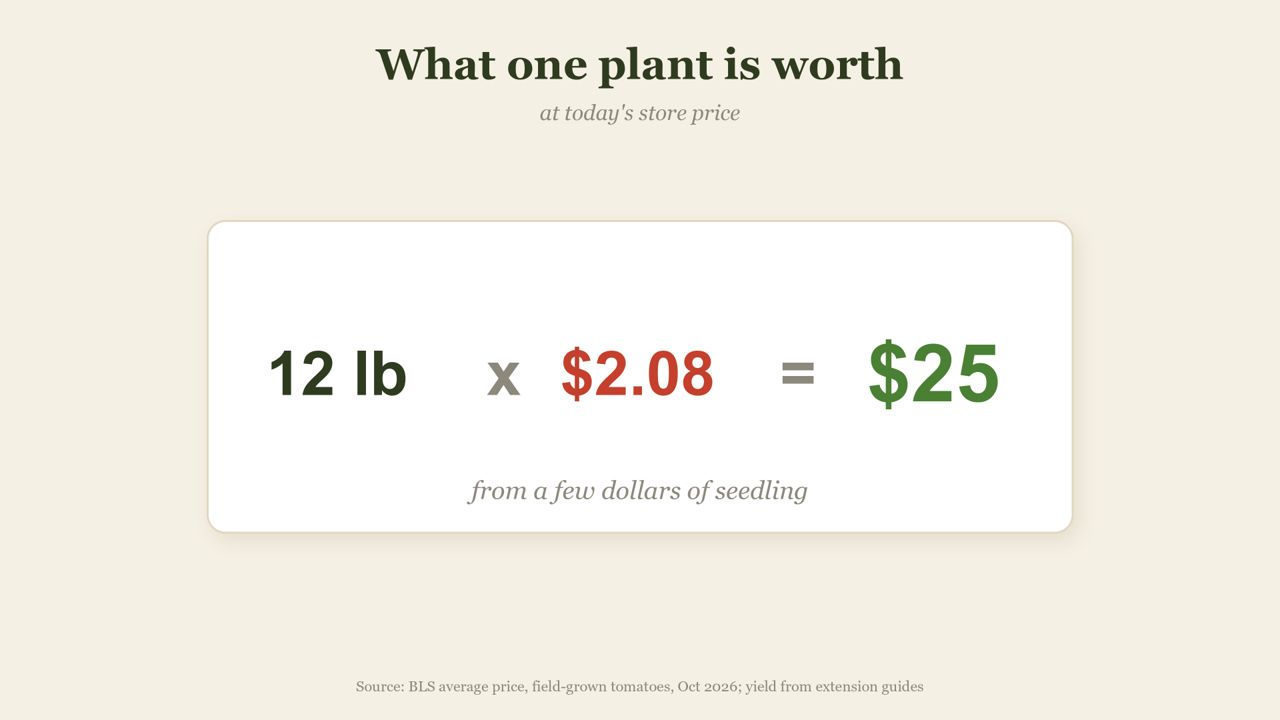
Store tomatoes looked steady for years. Then the price jumped from $1.71 a pound in May 2025 to $2.69 in April 2026. About 70% of U.S. tomatoes come from Mexico, and a 17% duty went on them in July 2025, shortly before the jump. A well-grown plant gives 10 to 15 pounds of fruit, according to university extension guides. At today's prices that's roughly $25 of tomatoes from one plant.
2. Lettuce: the garden wins big
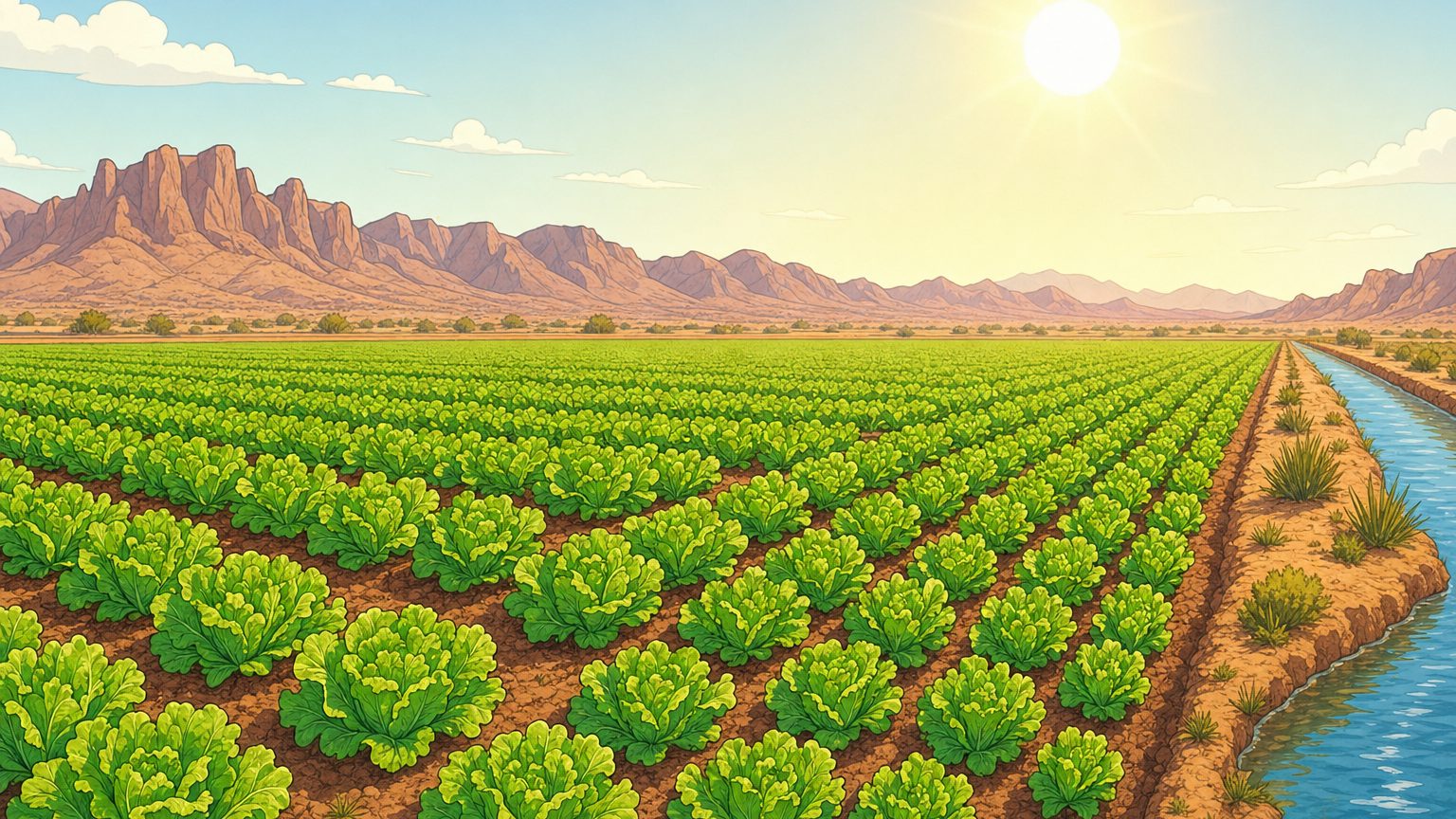
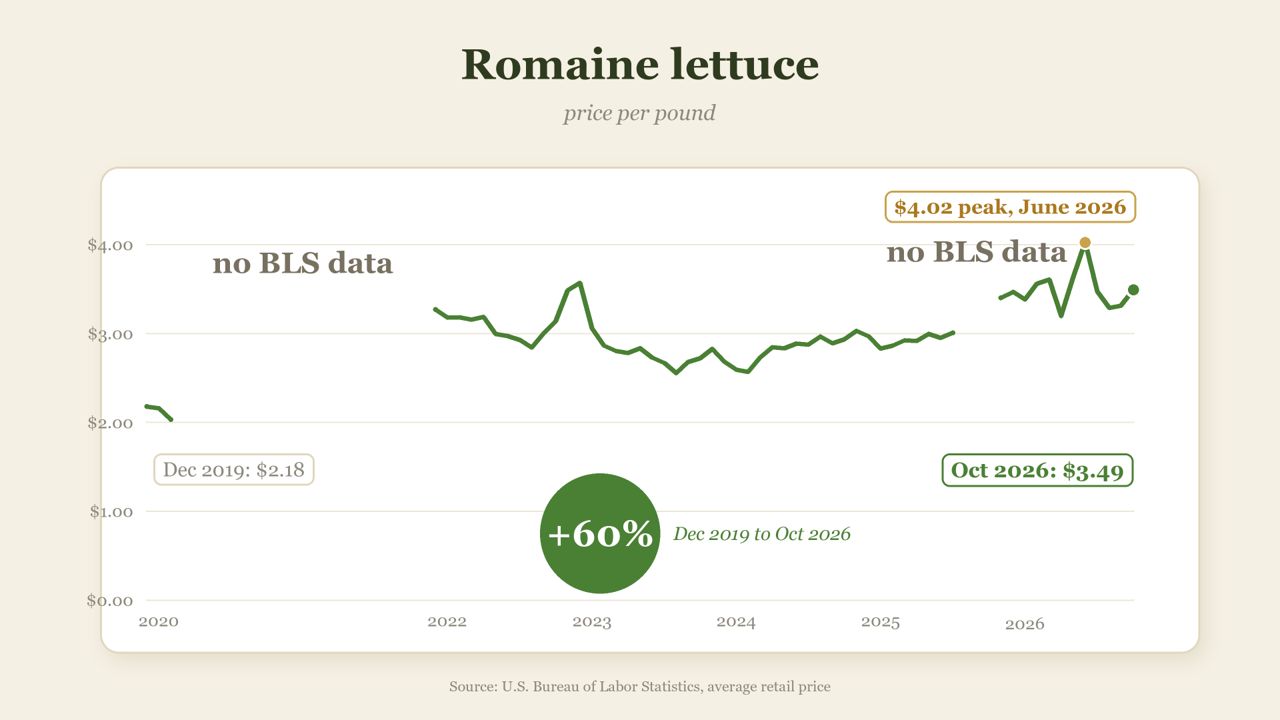
Romaine is up 60% since 2019, from $2.18 to $3.49 a pound, with a peak of $4.02 in June 2026. This year early heat in Arizona, which grows about a third of U.S. lettuce, cut its winter crop short and left gaps in supply. Iceberg is up 50%. Lettuce is also one of the fastest crops: you can cut leaves in about a month, and if you take only the outer leaves the plant keeps growing.
1. Herbs: the champion
A small pack of fresh herbs costs a few dollars for a handful of leaves. One gardener's square-foot count put herbs at about $70 of food per square foot, far ahead of any other crop. You don't need a yard: a sunny windowsill or a pot by the door is enough. See our guide to growing herbs on a windowsill and the basil page.
The scoreboard
What a whole garden can do
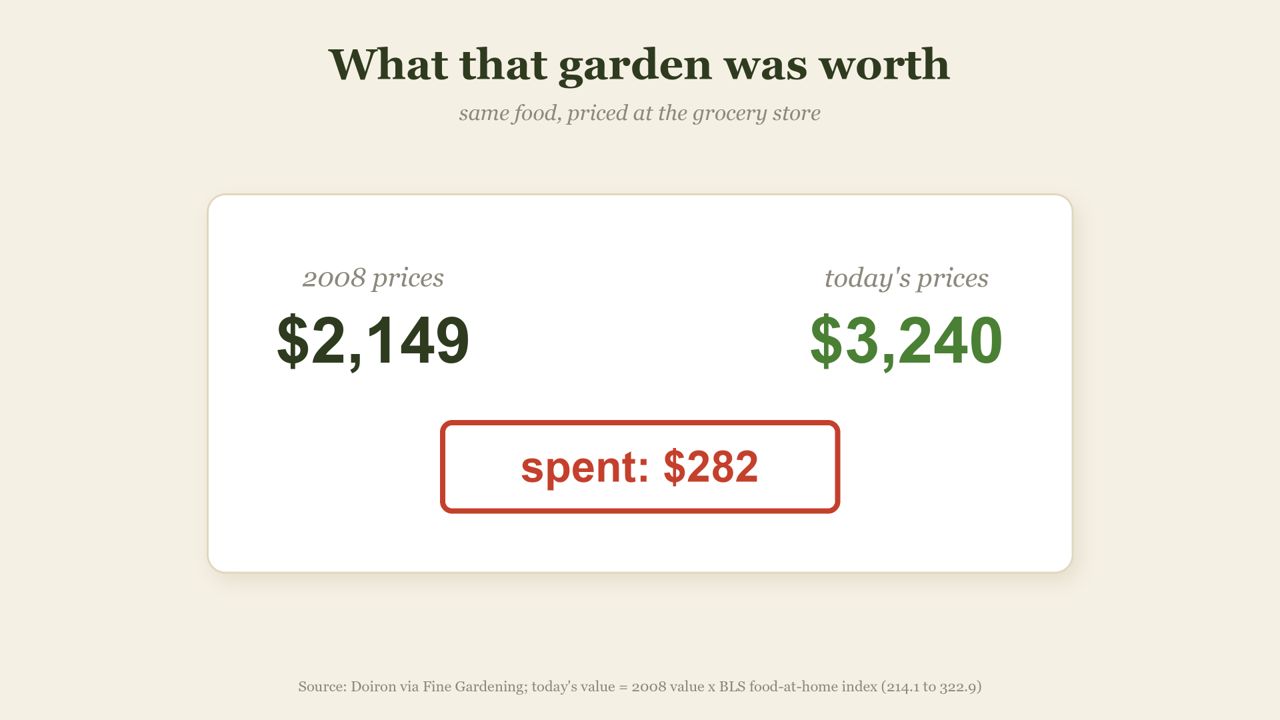
One family in Maine weighed everything from their garden for a year: 834 pounds of food, worth about $2,149 at 2008 prices. At today's grocery prices that's about $3,240. They spent $282.
Researchers who averaged many home gardens found a lower figure, about $0.88 of food per square foot. That's why what you plant matters more than how much. Put your best space into herbs, salad greens and tomatoes, and buy the potatoes.
Your next step
Find out what to plant this month where you live: What to Plant.
Sources: U.S. Bureau of Labor Statistics (Consumer Price Index and average prices, December 2019 to October 2026); USDA Economic Research Service; Purdue University Consumer Food Insights (March 2025); National Gardening Association 2026 survey; National WWII Museum; National Park Service; Journal of Extension (2014); University of Florida IFAS; UC ANR, Virginia Tech and Washington State University extension; Choices magazine; Fine Gardening. The tomato duty came before the price jump; the price data shows the timing, not the cause.