
Broad Beans
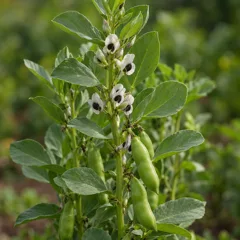
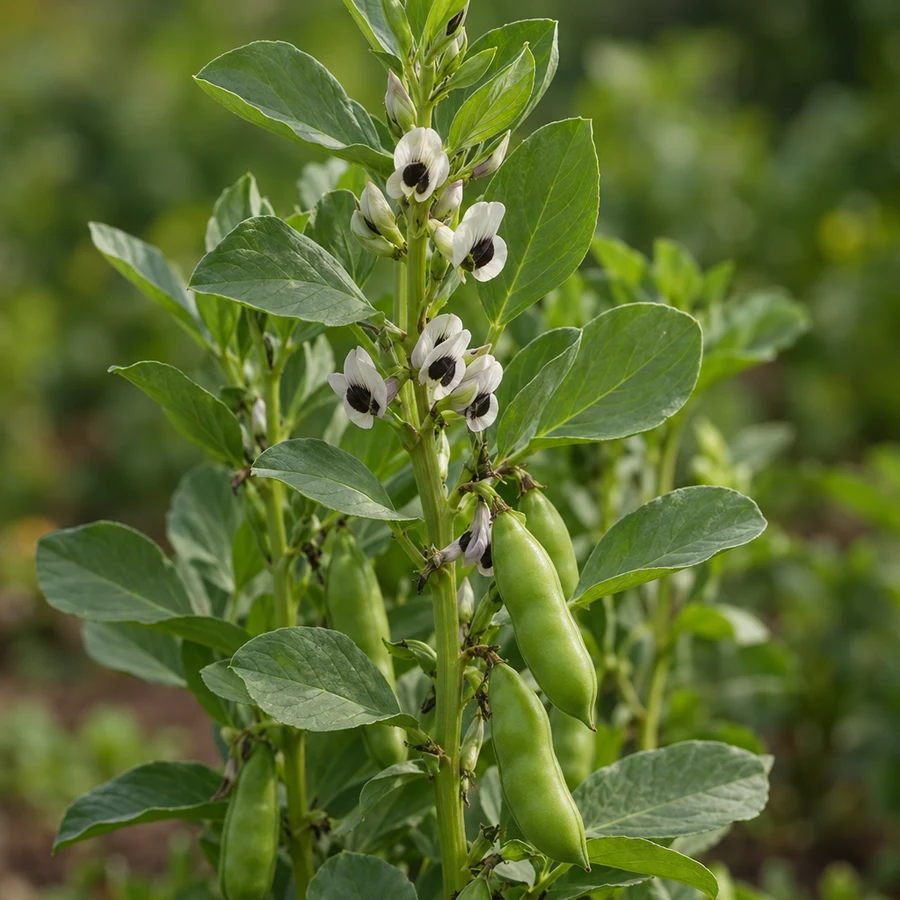
Broad beans, also called fava beans, are the bean you can sow while it's still cold. They sprout in chilly soil, shrug off light frost, and are usually the first beans of the year. The plants stand upright, 1½ to 5 feet tall depending on the variety, with gray-green leaves and black-and-white flowers that bees love. The beans inside the fat pods are sweet and nutty when young.
They are the opposite of green beans in one way: broad beans like cool weather and struggle in heat. Once days regularly run above about 80°F, flowers tend to drop without setting pods. So the trick is timing. In cold and short-season areas, sow as early in spring as you can. In mild-winter areas, sow in fall and pick in spring.
Like peas, broad beans fix nitrogen from the air with the help of soil bacteria, so they leave the bed a little richer than they found it.
Recent community discussions
No one has talked about Broad Beans yet. Be the first.
At a glance
| Plant type | Vegetable (legume) |
| Botanical name | Vicia faba |
| Annual or perennial | Annual |
| Sun | Full sun, 6 hours or more |
| Water | About 1 inch per week; most important once flowers open |
| Spacing | 6 to 9 inches apart, in double rows 9 inches apart with 2 feet between pairs |
| Planting depth | 2 inches (up to 3 in light soil), scar facing down |
| Days to germinate | 7 to 14 days; longer in cold soil |
| Days to maturity | About 12 to 16 weeks from a spring sowing; about 7 months from a fall sowing |
| Best USDA zones | 2 to 10: a spring crop in zones 2 to 8, a fall-sown winter crop in zones 8 to 10 |
| Soil pH | 6.0 to 7.5 |
Is it broad beans weather where you are? See everything to plant this month or read your zone notes.

Diseases
A little history
Broad beans are one of the oldest crops on record. Archaeologists working in the Lower Galilee, in what is now northern Israel, have found stores of faba beans around 10,000 years old, which points to the Levant as the place they were first grown. Oddly, the wild plant they came from has never been found and may be extinct.
From the Near East the bean spread around the Mediterranean, into Egypt, North Africa and Europe, and later east to China. For thousands of years it was the main bean of Europe. The beans most of us now call "beans" (green beans, kidney beans, pintos) only arrived from the Americas after the 1500s. Broad beans are still a staple across the Middle East and North Africa, in dishes like Egyptian ful medames.
When to sow in your zone
Spring (zones 2 to 8): Sow outdoors as soon as the soil can be worked, about 1 to 6 weeks before your last frost. Seeds sprout in soil as cool as about 40°F. Early sowing matters more than with almost any other crop, because you want the plants flowering before summer heat arrives.
Head start (zones 2 to 7, and most of Canada): Sow single seeds in deep pots indoors or in a cold frame 6 to 8 weeks before the last frost, then plant them out 2 to 4 weeks before it, once they're hardened off. In the UK and Ireland that means sowing in pots in February or March. Mice can't dig up seeds that are already growing.
Fall (zones 8 and 9, the British Columbia coast, and mild parts of the UK and Ireland): Sow a hardy variety in October or November. The young plants sit through winter at a few inches tall and flower early, which gives the earliest crop and often dodges the worst of the aphids. In zone 8, cover them with fleece or a cloche in a hard cold spell.
Mild winters (zones 9 and 10, and much of Australia): Treat broad beans as a winter crop. Sow from mid-fall to early winter (April to July in Australia) and pick from late winter through spring, before it gets hot. In cold inland areas of Australia and the Tasmanian highlands, sow in late winter and spring instead. In the tropical north they rarely do well, though some gardeners try them in the cool dry season.
Growing it, step by step
Soil and Site
Pick a sunny spot with well-drained soil and work in a bucket or two of compost per square yard. Broad beans like soil close to neutral and are not fussy about clay, as long as water doesn't sit. A spot sheltered from strong wind helps tall varieties stay standing.
Sowing
Push seeds 2 inches deep, 6 to 9 inches apart, with the scar (the dark line on the edge of the seed) facing down. Most gardeners grow them in double rows about 9 inches apart, with 2 feet between each pair of rows for walking and picking. Sow a few extra at the end of the row to fill any gaps.
Inoculant
If you've never grown beans or peas in that bed, a pea-and-bean inoculant dusted on the seed helps the roots form the nodules that fix nitrogen. It isn't essential in soil that has grown legumes before.
Support
Tall varieties get top-heavy once the pods fill out. Set a sturdy stake at each end of a double row and every 4 feet along it, and run string around the stakes at about 1-foot intervals as the plants grow. Dwarf types like 'The Sutton' usually hold each other up.
Growing in Pots
Dwarf varieties do well in a pot at least 16 inches wide, with plants about 6 inches apart. Pots dry out quickly, so water often once flowers appear, and give a high-potash liquid feed, such as tomato feed, every two weeks from first flowering.
Keeping it happy
- Pinching out: Once the lowest flowers have set small pods, pinch out the top 3 or 4 inches of each stem. This sends the plant's energy into the pods and removes the soft tip that aphids go for first. The tips are good to eat, cooked like spinach.
- Watering: Broad beans need little water early on. Give a good soak when flowering starts and again two weeks later, and keep them watered in dry spells after that.
- Feeding: They make their own nitrogen, so skip high-nitrogen fertilizer. Compost at planting is enough in the ground.
- Weeds and mulch: Hoe between rows while plants are young, then mulch with a couple of inches of compost.
- After harvest: Cut the plants off at ground level and leave the roots in the soil. The nitrogen nodules break down and feed the next crop.
Trouble in the bed
- Black bean aphid (blackfly): Clusters of black aphids on the shoot tips in late spring. Pinching out the tips removes most of them. Rub off or spray off the rest with water. Fall sowings are usually tough enough by the time aphids arrive.
- Chocolate spot: A fungus (a relative of gray mold) that leaves brown spots and streaks on leaves and stems, worst in damp, crowded, overwintered plants. Give plants room, avoid high-nitrogen feeds, and pull badly affected plants.
- Rust: Small, dusty, reddish-brown spots on leaves, usually late in the season. It rarely costs much crop if it shows up near harvest. Clear away old plants afterward.
- Slugs, snails and mice: Slugs and snails chew young shoots, and mice dig up fresh seed sown outdoors, especially in fall. Starting seeds in pots gets around both.
- Pea and bean weevil: Neat U-shaped notches around leaf edges. Healthy plants grow through it.
Good neighbors


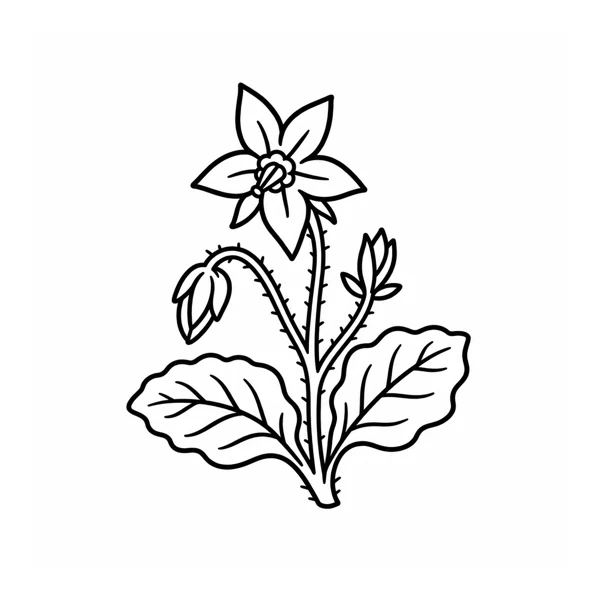

Good: Potatoes, carrots, beets, lettuce and cabbage family crops grow happily nearby, and leafy crops planted after broad beans enjoy the nitrogen they leave. Borage brings in pollinators, and nasturtiums can draw aphids away from the beans.
Avoid: Onions, garlic and chives. Onion-family plants are widely said to hold back beans and peas.
Seeds that grow well in your area in November
Affiliate links — shopping through these helps keep Evening Vines free. Smooth Blue Aster
 Polka Dot Mix
 Black-Eyed SusanSeeds
 ColumbineSeeds
Varieties worth growing
- Aquadulce Claudia: The standard choice for fall sowing in the UK, Ireland and mild-winter areas. Hardy, with long pods of pale beans. Also widely sold in Australia.
- The Sutton: A dwarf, bushy plant about 18 inches tall. Good for pots, small beds and windy gardens.
- Witkiem Manita: A fast spring variety that crops early, handy for short seasons and late-winter sowings.
- Broad Windsor: An old English variety and the one most often sold in North America, with big, flat beans. A good spring choice from Canada to the southern US. Seeds
- Sweet Lorane: Small-seeded and very hardy, an Oregon selection. Good for overwintering in mild maritime areas, and used as a cover crop too.
- Crimson Flowered: An old heritage type with red flowers and smaller pods. Pretty enough for a flower border.
- Imperial Green Longpod: Very long pods holding up to 9 green beans. A heavy cropper from spring sowings.
- Coles Early Dwarf: A compact, early Australian favorite for autumn sowing in small gardens.
Broad Beans seeds to buy
Affiliate links — shopping through these helps keep Evening Vines free.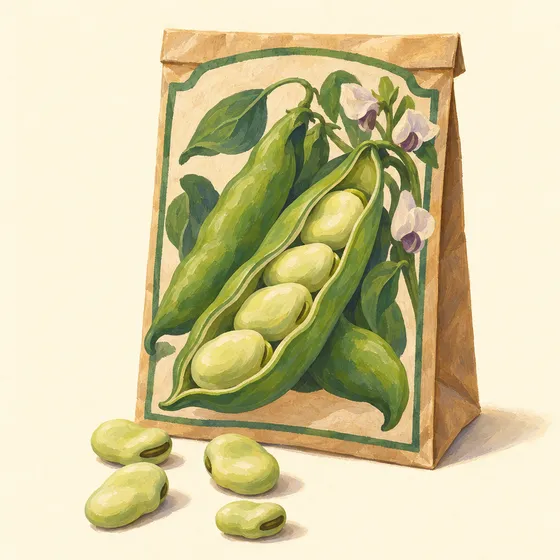 Broad Windsor
Picking notes
Start picking from the bottom of the plant, where pods form first. For eating as shelled beans, pick when you can see the beans bulging through the pod but the scar on each bean is still white or green. Once the scar turns black, the beans are older and starchier. Very young pods, about 2 inches long, can be cooked and eaten whole. Pick every few days and the plant keeps producing.
For dried beans, leave the pods on the plant until they turn black and leathery, then pick and finish drying them indoors.
Saving seed for next year
Broad beans can pollinate themselves, but bees cross them readily, so keep different varieties well apart if you want them to stay true. Leave a few healthy plants unpicked until the pods turn black and dry. Shell the beans, dry them for a few more weeks somewhere airy, and store them cool and dry. They stay good for 3 years or more.
From garden to table
Broad beans are high in protein and fiber, with good amounts of folate. Young beans can be eaten straight from the pod. Bigger beans taste best blanched for a minute, then slipped out of their pale outer skins to reveal the bright green bean inside. They're good mashed on toast, in risotto and pasta, or with mint and lemon. Dried beans are used for falafel in Egypt and for ful medames.
A health warning: Some people inherit a condition called G6PD deficiency. For them, eating broad beans (especially raw or fresh) can trigger a serious breakdown of red blood cells, known as favism. It is most common in people of Mediterranean, Middle Eastern, African and Asian descent. There are also reports of reactions to the pollen of flowering plants. If you or your family have G6PD deficiency, don't eat broad beans, and ask your doctor before growing them.
Questions from the potting bench
Are broad beans and fava beans the same thing? Yes. Broad bean is the usual name in the UK, Ireland and Australia, and fava bean is more common in North America. Field beans and horse beans are small-seeded types of the same plant.
Why are my flowers falling off without making pods? Most often heat. Broad beans drop flowers when days get hot. Sow earlier next year, or switch to fall sowing if your winters are mild. Dry soil at flowering does the same thing.
How cold can broad beans take? Young plants handle hard frosts. Hardy types like 'Aquadulce Claudia' often get through winters down to around 15°F, especially with a fleece cover. Colder than that, sow in spring instead.
Can I grow broad beans in a hot climate? Yes, as a winter crop. In zones 9 and 10 and warm parts of Australia, sow in fall and they'll crop before the heat returns. In truly tropical climates they seldom crop well.
Grower reports
How did Broad Beans do in your garden? Members rate it and say which zone and month they planted, so everyone can see what works near them.
Recent community discussions
No one has talked about Broad Beans yet. Be the first.
Seeds to try
Affiliate links — shopping through these helps keep Evening Vines free.Essentials for Growing Broad Beans
 Grow Bags
Breathable fabric pots: grow almost anything on a patio, balcony or driveway, and roots never circle.
See it →
 Seed Starting Tray
Reusable tray with a clear dome to give seeds a warm, humid start indoors.
See it →
 Garden Hand Tools
Trowel, transplanter and cultivator: the three tools you reach for most.
See it →
 Organic Fertilizer
Slow-release organic plant food for vegetable beds and containers.
See it →
 Watering Can
Long-spout can for gentle watering of seedlings and pots.
See it →
 Pruning Shears
Sharp bypass pruners for harvesting, deadheading and tidying.
See it →
