
Geraniums
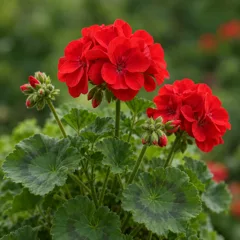
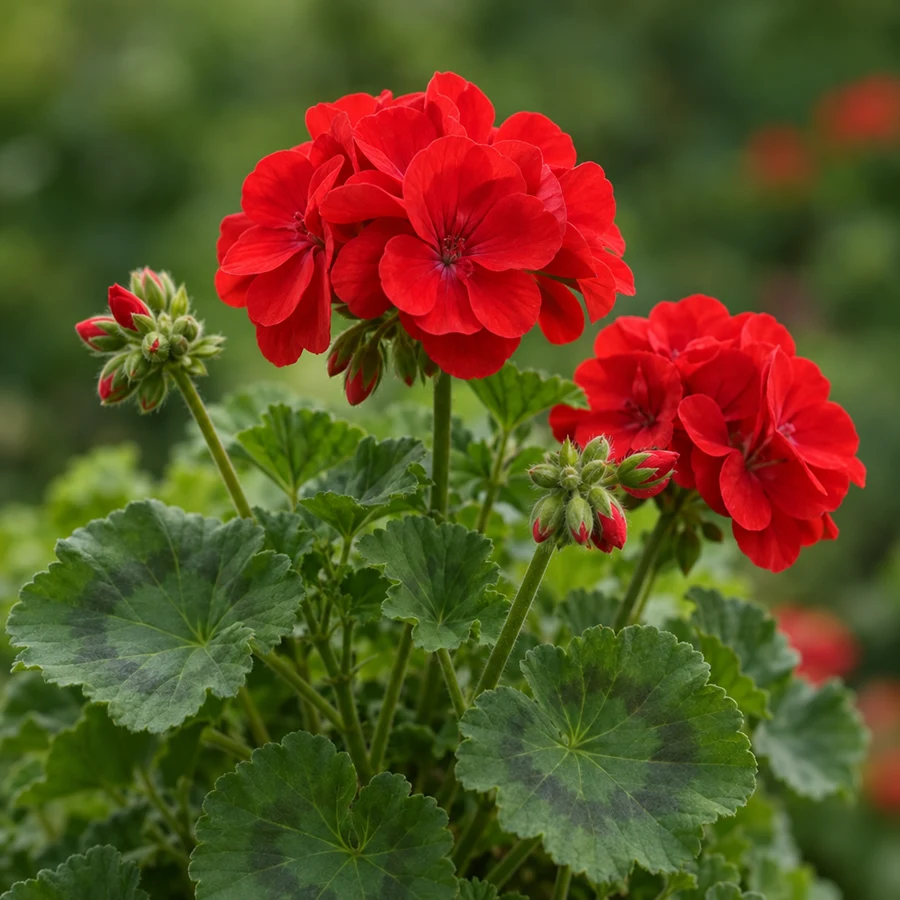
Geraniums are the red flowers in the window box of every old farmhouse, and for good reason. They're tough, they flower from late spring until frost, and they forgive a missed watering far better than most bedding plants. The round flower heads come in red, pink, salmon, orange, white and lavender, held above soft leaves that often carry a dark ring, or "zone," that gives zonal geraniums their name.
One thing to know first. The plant most people call a geranium is really a pelargonium, a tender plant from South Africa. The true geraniums, also called cranesbills (Geranium species), are hardy perennials that come back in cold gardens. This page is about the pelargonium, the one sold in flats at garden centers every spring. Keep it frost-free and it can live for years, coming back inside each fall like an old friend.
Recent community discussions
No one has talked about Geraniums yet. Be the first.
At a glance
| Plant type | Flower (tender perennial) |
| Botanical name | Pelargonium x hortorum (zonal); P. peltatum (ivy-leaf); P. x domesticum (regal) |
| Annual or perennial | Tender perennial, grown as an annual where it frosts |
| Sun | Full sun, at least 4 to 6 hours; some afternoon shade in very hot areas |
| Water | Water well, then let the top inch of soil dry out before watering again |
| Spacing | 8 to 12 inches in beds; closer in pots and window boxes |
| Planting depth | Seed barely covered, about 1/8 inch; set transplants at the depth they grew in the pot |
| Days to germinate | About 7 to 14 days at 70 to 75°F |
| Days to maturity | About 13 to 16 weeks from seed to first flower; nursery plants bloom right away |
| Best USDA zones | Any zone as a summer flower; stays outside all year only in zones 10 and 11 |
| Soil pH | 6.0 to 7.0 |
Is it geraniums weather where you are? See everything to plant this month or read your zone notes.
Pests to watch for

A little history
Pelargoniums are native mostly to southern Africa, especially the Cape region. Plant collectors brought them to Europe in the 1600s, and they became popular greenhouse plants. Early botanists, including Linnaeus, lumped them in with true geraniums, and the common name stuck even after the French botanist L'Héritier split them into their own genus in 1789. Both names point to the long, beak-shaped seed pods: geranos is Greek for crane and pelargos for stork. The zonal geranium comes mainly from crosses between two Cape species, P. zonale and P. inquinans, made by European growers.
When to sow in your zone
Seed: Start seed indoors 10 to 14 weeks before your last frost, which is January or February in most of the US. Seed geraniums take about 13 to 16 weeks to flower, so an early start matters.
Spring planting: Set plants outside 1 to 3 weeks after your last frost, once nights stay above about 50°F. A light frost will kill them, so there's no gain in rushing.
Fall to early spring planting (zones 10 and 11): Where it doesn't frost, plant from October through March. Plants settle in while it's cool and flower through winter and spring, before the summer heat and humidity slow them down. In the hottest summer areas, geraniums often rest during midsummer heat and pick up again in fall.
Late summer cuttings (all zones): Take cuttings in August or early September to carry favorite plants through winter indoors.
November in the garden: In zones 3 to 8, frost has usually ended the outdoor season by now. Potted plants brought in earlier want a bright window, a cool room and very little water. In zones 10 and 11, this is planting time, and established plants can be trimmed back by about a third to keep them bushy.
Growing it, step by step
From seed
Sow seed on the surface of moist seed-starting mix and cover it very lightly. Keep it at 70 to 75°F, on a heat mat if your house is cool. Seedlings show in about 1 to 2 weeks. Move them under bright light or grow lights right away, then grow them on a bit cooler, around 60 to 70°F, so they stay stocky. Only certain varieties are sold as seed. Most named and double-flowered geraniums are grown from cuttings.
Starting from Cuttings
Cut a 3- to 4-inch stem tip just below a leaf joint. Pull off the lower leaves and any flower buds, let the cut end dry for a few hours, then push it into moist potting mix. Keep it bright but out of hot sun. Roots form in about 2 to 4 weeks. Don't cover cuttings with plastic, since geraniums rot easily in damp, still air.
Moving it outside
Harden plants off over a week, then plant them in a sunny bed with good drainage, 8 to 12 inches apart. In pots, use a quick-draining potting mix and a container with drainage holes. Geraniums would rather be a little root-bound than sit in a huge, wet pot.
Water
Water deeply after planting. After that, let the top inch of soil dry before watering again. Water at the base and keep the leaves dry. Pots in full summer sun may need water every day. Too much water causes more trouble than too little.
Mulch
A thin layer of mulch in beds keeps the soil cooler and evenly moist in summer. Keep it a couple of inches back from the stems.
Feeding
Mix a balanced fertilizer into beds at planting, then feed every 4 to 6 weeks. Plants in pots use up their food faster, so give them a liquid feed every 2 weeks. Once flowering starts, a high-potassium feed, such as tomato fertilizer, keeps the blooms coming.
Keeping it happy
Snap off faded flower heads where the stalk meets the stem, and plants will keep putting up new ones. Pinch the growing tips of young plants once or twice to make them branch. If plants get leggy in late summer, cut a few stems back by a third.
There are three ways to keep geraniums through a cold winter. The easiest is to pot up the plants before frost, cut them back by a third to a half, and grow them in a sunny, cool window, about 45 to 60°F, with sparse watering. The second is cuttings taken in late summer. The third is the old-fashioned way: dig plants before frost, shake off the soil and hang them upside down in a cool basement at about 45 to 50°F. Check them now and then, and soak the roots briefly if the stems start to shrivel. In spring, cut them back to firm green stems and pot them up about 6 to 8 weeks before your last frost.
Trouble in the bed
- Botrytis (gray mold): Fuzzy gray rot on flowers and leaves in cool, damp weather. Deadhead often, keep leaves dry and give plants room for airflow.
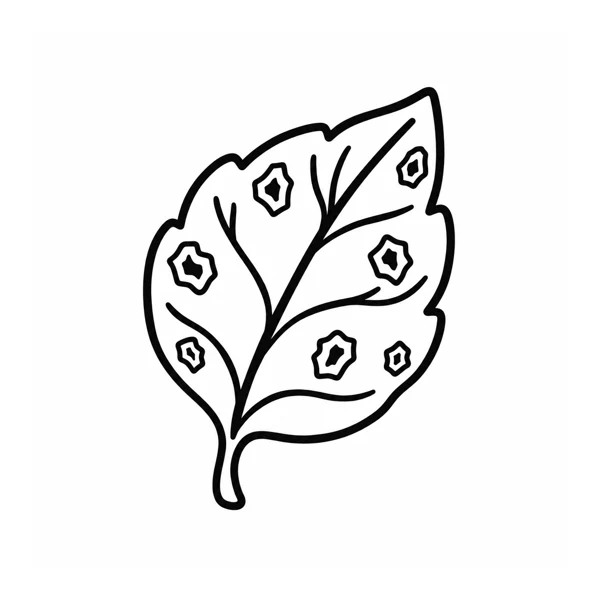
- Bacterial leaf spot and blight: Small water-soaked spots that turn brown, then wilting. Throw out sick plants, never take cuttings from them, and wash your hands and tools.
- Rust: Rings of rusty brown spore pustules under the leaves. Pick off spotted leaves and keep foliage dry.
- Whiteflies and aphids: Common indoors in winter. Rinse them off or use insecticidal soap.
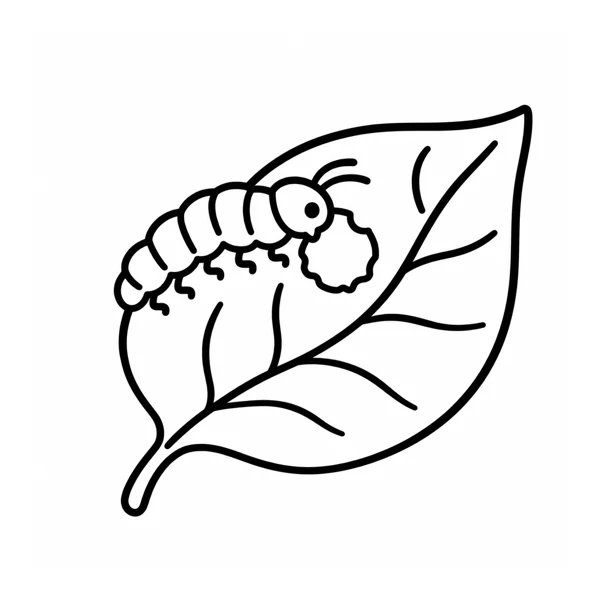
- Caterpillars (budworms): Small caterpillars bore into flower buds, leaving holes and tiny black droppings. Pick them off, or use a Bt spray.
- Edema: Corky bumps under the leaves, most often on ivy geraniums. It's a watering problem, not a disease. Water less in cool, cloudy weather.
Good neighbors

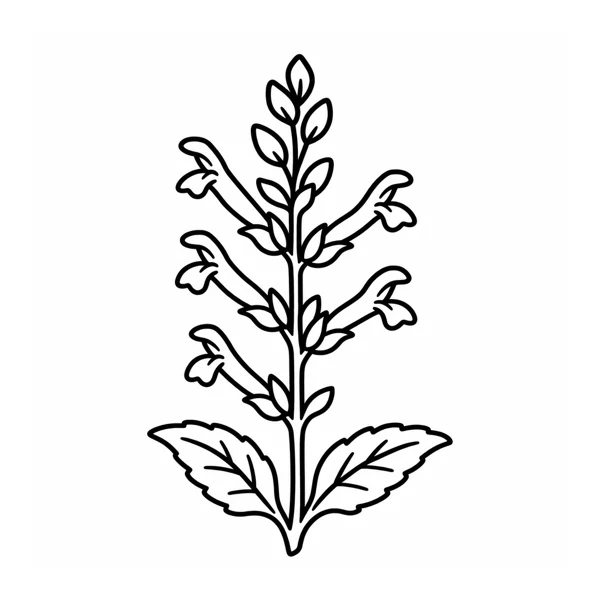
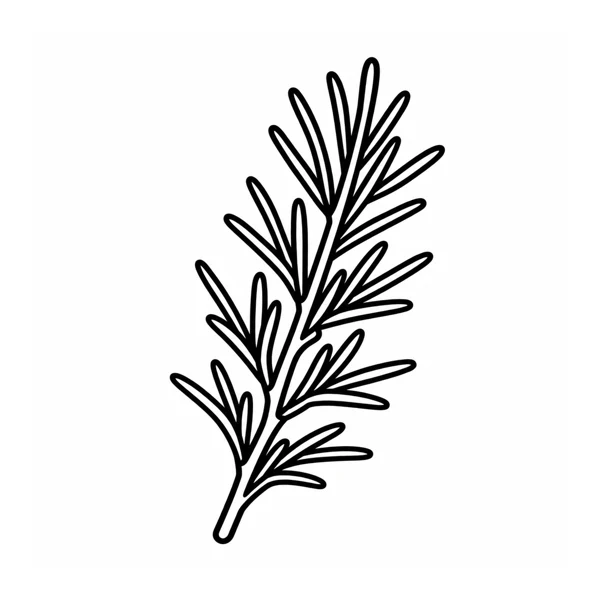
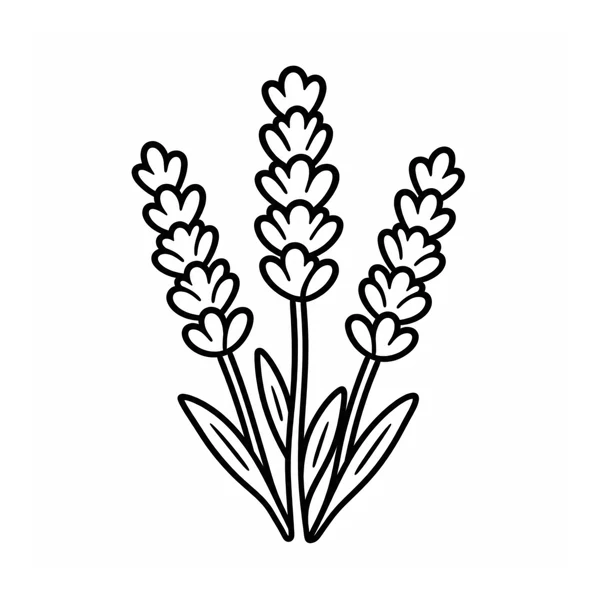
Good: Petunias, lobelia, sweet alyssum, marigolds and salvia. They share a sunny pot or bed and like the same moderate watering. Geraniums also sit happily near rosemary and lavender, which want the same well-drained soil. Japanese beetles nibble geranium petals, and research by the USDA found a compound in the petals briefly paralyzes them, but it isn't enough to protect the plants around them.
Avoid: Shady, damp corners and crowding. Geraniums planted tight in a wet spot are the first to get gray mold.
Seeds that grow well in your area in November
Affiliate links — shopping through these helps keep Evening Vines free. Purple Coneflower
 Stinging Nettle
 Smooth Blue Aster
 Polka Dot Mix
Varieties worth growing
- Maverick and Ringo series: Seed-grown zonals in a full range of colors. A good choice if you want to start your own.
- Pinto Premium series: Compact, early-flowering seed geraniums, handy where summers are short, as in Canada and the northern US.
- Americana series: Zonals sold as cuttings, bred to keep flowering in summer heat. A good pick for the southern US and warm parts of Australia.
- Calliope series: Interspecific hybrids, best known for Calliope Dark Red, with semi-double, velvety flowers. Strong growers that hold up well in hot weather.
- Mrs. Henry Cox: An old variety grown for its leaves, splashed with red, yellow and green.
- Balcon (Cascade) types: Trailing ivy geraniums with masses of small flowers. Famous on European balconies and well suited to the cool, mild summers of the UK and Ireland.
- Regal (Martha Washington) geraniums: Big ruffled blooms in spring. They like cool nights and sulk once it's hot, so they're best in cool coastal areas or as a spring pot plant.
- Scented-leaf geraniums: Grown for the smell of their leaves rather than their flowers. Rose (P. graveolens), lemon (P. crispum) and peppermint (P. tomentosum) are the classics. The citronella "mosquito plant" smells of citronella but hasn't been shown to keep mosquitoes away.
Picking notes
Geraniums aren't a classic cut flower, but a few stems last about a week in a vase. Cut heads when about a third of the buds are open. Scented-leaf types are picked for their leaves: snip stem tips any time during the growing season, which also keeps the plant bushy.
Saving seed for next year
Seed geraniums are mostly F1 hybrids, so saved seed won't match the parent. The beak-shaped pods also spring open when ripe and fling their seed. To keep a variety you love, take cuttings instead. They give you an exact copy every time.
From garden to table
Grown for beds, borders, hanging baskets and window boxes, and as winter houseplants. The leaves of rose-scented and other scented geraniums are used in small amounts to flavor sugar, jellies and baked goods. Use only scented types you grew yourself without sprays, and treat them as a flavoring, not a food. The ASPCA lists geraniums as toxic to dogs, cats and horses. Eating them can cause vomiting, loss of appetite and depression, and the sap can irritate skin, so keep pets from chewing the plants.
Questions from the potting bench
Will my geraniums come back next year? Only in frost-free zones 10 and 11. Everywhere else, bring them inside before frost or start fresh plants each spring. If they came back after a cold winter, you probably have hardy cranesbill geraniums, a different plant.
Why are my geranium leaves turning yellow? Usually too much water, especially in cool weather or pots without drainage. Older leaves at the base also yellow naturally as the plant grows. Let the soil dry between waterings.
Why is my geranium all leaves and no flowers? Not enough sun, too much nitrogen, or a plant growing in a pot far too big for it. Move it to a sunnier spot and switch to a high-potassium feed.
Can I grow geraniums indoors all year? Yes, in a bright south- or west-facing window. They flower less indoors in winter than outside in summer, and they'll want a cool spot and very little water until spring.
Grower reports
How did Geraniums do in your garden? Members rate it and say which zone and month they planted, so everyone can see what works near them.
Recent community discussions
No one has talked about Geraniums yet. Be the first.
Essentials for Growing Geraniums
 Grow Bags
Breathable fabric pots: grow almost anything on a patio, balcony or driveway, and roots never circle.
See it →
 Pruning Shears
Sharp bypass pruners for harvesting, deadheading and tidying.
See it →
 Seed Starting Tray
Reusable tray with a clear dome to give seeds a warm, humid start indoors.
See it →
 Garden Kneeler
A kneeling pad that flips into a seat: easier on knees and back.
See it →
 Plant Labels
Waterproof markers so you know what's coming up where.
See it →
 Organic Fertilizer
Slow-release organic plant food for vegetable beds and containers.
See it →
