
Iris
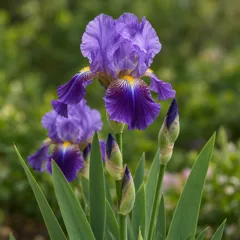
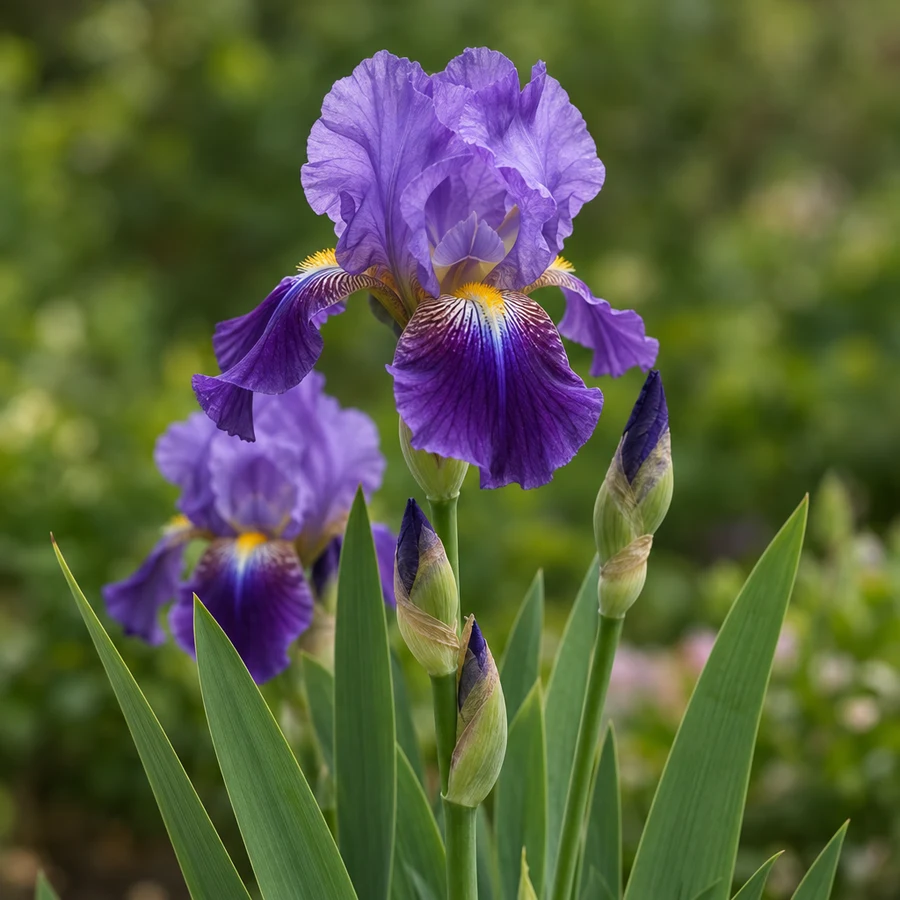
Irises are the flowers of late spring. Just as the tulips finish, tall bearded irises open their big ruffled blooms in almost every color there is, from white and butter yellow to blue, plum and near black. Many smell sweet, a few like grape soda. After that the clump is a neat fan of sword-shaped leaves for the rest of the year.
There are a few main kinds, and they like different things. Bearded irises grow from fat rhizomes that sit at the top of the soil and want sun and sharp drainage. Siberian irises make grassy clumps with slimmer flowers and are about as tough as a garden plant gets. Japanese and Louisiana irises like wet feet, and Louisiana types handle hot, humid summers. Dutch irises grow from small bulbs planted in fall, like tulips, and are the iris sold in florists' bunches.
Bearded and Siberian irises do well across the US, Canada, the UK and Ireland, and in the temperate south of Australia. In humid subtropical gardens, bearded types often rot, and Louisiana irises are the better pick.
All parts of iris are toxic if eaten, most of all the rhizomes and bulbs. Keep pets from chewing them, and wear gloves if your skin is sensitive.
Recent community discussions
No one has talked about Iris yet. Be the first.
At a glance
| Plant type | Flower (rhizome or bulb) |
| Botanical name | Iris spp. (tall bearded iris is Iris germanica and its hybrids; Siberian iris is Iris sibirica) |
| Annual or perennial | Hardy perennial |
| Sun | Full sun, at least 6 hours; Siberian and Louisiana types take a little light shade |
| Water | Bearded types: water to settle in, then only in long dry spells. Siberian, Japanese and Louisiana types: keep evenly moist |
| Spacing | 12 to 24 inches for tall bearded and Siberian; about 6 inches for dwarf bearded; Dutch iris bulbs 3 to 4 inches |
| Planting depth | Bearded rhizomes with the top level with the soil or just showing; Siberian and Louisiana crowns about 1 to 2 inches deep; Dutch iris bulbs 4 to 6 inches deep |
| Days to germinate | Seed is slow and patchy, often months, and usually needs a winter outdoors; most people plant rhizomes or bulbs |
| Days to maturity | Rhizomes planted in late summer usually bloom the next spring or early summer, though some take a second year to settle; seedlings take 2 to 3 years to flower |
| Best USDA zones | Bearded 3 to 9; Siberian 3 to 8; Louisiana about 5 to 10, and the best choice for humid heat |
| Soil pH | Bearded about 6.5 to 7.5 (neutral to slightly alkaline); Siberian, Japanese and Louisiana about 5.5 to 6.5 (slightly acid) |
Is it iris weather where you are? See everything to plant this month or read your zone notes.



A little history
The genus Iris has around 300 species, spread across the northern half of the world. The name comes from the Greek goddess of the rainbow, a fair match for a flower that comes in so many colors. Iris-like flowers are thought to appear in ancient Egyptian art, and the fleur-de-lis, the symbol of the French kings, is widely believed to be a stylized iris. For centuries the dried rhizomes of Iris pallida and Iris germanica, called orris root, were ground for perfume and powder, and Iris pallida is still grown for orris in Tuscany. Modern tall bearded irises came from crossing European and Middle Eastern species, much of it in the 1800s and 1900s, and breeders now register hundreds of new varieties a year. The iris is the state flower of Tennessee.
When to sow in your zone
Irises go in as rhizomes, divisions or bulbs. Each kind has its own season.
Late summer to early fall (bearded and Siberian): This is the main planting time. Plant or divide bearded irises from about 6 weeks after they finish blooming until 6 to 8 weeks before your first fall frost, so the roots anchor the plants before the ground freezes. In the north that means July and August. In mild zones it runs into September and October. Siberian irises go in late summer or early fall, or in early spring.
Fall (Dutch and other bulb irises): Plant Dutch iris and early dwarf bulbs, like Iris reticulata, in fall at about the same time as tulips and daffodils, from around your first fall frost to a few weeks after, once the soil has cooled. They're hardy to about zone 5; Dutch iris likes a sheltered spot there. In very mild-winter areas, plant them in late fall once the soil has cooled.
Spring: Potted irises from a nursery can go in any time in spring once the soil can be worked. They may not bloom much the first year.
Southern hemisphere: Australian gardeners plant and divide bearded irises from late summer into autumn, roughly February to April, and plant Dutch iris bulbs in autumn.
This month (November): In most of the US and Canada it's too late to plant bearded rhizomes; anything planted now may heave out of frozen ground. Clean up dead iris leaves and stems and throw them away, not on the compost, because iris borer eggs and leaf spot spend the winter on them. In zones 7 to 10 you can still plant Dutch iris bulbs, and in zones 8 to 10 potted irises too. In cold zones, put a light mulch over irises planted this year once the ground freezes, and pull it back in spring.
Growing it, step by step
Picking the Spot
Give bearded irises full sun and soil that never sits wet. They bloom poorly in shade and rot in soggy ground. A slightly raised bed or a gentle slope is ideal on clay. Siberian irises are more forgiving and grow in ordinary garden soil, even a damp one. Japanese and Louisiana irises like moist, rich, slightly acid soil and grow well beside a pond or in a low spot.
Preparing the Soil
Dig the bed about a foot deep and mix in some compost. Don't add fresh manure near bearded irises, as rich, wet soil invites rot. On heavy clay, raise the bed a few inches or add grit for drainage. Japanese and Louisiana irises can have plenty of compost or leaf mold.
Planting
For bearded irises, dig a shallow hole and make a small ridge of soil in the middle. Set the rhizome on the ridge with the roots spread down each side, then fill in so the top of the rhizome is level with the soil or just showing. In heavy soil, leave the top half exposed; in light, sandy soil, cover it with a thin layer. Point the leaf fans the way you want the clump to grow, and plant groups of three about a foot apart for a fuller look. Siberian and Louisiana irises go in with the crown about 1 to 2 inches under the soil. Plant Dutch iris bulbs pointed end up, 4 to 6 inches deep.
Growing in a Pot
Dwarf bearded irises and Dutch iris bulbs do well in pots. Use a gritty, free-draining mix in a pot at least 10 to 12 inches across, with drainage holes. Louisiana and Japanese irises can grow in a big pot without drainage holes, set in a saucer of water during the growing season. Potted irises need dividing every couple of years, and in zone 6 and colder they need a sheltered spot over winter.
Water
Water new plantings well and keep the soil just moist for a few weeks while roots form. After that, bearded irises need water only in long dry spells; too much does more harm than too little. Siberian irises like a steady supply, especially in spring. Japanese and Louisiana irises want moist soil all through the growing season.
Mulch
Don't mulch over bearded iris rhizomes. They need sun on their tops, and mulch holds damp against them. A thin mulch around, not on, the plants helps hold back weeds. Siberian, Japanese and Louisiana irises like a mulch of compost to keep their roots moist.
Feeding
A light feed of a low-nitrogen fertilizer in early spring and again after flowering is plenty. Too much nitrogen gives soft, leafy growth that rots easily and blooms less. Many gardeners add a little bone meal at planting.
Keeping it happy
Snap off faded flowers, and cut each flower stem down to the base once all its buds have opened. Leave the leaves to feed the rhizome. In fall, cut bearded iris leaves back to about 6 inches, and clear away and throw out dead leaves, which hide borer eggs and leaf spot over winter.
Divide bearded irises every 3 to 5 years, when the clump gets crowded and flowers fall off, usually 6 weeks or so after bloom. Lift the clump, cut off healthy pieces of young rhizome, each with a fan of leaves and some roots, and throw out the old, woody center and any soft or damaged bits. Trim the leaves to about 6 inches and replant. Water the bed the day before so the soil is moist but not wet, and water about once a week in dry spells until the plants settle in. Siberian irises only need dividing when the middle of the clump dies out, every 5 to 10 years.
Trouble in the bed
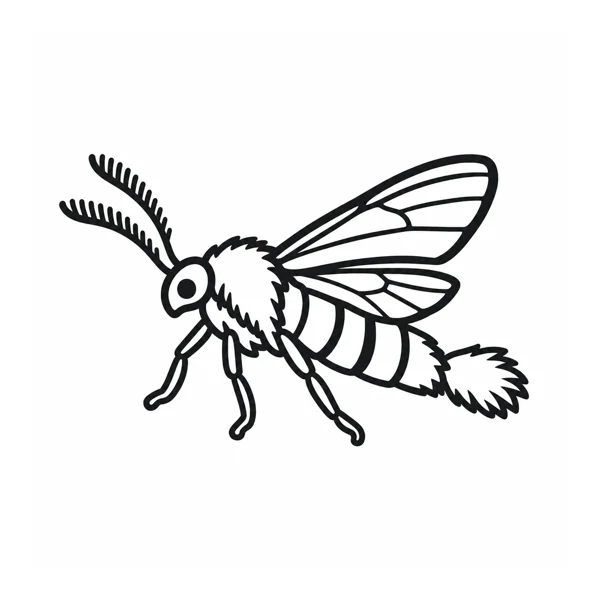
- Iris borer: The worst iris pest in eastern and central North America. It isn't found in the UK, Ireland or Australia. Tiny caterpillars hatch in spring, tunnel down inside the leaves and hollow out the rhizome by midsummer. Look for ragged, water-soaked streaks on young leaves and squeeze the leaf to crush the larvae. Clearing old leaves in fall or very early spring removes most of the eggs.
- Bacterial soft rot: Rhizomes turn mushy and smell terrible, and the leaf fan collapses. It often follows borer damage or wet, crowded planting. Cut away the soft part back to firm, clean tissue, let the cut dry in the sun, and improve drainage.
- Leaf spot: Small brown spots with yellow edges that merge in wet weather. Most common on bearded types. Remove spotted leaves and clean up all old foliage in fall.
- Rust: Orange-brown dusty spots on the leaves, which later turn dark. Pick off affected leaves and clear debris.
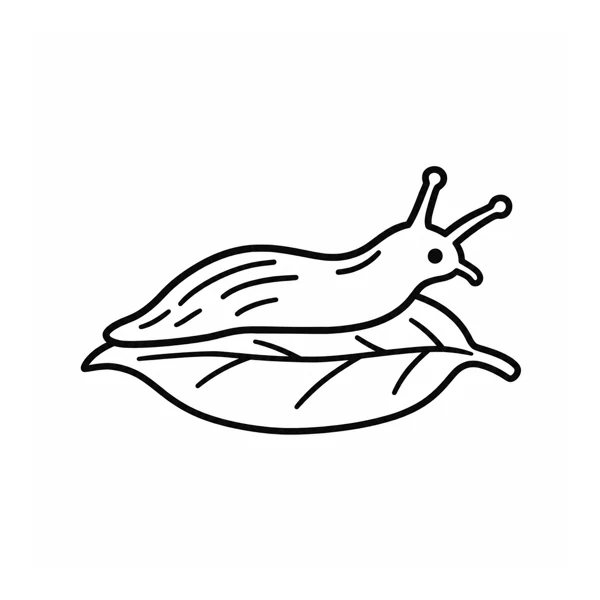
- Aphids, slugs and snails: Aphids spread iris viruses, which show as yellow streaks or mottling; remove badly affected plants. Slugs and snails chew young leaves and buds, especially on Siberian and Japanese irises in damp gardens. In the UK and Ireland, iris sawfly larvae can strip the leaves of water irises in summer; pick them off by hand.
Good neighbors
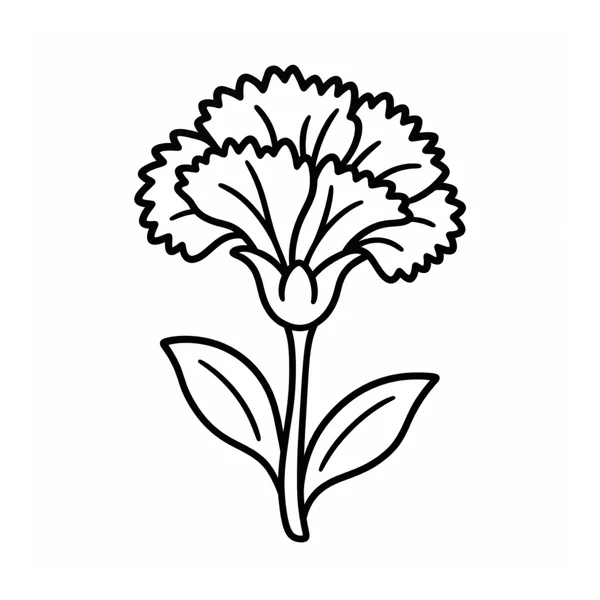
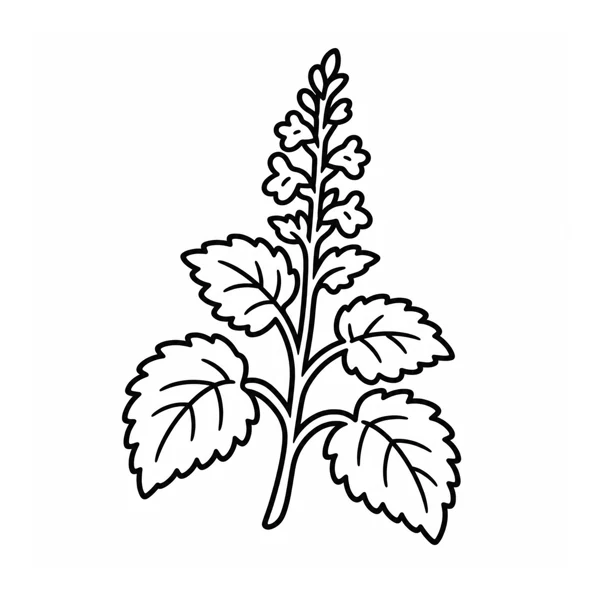
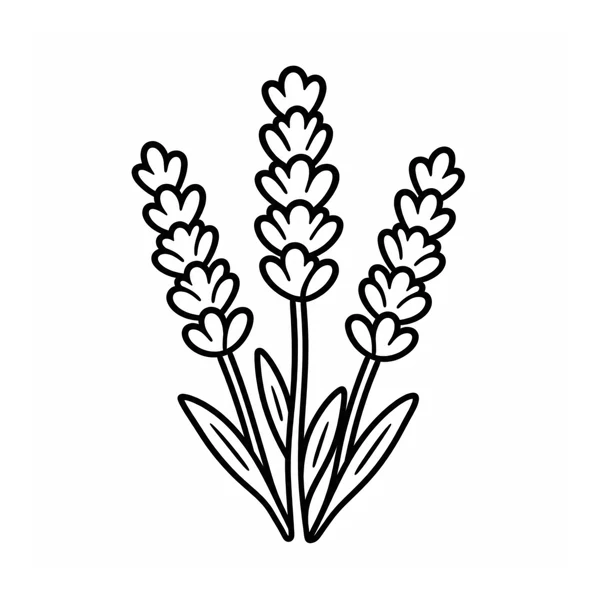
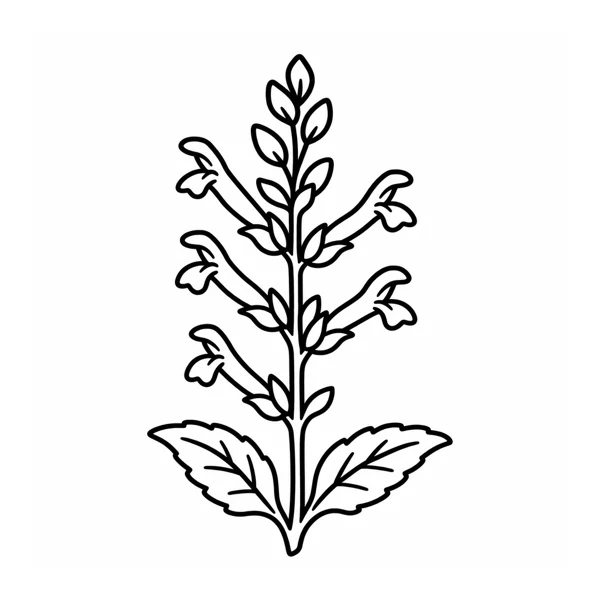
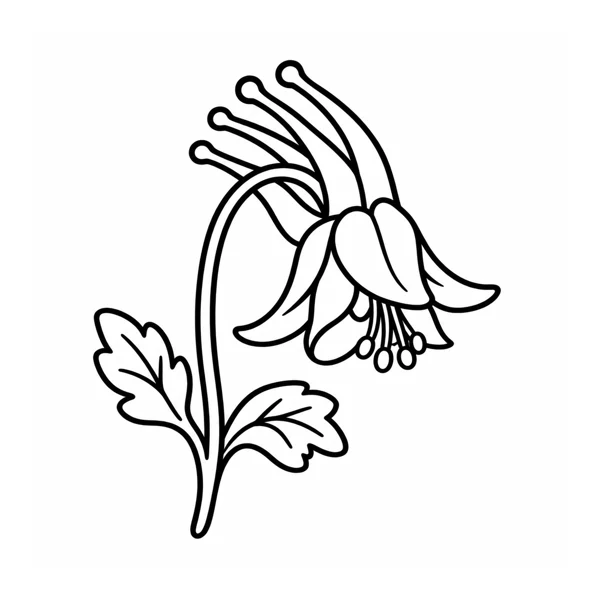
Good: Plants that like the same sun and good drainage and don't smother the rhizomes, like dianthus, catnip, lavender, salvia and columbine. Later-blooming echinacea, coreopsis and black-eyed Susan carry color on after the irises fade. Siberian irises sit well with forget-me-nots and other plants for moist soil.
Avoid: Big, spreading plants that shade the rhizomes or press against them, and thick ground covers that keep the soil damp around bearded irises.
Seeds that grow well in your area in November
Affiliate links — shopping through these helps keep Evening Vines free. Arugula Microgreens
 Organic Alfalfa
 Organic Wheatgrass
 Purple Coneflower
Varieties worth growing
These are named varieties grown from rhizomes or bulbs. They don't come true from seed.
Tall bearded (zones 3 to 9):
- Immortality: Pure white, lightly scented, and a reliable reblooming iris in many gardens, often flowering again in late summer or fall. Plants
- Beverly Sills: Soft coral-pink ruffled blooms and a strong, healthy plant.
- Superstition: Very dark purple-black with a sheen; a classic for a dramatic border.
- Batik: A border bearded iris with purple petals streaked and splashed with white.
- Sugar Blues: Clear sky blue with a sweet scent.
Siberian (zones 3 to 8, the toughest pick for Canada and cold northern gardens):
- Caesar's Brother: Deep violet-purple, an old variety that is still among the most reliable.
- Butter and Sugar: Creamy white upper petals with yellow lower petals.
- Snow Queen: Clean white flowers over grassy leaves.
For wet soil and hot, humid summers (Louisiana and Japanese):
- Black Gamecock: A Louisiana iris with velvety dark purple flowers that spreads well in damp soil; good in the southern US and subtropical Australia.
- Professor Neil: A Louisiana iris with blue-violet flowers.
- Variegata: A Japanese iris (Iris ensata) grown as much for its cream-striped leaves as its purple flowers.
For cool maritime summers (UK and Ireland):
- Jane Phillips: An old tall bearded iris with pale blue, sweetly scented flowers that does well in cool, damp climates.
- Harmony: An early dwarf Iris reticulata with royal blue flowers in late winter, planted as bulbs in fall.
Dutch iris (bulbs, planted in fall):
- Blue Magic: Deep blue-violet with a yellow blotch, a florist favorite.
Iris plants to buy
Affiliate links — shopping through these helps keep Evening Vines free.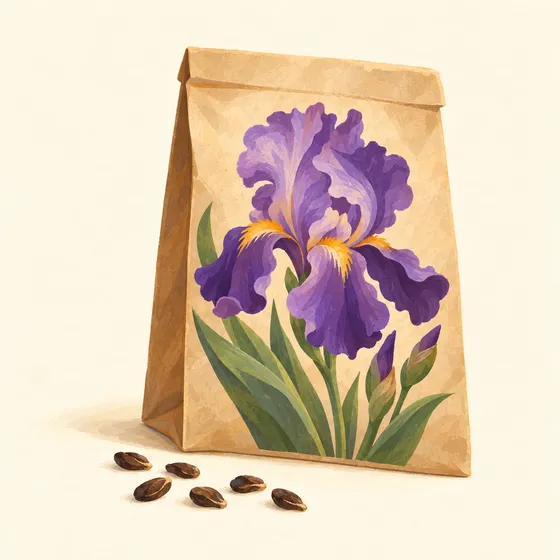 Immortality
Picking notes
Cut iris stems for the vase when the first bud shows color but before it fully opens. Cut early in the morning and put the stems straight into cool water. Each bud lasts only a day or two, but the next buds on the stem keep opening. Snap off spent flowers as you go. Dutch irises last about a week in a vase.
Saving seed for next year
Irises set fat seed pods after bloom, but seedlings won't match the parent, and they take 2 to 3 years to flower. Most gardeners snap pods off so the plant puts its energy into the rhizome. If you want to try, let pods dry on the stem until they split, then sow the seed outdoors in fall in a pot and let winter chill it. To keep a variety you love, divide the clump instead.
From garden to table
Irises are grown for borders, cut flowers and pond edges. They aren't food. All parts, especially rhizomes and bulbs, can cause vomiting, drooling and diarrhea if eaten, and the sap can irritate skin. The ASPCA lists iris as toxic to dogs, cats and horses. Orris root, from dried Iris germanica and Iris pallida rhizomes, has long been used in perfume, but it is processed and aged for years first; don't try to make it from garden plants.
Questions from the potting bench
Why didn't my iris bloom this year? The most common reasons are rhizomes planted too deep, too little sun, a clump that badly needs dividing, or too much nitrogen. Newly planted or divided irises may also skip a year while they settle in.
Should I cut back iris leaves after flowering? No. Cut the flower stems down, but leave the green leaves to feed the rhizome for next year. In fall, trim bearded iris leaves to about 6 inches and clear away the dead ones.
My rhizomes are showing on top of the soil. Is that wrong? That's how bearded irises grow. They like the sun on their backs. Don't bury them; it invites rot and cuts flowering.
Can I grow irises in a hot, humid climate? Yes, but choose the right kind. Bearded irises often rot in humid heat and need a cool winter to bloom well. Louisiana irises love heat, humidity and wet soil, and they're the best choice for the Gulf Coast and subtropical Australia.
Grower reports
How did Iris do in your garden? Members rate it and say which zone and month they planted, so everyone can see what works near them.
Recent community discussions
No one has talked about Iris yet. Be the first.
Plants to try
Affiliate links — shopping through these helps keep Evening Vines free.Essentials for Growing Iris
 Grow Bags
Breathable fabric pots: grow almost anything on a patio, balcony or driveway, and roots never circle.
See it →
 Pruning Shears
Sharp bypass pruners for harvesting, deadheading and tidying.
See it →
 Seed Starting Tray
Reusable tray with a clear dome to give seeds a warm, humid start indoors.
See it →
 Garden Kneeler
A kneeling pad that flips into a seat: easier on knees and back.
See it →
 Plant Labels
Waterproof markers so you know what's coming up where.
See it →
 Organic Fertilizer
Slow-release organic plant food for vegetable beds and containers.
See it →
