
Jackfruit
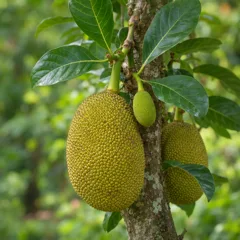
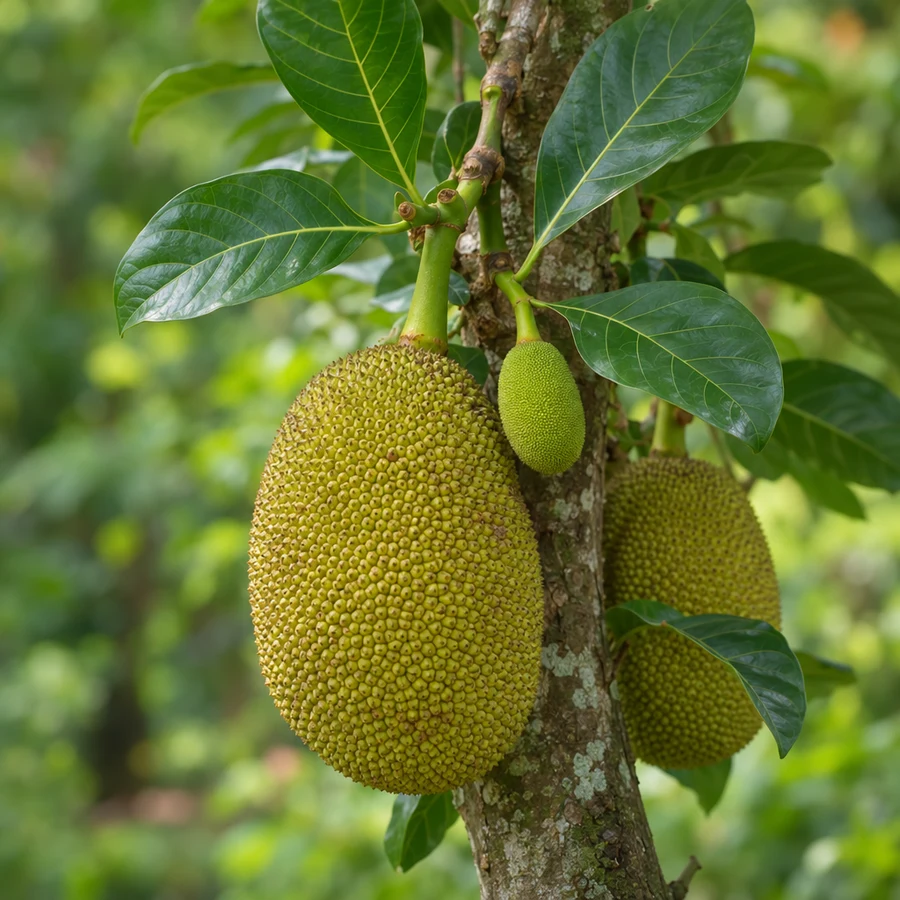
Jackfruit carries the biggest fruit of any tree you can grow. A single fruit often weighs 10 to 60 pounds, and the fruits hang straight off the trunk and thick branches. Ripe flesh is sweet and fragrant, somewhere between banana, pineapple and mango. Picked young and green, the same fruit cooks up like a vegetable, which is why it turns up as a meat stand-in. The cooked seeds taste a bit like chestnuts.
Be honest with yourself about climate before you buy one. Jackfruit is a true tropical. Leaves are hurt at 32°F, branches at 30°F, and a tree can die at 28°F. In the US it grows outside only in the warmest parts of south Florida, Hawaii, Puerto Rico and similar frost-free places. In Australia it's a crop of the tropical north: around Darwin, far north Queensland and the Kimberley in Western Australia, with some trees in warm, frost-free gardens in southeast Queensland. In the UK, Ireland, Canada and most of the US, it's a heated-greenhouse or conservatory plant, and fruit indoors is a long shot.
Recent community discussions
No one has talked about Jackfruit yet. Be the first.
At a glance
| Plant type | Tropical fruit tree |
| Botanical name | Artocarpus heterophyllus |
| Annual or perennial | Evergreen perennial |
| Sun | Full sun |
| Water | Regular water in dry spells, most of all from bloom to harvest; never waterlogged |
| Spacing | 25 to 30 feet from other trees and buildings; 20 to 25 feet if pruned every year |
| Planting depth | Trees level with or slightly above the soil they grew in; seeds just covered with mix |
| Days to germinate | 21 to 56 days (3 to 8 weeks), from fresh seed only |
| Days to maturity | About 3 to 4 years to first fruit for grafted trees; seedlings take 4 to 14 years; fruit ripens 3 to 8 months after flowering |
| Best USDA zones | 10b to 11 outdoors (10a in the warmest, most sheltered spots); anywhere else only in a heated greenhouse |
| Soil pH | 6.0 to 7.0 (copes with the alkaline, rocky soils of south Florida) |
Is it jackfruit weather where you are? See everything to plant this month or read your zone notes.
Pests to watch for

Diseases

A little history
Most botanists think jackfruit comes from the rainforests along the Western Ghats in southwest India, though no wild ancestor has ever been pinned down and some researchers still argue the point. It has been grown in India for at least 3,000 years and spread early across Sri Lanka, Myanmar, southern China and Southeast Asia. In 1782, plants taken from a captured French ship headed for Martinique ended up in Jamaica, where the tree is now common. Brazil got it in the mid-1800s, and it reached Florida roughly a hundred years after Jamaica, most likely brought in from Sri Lanka by a Florida nursery.
When to sow in your zone
Jackfruit goes in as a young tree. You can raise one from seed, but grafted trees of named varieties are the better choice, because you know what fruit you'll get.
Late spring to early summer (zones 10b to 11): The best time to plant is at the start of the warm, wet season, roughly May to July, when the soil is warm and the tree has months of heat ahead. If you can water reliably, south Florida growers plant any time of year. In Australia's tropical north and frost-free southeast Queensland, plant from about October to January as the wet season arrives.
Seed: Sow fresh seed within a few weeks of taking it from the fruit. The seeds stay alive for only about a month and don't store. Sow in warm weather, or with bottom heat indoors.
Colder zones: Keep the tree in a big pot in a heated greenhouse or conservatory year-round. Move it outside on a sunny patio only in the warmest weeks of summer, and bring it back in well before nights drop below about 50°F.
November in the garden: In zones 10 and 11, ease off feeding (no nitrogen after August) and water only in dry spells, since the tree is heading into its quiet season. Watch the forecast for cold snaps and cover young trees if frost threatens. In cold climates, a potted tree should be indoors already, in the brightest, warmest spot you have.
Growing it, step by step
Starting a New Tree
Buy a grafted tree of a named variety from a tropical fruit nursery. If you start from seed, soak the fresh seeds in water for a day, sow them in deep pots, and keep them warm. Pick the strongest seedlings and throw out stunted or yellow ones. Seedlings vary, so the fruit may not match the tree it came from.
Picking the Spot
Choose the warmest, sunniest corner of the yard, well away from buildings, other trees and power lines. Most of all, pick ground that never stays wet. Jackfruit can decline or die after just 2 to 3 days in soggy soil. If your yard floods after summer storms, plant on a mound of native soil 2 to 3 feet high.
Planting
Choose a healthy tree in a 3-gallon pot, about 2 to 4 feet tall, and avoid big trees crammed in small pots. Jackfruit hates being root-bound, and pot-bound trees settle in poorly. Dig a hole 3 to 4 times wider and 3 times deeper than the pot. Set the tree so the top of its soil sits level with or a little above the ground, firm the soil around it, and water right away. Don't put fertilizer or a layer of compost in the hole.
Growing in a Pot
This is the only way to grow jackfruit in cold climates. Use the biggest, deepest pot you can move, since the tree grows a long taproot and suffers when roots circle. Use a free-draining mix and water only when the top inch is dry. Keep it at 60°F or warmer if you can, with as much light as possible. Treat it as a handsome foliage tree; a pot-grown jackfruit fruiting in a greenhouse is rare.
Water
Young trees need regular water in dry spells. Older trees handle short droughts but crop best with steady water, and watering matters most from when flowers appear until harvest. Don't run lawn sprinklers on a timer near the tree. Too much water too often leads to root rot.
Mulch
Spread 2 to 6 inches of wood chips or bark over the root area. Keep the mulch 8 to 12 inches back from the trunk, and keep a grass-free circle around the tree so mowers and string trimmers never nick the bark.
Feeding
Once new growth starts after planting, give about 1/4 pound of a balanced fertilizer such as 6-6-6 with minor elements, and repeat about every 8 weeks the first year. Increase the amount slowly as the tree grows. Mature trees need only 2 to 3 feedings a year, from bloom to just after harvest. In alkaline soils, a chelated iron drench in summer helps keep leaves green.
Keeping it happy
Young trees need no pruning the first year. After that, cut the main stem back to a side branch to slow upward growth and spread the canopy. Each year after harvest, take out tall upright shoots, thin the inside of the tree to let light in, and remove old flowering shoots. Pruned this way, a jackfruit can be kept around 8 to 14 feet tall, which makes picking much safer.
Limit a young tree to one fruit. Heavy fruit can break or kill a limb on a small tree. On older trees, leaving fewer fruits per branch gives bigger, better fruit.
Wear gloves and old clothes when you prune or pick. Every part of the tree bleeds a white, sticky latex that stains fabric for good.
Trouble in the bed
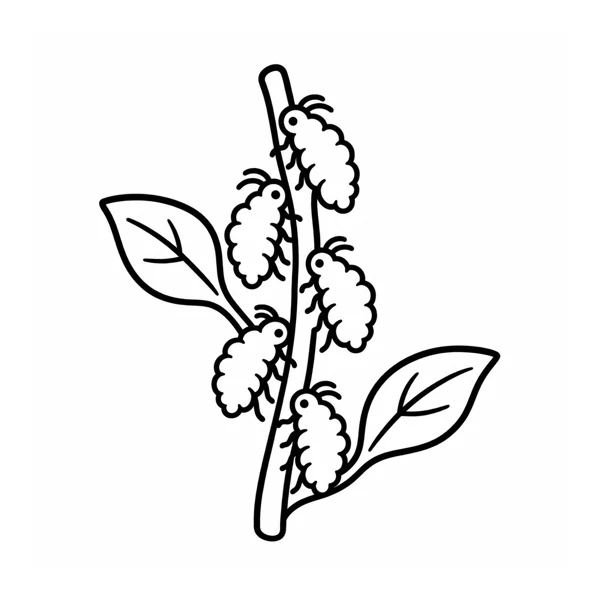
- Scale insects and mealybugs: The most common pests in Florida, on stems and fruit. Check regularly and treat when you see them building up.
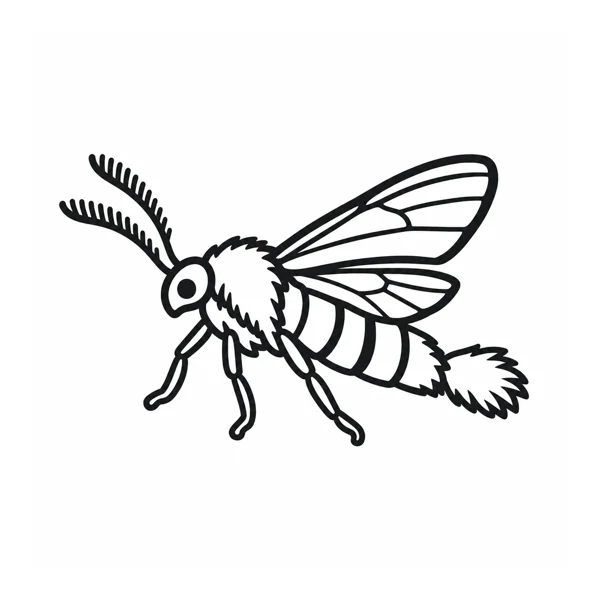
- Borers: Several wood-boring beetles go after wounded or dead wood on the trunk and branches. Avoid bark injuries and prune out dead wood.
- Root rot: The big killer, caused by wet soil and flooding. Good drainage is the only real fix.
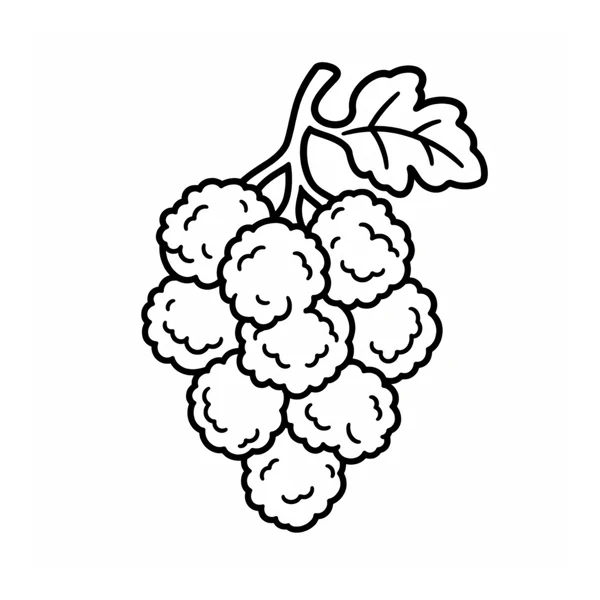
- Rhizopus rot: A fungus that rots male flower spikes, stems and young fruit, worst in damp weather. Pick up and remove rotting fruit and flower spikes.
- Leaf spots: A few fungi spot the leaves but rarely do serious harm.
Good neighbors
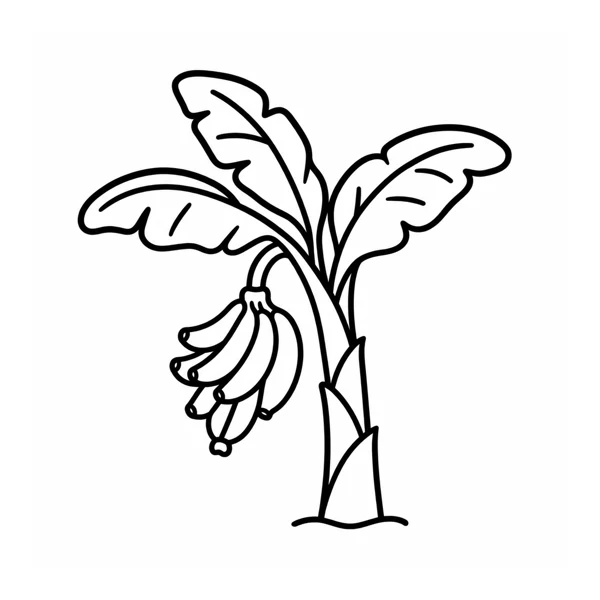
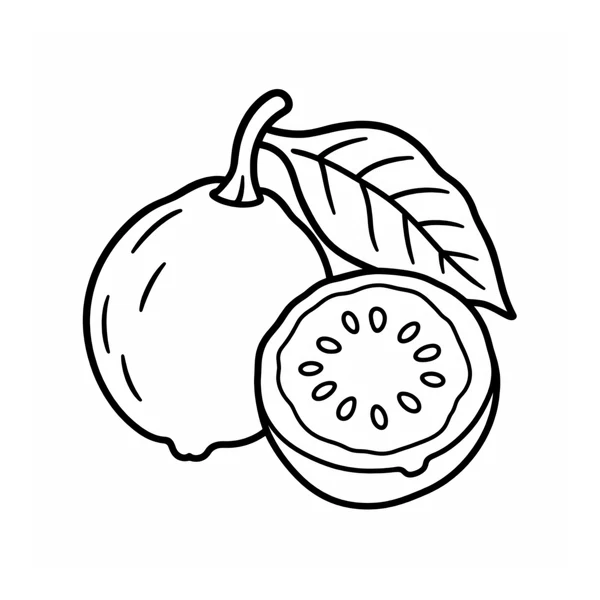
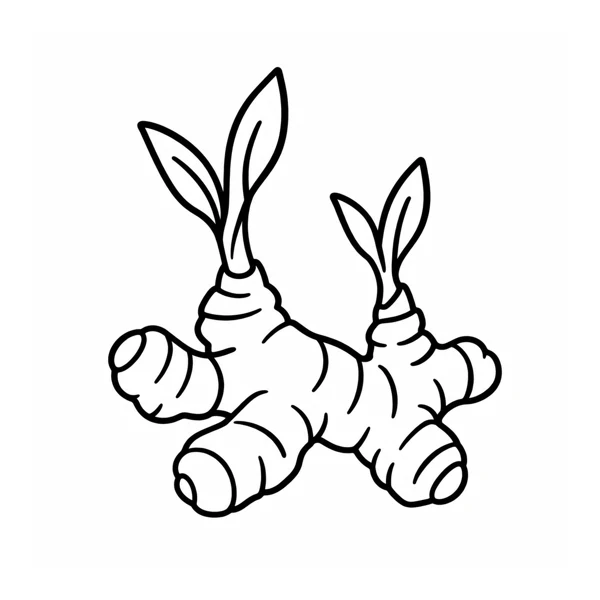
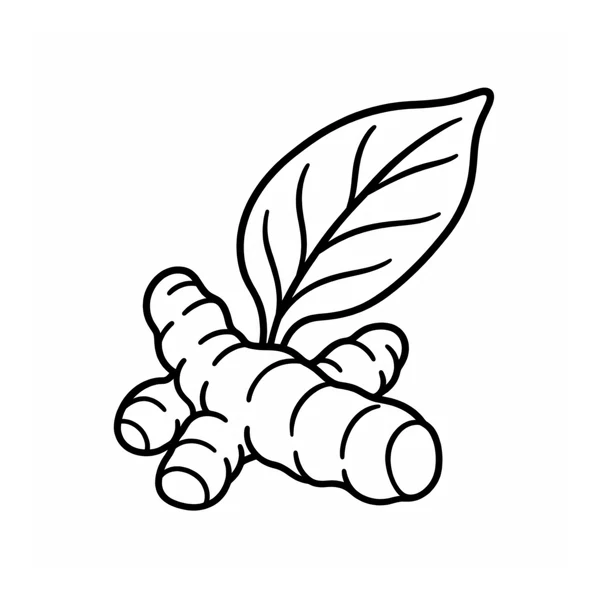
Good: Other tropicals that share its love of heat and humidity, planted well outside the canopy, such as banana and guava. Under the edge of a young tree, shade-tolerant ginger and turmeric make good use of the ground.
Avoid: Heavily fertilized lawn right up to the tree, and anything on a frequent sprinkler schedule. Jackfruit roots spread past the drip line, and lawn feeding and watering can cut fruiting and rot the roots.
Seeds that grow well in your area in November
Affiliate links — shopping through these helps keep Evening Vines free. Smooth Blue Aster
 Polka Dot Mix
 Black-Eyed SusanSeeds
 ColumbineSeeds
Varieties worth growing
There are no cold-hardy jackfruits. Every variety needs a frost-free climate or a heated greenhouse. What varieties do change is fruit size, flesh texture and how easy the tree is to keep small. Several of the best-known home varieties were selected in Australia and tested in Florida. Seasons below are for Florida.
Smaller fruit, easy to keep small (good for home gardens):
- Gold Nugget: Round fruit of about 7 to 12 pounds with deep orange, very good-flavored flesh. Ripens early, May to June. The tree can be pruned to about 8 feet.
- Cheena: A cross with champedak, a close relative. Small 5- to 10-pound fruit with soft, very fragrant flesh. July to August, and easy to keep small.
- Honey Gold: 10- to 12-pound fruit with firm, dark yellow to orange flesh and a rich, honeyed flavor. Slow growing and compact.
- Cochin: Very small fruit, just 2 to 5 pounds, with crunchy flesh. Early, June to July.
- NS1: A Malaysian variety with 9- to 12-pound fruit, firm dark orange flesh and heavy crops. Early, May to June.
Larger fruit:
- Black Gold: Long fruit of around 22 pounds with deep orange, sweet, fragrant flesh. Late, September to October. Can still be pruned to a small tree.
- J-31: Large fruit of about 26 pounds with firm, sweet flesh that rarely splits. Often fruits off-season.
- Lemon Gold: Medium fruit with firm, lemon-yellow, sweet flesh. Needs yearly pruning.
- Dang Rasimi: A vigorous Thai variety with 18- to 20-pound fruit and very heavy crops; needs yearly pruning.
For a pot in a greenhouse: Choose one of the compact, small-fruited varieties above, like Gold Nugget, Cochin or Cheena.
Picking notes
In Florida the main crop ripens in summer and fall, depending on the variety. Fruit ripens about 3 to 8 months after the flowers appear.
Telling when a jackfruit is ready takes practice. Look for skin that turns from green to light green or yellowish brown, spines that flatten and spread out, and a strong fruity smell. A ripe fruit sounds hollow when you tap it, while an unripe one sounds solid. Cut the stalk with loppers and lower the fruit carefully rather than letting it drop. Set it on its side in the shade until the latex stops running. A mature fruit ripens in 3 to 10 days at room temperature, and once ripe it goes over fast, so check it daily.
For cooking as a vegetable, pick young green fruit about 1 to 3 months old.
Before cutting a fruit open, rub vegetable oil on your hands, the knife blade and the cutting board. It stops the latex from sticking.
Saving seed for next year
Possible, but the seedlings won't match the parent. Jackfruit is pollinated by wind and insects, so seeds are usually crosses. Take seed only from a tree with great fruit, wash it, and sow it within a few weeks. The seeds don't store longer than about a month. To keep a variety exactly, graft it.
From garden to table
Ripe jackfruit is low in fat and a good source of potassium. USDA figures for 100 grams of raw fruit are about 95 calories, 23 grams of carbohydrate, 1.5 grams of fiber and 448 mg of potassium. Eat ripe flesh fresh, dried, in syrup, or in fruit salads and smoothies. Cook young green fruit in curries, stews and shredded "pulled" dishes. Always cook the seeds; boil or roast them and eat them like chestnuts. Raw seeds contain a compound that blocks digestion, and cooking destroys it. Eating a lot of ripe fruit at once can upset your stomach. A few people react to jackfruit, especially those allergic to birch pollen or latex; if your mouth itches or swells after eating it, stop and talk to a doctor. The sticky sap can also irritate sensitive skin, so wear gloves when handling cut fruit.
Questions from the potting bench
Do I need two jackfruit trees? No. Each tree has both male and female flowers, so one tree will fruit on its own.
Can I grow jackfruit outside in zone 9? Not reliably. The tree is damaged at freezing and can be killed at 28°F, and zone 9 sees frosts most winters. Grow it in a big pot you can move into a heated space.
Will a jackfruit fruit in a pot or greenhouse? It's possible with a compact variety, steady warmth and plenty of light, but uncommon. Most growers in cold climates keep it as a striking tropical foliage tree.
Is jackfruit the same as durian? No. Both are big, spiky tropical fruits, but they're unrelated. Jackfruit belongs to the fig and mulberry family and smells sweet and fruity. Durian is famous for its strong smell.
Why is my young tree dying after heavy rain? Most likely root rot from soggy soil. Jackfruit can't take more than a couple of days of wet roots. Replant on a mound, or in a spot that drains fast.
Grower reports
How did Jackfruit do in your garden? Members rate it and say which zone and month they planted, so everyone can see what works near them.
Recent community discussions
No one has talked about Jackfruit yet. Be the first.
Essentials for Growing Jackfruit
 Grow Bags
Breathable fabric pots: grow almost anything on a patio, balcony or driveway, and roots never circle.
See it →
 Organic Fertilizer
Slow-release organic plant food for vegetable beds and containers.
See it →
 Pruning Shears
Sharp bypass pruners for harvesting, deadheading and tidying.
See it →
 Insect Netting
Fine mesh that keeps cabbage worms, flea beetles and birds off your crops, no sprays needed.
See it →
 Soaker Hose
Waters the roots slowly, not the leaves: less disease, less water, less work.
See it →
 Garden Hand Tools
Trowel, transplanter and cultivator: the three tools you reach for most.
See it →
