
Kiwi
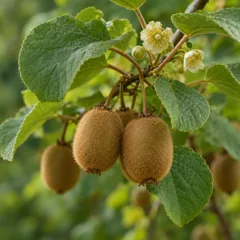
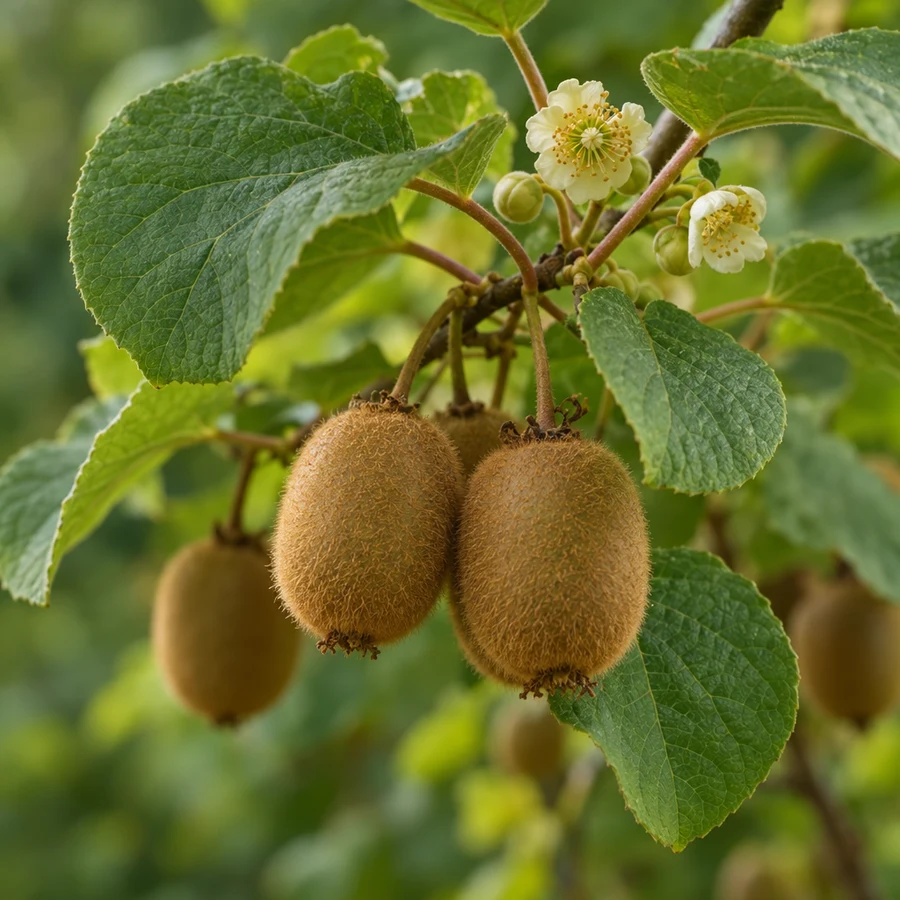
There are two kiwis worth knowing. Fuzzy kiwi is the brown, egg-sized fruit from the grocery store. It needs long, mild seasons and a winter that rarely drops much below 10°F. Hardy kiwi, often sold as kiwiberry, gives grape-sized fruit with smooth skin that you pop in your mouth whole. It is much tougher, taking around -25°F once dormant, so it grows across most of the northern US, southern Canada, the UK and Ireland.
Both are big, fast, twining vines that need a strong trellis or pergola. Most kiwis come as separate male and female plants, and only females fruit, so plan on at least one of each unless you buy a self-fertile variety. They're slow to start, but a happy vine crops for decades.
Recent community discussions
No one has talked about Kiwi yet. Be the first.
At a glance
| Plant type | Fruiting vine |
| Botanical name | Actinidia deliciosa (fuzzy kiwi); Actinidia arguta (hardy kiwi or kiwiberry); Actinidia kolomikta (super-hardy kiwi) |
| Annual or perennial | Deciduous perennial vine |
| Sun | Full sun, with shelter from strong wind; takes a little shade but fruits less |
| Water | About 1 to 2 inches per week in summer; never waterlogged |
| Spacing | 10 to 15 feet between vines |
| Planting depth | Same depth as in the nursery pot; never pile soil against the trunk |
| Days to germinate | Not grown from seed for fruit; seedlings are often male and don't come true. Buy named female and male nursery vines |
| Days to maturity | 3 to 5 years to first fruit, with full crops by about years 5 to 8 |
| Best USDA zones | Hardy kiwi 4 to 8 (kolomikta to zone 3); fuzzy kiwi 8 to 9 (7b with a sheltered spot) |
| Soil pH | 5.5 to 6.5 (slightly acidic) |
Is it kiwi weather where you are? See everything to plant this month or read your zone notes.
Pests to watch for

Diseases

A little history
Kiwi is native to China, where people gathered the fruit from the wild for centuries. In 1904 a New Zealand teacher, Isabel Fraser, brought seeds home from a visit to mission schools in China. A Whanganui grower raised them, and the first New Zealand vines fruited a few years later. Growers knew it as the Chinese gooseberry. In the 1920s another nurseryman, Hayward Wright, picked out the large, well-keeping fruit that became Hayward, still the main fuzzy kiwi sold worldwide. New Zealand exporters renamed it kiwifruit in 1959, after the country's national bird. Hardy kiwis came to the US separately, as garden curiosities, from the late 1800s.
When to sow in your zone
Kiwis go in as young vines, not seeds.
Early spring (zones 3 to 7, and Canada): Plant bare-root or potted vines in early spring, from about a month before your last frost, while they're still dormant. That gives the roots a full season before winter. If buds have already opened, be ready to cover the vine on frosty nights.
UK and Ireland: Plant in spring, once the soil starts to warm, and choose a sheltered spot where late frosts won't catch the new shoots.
Winter (zones 8 and 9): Where winters are mild, plant dormant vines from early to late winter, or in early spring. In Australia, winter is the usual planting time for kiwi in cooler areas such as the tablelands, Victoria and Tasmania.
Tropical and frost-free areas (zone 10 and warmer): Fuzzy kiwi needs a cold winter to flower well, so it rarely crops in truly frost-free places. A few low-chill varieties do better (see Varieties).
November in the garden: In zones 8 and 9, fuzzy kiwis are ready to pick now, before a hard frost. In colder zones, hardy kiwis have dropped their leaves; it's a good time to rake up and plan your winter pruning.
Growing it, step by step
Male and Female Vines
This is the first thing to get right. Most kiwi vines are either male or female. Females bear the fruit; males only make pollen. One male can pollinate up to about eight females, as long as both bloom at the same time, so buy a male sold to match your female. Hardy kiwi males pollinate hardy kiwi females, and fuzzy males pollinate fuzzy females. A few varieties, like Issai (hardy) and Jenny (fuzzy), are self-fertile, which is handy if you only have room for one vine.
Picking the Spot
Choose full sun and shelter from strong wind, which snaps the soft new shoots and scuffs the fruit. Avoid low spots where cold air settles. Kiwi buds open early in spring, and the young shoots are killed by even a light frost. In the UK and Ireland, a south- or west-facing wall gives extra warmth to ripen fruit.
Soil and Drainage
Kiwi roots rot quickly if they sit in water for even a few days. Use well-drained soil rich in organic matter, slightly acidic. On heavy or wet ground, plant on a raised bed or mound about a foot high.
The Trellis
Build the support before you plant. A grown vine with fruit is very heavy. A sturdy pergola or a T-bar trellis about 6 to 7 feet high, with strong posts set deep, works well. An arbor or a strong fence with wires also works for one or two vines.
Planting
Dig a hole wider than the roots and set the vine at the same depth it grew in the pot. Firm the soil, water well, and keep fertilizer out of the planting hole. Tie the strongest shoot to a stake so it grows straight up as the future trunk, and cut the rest away.
Growing in a Pot
Kiwis are big vines, so pots suit them only for a few years. Issai, a compact self-fertile hardy kiwi, is the best choice for a large container of 15 gallons or more, with a sturdy frame. In cold zones, move the pot into an unheated garage once it's dormant so the roots don't freeze solid.
Water
Kiwis are thirsty in summer, with big leaves that lose a lot of water. Water deeply each week and more in heat, keeping the root zone moist but not soggy. Keep water off the trunk itself.
Feeding
Go light the first year or two. From year three, feed in early spring and again in late spring with a balanced fertilizer. Avoid potassium chloride (muriate of potash), as kiwis are sensitive to chloride.
Keeping it happy
Kiwi needs pruning twice a year, or it turns into a tangle with little fruit. Train one straight trunk up to the top of the trellis, then two arms along it. In winter, while the vine is dormant, cut back the canes that fruited last year and keep strong new canes spaced about a foot apart along the arms. Fruit forms on new shoots that grow from last year's wood. In summer, cut back long, tangling shoots, especially on hardy kiwi, which can grow 20 feet or more in a season. Prune male vines right after they bloom rather than in winter.
Protect the trunks of young vines in cold zones with a wrap for the first few winters, as trunk splitting from cold is common. If a late frost is forecast after buds open, cover the vine with frost cloth.
Cats love kiwi vines. The leaves and stems smell like catnip to them, and they'll chew and roll on young plants. Ring a new vine with wire mesh for the first year or two.
Trouble in the bed
- Root rot (Phytophthora): The biggest killer of kiwi vines. Leaves wilt and yellow, then the vine dies. Prevention is drainage; once it starts, there's little you can do.
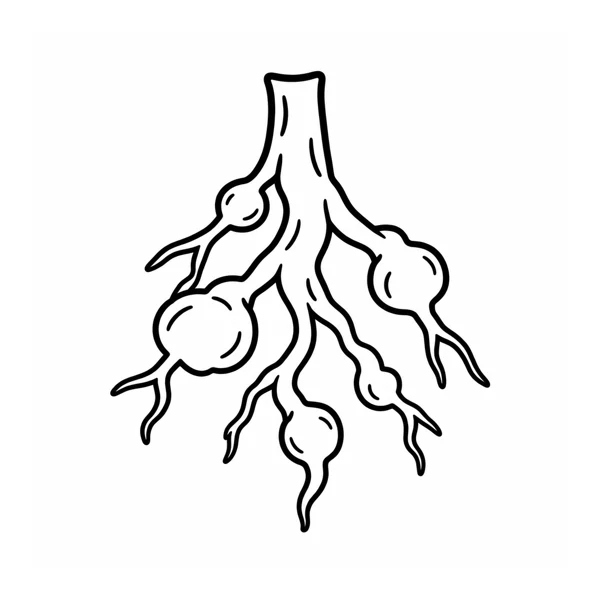
- Root-knot nematodes: Swollen roots and a weak vine, mostly in sandy soils in warm areas. Start in clean ground and keep the vine well fed and watered.
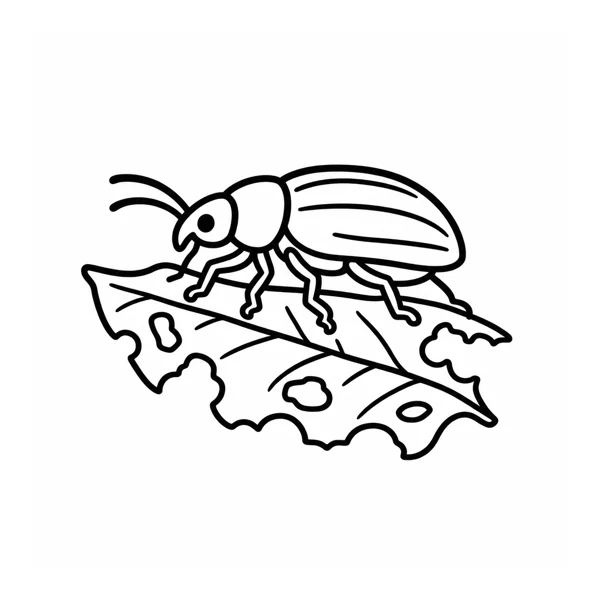
- Japanese beetles: In the eastern US they can strip hardy kiwi leaves in midsummer. Shake them into soapy water in the morning.
- Scale insects: Crusty bumps on stems and fruit. Prune out heavily infested wood in winter.
- Botrytis gray mold: A soft gray rot on stored fuzzy kiwis, starting at the stem end. Pick on a dry day and store only sound fruit.
- Late frost: Not a pest, but the most common reason a kiwi doesn't fruit. Choose the site carefully and cover the vine on cold spring nights.
Good neighbors

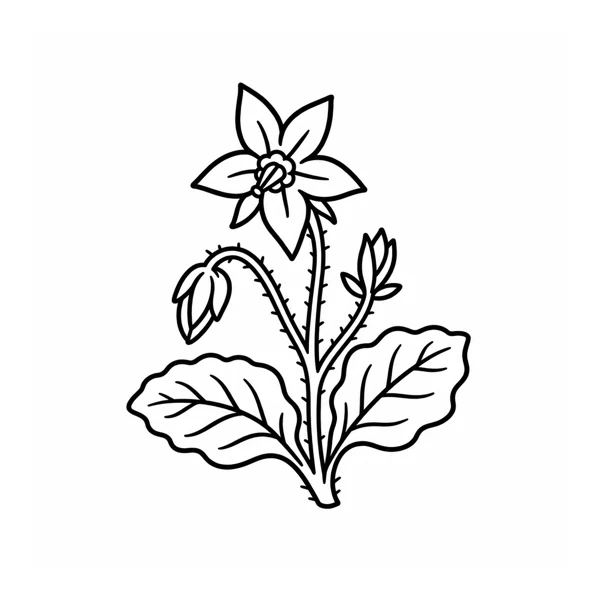


Good: Low flowers and herbs around the edge of the root zone that bring in bees, like chives, borage, calendula and nasturtiums. Kiwi flowers have no nectar, so a flowery patch nearby helps keep bees around at bloom time.
Avoid: Deep digging or thirsty vegetable beds near the trunk. Kiwi roots spread wide and shallow and don't like being disturbed. Give the vine its own space rather than sharing a trellis with grapes or other strong climbers.
Seeds that grow well in your area in November
Affiliate links — shopping through these helps keep Evening Vines free. Smooth Blue Aster
 Polka Dot Mix
 Black-Eyed SusanSeeds
 ColumbineSeeds
Varieties worth growing
Hardy kiwi (zones 4 to 8; best for Canada, the northern US, the UK and Ireland):
- Ananasnaya (Anna): The most popular hardy kiwi, with sweet, aromatic green fruit in early fall. Needs a male.
- Issai: Self-fertile and more compact, with smaller fruit. The easiest choice for a small garden or a big pot, and it crops more with a male nearby.
- Ken's Red: Red-skinned fruit with red-tinged flesh. Needs a male.
- Geneva 3: Ripens early, a plus in short-season areas. Needs a male.
- Males: Meader is a widely sold hardy kiwi male. Plant a male from the same seller as your female so bloom times match.
Super-hardy kiwi (zone 3):
- Arctic Beauty (Actinidia kolomikta): Known for males with pink and white splashed leaves. Females give small, very sweet fruit. Good for the coldest parts of Canada.
Fuzzy kiwi (zones 8 to 9; mild parts of the UK and Ireland, cooler parts of Australia):
- Hayward: The classic grocery kiwi, with large fruit that keeps for months in the fridge. Needs a long season and a male such as Tomuri.
- Jenny: Self-fertile, with smaller fruit. The best fuzzy kiwi if you have room for one vine; a common pick for UK walls.
- Vincent: A lower-chill female grown in southern California and other warm areas where Hayward doesn't flower well. Pair with a male that blooms at the same time.
Picking notes
Hardy kiwi: The fruit ripens from late summer into fall. Pick when the first few soften on the vine and the seeds inside are black. Firm but sweet fruit can be picked and ripened on the counter in a few days, then kept in the fridge for a few weeks. Fruit left on the vine turns very sweet but soft and spoils quickly.
Fuzzy kiwi: It doesn't ripen on the vine. Pick it firm in late fall, once the seeds are black and before a hard frost. Store it in the fridge, where it keeps for months, and bring a few out to soften at room temperature. Putting them in a bag with an apple speeds this up.
Saving seed for next year
Not practical. Seedlings take years to bloom, about half turn out male, and the females won't match the parent. Buy named vines, or root softwood cuttings in early summer to copy a vine you love.
From garden to table
Kiwis are packed with vitamin C. USDA figures for raw green kiwi are about 93 mg of vitamin C, 3 grams of fiber and 310 mg of potassium per 100 grams, more vitamin C than the same weight of orange. Eat them fresh, scoop them with a spoon, or add to fruit salads and smoothies. Kiwis contain an enzyme, actinidin, that breaks down protein, so they tenderize meat but stop gelatin from setting. Some people are allergic to kiwi and get an itchy mouth or worse, so try a little first.
Questions from the potting bench
Why isn't my kiwi fruiting? Most often it's a missing or mismatched male, a vine still too young (give it 3 to 5 years), or flower buds killed by a spring frost. Check that you have a female and a male of the same kind that bloom together.
Do I need two kiwi plants? Usually, yes: one female and one male. Self-fertile varieties like Issai and Jenny will fruit alone.
Can I grow kiwi in a cold climate? Yes. Grow hardy kiwi (Actinidia arguta) in zones 4 to 8, or super-hardy Actinidia kolomikta in zone 3. Fuzzy kiwi needs a mild winter.
How do I know if my kiwi plant is male or female? Only by the flowers. Female flowers have a plump, round center (the future fruit) topped with white stigmas spread like a star, ringed by a few stamens; male flowers are a mass of yellow pollen-tipped stamens with only a tiny center or none. Buy named vines so you don't have to guess.
Grower reports
How did Kiwi do in your garden? Members rate it and say which zone and month they planted, so everyone can see what works near them.
Recent community discussions
No one has talked about Kiwi yet. Be the first.
Essentials for Growing Kiwi
 Grow Bags
Breathable fabric pots: grow almost anything on a patio, balcony or driveway, and roots never circle.
See it →
 Organic Fertilizer
Slow-release organic plant food for vegetable beds and containers.
See it →
 Pruning Shears
Sharp bypass pruners for harvesting, deadheading and tidying.
See it →
 Insect Netting
Fine mesh that keeps cabbage worms, flea beetles and birds off your crops, no sprays needed.
See it →
 Soaker Hose
Waters the roots slowly, not the leaves: less disease, less water, less work.
See it →
 Garden Hand Tools
Trowel, transplanter and cultivator: the three tools you reach for most.
See it →
