
Lemongrass
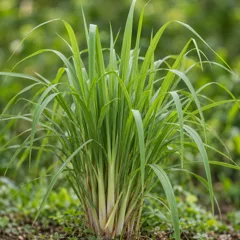
Snap a lemongrass leaf and the air fills with a clean, lemony smell. That scent comes from citral, the same oil found in lemon peel. Cooks use the pale, swollen base of each stalk in curries, soups, stir-fries and teas, and the tough green leaves make a good tea of their own.
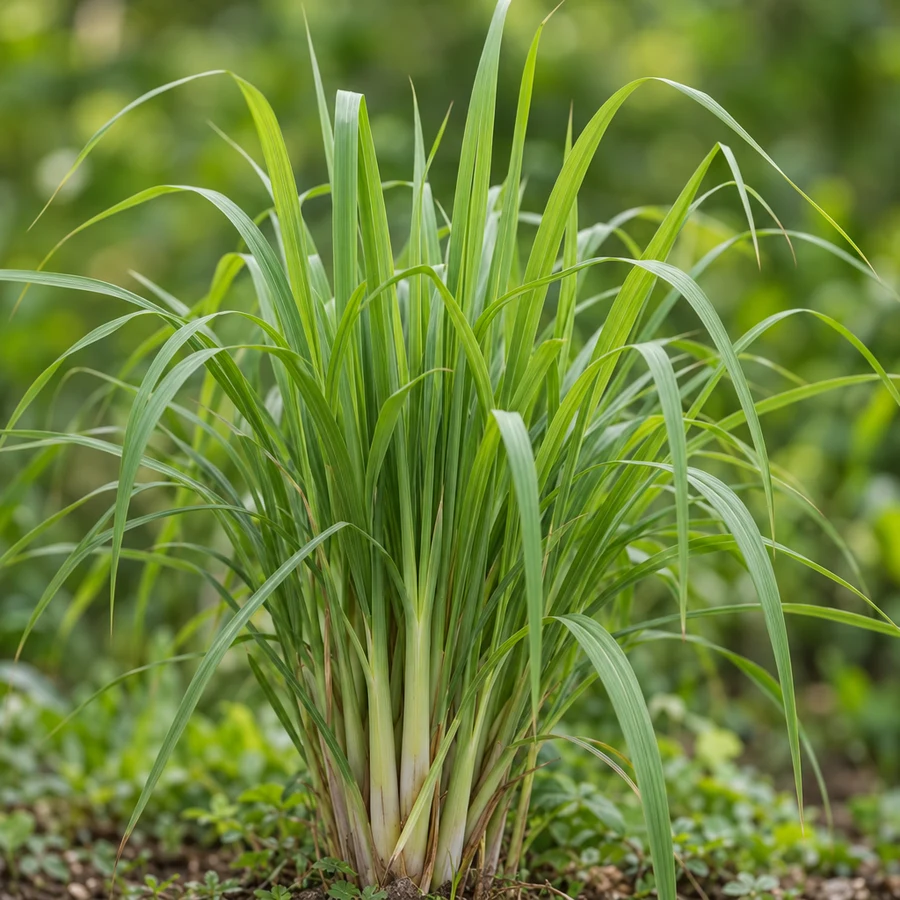
Lemongrass is a tropical grass. It forms a fountain-shaped clump of long, narrow leaves, usually 2 to 4 feet tall and 2 to 3 feet across in a garden, and taller where it never frosts. It loves heat, sun and steady moisture, and it hates cold. In zones 9 to 11 it lives outdoors for years. Elsewhere it grows happily through the summer in a bed or a big pot, then either comes indoors for winter or gets treated as an annual.
Recent community discussions
No one has talked about Lemongrass yet. Be the first.
At a glance
| Plant type | Tender perennial herb (a clumping grass) |
| Botanical name | Cymbopogon citratus |
| Annual or perennial | Perennial in frost-free and near frost-free zones (about 8b to 11); grown as a summer annual or a potted plant everywhere else |
| Sun | Full sun, 6 hours or more |
| Water | Regular; keep soil moist but never waterlogged |
| Spacing | 2 to 3 feet (clumps grow 2 to 3 feet wide) |
| Planting depth | Set divisions and potted plants at the same depth they were growing; seed barely covered, about 1/8 inch |
| Days to germinate | 14 to 21 at 68 to 77°F (seed is slow and patchy; most people start from a plant or division) |
| Days to maturity | About 3 to 4 months from a young plant or division to the first thick stalks |
| Best USDA zones | 9 to 11 outdoors year-round (8b with a mulched, sheltered spot); any zone as a summer crop or in a pot brought indoors |
| Soil pH | Wide range; about 5.0 to 8.0 is fine |
Is it lemongrass weather where you are? See everything to plant this month or read your zone notes.
Pests to watch for




A little history
West Indian lemongrass, the kind grown for cooking, is native to southern India and Sri Lanka. A close cousin, East Indian lemongrass (Cymbopogon flexuosus), comes from India too and is grown mostly for its oil. Both are now farmed across the tropics, from Southeast Asia to Africa, the Caribbean and Central and South America. Lemongrass oil has long gone into soaps, perfumes, drinks and sweets, and the plant is a mainstay of Thai, Vietnamese, Indonesian and Malaysian cooking.
When to sow in your zone
Most gardeners start with a young plant or a division, not seed. Lemongrass rarely sets seed, and the seed sold in packets is often the East Indian type.
Spring (all zones): Set plants outside 2 to 4 weeks after your last frost, once nights stay above about 50°F. Lemongrass needs warmth to grow, and cold nights stall it.
Starting from seed: Sow indoors 6 to 8 weeks before your last frost, somewhere warm (68 to 77°F). Expect the first shoots in 2 to 3 weeks.
Frost-free zones (10 to 11): Plant any time in spring or early summer, ahead of the warm, wet season, so the clump settles in fast.
Fall (zones 3 to 8): Before the first frost, dig up a clump, pot it, and bring it indoors. Or cut all the stalks and freeze them. In zone 8b, a well-mulched clump often comes back from the roots after a mild winter. In zone 9, mulch the base before winter; a light frost browns the leaves, but the roots usually come through.
Your own dates: Pick your zone on the zones page to see when lemongrass goes out where you live.
Growing it, step by step
Getting a start
A small potted plant from a nursery or herb grower is the easiest start. If a friend has an established clump, pull off a few outer stalks with roots attached in spring. Seed works, but it's slow, and the plants take longer to reach a harvestable size.
Picking the spot
Give lemongrass the sunniest, warmest place you have. It takes most soils as long as water drains away. In cool areas, a spot against a south-facing wall or a patio that holds the heat makes a real difference.
Planting
Loosen the soil and work in some compost. Set plants at the same depth they were growing and space them 2 to 3 feet apart, since each clump spreads wide by the end of summer. Water well after planting.
Growing in a pot
Use a pot of at least 5 gallons, and 10 or more for a big clump, with good drainage holes and a rich potting mix. A pot makes it easy to roll the plant into shelter when the nights turn cold. Potted lemongrass dries out quickly in summer, so check it often.
Water
Keep the soil evenly moist through the growing season. Lemongrass is a thirsty grass in hot weather, but soggy, airless soil rots the base. Water at the root, in the morning.
Feeding
Lemongrass is a grass and likes nitrogen. Work compost in at planting, then give a balanced or high-nitrogen liquid feed every few weeks in summer. Potted plants need feeding more often, as watering washes nutrients out.
Keeping it happy
Pull off dead and brown leaves now and then to keep the clump tidy and let air in. Wear gloves and long sleeves when you work in the clump, because the leaf edges are sharp enough to cut skin.
In zones 9 to 11, cut an old, tired clump back hard in late winter or early spring, and divide it every few years when the middle starts to die out.
For winter indoors, cut the leaves back to about a foot, keep the pot in a bright spot above 45°F, and water only lightly. It will sit mostly still until spring. If you don't have room, cut the stalks and freeze them, then buy or divide a fresh plant next year.
Trouble in the bed
Lemongrass is a tough plant, and most years nothing bothers it much.
- Rust: Small orange-brown spots and streaks on the leaves, worse in damp, crowded clumps. Cut off badly spotted leaves, space plants well, and water at the base.
- Whiteflies: A problem mainly on plants kept in a greenhouse or indoors over winter. Check the undersides of leaves and use yellow sticky traps or insecticidal soap.
- Spider mites: Fine webbing and pale speckling on indoor plants in dry winter air. Rinse the leaves and keep the plant out of hot, dry drafts.
- Root rot: The base turns soft and brown in cold, wet soil. Plant in free-draining soil and go easy on water in winter.
Pets: The ASPCA lists lemongrass as toxic to dogs, cats and horses. A nibble usually means an upset stomach, but keep pets from chewing on the clump.
Good neighbors

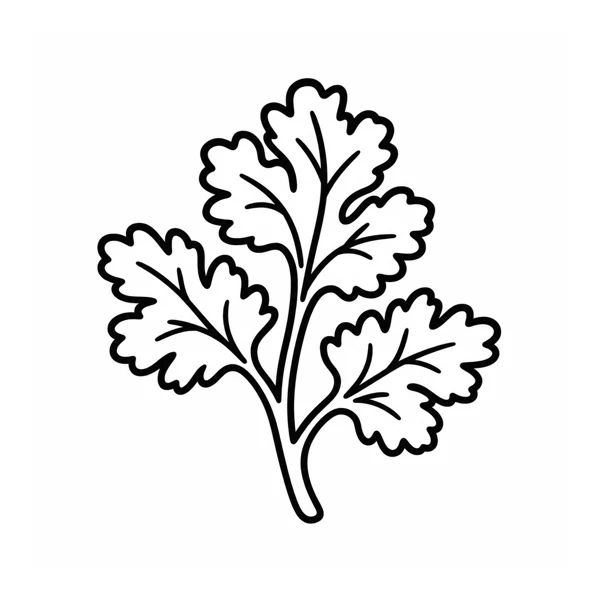
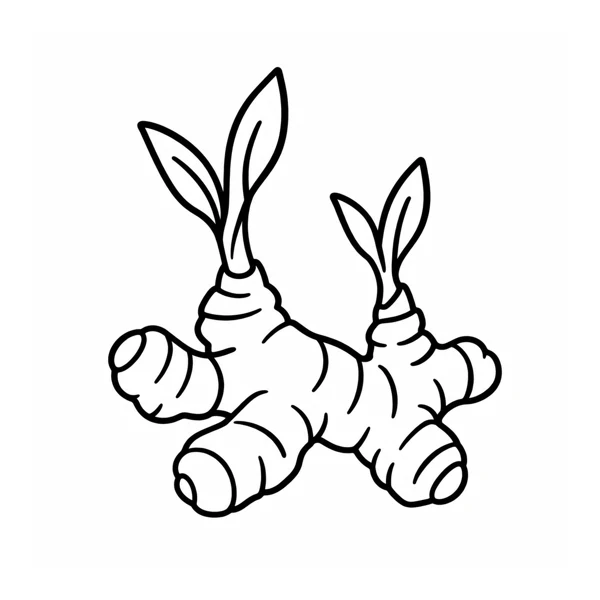
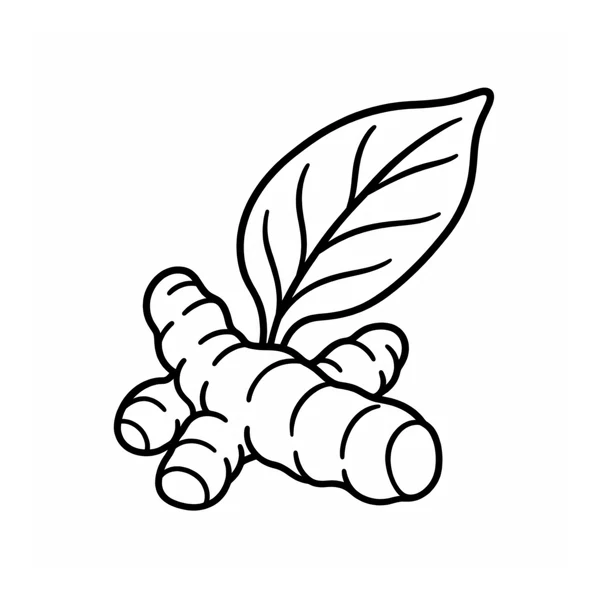


Grows happily beside: Other heat-loving kitchen plants that like rich, moist soil, such as basil, cilantro, ginger, turmeric, peppers and tomatoes. Together they make a handy patch for Southeast Asian cooking. Marigolds brighten the edges.
Give these a bed of their own: Rosemary and thyme want lean soil that dries out between waterings, while lemongrass wants steady moisture and feeding. Keep mint in its own pot so it doesn't run through the lemongrass roots.
Seeds that grow well in your area in November
Affiliate links — shopping through these helps keep Evening Vines free. PhloxSeeds
 Royal Mix
 Johnny Jump Up
 Organic Cat Grass
Varieties worth growing
Lemongrass isn't sold in many named varieties. What you'll find is mostly the two species, and nurseries label them in different ways.
- West Indian lemongrass (Cymbopogon citratus): The cooking lemongrass, with thick, fleshy, pale bases. Usually sold as plants, since it rarely sets seed. It's the one to grow for the kitchen in every country. Seeds
- East Indian lemongrass (Cymbopogon flexuosus): Taller and slimmer, with thinner stalks and a strong scent. Often sold as seed, so it's the easy pick if you want to start from a packet. Good for tea and oil, but the stalks are less fleshy for cooking.
Not the same plant: Citronella grass (Cymbopogon nardus and C. winterianus) is a close relative grown for insect-repellent oil, not for eating. Check the label, as the plants look alike.
For short or cool summers (Canada, UK, Ireland): Grow West Indian lemongrass in a pot, starting with the biggest plant you can buy in spring, and keep it on the warmest, sunniest patio or in a greenhouse. Bring it indoors before nights drop to about 45°F.
For hot or subtropical areas (southern US, northern and eastern Australia): Either type grows outdoors year-round and forms big clumps fast.
Lemongrass seeds to buy
Affiliate links — shopping through these helps keep Evening Vines free.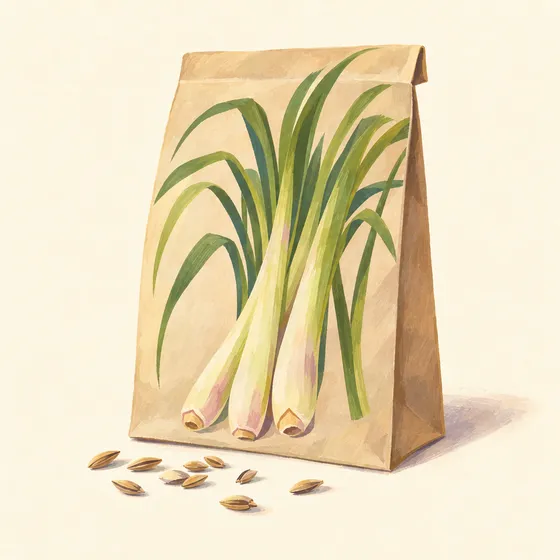 LemongrassSeeds
Picking notes
Start cutting once the clump is about a foot tall and the stalks are at least half an inch thick at the base, usually 3 to 4 months after planting. Pick from the outside of the clump. Cut or twist off a stalk as low as you can, right at the soil, so you get the pale, swollen base. Peel off the tough outer layers and use the bottom 4 inches or so for cooking. The green upper leaves are too fibrous to eat, but they're good in tea or simmered in stock and then taken out.
In cold zones, harvest steadily through late summer and fall, then cut the whole clump before the first frost. Whole stalks keep a couple of weeks in the fridge and freeze well for months.
Saving seed for next year
Not practical for cooking lemongrass. West Indian lemongrass rarely flowers or sets seed, especially outside the tropics. Keep a plant going by dividing the clump in spring instead.
From garden to table
Lemongrass is used in small amounts for flavor, not as a source of nutrients. Bruise or finely chop the base for curry pastes, soups like tom yum, marinades, and stir-fries. Simmer the leaves and stalks for a calming, lemony tea, hot or iced. The oil goes into soaps, candles and perfumes.
Questions from the potting bench
Can I grow lemongrass from a stalk bought at the store? Many people root store stalks in a glass of water. It can work if the base is fresh and still has its root plate, but it's hit and miss. A nursery plant is quicker and comes clean of pests and diseases.
Will lemongrass survive the winter outside? Only in zones 9 to 11, and in zone 8b with luck and a thick mulch. Light frost browns the leaves, and a hard freeze kills it. Everywhere else, bring a pot indoors or freeze your harvest.
Why is my lemongrass not growing? It's probably too cold. Lemongrass barely grows below about 55°F. Wait for warm nights, give it full sun, and feed it.
Does lemongrass keep mosquitoes away? Not just by growing in the garden. Repellents are made from oils extracted from lemongrass and its cousin citronella grass, and even those have to be applied to work. A clump in the border won't do much on its own.
Grower reports
How did Lemongrass do in your garden? Members rate it and say which zone and month they planted, so everyone can see what works near them.
Recent community discussions
No one has talked about Lemongrass yet. Be the first.
Seeds to try
Affiliate links — shopping through these helps keep Evening Vines free.Essentials for Growing Lemongrass
 Grow Bags
Breathable fabric pots: grow almost anything on a patio, balcony or driveway, and roots never circle.
See it →
 Seed Starting Tray
Reusable tray with a clear dome to give seeds a warm, humid start indoors.
See it →
 LED Grow Light
Full-spectrum light for sturdy seedlings through short winter days.
See it →
 Pruning Shears
Sharp bypass pruners for harvesting, deadheading and tidying.
See it →
 Watering Can
Long-spout can for gentle watering of seedlings and pots.
See it →
 Organic Fertilizer
Slow-release organic plant food for vegetable beds and containers.
See it →
