
Raspberry
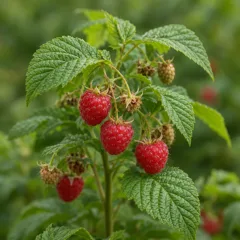
Raspberries are one of the most generous fruits you can grow in a small space. A short row gives bowls of soft, sweet berries that cost a fortune in the store and fall apart in a day. They're very cold-hardy, so they thrive across Canada, the northern US, the UK and Ireland, and the cooler parts of Australia. They are self-fertile, so one variety is enough, and bees do the pollinating. The roots live for years, but each cane lives only two seasons, which is the key to pruning them. A well-kept patch crops for about ten years.
Recent community discussions
No one has talked about Raspberry yet. Be the first.
At a glance
| Plant type | Fruit (cane fruit, bramble) |
| Botanical name | Rubus idaeus (red and yellow raspberry; the North American red is often listed as Rubus strigosus); black raspberry: Rubus occidentalis |
| Annual or perennial | Perennial roots and crown; each cane lives two years |
| Sun | Full sun, at least 6 to 8 hours; light afternoon shade helps in hot, dry areas |
| Water | About 1 to 1.5 inches per week, most important while berries swell |
| Spacing | Red and yellow: 2 to 2.5 feet apart in rows 6 to 10 feet apart. Black and purple: 3 to 4 feet apart |
| Planting depth | Red and yellow bare-root: 1 to 2 inches deeper than they grew at the nursery. Black and purple: same depth. Potted plants: level with the soil |
| Days to germinate | Not grown from seed; plant certified disease-free canes or potted plants |
| Days to maturity | Fall-bearing: first berries in late summer of the first year. Summer-bearing: the summer after planting. Full crops from about the third year |
| Best USDA zones | 3 to 8 (4 to 8 for most black raspberries; fall-bearing types into zone 9 in dry or high areas) |
| Soil pH | 5.6 to 6.7 |
From planting to harvest
Is it raspberry weather where you are? See everything to plant this month or read your zone notes.
Pests to watch for


A little history
Wild raspberries grow across Europe, northern Asia and North America, and people gathered them long before anyone planted them. The species name idaeus comes from Mount Ida, near ancient Troy in what is now Turkey, where Greek writers placed the fruit. The Roman writer Palladius described growing raspberries in the 4th century, and raspberry seeds have turned up at Roman forts in Britain, so the Romans likely spread the plant around their empire. Gardeners in Britain improved the fruit through the Middle Ages and later, and British varieties reached North American gardens in colonial times. Modern breeding programs in Scotland, Canada, Oregon and New York gave us most of the varieties sold today.
When to sow in your zone
Raspberries go in as canes or potted plants, not seed. They are planted while dormant, so the roots settle before the leaves need feeding.
Early spring (zones 3 to 8): Plant bare-root canes as soon as the soil can be worked and isn't soggy, a few weeks before your last frost. This is the main planting time in cold zones and on the Canadian prairies. Potted plants and tissue-culture plants, which haven't been hardened to frost, go in after your last frost date.
Late fall through winter (zones 7 to 9): Where the ground doesn't freeze hard, dormant bare-root canes can go in any time from late fall to late winter. In the UK and Ireland, the RHS gives November to March, with late autumn a good choice.
Hot and mild areas: Raspberries struggle where summers are long and hot and winters are mild, such as the Gulf Coast, Florida and subtropical Australia. Summer-bearing types need a real winter chill to fruit well. Fall-bearing types fruit on new canes without that chill, so they're the better bet in warm-temperate gardens, given afternoon shade and steady water. In Australia raspberries do best in cool and temperate areas such as Tasmania, Victoria and the southern tablelands.
November in the garden: In zones 7 to 9 this is good planting weather for dormant canes. In colder zones, leave planting until spring, and get the bed dug and weeded now so it's ready.
Growing it, step by step
Choosing plants
Buy certified virus-free plants from a nursery. Digging suckers from a friend's old patch is tempting, but it often brings viruses and root rot with it. Decide which type you want. Summer-bearing raspberries (called summer-fruiting in the UK, floricanes in nursery catalogs) crop once, in early to midsummer, on canes that grew the year before. Fall-bearing raspberries (autumn-fruiting, primocanes, sometimes sold as everbearing) crop from late summer until frost on canes that grew that same year. Grow both and you can pick for months.
Picking the spot
Choose full sun, shelter from strong wind, and soil that drains freely. Raspberries hate wet feet, and soggy winter soil brings root rot, so use a raised bed or a mound on heavy clay. Avoid ground where tomatoes, potatoes, peppers, eggplant or strawberries grew in the last few years, as they can leave verticillium wilt behind. Keep new plants well away from wild brambles, which can carry viruses and other diseases; a few hundred feet is ideal if you can manage it. Black raspberries are especially prone to viruses that red raspberries can carry without showing symptoms, so plant them well apart from reds where you can.
Preparing the soil
Clear every perennial weed and grass first, because they are very hard to remove once the canes fill in. Dig in a few inches of compost. Test the soil a season ahead if you can, since lime and sulfur take months to change the pH. Soils above pH 7 can leave plants short of iron and manganese, with yellow leaves.
Planting
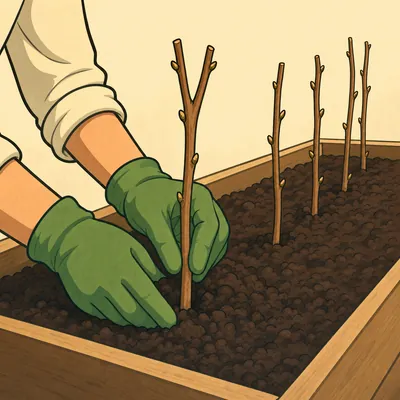
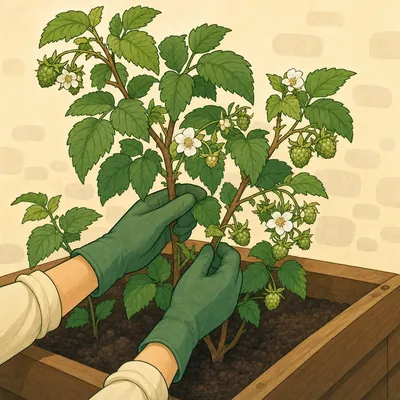
Soak bare-root plants for an hour. Spread the roots out in a shallow trench and cover them so the point where roots meet cane sits 1 to 2 inches below the surface for reds and yellows. Set blacks and purples at the depth they grew. Cut the canes back to about 6 inches after planting, and water well.
Support
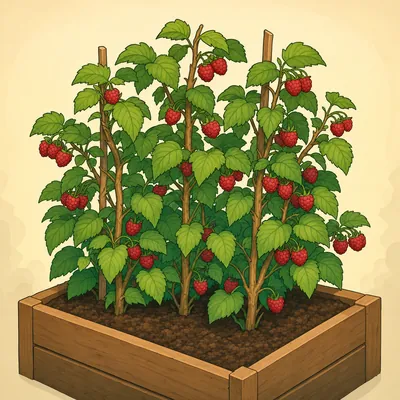
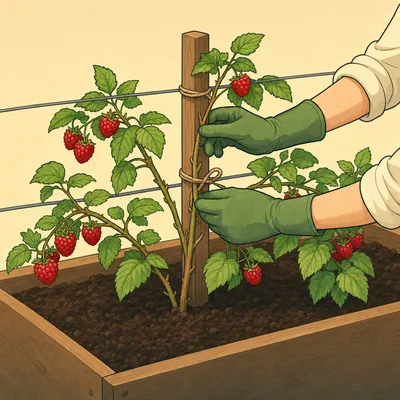
Summer-bearing raspberries grow to about 6 feet and need support. Run two wires between sturdy posts, at about 2.5 and 5 feet, and tie the canes in. Fall-bearing types are shorter, about 4 to 5 feet, and a single wire or a string on each side of the row usually keeps them tidy. Red and yellow raspberries spread by suckers, so keep the row about 12 to 18 inches wide by pulling or mowing stray shoots.
Growing in a pot
Compact fall-bearing varieties grow well in a pot at least 18 inches across, or a half barrel. Use a free-draining potting mix, water often in summer, and feed monthly during the growing season. In zones 3 to 5, move the pot into an unheated garage or bury it in the ground for winter.
Water
Keep the soil evenly moist from bloom through harvest, about an inch a week and more in hot weather. Drip lines or soaker hoses are ideal, as wet leaves and fruit invite gray mold.
Mulch
Spread 2 to 3 inches of wood chips, straw or shredded leaves along the row. It cools the roots, holds moisture and keeps weeds down. Raspberry roots are shallow, so hoe gently.
Feeding
Nitrogen is the main need. Feed in early spring as growth starts, and again lightly in late spring if growth is weak. Well-mulched plants in good soil often need very little. Skip fresh manure once plants are in, for food safety, and stop feeding by midsummer so canes can harden off before winter.
Keeping it happy
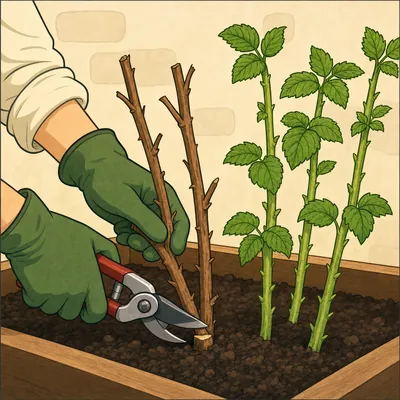
Pruning summer-bearing raspberries: Right after harvest, cut the canes that just fruited down to the ground. They are finished and will die anyway. Keep the strongest new canes, about 4 to 6 inches apart, and tie them to the wires. In late winter, trim any canes that are too tall to just above the top wire. In very cold areas, wait until late winter for most pruning so you can see and remove winter damage.
Pruning fall-bearing raspberries: The simplest method is to cut every cane to the ground in late winter. New canes come up in spring and fruit from late summer. You can instead leave the canes over winter and cut off only the top part that fruited, for a small early-summer crop on the lower cane, but most gardeners find the single fall crop bigger and easier.
Pruning black and purple raspberries: Pinch the tips of new canes in early summer, at about 2 to 2.5 feet for blacks and a little taller for purples, so they branch. In late winter, shorten those side branches to about a foot. Remove canes that fruited after harvest.
Winter: Red raspberries are hardy well below zero. Summer-bearers in exposed, windy spots can suffer cane damage, so a sheltered site helps. Fall-bearers cut to the ground in late winter need no protection at all, which is why they're popular in the coldest zones.
Renewing the patch: When yields fade after about eight to ten years, start a new row with fresh certified plants in a different spot.
Trouble in the bed
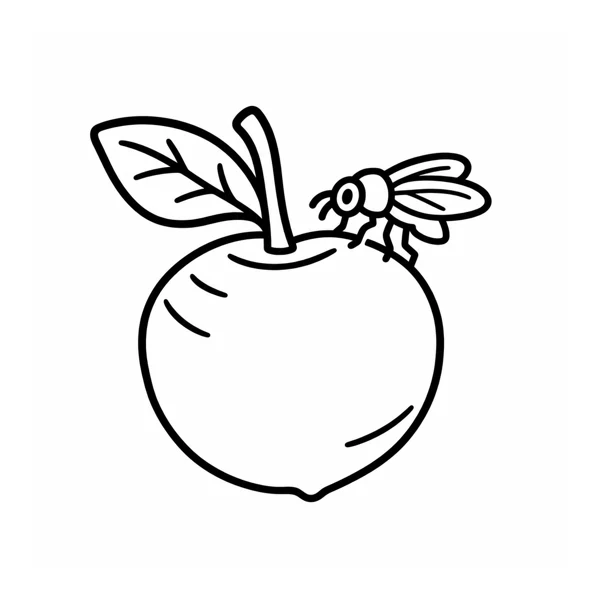
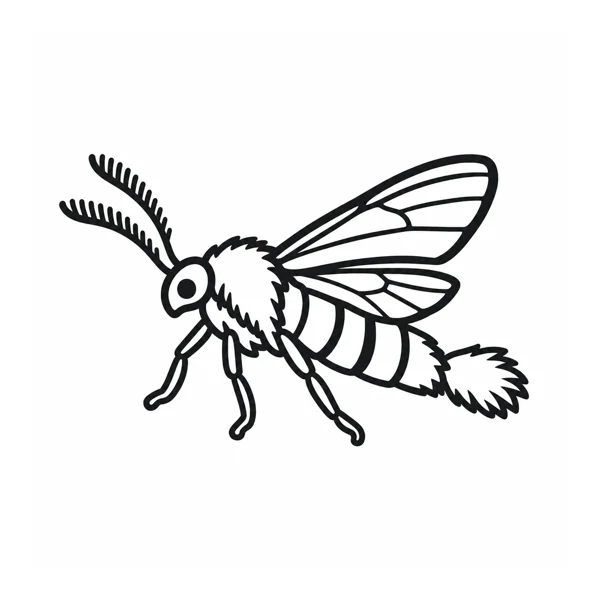
- Spotted wing drosophila: A small fruit fly that lays eggs in ripening berries, leaving soft, leaky fruit with tiny larvae. Late summer and fall crops are hit hardest. Pick every day or two, pick everything ripe, chill berries quickly, and clear fallen fruit. Fine insect netting keeps the flies off.
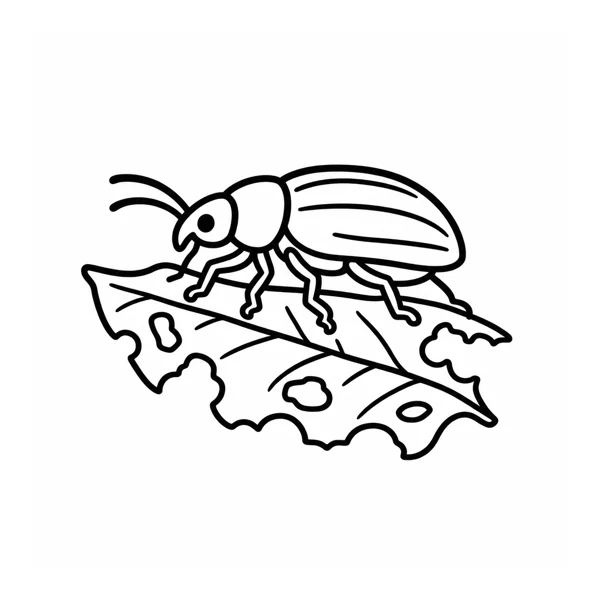
- Japanese beetles: Skeletonize leaves and feed on ripe berries in midsummer in the eastern US. Hand-pick into soapy water in the morning.
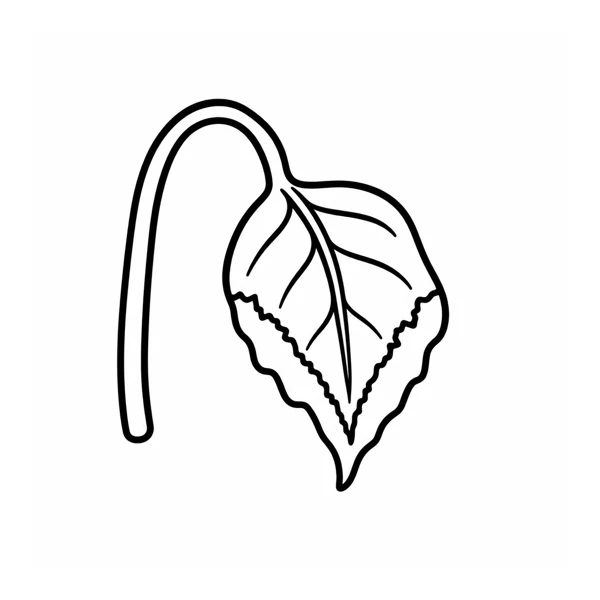
- Raspberry cane borers: The tips of new canes suddenly wilt in late spring. Cut the cane off several inches below the wilted part and throw it away.
- Raspberry beetle (UK and Ireland): Grubs feed inside the berries. Summer-fruiting types suffer most; autumn-fruiting varieties largely escape.
- Aphids: Spread raspberry viruses as they feed. Buy virus-free stock and dig out stunted, mottled plants.
- Spider mites: Speckled, bronzed leaves in hot, dry weather. Keep plants watered and hose the leaf undersides.
- Root rot (phytophthora): New canes wilt and die in summer on wet, heavy soil. Good drainage and raised beds are the main defense.
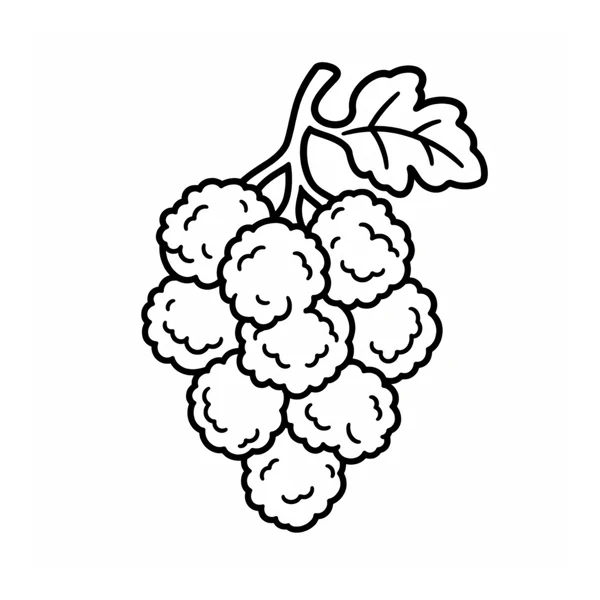
- Gray mold: Fuzzy gray rot on berries in wet weather. Thin canes for air, water at the base and pick promptly.
- Cane diseases and rust: Cane blight, spur blight and anthracnose cause purple or gray patches on canes and dieback; rust shows as orange or yellow spots. Remove old canes promptly after fruiting and keep rows narrow so they dry fast.
Good neighbors




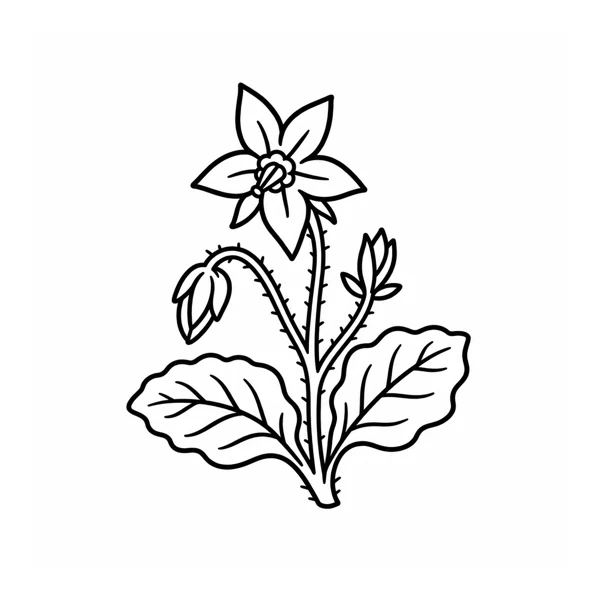
Good: Garlic and chives along the edge of the row, and flowers like marigolds, nasturtiums and borage nearby to bring in bees and other helpful insects. Keep companions to the outside of the row, since raspberry roots are shallow and dislike competition.
Avoid: Tomatoes, potatoes, peppers, eggplant and strawberries in the same bed or in recent years, because they share verticillium wilt. Keep blackberries and wild brambles at a distance too.
Seeds that grow well in your area in November
Affiliate links — shopping through these helps keep Evening Vines free. ColumbineSeeds
 Moonbeam
 Foxglove Mix
 Rocket Larkspur
Varieties worth growing
Very cold-hardy (zones 3 to 4, Canadian prairies, short seasons):
- Boyne: Summer-bearing. The standard hardy red across Canada, with dark, medium-size berries and very reliable winters.
- Killarney: Summer-bearing. A Manitoba-bred red, hardy and sweet, ripening just after Boyne.
- Red Mammoth: Summer-bearing. A prairie-hardy red with very large berries.
- Polana: Fall-bearing. Early to ripen, so it finishes its crop before frost in short seasons and high elevations.
Cool maritime summers (UK, Ireland, Pacific Northwest):
- Glen Ample: Summer-bearing. A Scottish variety with spine-free canes, big crops and good disease resistance.
- Octavia: Summer-bearing. A late variety that extends the summer season into August.
- Tulameen: Summer-bearing. Large, glossy, well-flavored berries over a long season.
- Polka: Fall-bearing. Nearly spine-free and disease-resistant, with sweet berries from late summer.
- Joan J: Fall-bearing. Spine-free canes and large, firm berries; does well in pots.
Warmer and mild-winter gardens (southern US, Australia):
- Heritage: Fall-bearing. Vigorous and dependable with firm, tasty berries; ripens late, so it suits areas with a long, mild autumn, including much of temperate Australia.
- Caroline: Fall-bearing. Very productive and widely adapted, with rich flavor.
- Autumn Bliss: Fall-bearing. Ripens earlier than Heritage, with large berries; widely sold in Australia and the UK.
- Dormanred: Summer-bearing. A hybrid with a heat-adapted Asian bramble parent, grown in the US South. It tolerates heat and mild winters where other reds fail, though the berries are softer and less classic in flavor, best for jam.
Yellow, black and purple:
- Anne and Fall Gold: Fall-bearing yellows with a mild, sweet, apricot-like taste.
- All Gold: A yellow sport of Autumn Bliss, popular in the UK.
- Jewel and Bristol: Black raspberries with rich, seedy, intensely flavored fruit (zones 5 to 8).
- Royalty: Purple, a red-black cross, very productive and great for jam (zones 4 to 8).
Picking notes
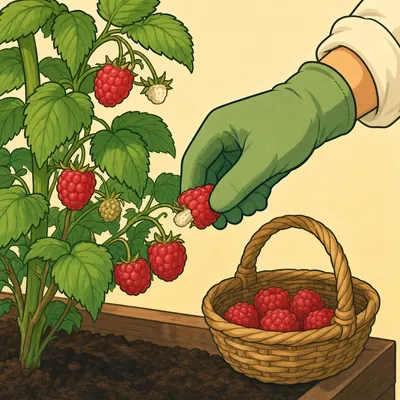
Summer-bearers ripen from late June to early August, depending on your zone. Fall-bearers start in late summer and keep going until hard frost. A ripe raspberry is fully colored and slips off the core with a gentle tug, leaving the white center behind on the plant. If you have to pull, wait another day. Pick every two to three days, more often in hot or wet weather. Pick into shallow containers so the berries on the bottom don't crush, don't wash them until you're ready to eat, and get them into the fridge quickly. They keep only two or three days.
Saving seed for next year
Not practical. Raspberry seed doesn't come true, needs a long cold spell to sprout, and takes years to fruit. To make more plants, dig up rooted suckers of red or yellow varieties in early spring, or tip-layer black raspberries by burying a cane tip in late summer, where it roots by fall. Only do this from healthy, virus-free plants.
From garden to table
Raspberries are one of the highest-fiber fruits. USDA figures for raw raspberries are about 52 calories, 6.5 grams of fiber, 26 mg of vitamin C and 0.7 mg of manganese per 100 grams. Eat them fresh, scatter them on breakfast, bake them into crumbles and tarts, or cook them into jam, which sets easily. Raspberries freeze very well: spread them on a tray to freeze, then bag them, and they stay loose for months.
Questions from the potting bench
Why didn't my summer-bearing raspberries fruit this year? Most likely the canes that should have fruited were cut down last winter. Summer-bearers fruit on last year's canes, so only remove canes after they've cropped.
Do I need two raspberry plants to get fruit? No. Raspberries are self-fertile, so one variety will crop on its own.
Can I grow raspberries in a hot climate? It's hard but possible. Choose fall-bearing types like Heritage or Caroline, or Dormanred in the US South, give them afternoon shade and steady water, and expect smaller crops than in cooler areas.
Why are my raspberries small and crumbly? Crumbly berries are often a sign of virus, poor pollination or dry soil during bloom. Water steadily, and if a whole plant is stunted with mottled leaves, replace it with certified stock.
How do I stop raspberries spreading everywhere? Pull or mow any suckers that come up outside a 12- to 18-inch-wide row. A buried barrier or a mown path on each side keeps them in place.
Grower reports
How did Raspberry do in your garden? Members rate it and say which zone and month they planted, so everyone can see what works near them.
Recent community discussions
No one has talked about Raspberry yet. Be the first.
Essentials for Growing Raspberry
 Grow Bags
Breathable fabric pots: grow almost anything on a patio, balcony or driveway, and roots never circle.
See it →
 Organic Fertilizer
Slow-release organic plant food for vegetable beds and containers.
See it →
 Pruning Shears
Sharp bypass pruners for harvesting, deadheading and tidying.
See it →
 Insect Netting
Fine mesh that keeps cabbage worms, flea beetles and birds off your crops, no sprays needed.
See it →
 Soaker Hose
Waters the roots slowly, not the leaves: less disease, less water, less work.
See it →
 Garden Hand Tools
Trowel, transplanter and cultivator: the three tools you reach for most.
See it →
