
Sorrel
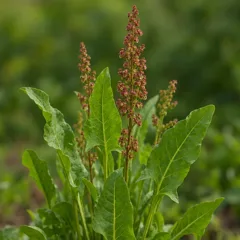
Sorrel is a leafy perennial with a bright, lemony tang. It is one of the first greens up in spring, and once a clump settles in it comes back year after year. Cook it down like spinach for soups and sauces, or tear a few young leaves into a salad for a sharp, sour lift.
Recent community discussions
No one has talked about Sorrel yet. Be the first.
At a glance
| Plant type | Leafy herb and vegetable |
| Botanical name | Rumex acetosa (garden sorrel); Rumex scutatus (French or buckler-leaf sorrel) |
| Annual or perennial | Perennial |
| Sun | Full sun to part shade |
| Water | Regular, even moisture while young; established clumps rarely need extra |
| Spacing | 12 inches |
| Planting depth | 1/4 inch |
| Days to germinate | 7 to 14 days |
| Days to maturity | Baby leaves in about 30 to 40 days; full-size leaves in about 60 days |
| Best USDA zones | 3 to 9 as a perennial; in zones 10 to 11 grow it as a cool-season crop |
| Soil pH | 5.5 to 6.8 |
Is it sorrel weather where you are? See everything to plant this month or read your zone notes.

Direct sow in spring 2–3 weeks before last frost, or in fall for overwintering in mild zones.

Germinates in 7–14 days; 40–60 days.

Zones 3–9, April?Sept; in mild zones harvest extends Oct?early spring; indoors year-round.

Fertile silty loam or clay loam, pH 5.5–6.8. Moist, nutrient-rich soils encourage leafy growth.
Pests to watch for


Diseases
Mateo is researching the diseases that affect this plant.
A little history
Garden sorrel grows wild across much of Europe and temperate Asia, and people have picked its sour leaves for a very long time. It is best known in French cooking, where sorrel soup and sorrel sauce for fish are old favorites.
When to sow in your zone
When to plant sorrel
Spring: Sow outdoors in early spring, about 2 to 3 weeks before your last frost date, while the soil is still cool. If you'd like a head start, sow indoors about 3 weeks before the last frost and plant the seedlings out once they have a few true leaves. Not sure of your dates? Look up your zone on the zones page and count back from your last frost. Fall: Sow in early fall in zones 6 to 9 so plants establish before winter. Zones 10 to 11: Treat sorrel as a cool-season crop and sow in fall, so it grows through the mild months before summer heat.
Growing it, step by step
From seed
Sow 1/4 inch deep and thin to 12 inches apart. Seeds sprout in 1 to 2 weeks in cool, moist soil.
Moving it outside
Plant seedlings out in cool weather. You can also start with a piece of an older clump: divide in spring or fall and replant the pieces at the same depth. Our post on dividing chives and clumping herbs shows the same easy method.
Water
Water seedlings and new plants through dry spells until they root in. After that, a clump in the ground rarely needs extra water except in a long drought. Leaves turn tougher and sharper with age and summer heat, so keep picking to get fresh ones.
Growing sorrel in containers
Sorrel grows well in a deep pot. Keep the compost evenly moist, move the pot into some shade during hot spells, and don't let it sit waterlogged over winter. See plant a herb container for setting one up.
Mulch
Spread about 2 inches of mulch around the clump between late fall and late winter to keep the roots cool and moist.
Feeding
Mix compost in at planting. On poor or sandy soil, add more compost or a balanced feed in spring.
Keeping it happy
Snip off flower stalks as soon as they appear. That keeps the plant making leaves and stops it seeding all over the bed. Divide clumps every 3 to 5 years to keep them lively; dividing perennials in fall walks through it. If a clump looks tired and tough by midsummer, you can pull off the old leaves (or cut it down to a few inches) and let fresh growth come back as the weather cools. Weed well while plants are young, since seedlings are slow to get going.
Trouble in the bed
- Slugs and snails: They go for seedlings and young leaves. Hand-pick in the evening or use traps.
- Aphids: They sometimes cluster on soft new growth. A spray of water usually does it; most of the time they need no treatment at all.
- Rust: Orange to brown pustules on the leaves, most often in damp, mild spring and fall weather. Pick off affected leaves and clear old foliage away.
- Leaf spots and powdery mildew: Brown spots or a white dusting on older leaves, worse in crowded clumps. Give plants room, water the soil rather than the leaves, and remove spotted leaves.
- Root and crown rot: Roots can rot in heavy, waterlogged soil. Plant in ground that drains well.
Good neighbors




Good: Chives and other long-lived herbs that like the same fertile, moist soil and a bit of shade. Sorrel stays put for years, so a herb corner or the end of a bed suits it. No trials show sorrel helping or harming particular neighbors, so think of these as practical pairings. Avoid: Beds you dig over every year, and neat rows of annuals. Sorrel self-seeds freely if its flowers are left on, and the seedlings soon become weeds there.
Seeds that grow well in your area in November
Affiliate links — shopping through these helps keep Evening Vines free. Wild Lupine
 Common Milkweed
 PansySeeds
 PhloxSeeds
Varieties worth growing
- Large de Belleville (often sold as Belleville): A broad-leaved form of garden sorrel (Rumex acetosa). Big, tender leaves, and slower to bolt than wild sorrel.
- Profusion: Sold as plants rather than seed. It is seed-sterile and rarely flowers, so it keeps making leaves all season, and new plants come only from dividing a clump.
- Red-veined sorrel (Rumex sanguineus), also sold as bloody dock: Green leaves with deep red veins. Mostly grown for looks; pick the leaves young, as older ones are tough. Seeds
- French or buckler-leaf sorrel (Rumex scutatus): Small, shield-shaped leaves with a milder, lemony taste. 'Silver Shield' is a silvery-leaved form.
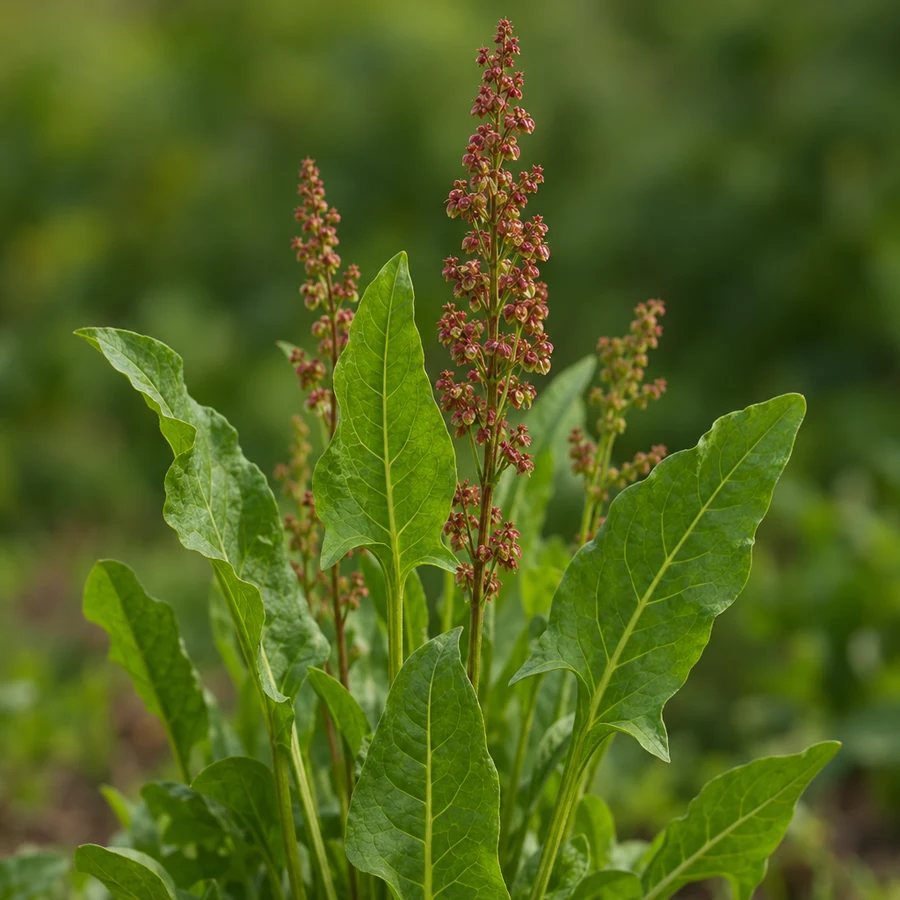
- Common garden sorrel (Rumex acetosa): The classic, sour, spear-shaped leaf.
Sorrel seeds to buy
Affiliate links — shopping through these helps keep Evening Vines free.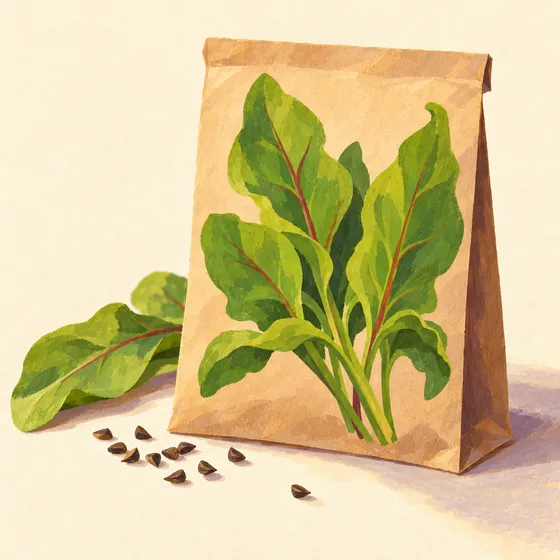 SorrelSeeds
Picking notes
Pick young leaves when they are 4 to 6 inches long. Take the outer leaves and leave the center to keep growing. Pick often from spring until frost, and the plant keeps sending up tender new leaves.
Saving seed for next year
Garden sorrel plants are either male or female, so you need several of each for seed. The pollen travels on the wind, which means your plants will cross with any other garden sorrel (Rumex acetosa) flowering nearby, including wild sorrel in a field or hedge. For seed that stays true, let only one kind flower and cut down any other sorrel flowering close by. Let the seed heads turn brown and dry, rub the seed off, and store it cool and dry. Profusion won't give you seed, so divide it instead. More tips in saving seeds from your garden.
From garden to table
Raw sorrel leaves are a good source of vitamin C and also carry vitamin A. Use them in soups, sauces, omelets, and with fish.
Safety: Sorrel is high in oxalic acid, which is harmful in large amounts. Eat it in moderation. People with kidney stones, gout, or kidney problems should limit it or avoid it. Cooking softens the sour taste, but it only lowers the oxalate if you boil the leaves and pour the cooking water away; in a soup or sauce, most of it stays in the dish. Large amounts can also harm pets and livestock.
Questions from the potting bench
Why does it taste so sour? That is the oxalic acid. Young leaves are milder than old ones.
Does it come back every year? Yes, in zones 3 to 9. In zones 10 to 11 it is usually grown as a cool-season crop.
Can I eat it every day? A little is fine for most people, but moderation is best, especially if you have kidney problems.
How do I stop sorrel from bolting? Snip off flower stalks as soon as you see them, and keep picking. Or grow Profusion, which rarely flowers.
Is French sorrel the same as garden sorrel? No. French sorrel (Rumex scutatus) has smaller, shield-shaped leaves and a milder taste. Garden sorrel (Rumex acetosa) has larger, spear-shaped leaves and a sharper bite.
Grower reports
How did Sorrel do in your garden? Members rate it and say which zone and month they planted, so everyone can see what works near them.
Recent community discussions
No one has talked about Sorrel yet. Be the first.
Seeds to try
Affiliate links — shopping through these helps keep Evening Vines free.Essentials for Growing Sorrel
 Grow Bags
Breathable fabric pots: grow almost anything on a patio, balcony or driveway, and roots never circle.
See it →
 Frost Cloth
Throw it over young plants on cold spring and fall nights.
See it →
 Seed Starting Tray
Reusable tray with a clear dome to give seeds a warm, humid start indoors.
See it →
 Watering Can
Long-spout can for gentle watering of seedlings and pots.
See it →
 Plant Labels
Waterproof markers so you know what's coming up where.
See it →
 Organic Fertilizer
Slow-release organic plant food for vegetable beds and containers.
See it →
