
Taro
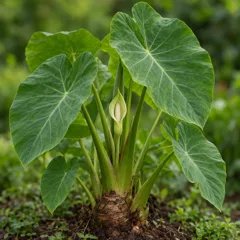
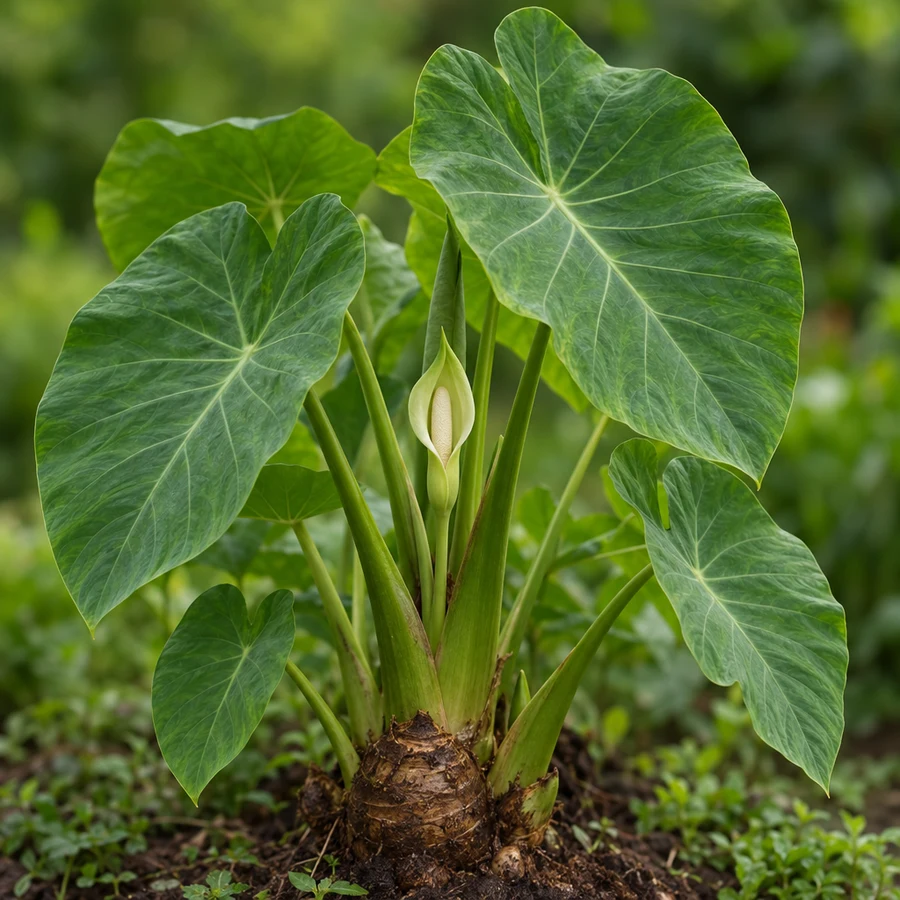
Taro is the big-leafed plant many gardeners know as elephant ears. Under the ground it makes starchy corms that are a staple food across the Pacific, Asia, Africa and the Caribbean. It loves heat, rich soil and plenty of water, and it's happy in damp, shady corners where most vegetables would sulk.
There is one rule you can't skip. Every part of taro has needle-shaped calcium oxalate crystals that burn the mouth and throat if eaten raw. Corms, leaves and stems are only safe once they are well cooked. Keep children and pets away from the plants, and wear gloves when you handle them, because the sap can make skin itch.
Taro is frost tender. Gardeners in zones 9 to 11 can grow it outside year-round. In cooler places it's grown as a summer crop and dug in fall, or kept in a large pot that comes indoors for winter. In the UK it's treated as a summer bedding or greenhouse plant.
Recent community discussions
No one has talked about Taro yet. Be the first.
At a glance
| Plant type | Vegetable (corm) |
| Botanical name | Colocasia esculenta |
| Annual or perennial | Tropical perennial, often grown as an annual |
| Sun | Part shade to full sun; filtered light is ideal in hot areas |
| Water | Keep the soil moist all the time; taro never wants to dry out |
| Spacing | 18 to 24 inches apart, rows 3 to 4 feet apart |
| Planting depth | 2 to 6 inches, growing point up; go deeper in cooler zones |
| Days to germinate | Grown from corms, not seed; shoots show in a few weeks in warm soil |
| Days to maturity | About 6 to 7 months in short seasons; 7 to 12 months in the tropics |
| Best USDA zones | 9 to 11 outdoors year-round; 8 with mulch; 6 to 7 as a summer crop or in a big pot |
| Soil pH | Slightly acid to neutral, about 5.5 to 7.0 |
Is it taro weather where you are? See everything to plant this month or read your zone notes.
Pests to watch for


Diseases

A little history
Taro is one of the oldest crops people grew. Starch left on stone tools at Kuk Swamp in the New Guinea highlands shows people were preparing taro around 10,000 years ago. Over thousands of years it spread through Asia, the Pacific Islands, Egypt and Africa. In Hawaii, where it's called kalo, it's both a staple food and a sacred plant, pounded into poi. The USDA brought taro to the southeastern United States in 1910 as a substitute crop for potatoes. It has since escaped into Florida's waterways, where it is now listed as an invasive weed.
When to sow in your zone
Taro grows from corms, not seeds, and it needs warm soil before it will grow.
Zones 9 to 11: Plant corms outdoors in spring once the soil is warm. In frost-free areas, late winter through early summer is the usual planting time, and in the wet tropics you can plant almost any time the weather is warm and wet.
Zones 6 to 8: Start corms in pots indoors 4 to 6 weeks before your last frost, somewhere warm, much as you'd start tomatoes. Set them out 2 to 6 weeks after your last frost, once nights stay above 50°F. Taro stalls in long cool spells, so there's no gain in rushing it outside. In zone 8 you can also plant dormant corms straight into the ground in spring; they'll come up as the soil warms.
Cool summers (UK, Ireland, coastal areas): Grow taro in a pot in a greenhouse, or put it outside for the warmest months only. It will make lovely leaves, but corms may stay small.
Growing it, step by step
Getting corms
Buy corms from a nursery or seed company that sells edible taro. Fresh taro from an Asian, Caribbean or Pacific Island grocer will often sprout too. Many elephant ears sold in garden centers are ornamental selections, so check that a plant is sold as edible before you grow it to eat.
Starting indoors
Set each corm in a 4- to 6-inch pot of moist potting mix, growing point up and just under the surface. Keep it warm, ideally 70°F or more. A heat mat helps. Once a few leaves have opened, harden the plants off for a week before planting out.
Picking the spot
Taro likes part shade or filtered sun, especially where summers are hot. In cooler zones, give it more sun to make up for the shorter season. Shelter it from strong wind, which tears the big leaves. Low, damp spots suit it well, and it can even grow in a few inches of standing water at a pond edge. In Florida and other warm, wet areas, keep it well away from streams, ditches and lakes: wild taro spreads along waterways, and Florida lists it as an invasive plant.
Soil
Rich, moist soil with lots of compost worked in. Taro is a heavy feeder and grows best in soil that holds water well.
Planting
Plant corms 2 to 6 inches deep and 18 to 24 inches apart. North Carolina growers found that wider spacing and bigger starting corms gave bigger harvests than close planting. Space plants about 6 inches apart if you only want leaves.
Growing in a pot
A pot of at least 10 gallons works well. Use a rich potting mix and keep a saucer under it so the roots never dry out. Potted taro is the easiest way to grow it in cold zones, since you can wheel it into a bright room before frost.
Keeping it happy
- Watering: Keep the soil evenly moist from planting to harvest. Dry spells cut the harvest.
- Feeding: Work in compost before planting, then feed every month or so through summer with a balanced fertilizer.
- Mulch: A thick mulch keeps the soil cool and damp and smothers weeds, which compete hard with young plants.
- Hilling: Some new cormels push up to the surface. Pull soil or mulch over them to protect them.
- Leaf picking: You can pick a few young leaves for cooking as the plant grows. Don't strip a plant: picking more than about 3 leaves from each plant can cut the corm harvest.
- Winter: In zone 8, a deep layer of mulch can carry corms through winter in the ground. Further north, dig corms after the first frost blackens the leaves, or bring pots indoors.
Trouble in the bed
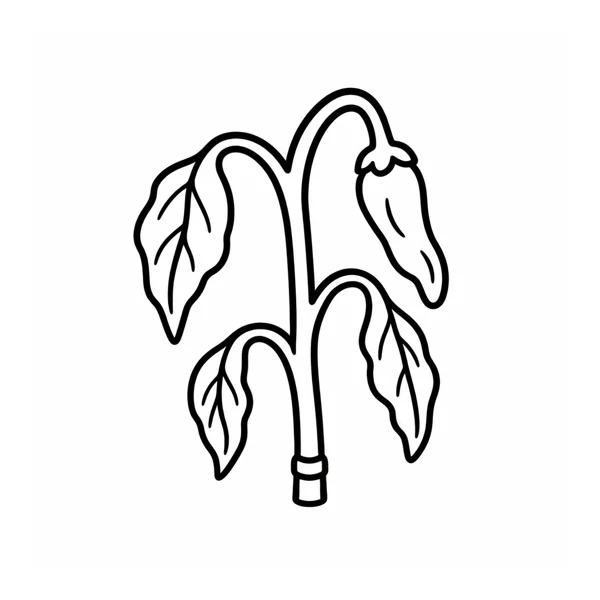
- Taro leaf blight: A Phytophthora disease that causes water-soaked spots on the leaves, then collapse. It's the most damaging taro disease worldwide, mainly in warm, wet climates. Pick off spotted leaves, space plants for air, and choose resistant varieties where blight is common.
- Root and corm rot: Pythium and other rots soften the corms, especially in warm, poorly drained or stagnant conditions. Plant only firm, clean corms and rotate where you grow taro.
- Aphids: They suck sap and can spread dasheen mosaic virus, which mottles and stunts the leaves. Hose them off and check the undersides of leaves.
- Spider mites and whiteflies: Mostly a problem on potted taro indoors or in a greenhouse. Mist the leaves and keep the air humid.
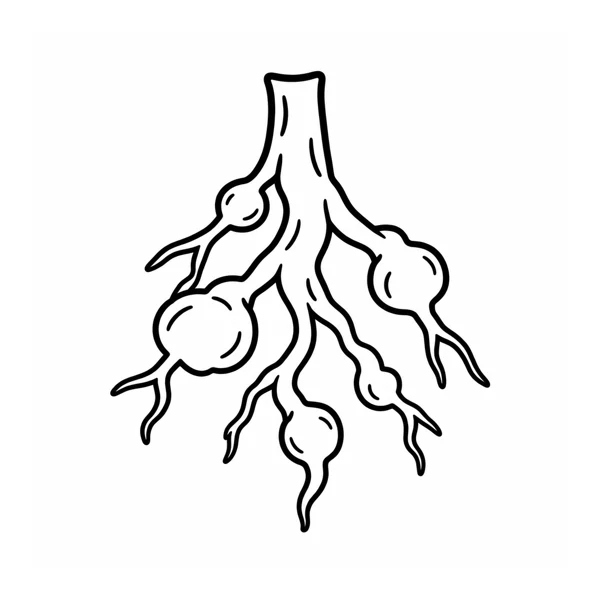
- Root-knot nematodes: They cause knotty roots and weak plants in warm, sandy soils. Rotate beds and add plenty of compost.
In cooler zones, gardeners often find taro trouble-free. The bitter crystals keep deer and rabbits off, though voles may nibble corms left in the ground over winter.
Good neighbors
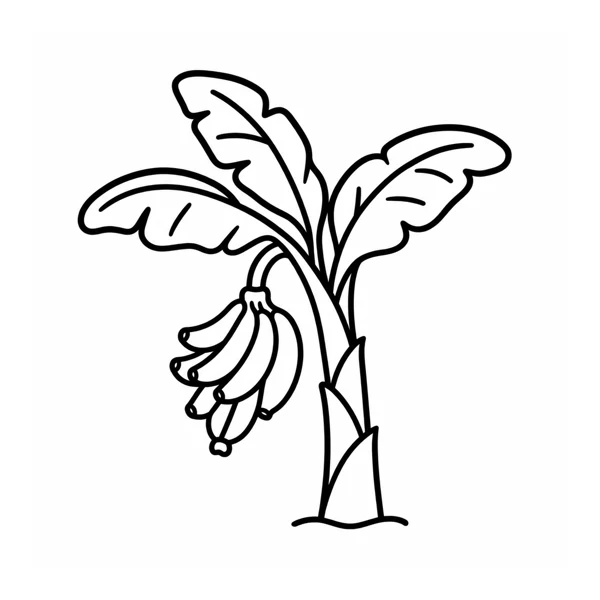
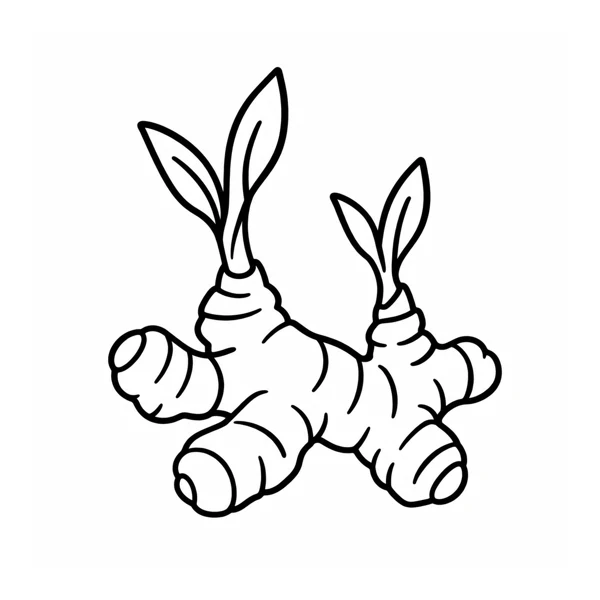
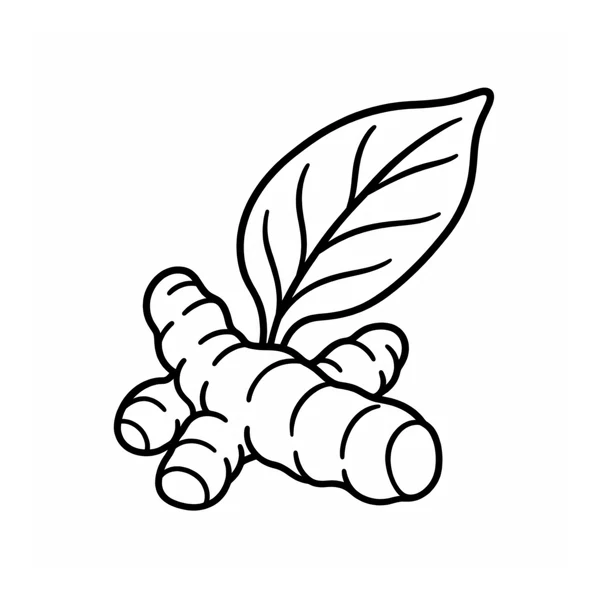
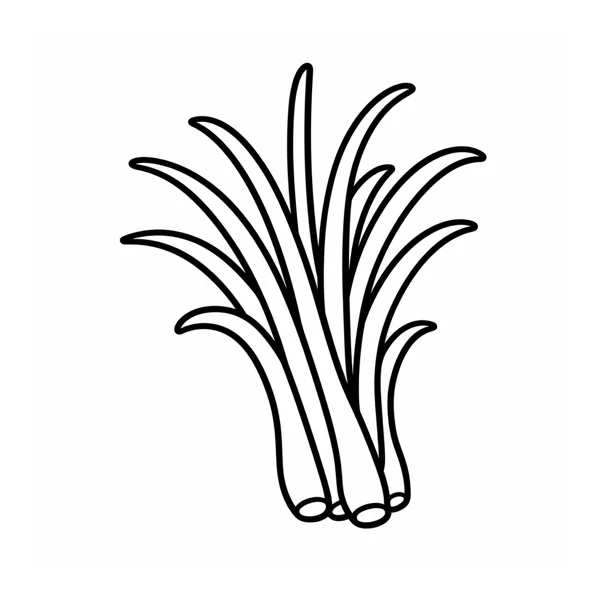
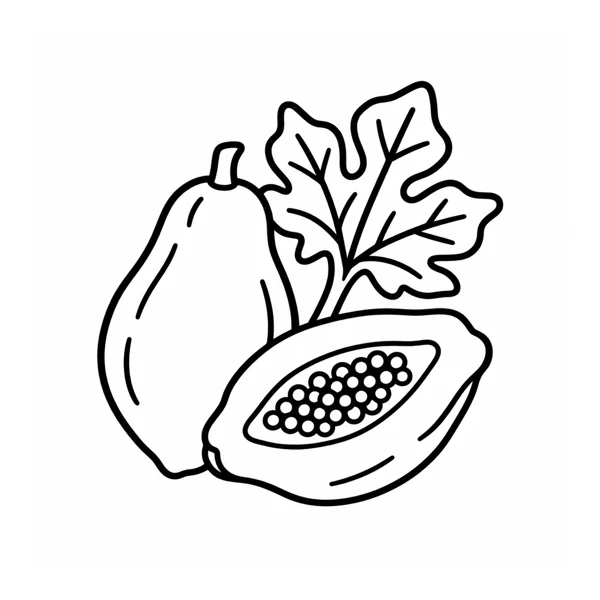
Good: Taro is a natural fit in a tropical-style bed with banana, ginger, turmeric and lemongrass, which all like warmth, rich soil and steady water. Banana and papaya give the light shade it enjoys in hot areas.
Avoid: Plants that want dry, lean soil, such as Mediterranean herbs. Taro's wet soil will rot them, and its big leaves will shade out short crops.
Seeds that grow well in your area in November
Affiliate links — shopping through these helps keep Evening Vines free. Wild Lupine
 Common Milkweed
 PansySeeds
 PhloxSeeds
Varieties worth growing
For cooler zones and short seasons (zones 6 to 8, Canada, UK, Ireland):
- Korean taro: In North Carolina on-farm research it proved hardier than Hawaiian taro, and growers who tried leaving it in the ground over winter said it came back. One patch survived a low of -1°F. A good choice where seasons are short and cool.
- Pink China: One of the hardiest elephant ears, with pink stems, said to survive in zone 6b. It's sold mostly as an ornamental, so grow it for looks unless the seller lists it as edible.
For warm and tropical zones (zones 9 to 11, Hawaii, Florida, Queensland):
- Bun Long: A Chinese taro with large, tender leaves that are low in acridity when cooked, a favorite for luau leaves. The corms have purple streaks in white flesh.
- Lehua Maoli: A classic Hawaiian poi taro with pinkish-purple flesh.
- Blight-resistant types: In Hawaii, varieties from Palau, such as Ngesuas, have resisted taro leaf blight. Look for local blight-resistant types if you garden in a wet tropical area.
Picking notes
Corms are ready when the leaves start to yellow and die back, usually 6 to 7 months after planting in short seasons and up to a year in the tropics. In frost zones, leave the plants as long as you can and dig soon after the first frost knocks back the leaves. Wear gloves. Dig about a foot out from the center of the plant with a fork, lift the clump, and shake or hose off the soil. Cut the stems off a few inches above the corm.
Let the corms cure somewhere airy for a week or two so any nicks heal. Then store them cool and slightly humid, around 45 to 50°F, in crates covered with a cloth. Check them now and then for rot.
Saving seed for next year
Taro rarely flowers or sets seed in home gardens. Keep it going from its own corms instead. Save firm, healthy corms and cormels over winter and replant them in spring. You can also slice the top inch off a big corm, where the growing point is, plant that, and cook the rest.
From garden to table
Cooked taro is a filling, starchy food with a nutty flavor. USDA figures for cooked taro are about 142 calories, 5 grams of fiber and 480 mg of potassium per 100 grams. Boil, steam, roast or mash the corms, or fry them into chips. Young leaves are cooked like spinach and wrapped around fillings, as in Hawaiian laulau. Always cook taro well. Boiling leaves and stems for a long time removes the bite.
Questions from the potting bench
Is taro poisonous? Raw taro is. Its calcium oxalate crystals irritate the mouth, throat and skin. Cooked well, the corms and leaves are safe to eat. Keep pets and children away from the plants.
Can I grow taro in a cold climate? Yes, as a summer crop. Start corms indoors 4 to 6 weeks before your last frost, plant out when nights are warm, and dig before hard frost. A big pot you bring indoors is the simplest route in zone 6 and colder.
Can I eat my ornamental elephant ears? Only if you know the variety is an edible one. Many ornamental selections are bred for looks and can be very acrid.
Why are my taro corms so small? Usually too short or too cool a season, dry soil, or plants spaced too close. Give them more warmth, steady water and 18 to 24 inches of room.
Grower reports
How did Taro do in your garden? Members rate it and say which zone and month they planted, so everyone can see what works near them.
Recent community discussions
No one has talked about Taro yet. Be the first.
Essentials for Growing Taro
 Grow Bags
Breathable fabric pots: grow almost anything on a patio, balcony or driveway, and roots never circle.
See it →
 Seed Starting Tray
Reusable tray with a clear dome to give seeds a warm, humid start indoors.
See it →
 Garden Hand Tools
Trowel, transplanter and cultivator: the three tools you reach for most.
See it →
 Organic Fertilizer
Slow-release organic plant food for vegetable beds and containers.
See it →
 Watering Can
Long-spout can for gentle watering of seedlings and pots.
See it →
 Pruning Shears
Sharp bypass pruners for harvesting, deadheading and tidying.
See it →
