
Rose Mallow
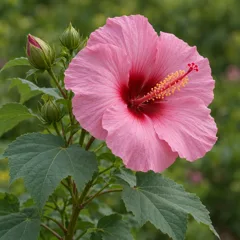
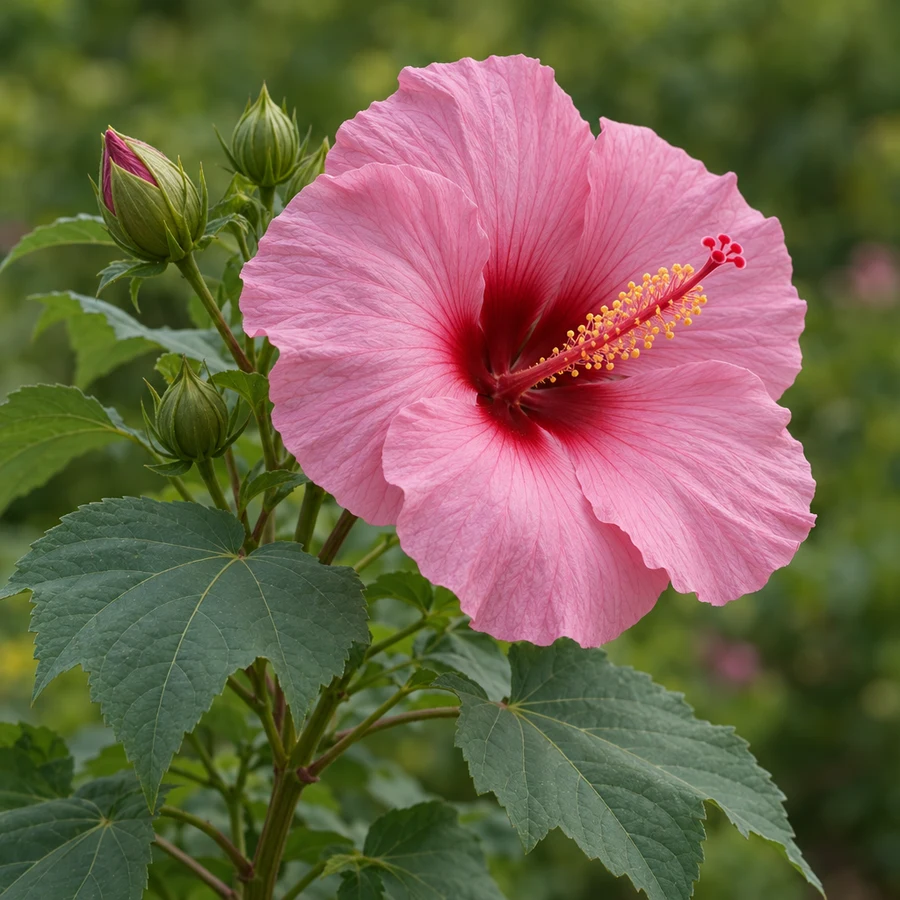
Rose mallow, also called hardy hibiscus, bears huge dinner-plate flowers from midsummer into early fall. It dies back to the ground each winter and comes back each spring, often later than you'd expect. Give it sun and soil that never quite dries out, and it will reward you for years.
Recent community discussions
No one has talked about Rose Mallow yet. Be the first.
At a glance
| Plant type | Flower |
| Botanical name | Hibiscus moscheutos (hardy hibiscus) |
| Annual or perennial | Perennial |
| Sun | Full sun |
| Water | Regular; likes moist soil |
| Spacing | 3 to 4 feet |
| Planting depth | 1/4 inch |
| Days to germinate | 14 to 30 days |
| Start indoors | 8 to 10 weeks before last frost |
| Days to maturity | Often blooms the first summer if sown early indoors; otherwise the second year |
| Bloom time | Midsummer to early fall (about July to September) |
| Best USDA zones | 4 to 9 |
| Soil pH | 5.5 to 7.5 |
Is it rose mallow weather where you are? See everything to plant this month or read your zone notes.

Start indoors 6–8 weeks before last frost; transplant after frost danger passes. In mild zones, direct sow in late spring.

Germinates in 14–28 days; 90–120 days; perennial.

Zones 5–9, July?Sept for spring planting; June?Aug next year for fall planting.

Moist, fertile clay loam or silty loam, pH 6.0–7.5. Tolerates heavier soils if drainage is adequate.
Pests to watch for



Diseases

A little history
Rose mallow is native to marshes, stream banks and other wet ground across eastern North America. Breeders have crossed it with related native hibiscus to create the showy garden types sold today, with bigger flowers, deeper colors and, in some, dark or coppery leaves.
When to sow in your zone
Late winter, indoors: Nick or soak the seeds and sow indoors 8 to 10 weeks before your last frost. Plants started this early often flower in their first summer; later sowings usually wait until year two. Our post on how to count back from last frost helps you find your start date. Toughen seedlings up with a week or so of hardening off, then plant out once frost danger has passed.
Fall: Plant nursery clumps in early fall in zones 6 to 9 so roots settle before winter. In colder zones, plant in spring.
In November the plants are dormant, so there's nothing to sow now. Mark the spot, and plan your seed start for late winter.
Growing it, step by step
From seed
The seed coat is hard. Nick it with a nail file or soak the seeds overnight in warm water. Sow 1/4 inch deep and keep at 70 to 75°F until they sprout.
Moving it outside
Plant out in a sunny, moist spot, 3 to 4 feet apart. These grow into big clumps, so give them room.
Water
Water deeply and often, especially in heat. Plants wilt fast in dry soil, and dry soil can scorch the leaf edges. See watering deeply for the basics.
Mulch
Add 2 to 3 inches of mulch to hold moisture, keeping it a little away from the crown. Our spring mulching post has more.
Feeding
Feed in spring with compost or a balanced fertilizer, and again lightly in early summer.
Keeping it happy
Plants come up late in spring, often after most perennials, so mark the spot and don't dig there by mistake. Cut the old stems down to 4 to 6 inches in late fall or early spring (see spring cleanup). Pinch young stems in early summer for bushier plants. Full sun gives more flowers and healthier leaves.
Trouble in the bed
Pests
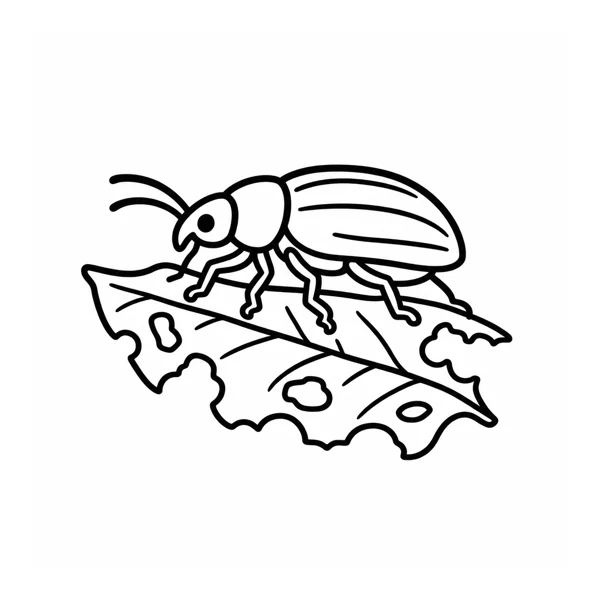
- Hibiscus sawfly: The main leaf-eater on rose mallow. The small green larvae feed under the leaves and can strip them to lace. They're hard to pick off while tiny, and Bt won't work because they aren't true caterpillars. Spray the undersides with insecticidal soap or spinosad, in the evening when bees aren't out, and keep spray off open flowers.
- Japanese beetles: Hand-pick into soapy water in the early morning, when they're sluggish.
- Aphids and whiteflies: Occasional visitors. Spray off with water or use insecticidal soap.
- Scale insects: An occasional pest. Rub off small patches and keep an eye on stems.
Diseases
- Leaf spots: Pick off spotted leaves and give plants room for air to move.
- Rust: Orange spots under the leaves. Remove affected leaves and clear old stems in fall.
- Blight and canker: Cut out dying stems back to healthy growth.
Most of these are worse on stressed plants. Plenty of sun, steady water and a fall cleanup (see clean up diseased plants in fall) keep trouble down.
Good neighbors





Good: Daylilies, ornamental grasses, bee balm such as wild bergamot, and other plants that like sun and moisture.
Avoid: Dry, hot spots and tight spaces.
Seeds that grow well in your area in November
Affiliate links — shopping through these helps keep Evening Vines free. Rocket Larkspur
 Wild Lupine
 Common Milkweed
 PansySeeds
Varieties worth growing
- Luna: Compact seed-grown series with large blooms.
- Disco Belle: Dwarf seed-grown series, good for pots and small spaces.
- Southern Belle: Seed-grown mix with huge red, pink and white blooms, about 10 inches across.
- Kopper King: White to pale pink flowers with a red eye, over coppery foliage.
- Summerific: Series with large flowers on sturdy plants.
Picking notes
There's nothing to harvest; rose mallow is grown for its flowers. Each bloom opens for a single day, then a new one takes its place, so the show runs from midsummer into early fall. Enjoy them on the plant, since they don't last in a vase. Pull off spent flowers if you like a tidy look, but leave a few to make seed pods.
Saving seed for next year
Let the seed capsules turn brown and start to split, then collect them. Store the seed cool and dry. Named hybrids such as Kopper King do not come true from seed. See saving seeds from your garden.
From garden to table
Grown as an ornamental, not for food. Do not confuse it with roselle (Hibiscus sabdariffa), the hibiscus used for tea. Rose mallow shines where other plants sulk: rain gardens, pond and stream edges, low damp corners and the back of a sunny border. Bees visit the big open flowers.
Questions from the potting bench
Why hasn't mine come up in spring? It emerges late, often in late spring once the soil warms. Give it time before you worry.
Will plants from seed flower this year? Often, if you start them indoors 8 to 10 weeks before last frost. Later sowings usually bloom the following summer.
Why are the leaves full of holes? Look under the leaves for small green sawfly larvae, and check for Japanese beetles.
Why do buds drop? Dry soil or sudden heat.
Can I grow it in a pot? Yes, compact types in a large pot. Pots dry out fast, so water often.
Grower reports
How did Rose Mallow do in your garden? Members rate it and say which zone and month they planted, so everyone can see what works near them.
Recent community discussions
No one has talked about Rose Mallow yet. Be the first.
Essentials for Growing Rose Mallow
 Grow Bags
Breathable fabric pots: grow almost anything on a patio, balcony or driveway, and roots never circle.
See it →
 Pruning Shears
Sharp bypass pruners for harvesting, deadheading and tidying.
See it →
 Seed Starting Tray
Reusable tray with a clear dome to give seeds a warm, humid start indoors.
See it →
 Garden Kneeler
A kneeling pad that flips into a seat: easier on knees and back.
See it →
 Plant Labels
Waterproof markers so you know what's coming up where.
See it →
 Organic Fertilizer
Slow-release organic plant food for vegetable beds and containers.
See it →
