
Cilantro
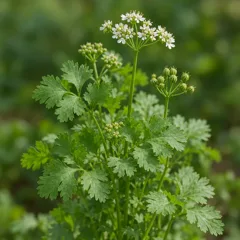
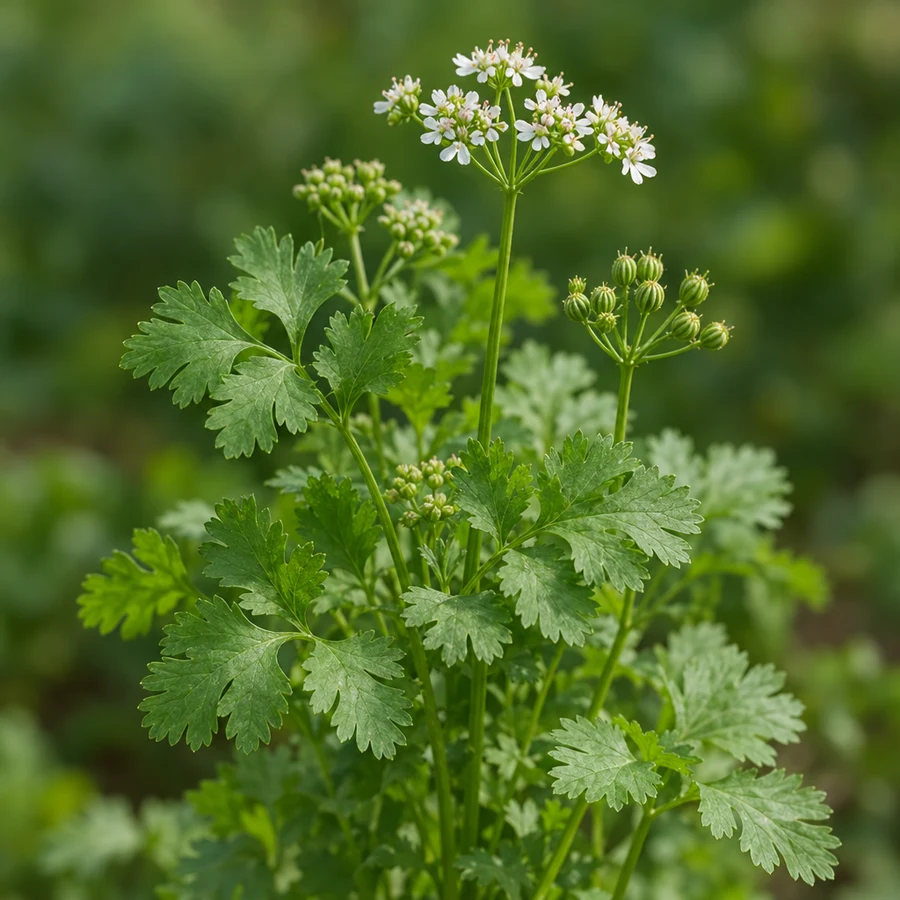
One sowing of cilantro gives you two crops. First come the bright, citrusy leaves. Then, once the plant runs up a flower stalk, you get the round seeds sold as coriander. Cool weather keeps it leafy; warm days and long evenings send it to flower fast. So the trick isn't stopping it from bolting, it's sowing a little every few weeks and enjoying whichever harvest the plant is ready to give.
Recent community discussions
No one has talked about Cilantro yet. Be the first.
At a glance
| Plant type | Cool-season herb |
| Botanical name | Coriandrum sativum |
| Annual or perennial | Annual |
| Sun | Full sun to part shade |
| Water | About 1 inch per week |
| Spacing | 6 to 8 inches |
| Planting depth | 1/4 to 1/2 inch |
| Days to germinate | 7 to 14 (slower in cold soil) |
| Days to maturity | About 45 to 70 for leaves; 90 to 105 for seed |
| Best USDA zones | 2 to 11 as a seasonal crop |
| Soil pH | Slightly acidic to neutral, about 6.0 to 7.0 |
From planting to harvest
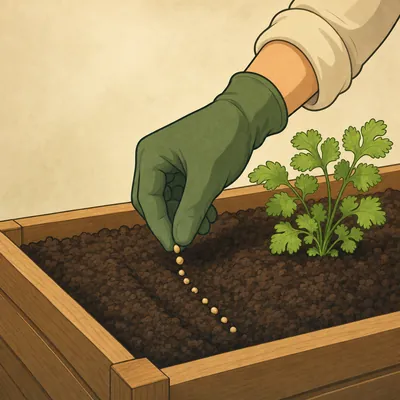
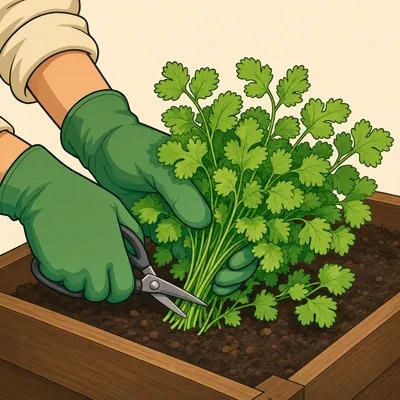
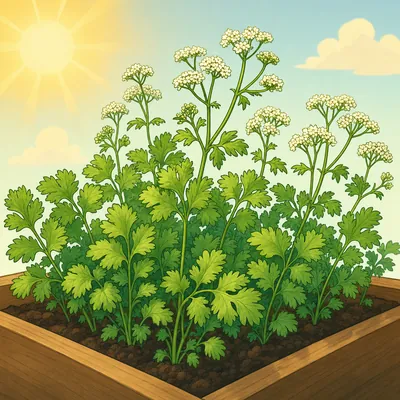
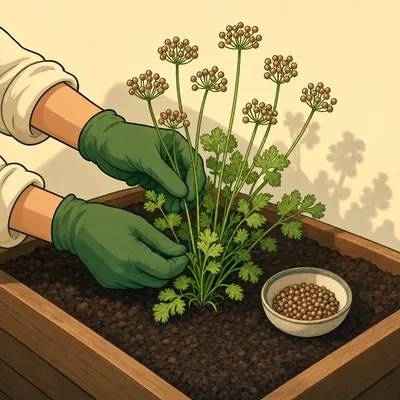
Is it cilantro weather where you are? See everything to plant this month or read your zone notes.

Direct sow 2 weeks before last frost. Successive sowings every 2–3 weeks until midsummer. Fall sowing recommended for mild zones.

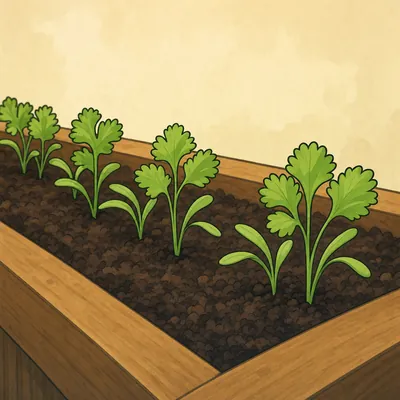
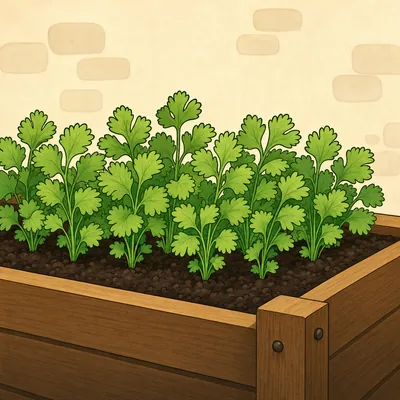
Germinates in 7–10 days; matures in 3–4 weeks; bolts quickly in heat.

Zones 3–10, April?June; in mild/warm zones September?November; indoors year-round.

Well-drained sandy loam, pH 6.2–6.8. Prefers cool soils and moderate fertility.
Pests to watch for





A little history
Coriander is one of the oldest herbs people have grown. It comes from the Mediterranean and the Middle East, and a stash of the seeds turned up in Tutankhamun's tomb. Spanish settlers carried it to Mexico and Peru, and it has been a backbone of Mexican cooking ever since.
When to sow in your zone
Spring: Sow outdoors in early spring, around your last frost date, once the soil can be worked. Seedlings take a light frost in their stride. Sow a short row every 2 to 3 weeks and stop once the weather turns properly hot, since summer sowings bolt almost straight away.
Fall and winter: Start again in late summer as the heat breaks. In zones 8 to 11, cilantro is really a fall and winter crop: sow from early fall right through the cool months and you'll be picking when little else is green. Find your frost dates on the zones page.
Growing it, step by step
Rub the round husks gently between your palms to split them in two, then sow 1/4 to 1/2 inch deep right where the plants will stay. Thin to 6 to 8 inches apart.
Don't bother raising it in cells to move later. Cilantro grows a taproot and tends to bolt when it's disturbed, so sowing in place gives you a longer leaf harvest.
Keep the soil evenly damp. A dry spell is one of the quickest ways to push it into flower. A layer of mulch keeps the roots cool and the moisture steady, and a little compost dug in before sowing is all the feeding it needs.
Keeping it happy
Pick often, and snap off flower stalks as they appear if you want leaves for longer. In warm areas, a spot with afternoon shade buys you extra weeks. When a plant does bolt, let it go: it's simply moving on to the coriander crop. The same tricks that help lettuce hold on work here too; see keeping lettuce from bolting.
Trouble in the bed
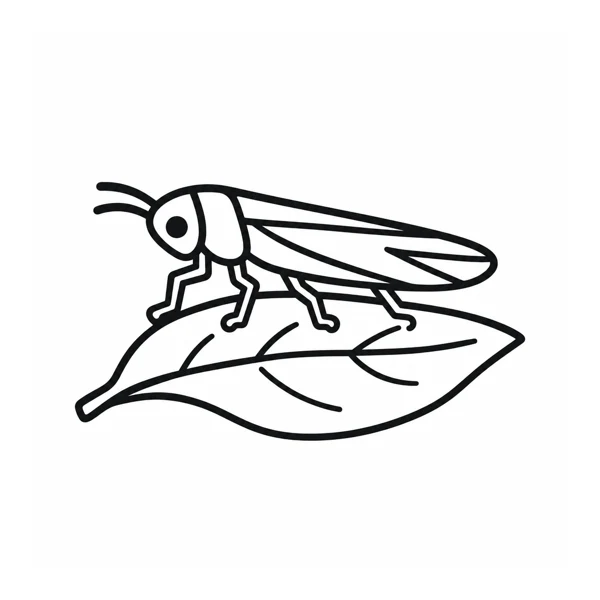
- Aphids: Knock them off with a firm spray of water and check the undersides of leaves.
- Cutworms: They chew young seedlings off at soil level overnight. Look for them in the soil near damaged plants after dark, or ring seedlings with a collar of card.
- Armyworms: These caterpillars strip leaves in late summer and fall. Pick them off by hand while they're small.
- Powdery mildew: Thin plants so air can move between them.
- Bacterial leaf spot: Dark, water-soaked spots on the leaves. Water at the soil rather than over the top, and pull spotted plants so it doesn't spread.
Good neighbors







Good: Cabbage, Broccoli, Cauliflower, Kale, Lettuce, Dill, Chives, Onions and Parsley. Leave a few cilantro plants to flower and their little white umbrellas feed hoverflies and tiny wasps, which then go hunting aphids and caterpillars on the cabbage family nearby.
Avoid: Fennel.
Seeds that grow well in your area in November
Affiliate links — shopping through these helps keep Evening Vines free. Smooth Blue Aster
 Polka Dot Mix
 Black-Eyed SusanSeeds
 ColumbineSeeds
Varieties worth growing
All of these are open-pollinated, so you can save seed from them.
- Calypso: Compact, low plants and one of the slowest to bolt. Seeds
- Santo: A dependable slow-bolt cilantro and an old standby. Seeds
- Cruiser: Upright and tidy, with bolt resistance close to Calypso's.
- Caribe: Bred to hold up in summer heat better than most.
- Leisure: Plenty of leaf over a long picking season. Seeds
- Confetti: Fine, feathery leaves, a little like dill to look at.
Cilantro seeds to buy
Affiliate links — shopping through these helps keep Evening Vines free.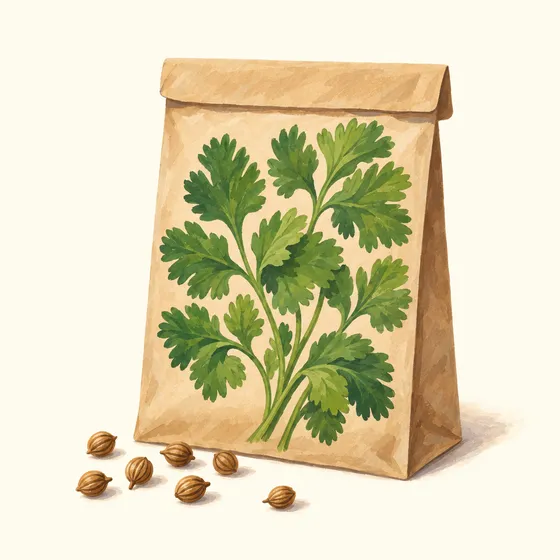 Slow Bolt
Picking notes
Start cutting the outer leaves once plants reach about 6 inches, and take no more than a third of a plant at a time. For coriander seed, leave the seed heads on the plant until they turn brown and dry, then cut the stems and shake the seeds into a paper bag. For herbs to keep, see drying herbs for winter.
Saving seed for next year
The coriander you harvest is your seed for next year. Let your best, slowest-to-bolt plants flower and ripen fully, then keep a handful back from the kitchen jar. Bees and other insects move pollen between cilantro plants, so grow just one variety for seed if you want it to come true. Store it cool and dry; more on that in saving seeds from your garden.
From garden to table
The leaves are a good source of vitamins A and K. Use them fresh in salsa, curries, noodle bowls and chutneys, and add them at the end of cooking so they keep their flavor. Toast and grind the coriander seed as a warm, slightly orangey spice. For more herbs for the same dishes, see plants for Asian cooking.
Questions from the potting bench
Half the table thinks cilantro tastes of soap. Who's right? Everyone is, because the taste is partly genetic: a 2012 study linked the soapy taste to a common variant near the OR6A2 smell-receptor gene, which picks up the aldehydes in the leaves, but genes explain only a small part of it, and what you grew up eating matters too.
Mine flowered after a few weeks. What went wrong? Most likely heat, long days or dry soil. Sow in the cool seasons, keep it watered, and try a slow-bolt variety like Calypso or Caribe.
Is a balcony or patio enough for cilantro? Yes. Use a pot at least 8 to 10 inches deep so the taproot has room, and sow a fresh pot every few weeks. See planting a herb container.
Are cilantro and coriander the same plant? Yes. In the US, "cilantro" usually means the leaves and "coriander" the seed, but both come from Coriandrum sativum.
Grower reports
How did Cilantro do in your garden? Members rate it and say which zone and month they planted, so everyone can see what works near them.
Recent community discussions
No one has talked about Cilantro yet. Be the first.
Seeds to try
Affiliate links — shopping through these helps keep Evening Vines free.Essentials for Growing Cilantro
 Grow Bags
Breathable fabric pots: grow almost anything on a patio, balcony or driveway, and roots never circle.
See it →
 Seed Starting Tray
Reusable tray with a clear dome to give seeds a warm, humid start indoors.
See it →
 LED Grow Light
Full-spectrum light for sturdy seedlings through short winter days.
See it →
 Pruning Shears
Sharp bypass pruners for harvesting, deadheading and tidying.
See it →
 Watering Can
Long-spout can for gentle watering of seedlings and pots.
See it →
 Organic Fertilizer
Slow-release organic plant food for vegetable beds and containers.
See it →
