
Columbine
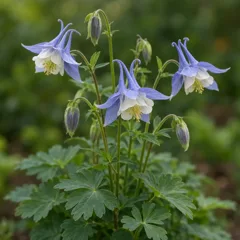
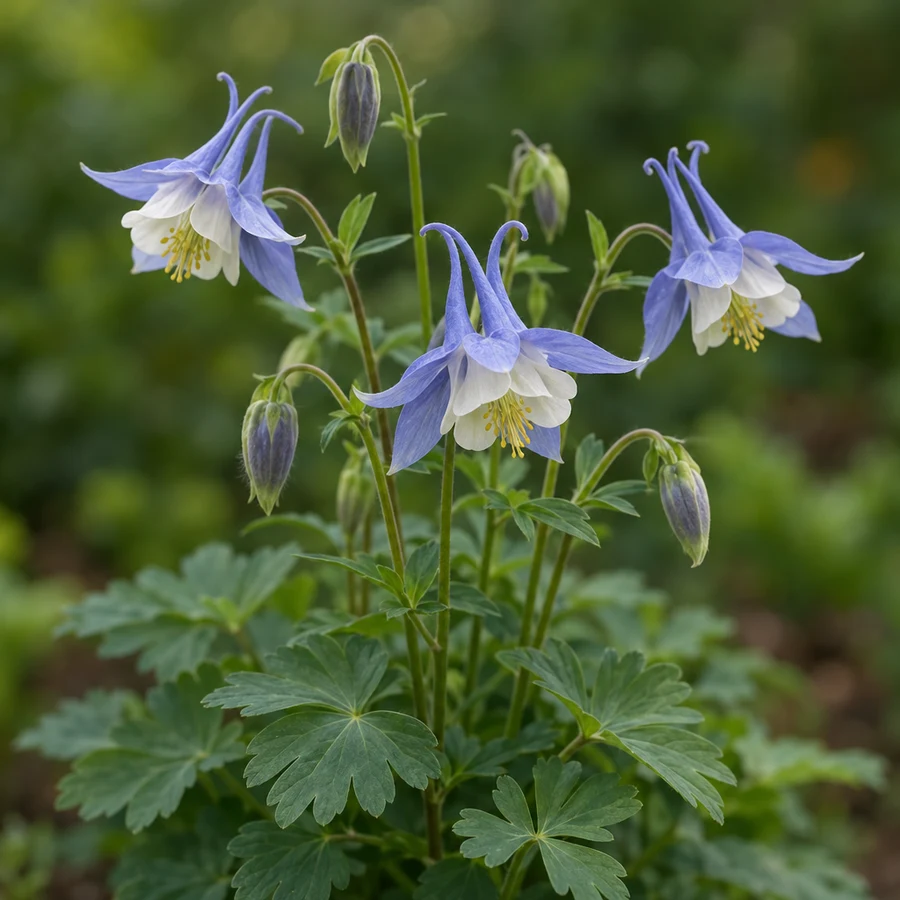
Columbine hangs its flowers on thin, wiry stems, each one with slim spurs trailing out behind, so a clump in bloom looks like a handful of small paper kites caught in the breeze. The flowers come in nearly every color, often two at once, and open from mid-spring into early summer. It's happy in light shade, and hummingbirds visit it all season.
Each plant lives only a few years, but it drops plenty of seed, so a patch tends to look after itself once it's settled.
Recent community discussions
No one has talked about Columbine yet. Be the first.
At a glance
| Plant type | Flower |
| Botanical name | Aquilegia spp. |
| Annual or perennial | Short-lived perennial |
| Sun | Part shade to full sun (afternoon shade in hot areas) |
| Water | Keep evenly moist |
| Spacing | 12 to 18 inches |
| Planting depth | Surface sow |
| Days to germinate | About 3 to 4 weeks after chilling |
| Days to maturity | Blooms the second year from seed |
| Bloom time | Mid-spring to early summer, tapering off by July |
| Best USDA zones | 3 to 9 (afternoon shade in zone 9) |
| Soil pH | 6.0 to 7.0 |
Is it columbine weather where you are? See everything to plant this month or read your zone notes.

Direct sow in fall for natural stratification, or sow indoors 8–10 weeks before last frost and refrigerate seeds for 3–4 weeks before planting.

Germinates in 14–30 days; 2 years to bloom; self-seeds.

Zones 3–9, April?July; in warm zones May?August; indoors year-round under lights.

Light, well-drained sandy loam, pH 6.0–7.0. Handles poor soils but flowers best in moderate fertility.
Pests to watch for



Diseases

A little history
Columbines grow wild across the Northern Hemisphere. European columbine was grown in medieval gardens, and the Rocky Mountain columbine has been the state flower of Colorado since 1899.
When to sow in your zone
Before you sow: Columbine seed needs a spell of cold and damp before it will wake up. How long depends on the kind. Most garden hybrids want about 3 to 4 weeks in the fridge (some seed companies give less, so check the packet), while our native eastern red columbine (A. canadensis) wants a longer 6 to 8 weeks.
Fall (time-sensitive, now through early winter): November is a good month to sow columbine outdoors in cold zones, because winter does all the chilling for you. Scatter the seed on bare, weeded soil where you want plants, press it down so it touches the soil, and leave it uncovered. It will sit through the cold and sprout as the soil warms in spring. Milk jugs work well for this too; see winter sowing in milk jugs.
Spring: Sow outdoors in early spring while nights are still cool, or chill the seed in the fridge first and start it indoors. Not sure where your frost dates fall? Check your zone.
Growing it, step by step
From seed
Mix the seed with a little damp seed-starting mix, seal it in a bag and chill it for the time your kind needs (see When to Sow). Then press it onto the surface of the pot without covering it, because light helps it sprout. Expect seedlings in about 3 to 4 weeks.
Moving it outside
Move seedlings to their own pots or to the bed once they have a few true leaves. Columbine grows a long taproot early on, so dig a deep hole and lift each seedling with as much root as you can. Plant 12 to 18 inches apart. Try not to move established clumps; the deep root makes them sulk or die.
Water
Columbine isn't drought tolerant. Keep the soil evenly moist, and water during dry spells, especially in sunnier spots. Native eastern red columbine copes with drier ground better than the garden hybrids. Good drainage matters as much as water: soggy soil leads to crown rot.
Mulch
A thin layer of shredded leaves or compost keeps the roots cool and the soil from drying out. Keep it pulled back a little from the crown.
Feeding
Columbine doesn't need much feeding. A light top-dressing of compost in spring is plenty; rich feeding gives floppy growth.
Zone 9 and Hot Summers
In zone 9 and the warmer parts of zone 8, give columbine morning sun and afternoon shade. Plants there tend to be shorter-lived and may go quiet in summer heat, so let some seed fall each year to keep the patch going.
Keeping it happy
Snip off faded flowers to keep blooms coming a little longer (more in deadheading flowers for more blooms), or leave a few pods if you want seedlings. When the leaves look tired after flowering, cut them back and a fresh, tidy mound will grow in.
Trouble in the bed
- Leaf miners: Pale squiggly trails inside the leaves. Pick off and throw away marked leaves.
- Columbine sawfly: Green larvae that eat leaves from the edges in late spring and can strip a plant fast. Check under the leaves and hand-pick them.
- Aphids: Knock them off with a strong spray of water.
- Spider mites: Fine speckling on leaves in hot, dry weather. Keeping plants watered helps.
- Powdery mildew: White dusting on leaves, mostly late in the season. Give plants room for air to move.
- Botrytis gray mold: Gray fuzz on flowers and stems in damp weather. Remove affected parts.
- Crown rot: The plant collapses at soil level in wet, poorly drained ground. Improve drainage, or replant somewhere better drained.
- Aquilegia downy mildew: Yellow or purple blotches on leaves and purple marks on flower stalks, and plants can die quickly in wet weather. So far it's been reported mainly in the UK, with no cure for gardeners. If you see it, dig up and destroy the plant and don't grow columbine in that spot for at least a year.
Good neighbors






Good: Other shade lovers: ferns, hostas, bleeding hearts, foxgloves and coral bells. Forget-me-nots and violas fill the ground beneath it nicely in spring.
Avoid: Hot, dry, exposed spots.
Seeds that grow well in your area in November
Affiliate links — shopping through these helps keep Evening Vines free. Smooth Blue Aster
 Polka Dot Mix
 Black-Eyed SusanSeeds
 Moonbeam
Varieties worth growing
- McKana Giants: Large, long-spurred, mixed colors.
- Rocky Mountain columbine (A. caerulea): Blue and white.
- Eastern red columbine (A. canadensis): Red and yellow native.
- Winky series: Compact, upward-facing flowers.
- Nora Barlow: Double, spurless pom-pom flowers.
- Clementine series: Double, spurless, upward-facing flowers.
Columbine seeds to buy
Affiliate links — shopping through these helps keep Evening Vines free. ColumbineSeeds
Picking notes
Cut stems for vases when the first flowers on the stem have opened.
Saving seed for next year
Collect pods when they turn brown and start to split at the tips. Columbines cross freely, so seedlings may look quite different from the parent. More in saving seeds from your garden.
From garden to table
Grown for its flowers and for hummingbirds. All parts are poisonous if eaten, so keep it away from children and pets.
Questions from the potting bench
Can I sow columbine in November? Yes, and it's one of the easiest ways. Sow on the surface outdoors and let winter chill the seed; it sprouts in spring when the soil warms.
I sowed seed from my purple columbine and got pink and yellow ones. Why? Columbines cross with each other easily, so seed from a garden plant often gives a mix of colors. If you want a true match, grow kinds apart or buy fresh seed of the variety.
My seedlings never came up. What went wrong? Usually the seed missed its cold spell, or it was buried too deep. Chill it for the time your kind needs and leave it uncovered on the surface.
The leaves look ragged by midsummer. Is my plant dying? Probably not. Cut the old leaves back after flowering and new ones will grow. Check under the leaves for sawfly larvae or leaf miner trails too.
Will my columbine come back next year? Each plant lasts a few years, then fades. Leave some seed pods each summer and new plants will take their place.
Grower reports
How did Columbine do in your garden? Members rate it and say which zone and month they planted, so everyone can see what works near them.
Recent community discussions
No one has talked about Columbine yet. Be the first.
Seeds to try
Affiliate links — shopping through these helps keep Evening Vines free.Essentials for Growing Columbine
 Grow Bags
Breathable fabric pots: grow almost anything on a patio, balcony or driveway, and roots never circle.
See it →
 Pruning Shears
Sharp bypass pruners for harvesting, deadheading and tidying.
See it →
 Seed Starting Tray
Reusable tray with a clear dome to give seeds a warm, humid start indoors.
See it →
 Garden Kneeler
A kneeling pad that flips into a seat: easier on knees and back.
See it →
 Plant Labels
Waterproof markers so you know what's coming up where.
See it →
 Organic Fertilizer
Slow-release organic plant food for vegetable beds and containers.
See it →
