
Cotton
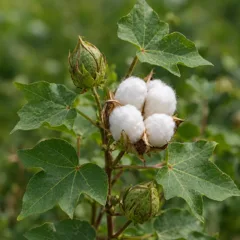
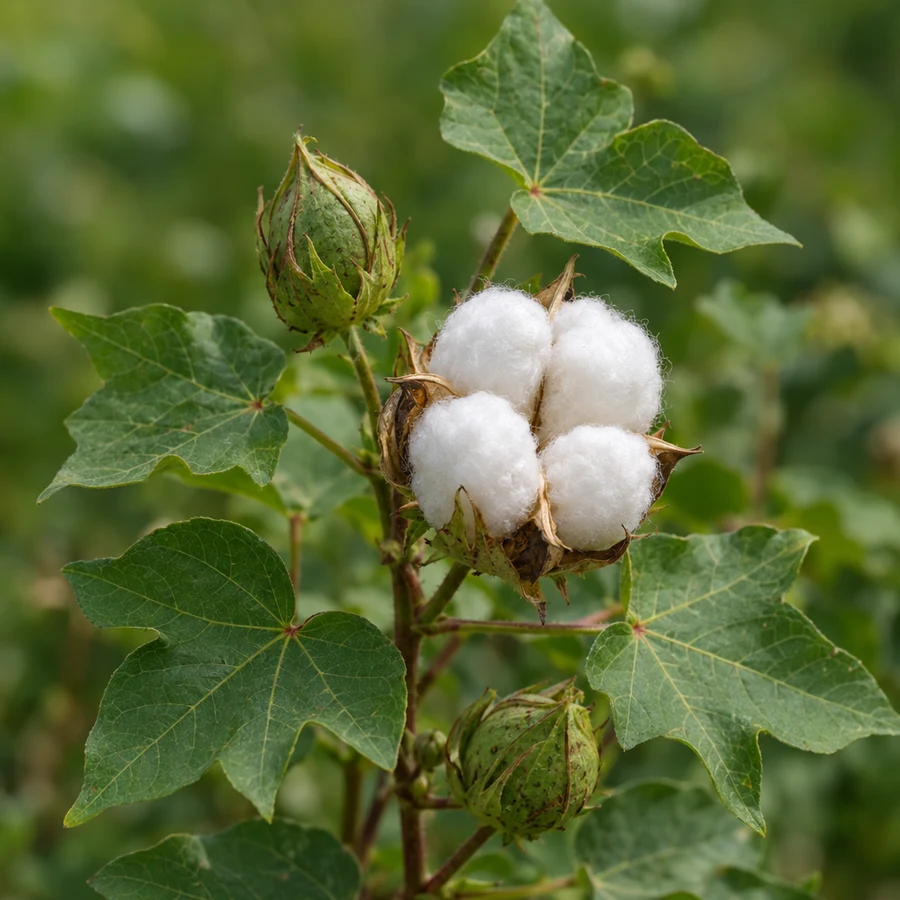
Growing a few cotton plants is a fun project. They bear hibiscus-like flowers that change from cream to pink, then green bolls that split open into fluffy white or naturally colored fiber. Cotton needs a long, hot season: about 120 to 160 days from sowing before the first bolls open.
Recent community discussions
No one has talked about Cotton yet. Be the first.
At a glance
| Plant type | Warm-season fiber crop |
| Botanical name | Gossypium hirsutum |
| Annual or perennial | Perennial shrub, grown as an annual |
| Sun | Full sun |
| Water | About 1 inch per week |
| Spacing | 18 to 24 inches |
| Planting depth | 1 inch |
| Days to germinate | 5 to 14 (faster in warm soil) |
| Days to maturity | About 120 to 160 to the first open bolls |
| Best USDA zones | 8 to 11 (anywhere with a long, hot season) |
| Soil pH | 5.8 to 7.0 (best around 6.0 to 6.5) |
Is it cotton weather where you are? See everything to plant this month or read your zone notes.

Sow outdoors 2–3 weeks after last frost in warm zones; needs long growing season (150+ frost-free days). Start indoors in cooler areas 6–8 weeks early.

Germinates in 7–14 days; 150–180 days to mature.

Zones 8–11, September?November; in warm zones October?December; annual in Zones 5–7 with long frost-free season.

Warm, well-drained sandy loam, pH 5.8–7.0. Needs aeration and moderate fertility.
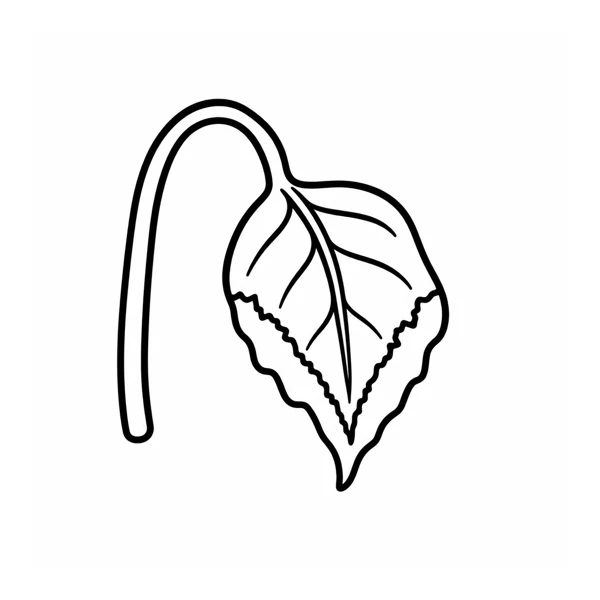
Pests to watch for






A little history
Cotton was domesticated separately in South Asia, Africa, and the Americas thousands of years ago. Upland cotton, native to Mexico and Central America, now makes up most of the world's crop.
When to sow in your zone
Spring: Sow cotton outdoors 2 to 3 weeks after the last frost, when the soil is above 65°F. In zones 8 to 11 that gives plenty of time for bolls to open. In shorter seasons, start indoors 4 to 6 weeks before the last frost in deep pots, then plant out once the soil has warmed. To see whether your season is long enough, count your frost-free days (our count back from last frost post shows how) and compare them with the 120 to 160 days cotton needs.
Fall: Not a fall crop.
Growing it, step by step
From seed
Soak seed overnight and sow 1 inch deep in warm soil.
Moving it outside
Move seedlings carefully, as they dislike root disturbance. Deep pots help keep the taproot whole.
Water: steady, then ease off
Water regularly until bolls form, then cut back so they open.
Mulch: keep the roots warm
Mulch once the soil is warm to hold in heat and moisture.
Feeding: easy on the nitrogen
A balanced fertilizer at planting and again at first flower. Too much nitrogen gives big, leafy plants and fewer bolls.
Keeping it happy
Keep weeds down while the plants are small, and give them your sunniest, warmest spot. Before you sow, check your state's rules: in some cotton-growing states, home cotton is restricted or needs a permit because of the boll weevil eradication program (see the FAQ below).
Trouble in the bed
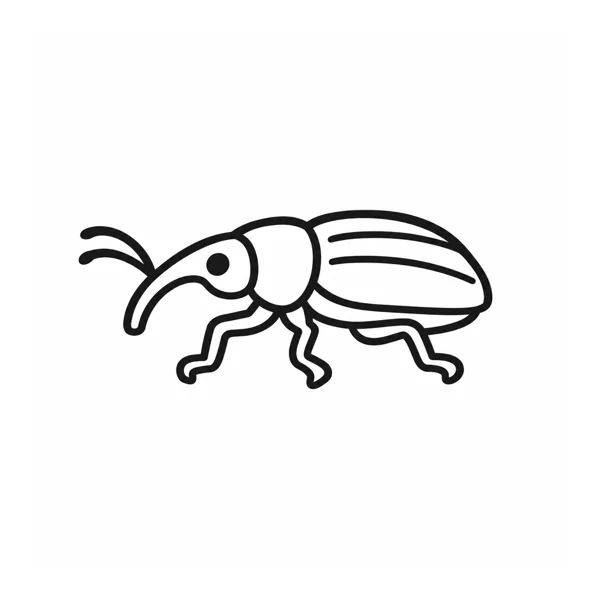
- Boll weevil: Most of the US cotton belt is now free of boll weevils, and states still trap for them. If you think you've found one, don't just squash it and move on: bag it and call your state department of agriculture or county extension office, who pass reports to the state eradication program.
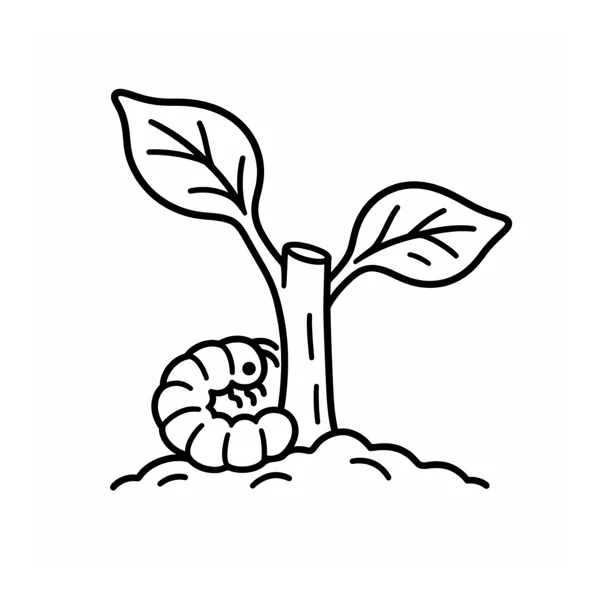
- Bollworms: Pick off caterpillars and remove damaged bolls.
- Aphids and whiteflies: Use insecticidal soap.
- Spider mites: Hose off in hot, dry weather.
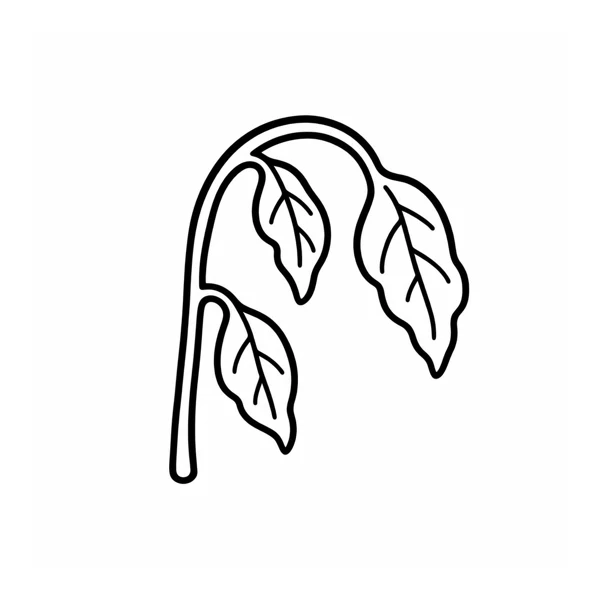
- Bacterial blight (angular leaf spot): Small, water-soaked spots that turn brown with reddish edges and stay boxed in by the leaf veins. It spreads in warm, wet weather and can travel on seed. Water at the soil, not over the leaves, and pull and clear old plants in fall (see clean up diseased plants in fall).
Good neighbors







Good: Heat lovers that want the same long summer: okra, sunflowers, cowpeas, basil, and zinnias. The flowers bring in pollinators.
Avoid: Cool-season crops such as lettuce and cabbage, which want a different season, plus crowding and shade.
Seeds that grow well in your area in November
Affiliate links — shopping through these helps keep Evening Vines free. Arugula Microgreens
 Organic Alfalfa
 Organic Wheatgrass
 Purple Coneflower
Varieties worth growing
- Upland white cotton: The standard white fiber.
- Nankeen: Natural brown fiber.
- Arkansas Green Lint: Natural green-tinged fiber.
- Red Foliated White: Ornamental, red leaves and white fiber.
Cotton seeds to buy
Affiliate links — shopping through these helps keep Evening Vines free.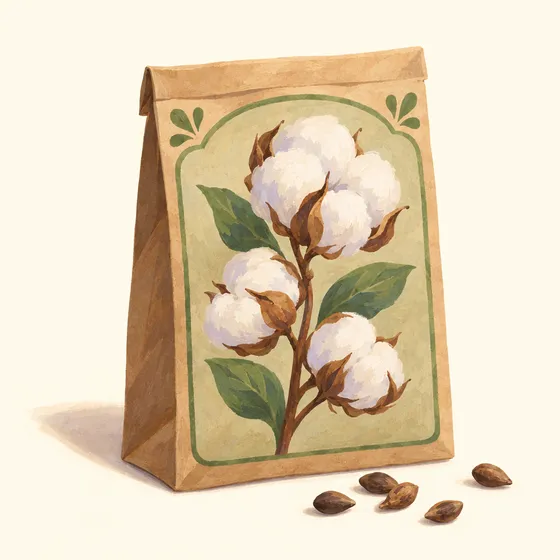 CottonSeeds
Picking notes
The first bolls open in late summer to fall. Pick the fluffy lint by hand once each boll has split open and dried, and pick everything that's open before frost. Pull out the seeds before spinning.
Saving seed for next year
Seeds come with every boll. Dry them and store for next year.
From garden to table
Grown for fiber, crafts, dried decorations, and as a garden curiosity. Cottonseed is not edible raw.
Questions from the potting bench
Do I need permission to grow cotton? Sometimes. Cotton-growing states protect their farms from the boll weevil, and some, Georgia and North Carolina among them, restrict backyard cotton or ask for a permit. Read University of Tennessee Extension's Growing Cotton in the Garden: Current Legislation (W330), then check with your state department of agriculture or county extension office before you sow.
Can I grow cotton in a pot? Yes, in a pot of 5 gallons or more in a hot, sunny spot.
Why didn't my bolls open? The season was too short or cool. Cotton needs about 120 to 160 warm days, so start it indoors in deep pots where summers are short.
Grower reports
How did Cotton do in your garden? Members rate it and say which zone and month they planted, so everyone can see what works near them.
Recent community discussions
No one has talked about Cotton yet. Be the first.
Seeds to try
Affiliate links — shopping through these helps keep Evening Vines free.Essentials for Growing Cotton
 Grow Bags
Breathable fabric pots: grow almost anything on a patio, balcony or driveway, and roots never circle.
See it →
 Seed Starting Tray
Reusable tray with a clear dome to give seeds a warm, humid start indoors.
See it →
 Garden Hand Tools
Trowel, transplanter and cultivator: the three tools you reach for most.
See it →
 Organic Fertilizer
Slow-release organic plant food for vegetable beds and containers.
See it →
 Watering Can
Long-spout can for gentle watering of seedlings and pots.
See it →
 Pruning Shears
Sharp bypass pruners for harvesting, deadheading and tidying.
See it →
