
Hollyhocks
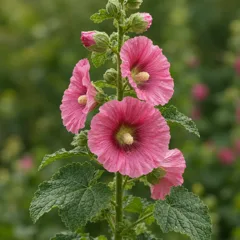
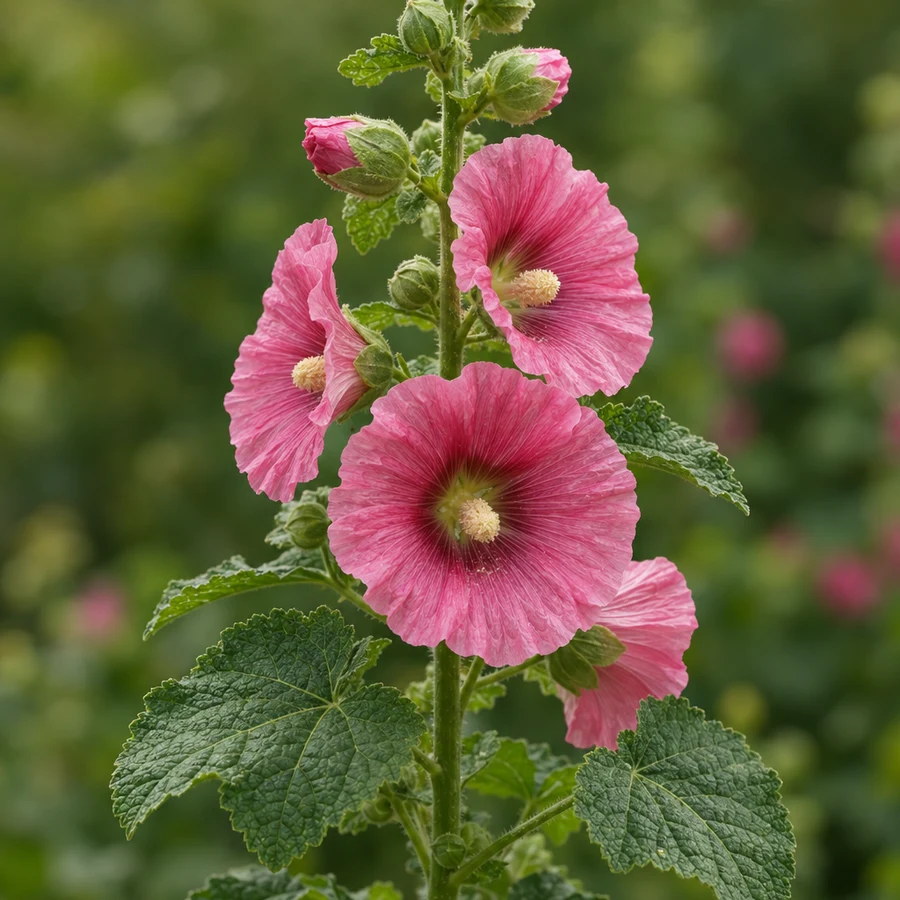
Hollyhocks are tall, old-fashioned flowers with big, ruffled blooms stacked up spires that reach 5 to 8 feet. Colors run from white, yellow and pink through red to a deep maroon that looks almost black. They're the classic flower for fences, walls and the back of a border.
They're biennials, so they work on a two-year rhythm: a low rosette of leaves in the first year, then tall spires that bloom from early to late summer (June to August) in the second. After flowering they drop seed and often fade out, but let a few pods ripen and new plants will keep turning up year after year. Bees and hummingbirds visit the open flowers all summer.
Recent community discussions
No one has talked about Hollyhocks yet. Be the first.
At a glance
| Plant type | Flower (tall cottage-garden classic) |
| Botanical name | Alcea rosea |
| Annual or perennial | Biennial (often a short-lived perennial) |
| Sun | Full sun |
| Water | Moderate; deep watering |
| Spacing | 18 to 24 inches |
| Planting depth | 1/4 inch |
| Days to germinate | 10 to 14 |
| Days to maturity | Blooms early to late summer (June to August) in its second year |
| Best USDA zones | 3 to 9 |
| Soil pH | 6.0 to 7.5 |
Is it hollyhocks weather where you are? See everything to plant this month or read your zone notes.

Direct sow outdoors in late spring after last frost, or in late summer for blooms the following year. Can also be started indoors 6–8 weeks before last frost.

Germinates in 10–21 days; biennial (blooms 2nd year).

Zones 3–9, July?September; in mild zones June?August the following year; indoors year-round with light.

Well-drained loamy soils, pH 6.0–7.5. Prefers fertile soil but tolerates average conditions.
Pests to watch for



Diseases
A little history
Hollyhocks are thought to come from western Asia, and they've been grown in gardens for centuries. They spread across Europe and became a cottage-garden staple. They had reached North America by colonial times: Thomas Jefferson noted them flowering at Monticello from mid-June into July in his 1782 calendar of blooms, and self-sown hollyhocks still come up in the garden there today.
When to sow in your zone
When to plant hollyhocks depends on your zone (find yours on the zone pages) and on whether you want flowers this summer or next.
Spring: Sow seeds indoors 6 to 8 weeks before your last frost, or outdoors once frost has passed. Most plants flower the following summer. If you'd like blooms in the first year, choose an early-blooming strain such as Indian Spring or Queeny Purple and start it indoors at the early end of that window. Our post on how to count back from your last frost helps you pick the date.
Fall: In zones 7 to 9, sow outdoors in early fall so seedlings settle in before winter and bloom the next summer. In zones 3 to 6, sow by midsummer instead, so plants build a sturdy rosette before the cold, or wait and sow in spring.
Growing it, step by step
Year one: seed to rosette
Sow 1/4 inch deep in moist soil. Seeds sprout in 10 to 14 days at 60 to 70°F. Thin the seedlings to 18 to 24 inches apart. Hollyhocks grow a long taproot, so if you start them indoors, use deep pots and move them out while they're still small. Once a plant is established, leave it where it is.
Water
Water deeply once a week in dry weather, and keep the soil evenly moist through the first season. Water at the base and keep the leaves as dry as you can.
Mulch
Spread 2 to 3 inches of mulch to keep the roots cool and moist, and keep it pulled back from the crown.
Feeding
Work compost in around the plants in spring. One feeding with a balanced fertilizer is plenty. Too much nitrogen gives you lush leaves and fewer flowers, and all that soft growth tends to draw more pests.
Keeping it happy
Year two is the tall year. Stake the spires or grow them against a fence or wall (see staking and supporting plants). Deadhead faded flowers to keep more coming, or leave a few to set seed. Cut the stalks to the ground once they finish. Pick off and throw away rusty leaves as soon as you spot them, and clear away fallen leaves and old stalks in fall.
Trouble in the bed
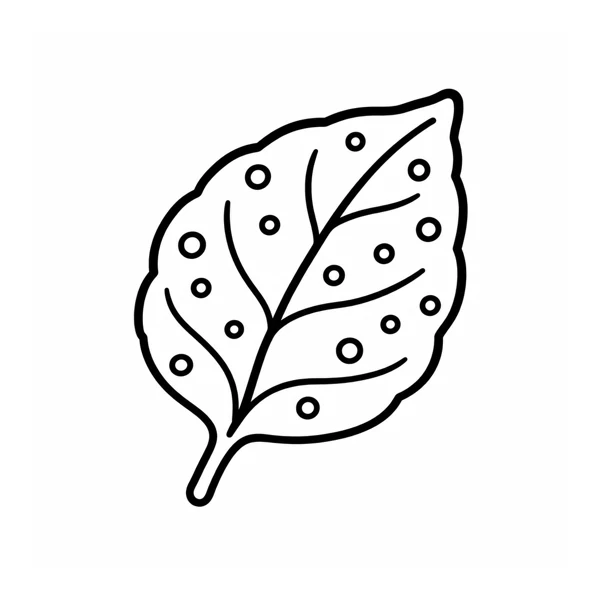
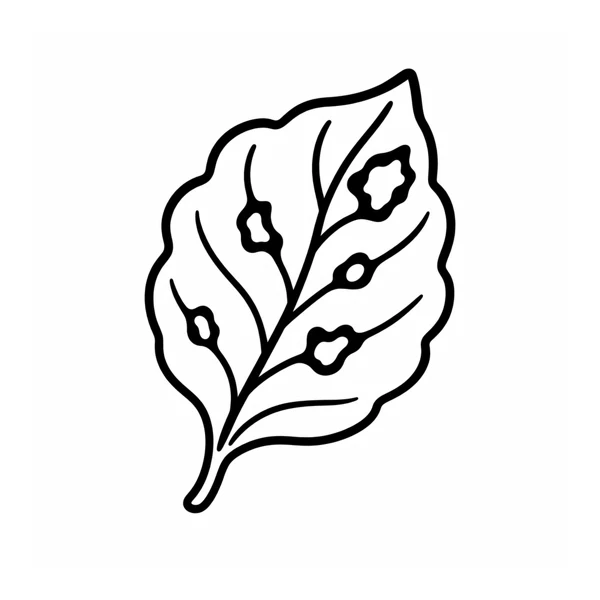
- Hollyhock rust: The main problem. Look for yellow spots on top of the leaves and raised orange-brown pustules underneath, usually starting on the lower leaves and creeping upward as summer goes on. Pick off infected leaves, space plants so air moves between them, water at the base, pull any mallow weeds nearby (they carry the same rust), and clear debris in fall. There's more on our rust page.
- Leaf spot and anthracnose: Dark spots or blotches on the leaves, worse in wet weather. The same habits that keep rust down help here: airflow, dry leaves and a good fall cleanup.
- Slugs: They chew young seedlings and first-year rosettes. Check after rain and around dusk, and hand-pick.
- Hollyhock weevil: Small weevils whose young feed inside the seed pods. Remove and destroy infested pods before they ripen.
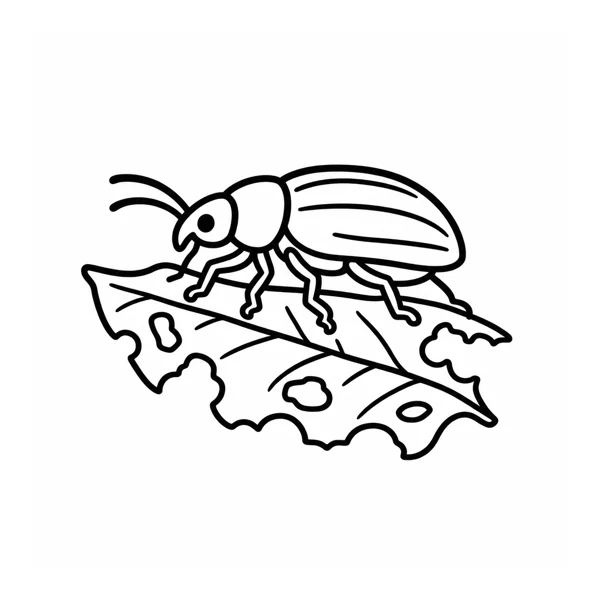
- Japanese beetles: Hand-pick into a jar of soapy water.
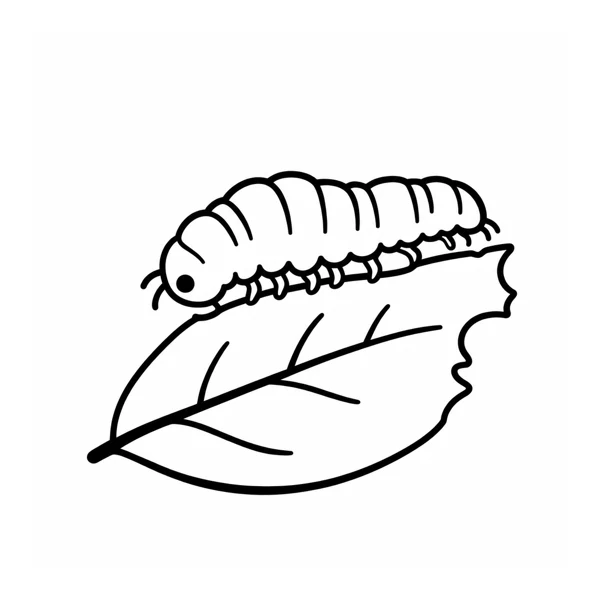
- Sawfly larvae: Small larvae that chew holes in the leaves. Hand-pick them or knock them off with a spray of water.
- Leaf miners: Pale, winding trails inside the leaves. Pick off and throw away affected leaves.
- Spider mites: Rinse the leaves and keep plants watered in hot, dry weather.
Good neighbors







Good: Delphiniums, foxgloves, zinnias and daisies, which share its love of sun and make a tall cottage border.
Avoid: Crowded beds with poor airflow, which encourage rust, and spots where rust was heavy last year.
Seeds that grow well in your area in November
Affiliate links — shopping through these helps keep Evening Vines free. Purple Coneflower
 Stinging Nettle
 Smooth Blue Aster
 Polka Dot Mix
Varieties worth growing
- Nigra: Deep maroon, almost black single flowers. Seeds
- Indian Spring: Single and semi-double flowers in rose, pink and white (some seed lots add other shades). It can bloom in the first year if sown early.
- Queeny Purple: A compact type with purple double flowers that can also bloom in the first year from an early sowing.
- Fig-leaf hollyhock (Alcea ficifolia): A related species with deeply lobed leaves, usually less troubled by rust.
- Russian hollyhock (Alcea rugosa): Tall, with pale yellow flowers and good rust resistance.
Hollyhocks seeds to buy
Affiliate links — shopping through these helps keep Evening Vines free.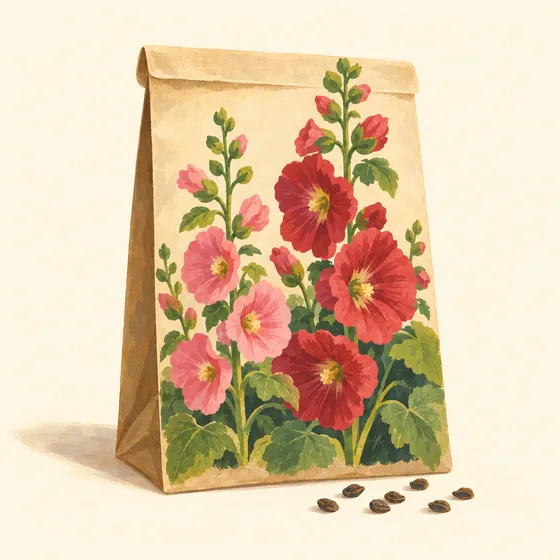 Chater's Double
Picking notes
Hollyhocks are grown mostly for show. For the vase, cut stems when the bottom few flowers have opened and stand them in water straight away. Some people find the bristly leaves itchy, so gloves help.
Saving seed for next year
Let the round seed capsules dry and turn brown on the plant, and check them for weevil damage as they ripen. Collect them and rub out the flat seeds. Dry the seeds for a week and store them somewhere cool and dry. Hollyhocks cross easily, so seedlings may not match the parent's color. Our guide to saving seeds from your garden covers the basics.
From garden to table
Hollyhock is mainly an ornamental and a good plant for bees and hummingbirds. The petals and young leaves are edible as a garnish or in tea, but only eat plants grown without pesticides.
Questions from the potting bench
Do hollyhocks bloom the first year? Most don't. As biennials they bloom in their second year. Early-blooming strains like Indian Spring and Queeny Purple can flower the first summer if you start them indoors early.
When do hollyhocks bloom? From early to late summer, roughly June to August, in their second year.
How do I stop hollyhock rust? Give plants room for airflow, water at the base, pick off infected leaves early, pull nearby mallow weeds, and clean up old stalks and leaves in fall.
Will they come back? Yes, if you let some seed fall each year. Each plant is short-lived, but its seedlings carry on.
Grower reports
How did Hollyhocks do in your garden? Members rate it and say which zone and month they planted, so everyone can see what works near them.
Recent community discussions
No one has talked about Hollyhocks yet. Be the first.
Seeds to try
Affiliate links — shopping through these helps keep Evening Vines free.Essentials for Growing Hollyhocks
 Grow Bags
Breathable fabric pots: grow almost anything on a patio, balcony or driveway, and roots never circle.
See it →
 Plant Stakes
Steel stakes to keep peppers, eggplant and tall flowers from flopping.
See it →
 Seed Starting Tray
Reusable tray with a clear dome to give seeds a warm, humid start indoors.
See it →
 Pruning Shears
Sharp bypass pruners for harvesting, deadheading and tidying.
See it →
 Watering Can
Long-spout can for gentle watering of seedlings and pots.
See it →
 Organic Fertilizer
Slow-release organic plant food for vegetable beds and containers.
See it →
