
What to Plant in Canberra & Inland NSW in November
Canberra, the tablelands and the inland slopes have real winters, with hard frosts from autumn into spring, and hot, dry summers. Last frosts often come in October on the tablelands, and later on high ground, so wait before planting tender crops out.
Local frost dates: the last spring frost in Inland NSW and the ACT usually comes between about Sep 12 and Nov 4, and the first autumn frost between Apr 13 and May 24. Type your postcode for your own dates.
Inland NSW and the ACT · winter low ~-2°C · frost ~Oct 14 – ~May 8
Vegetables 36

Sow outdoors from about Nov 7, once nights stay mild (around 10°C or more). Frost is over well before that here, but a cold spell sets tender plants back for weeks.
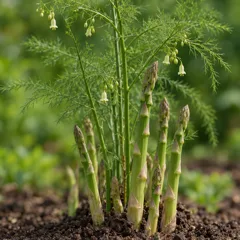
Set out seedlings started indoors once frost has passed so they grow all summer in their bed.
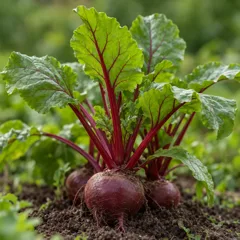
Sow a short row every 2 to 3 weeks from about Sep 30 to Jan 6 for a steady supply rather than one glut.
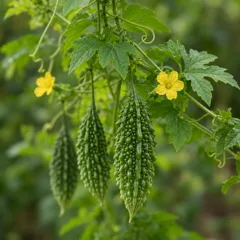
Set out transplants from about Nov 14, once nights stay mild (around 10°C or more). Frost is over well before that here, but a cold spell sets tender plants back for weeks.
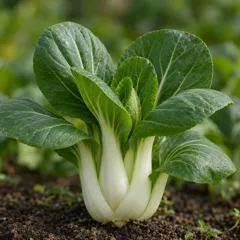
Sow a short row every 2 to 3 weeks from about Oct 28 to Jan 6 for a steady supply rather than one glut.
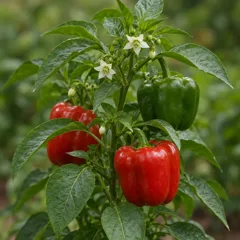
Set out transplants from about Nov 14, once nights stay mild (around 10°C or more). Frost is over well before that here, but a cold spell sets tender plants back for weeks.
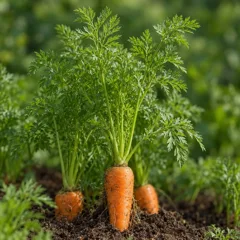
Sow a short row every 2 to 3 weeks from about Sep 30 to Jan 6 for a steady supply rather than one glut.
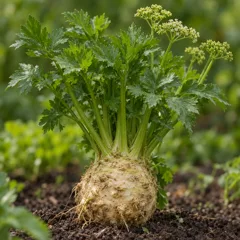
Set plants out once frost is past and nights stay above about 10°C; a cold spell can make young plants bolt.
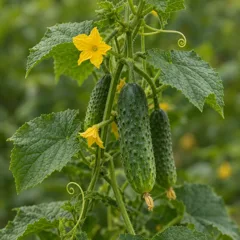
Sow outdoors from about Nov 7, once nights stay mild (around 10°C or more). Frost is over well before that here, but a cold spell sets tender plants back for weeks.
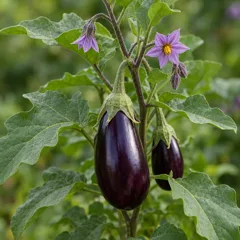
Set out transplants from about Nov 14, once nights stay mild (around 10°C or more). Frost is over well before that here, but a cold spell sets tender plants back for weeks.
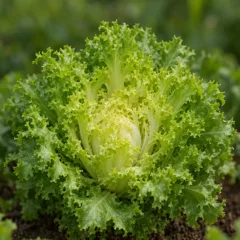
Sow a short row every 2 to 3 weeks from about Oct 28 to Jan 6 for a steady supply rather than one glut.
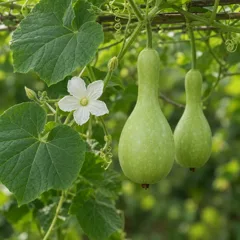
Sow outdoors from about Nov 7, once nights stay mild (around 10°C or more). Frost is over well before that here, but a cold spell sets tender plants back for weeks.
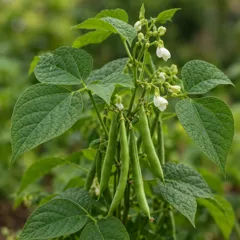
Sow outdoors from about Nov 7, once nights stay mild (around 10°C or more). Frost is over well before that here, but a cold spell sets tender plants back for weeks.
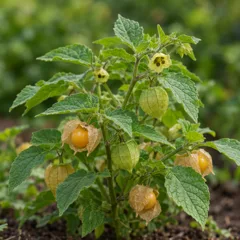
Set out transplants from about Nov 14, once nights stay mild (around 10°C or more). Frost is over well before that here, but a cold spell sets tender plants back for weeks.
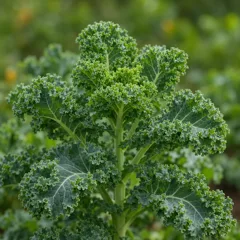
Sow a short row every 2 to 3 weeks from about Sep 2 to Dec 30 for a steady supply rather than one glut.
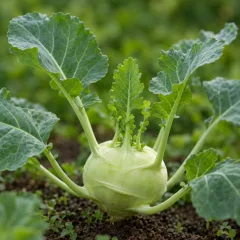
Sow a short row every 2 to 3 weeks from about Sep 30 to Jan 6 for a steady supply rather than one glut.
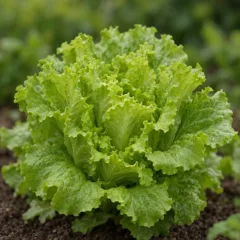
Sow a short row every 2 to 3 weeks from about Sep 30 to Jan 6 for a steady supply rather than one glut.
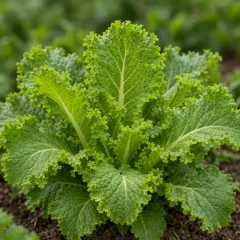
Sow a short row every 2 to 3 weeks from about Sep 30 to Jan 6 for a steady supply rather than one glut.
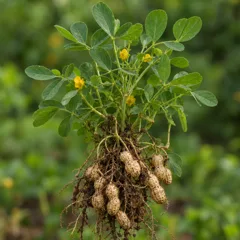
Sow outdoors from about Nov 14, once nights stay mild (around 10°C or more). Frost is over well before that here, but a cold spell sets tender plants back for weeks.
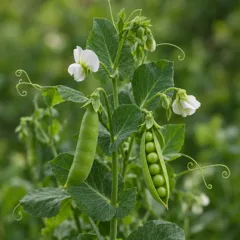
Sow a short row every 2 to 3 weeks from about Sep 2 to Jan 6 for a steady supply rather than one glut.
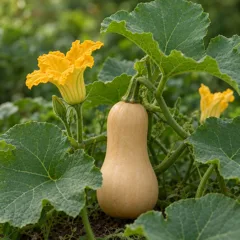
Sow outdoors from about Nov 7, once nights stay mild (around 10°C or more). Frost is over well before that here, but a cold spell sets tender plants back for weeks.
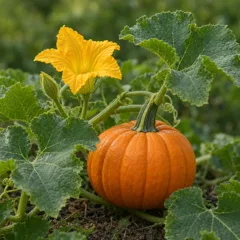
Sow outdoors from about Nov 7, once nights stay mild (around 10°C or more). Frost is over well before that here, but a cold spell sets tender plants back for weeks.

Sow a short row every 2 to 3 weeks from about Sep 16 to Jan 6 for a steady supply rather than one glut.
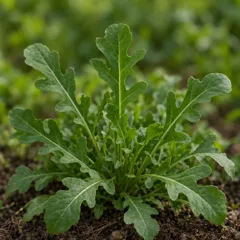
Sow a short row every 2 to 3 weeks from about Sep 16 to Jan 6 for a steady supply rather than one glut.
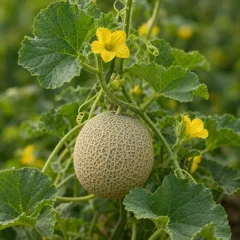
Sow outdoors from about Nov 14, once nights stay mild (around 10°C or more). Frost is over well before that here, but a cold spell sets tender plants back for weeks.
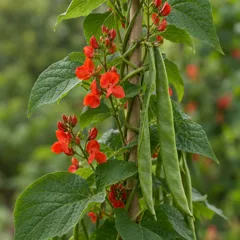
Sow outdoors from about Nov 7, once nights stay mild (around 10°C or more). Frost is over well before that here, but a cold spell sets tender plants back for weeks. Set out transplants from about Nov 7, once nights stay mild (around 10°C or more). Frost is over well before that here, but a cold spell sets tender plants back for weeks.

Sow a short row every 2 to 3 weeks from about Sep 30 to Jan 6 for a steady supply rather than one glut.
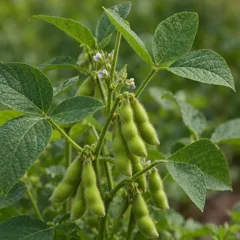
Sow outdoors from about Nov 7, once nights stay mild (around 10°C or more). Frost is over well before that here, but a cold spell sets tender plants back for weeks.
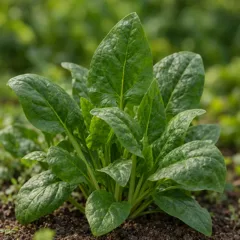
Sow a short row every 2 to 3 weeks from about Sep 2 to Jan 6 for a steady supply rather than one glut.
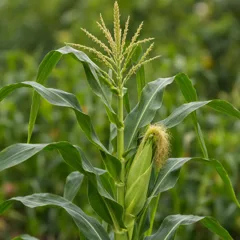
Sow outdoors from about Nov 7, once nights stay mild (around 10°C or more). Frost is over well before that here, but a cold spell sets tender plants back for weeks.

Plant from about Nov 14, once nights stay mild (around 10°C or more). Frost is over well before that here, but a cold spell sets tender plants back for weeks.
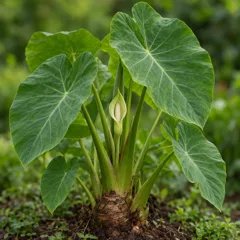
Plant from about Nov 14, once nights stay mild (around 10°C or more). Frost is over well before that here, but a cold spell sets tender plants back for weeks.
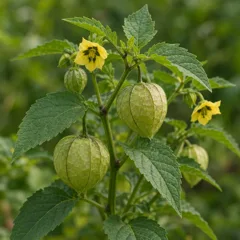
Set out transplants from about Nov 14, once nights stay mild (around 10°C or more). Frost is over well before that here, but a cold spell sets tender plants back for weeks.
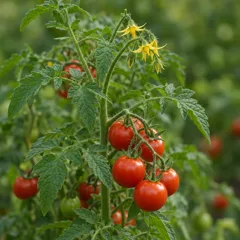
Set out transplants from about Nov 7, once nights stay mild (around 10°C or more). Frost is over well before that here, but a cold spell sets tender plants back for weeks.
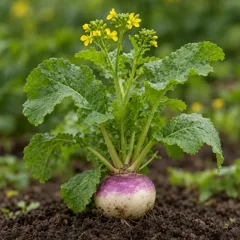
Sow a short row every 2 to 3 weeks from about Sep 16 to Jan 6 for a steady supply rather than one glut.
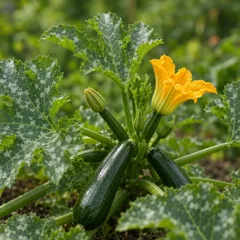
Herbs 22
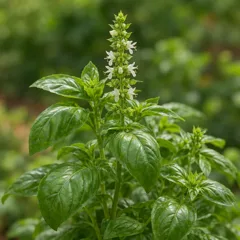
Set out transplants from about Nov 7, once nights stay mild (around 10°C or more). Frost is over well before that here, but a cold spell sets tender plants back for weeks. Sow outdoors from about Nov 7, once nights stay mild (around 10°C or more). Frost is over well before that here, but a cold spell sets tender plants back for weeks.
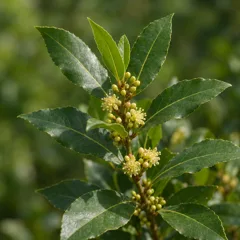
Plant nursery bays after the last frost so the roots settle in over the warm months before winter.
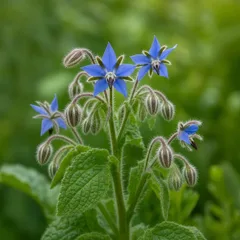
Sow outdoors around your last spring frost (about Oct 14); it copes with cold soil and a light frost.
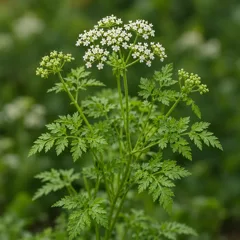
Sow a short row every 2 to 3 weeks from about Sep 30 to Jan 6 for a steady supply rather than one glut.
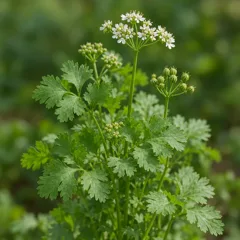
Sow outdoors any time from your last spring frost (about Oct 14) to 4 weeks after it.
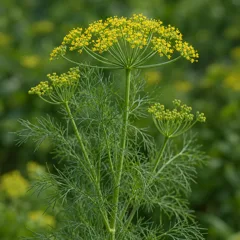

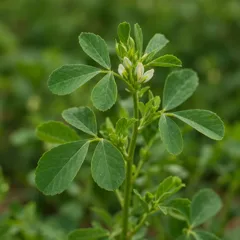
Sow where it will grow around your last frost; seedlings handle a light frost, and an early start gives seed time to ripen.
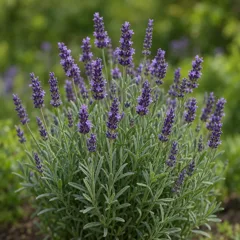
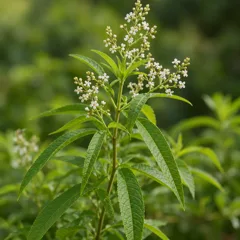
Set out nursery plants once nights stay above about 7°C; cold spring nights stall this tender shrub.
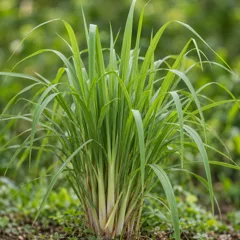
Set out transplants from about Nov 14, once nights stay mild (around 10°C or more). Frost is over well before that here, but a cold spell sets tender plants back for weeks.
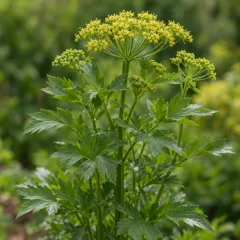
Set out nursery plants or divisions as soon as the soil can be worked, and hardened-off seedlings through late spring; this hardy perennial likes cool weather to settle in.
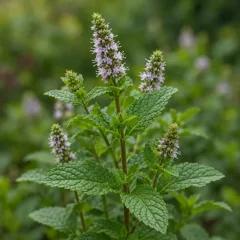
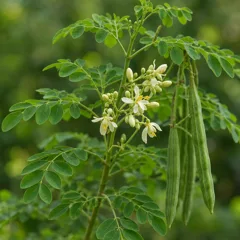
Sow seed outdoors once the soil is warm, from spring into early summer; moringa sprouts and grows fast in heat and needs the warm months to settle in before any cool weather.
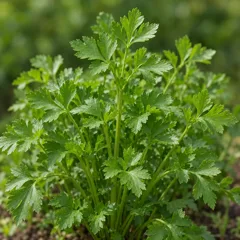
Sow a short row every 2 to 3 weeks from about Sep 30 to Jan 6 for a steady supply rather than one glut.
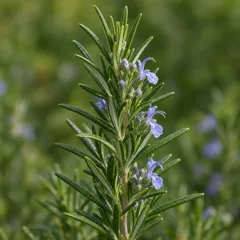
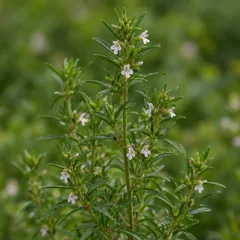
Sow outdoors any time from your last spring frost (about Oct 14) to 3 weeks after it.
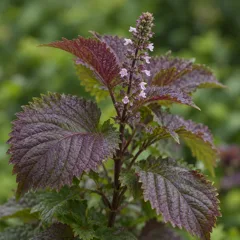
Sow outdoors from about Nov 7, once nights stay mild (around 10°C or more). Frost is over well before that here, but a cold spell sets tender plants back for weeks.
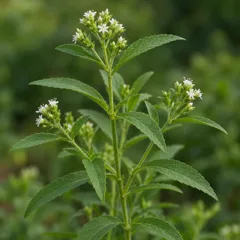
Set out transplants from about Nov 7, once nights stay mild (around 10°C or more). Frost is over well before that here, but a cold spell sets tender plants back for weeks.
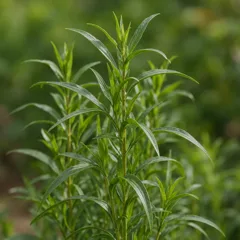
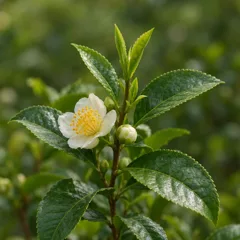
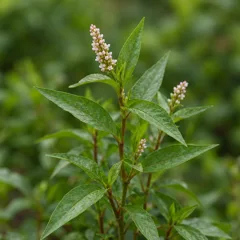
Set out rooted cuttings or potted plants once nights stay above 10°C; cold soil stops it growing and frost kills it.
Fruit 9
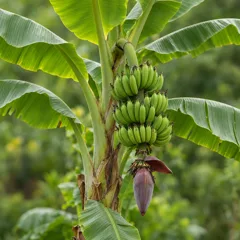
Plant suckers or nursery plants once the soil is warm; bananas need the whole warm season to settle in.
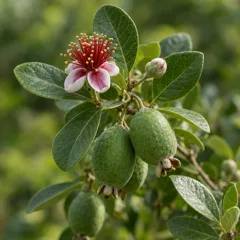
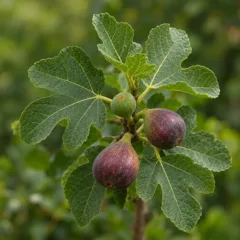
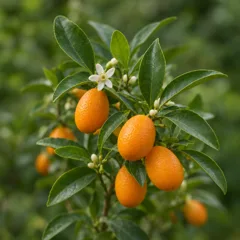
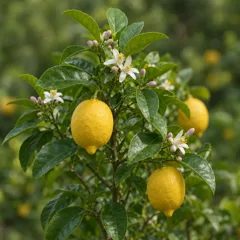
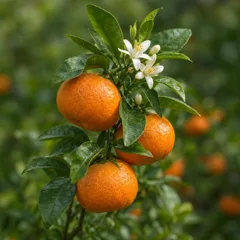
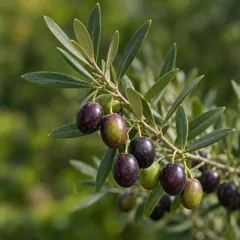
Plant potted trees after the last frost so young roots have a whole warm season to settle before winter.
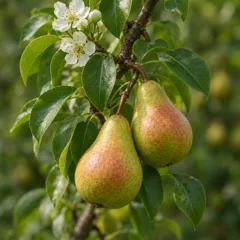
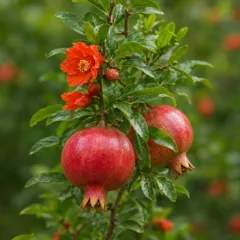
Plant dormant bare-root plants in early spring, or potted plants once hard frosts are over, so roots settle over summer.
Flowers 22
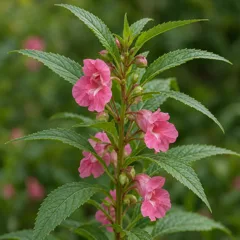
Sow outdoors from about Nov 7, once nights stay mild (around 10°C or more). Frost is over well before that here, but a cold spell sets tender plants back for weeks.
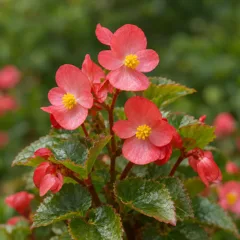
Set plants out once frost has passed and nights stay above about 10°C, usually a couple of weeks after your last frost.
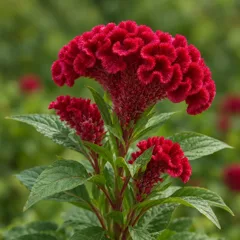
Sow outdoors from about Nov 14, once nights stay mild (around 10°C or more). Frost is over well before that here, but a cold spell sets tender plants back for weeks.
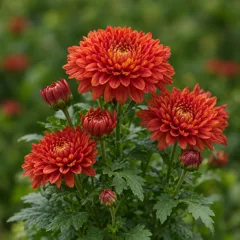
Plant garden mums after the last frost; a full summer of root growth gives them the best chance of coming back next year.
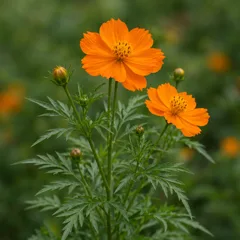
Sow outdoors once frost is past and the soil is warm; sow again every few weeks for a longer show.
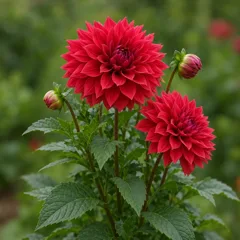

Sow outdoors from about Oct 31, once nights stay mild (around 10°C or more). Frost is over well before that here, but a cold spell sets tender plants back for weeks.
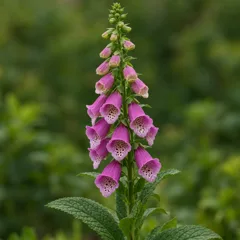
Sow biennial foxgloves on the surface now, 4 to 6 months before the first autumn frost, so they make a good rosette by winter and flower next spring; in hot summers sow in shade.
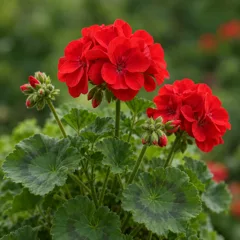
Set plants out once frost has passed and nights stay above about 10°C; even a light frost kills them.
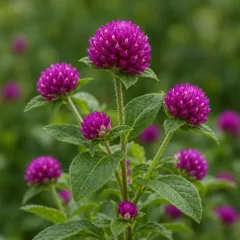
Set out transplants from about Nov 7, once nights stay mild (around 10°C or more). Frost is over well before that here, but a cold spell sets tender plants back for weeks.
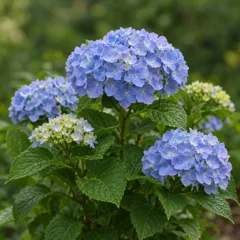
Plant container shrubs once the ground can be dug; cool spring weather lets roots settle before summer heat.
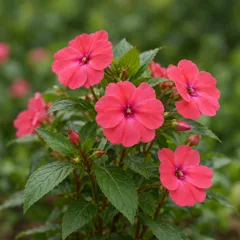
Set plants out once nights stay above about 45 to 10°C; cold stalls them and frost kills them.
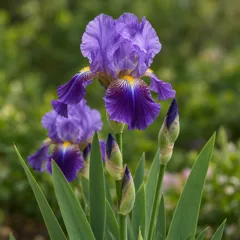
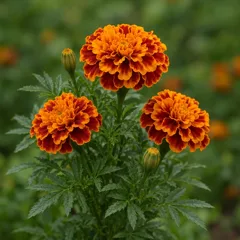
Sow outdoors from about Oct 31, once nights stay mild (around 10°C or more). Frost is over well before that here, but a cold spell sets tender plants back for weeks.
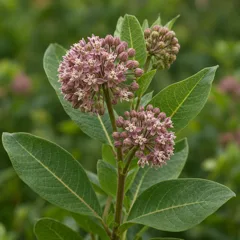
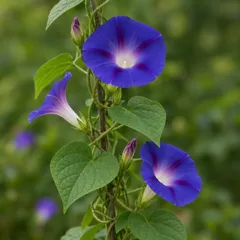
Sow outdoors from about Nov 7, once nights stay mild (around 10°C or more). Frost is over well before that here, but a cold spell sets tender plants back for weeks.
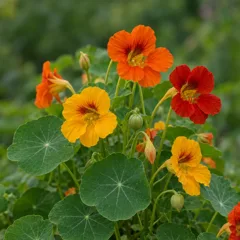
Sow outdoors any time from your last spring frost (about Oct 14) to 3 weeks after it.
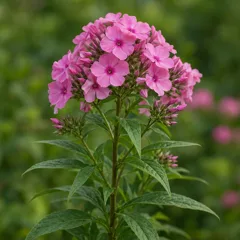

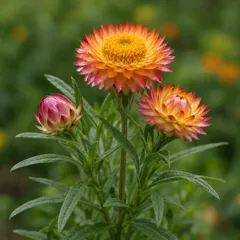
Set out transplants from about Oct 31, once nights stay mild (around 10°C or more). Frost is over well before that here, but a cold spell sets tender plants back for weeks.

Sow outdoors from about Nov 7, once nights stay mild (around 10°C or more). Frost is over well before that here, but a cold spell sets tender plants back for weeks.
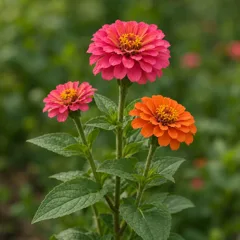
Indoors, any month 4
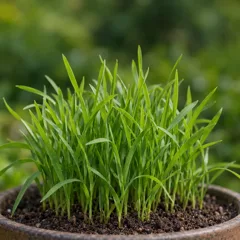
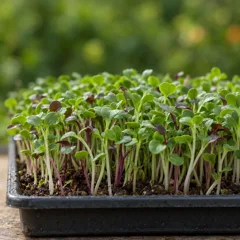
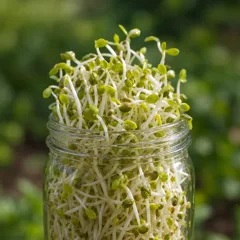
Seed and starter links are affiliate links: buying through them helps keep Evening Vines free.
This list is for most gardens in Inland NSW and the ACT. 38% of postcodes here are milder (mostly near the coast), and 16% are colder, with a later last frost, so type your postcode above for your own dates.
Coming up in December
59 plants go in outdoors in December. 2 of them are new for the month:
Gardening in Inland NSW and the ACT
- Hold tomatoes, capsicum and pumpkins back until after the last frost, usually from mid October or later.
- Plant garlic, broad beans and onions in autumn so they grow through the cold.
- Frost cloth on clear, still nights in spring saves early plantings.
- Water deeply and mulch through the dry summer heat.
- Last spring frost
- about Sep 12 to Nov 4
- First autumn frost
- about Apr 13 to May 24
- Coldest night, typical winter
- -6 to -2°C
- July nights
- average low 2.4°C
- January days
- average high 32.0°C
Figures cover most of the region (the middle 80% of postcodes). SILO daily climate grids (Queensland Government, from Bureau of Meteorology observations), 1995-2024. Frost here means a night of 2°C or less in the screen, the Bureau of Meteorology’s potential-frost mark.
Frost-free season: about Oct 14 to May 8. Green months have something to plant outdoors.
Other regions
- Tropical North frost-free
- Subtropical East (SE Queensland and Northern Rivers) last frost ~Jul 10–Sep 13
- Sydney and the NSW Coast last frost ~Jul 16–Sep 8
- Melbourne and Victoria last frost ~Aug 13–Oct 25
- Tasmania last frost ~Aug 21–Dec 5
- Adelaide and South Australia last frost ~Jul 17–Oct 9
- Perth and the South West last frost ~Jul 8–Oct 6
- The Arid Interior last frost ~Jul 10–Sep 13
Climate figures: SILO, Queensland Government (CC BY 4.0, summarised by Evening Vines). Postcodes: Australian Bureau of Statistics (CC BY 4.0). Sources and licences
