
What to Plant in Hobart, Launceston & Tasmania in November
Tasmania has the coolest, shortest growing season in Australia: mild summers, cool damp winters, and frosts that can arrive late in spring inland and on the Central Plateau. The north and east coasts are milder than the highlands.
Local frost dates: the last spring frost in Tasmania usually comes between about Aug 21 and Dec 5, and the first autumn frost between Mar 8 and Jul 9. Type your postcode for your own dates.
Tasmania · winter low ~-1°C · frost ~Oct 17 – ~May 7
Vegetables 34
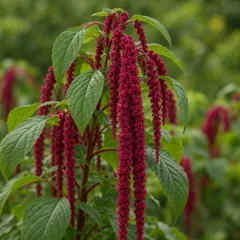
Sow outdoors from about Nov 24, once nights stay mild (around 10°C or more). Frost is over well before that here, but a cold spell sets tender plants back for weeks.
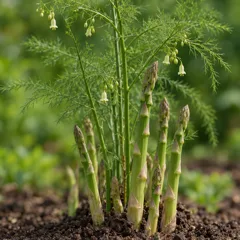
Set out seedlings started indoors once frost has passed so they grow all summer in their bed.
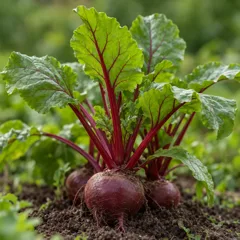
Sow a short row every 2 to 3 weeks from about Oct 3 to Feb 10 for a steady supply rather than one glut.
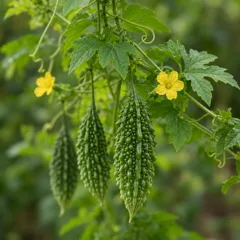
Plant into a greenhouse or cold frame from about Nov 17. Summers here are too cool for a good crop in the open, so give it shelter and warmth.
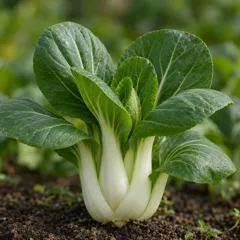
Sow a short row every 2 to 3 weeks from about Oct 31 to Feb 20 for a steady supply rather than one glut.
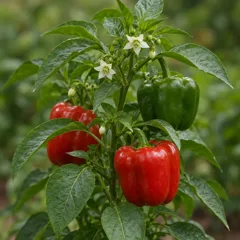
Plant into a greenhouse or cold frame from about Nov 17. Summers here are too cool for a good crop in the open, so give it shelter and warmth.
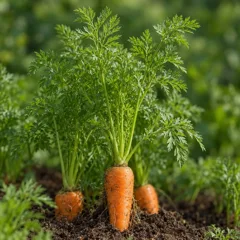
Sow a short row every 2 to 3 weeks from about Oct 3 to Jan 27 for a steady supply rather than one glut.
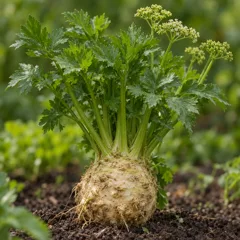
Set plants out once frost is past and nights stay above about 10°C; a cold spell can make young plants bolt.
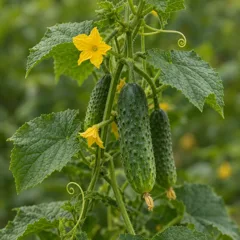
Sow outdoors from about Nov 24, once nights stay mild (around 10°C or more). Frost is over well before that here, but a cold spell sets tender plants back for weeks.
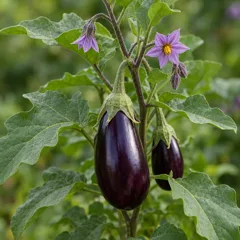
Plant into a greenhouse or cold frame from about Nov 17. Summers here are too cool for a good crop in the open, so give it shelter and warmth.
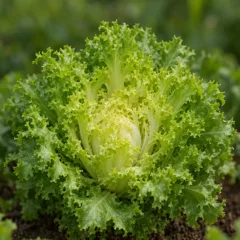
Sow a short row every 2 to 3 weeks from about Oct 31 to Feb 20 for a steady supply rather than one glut.
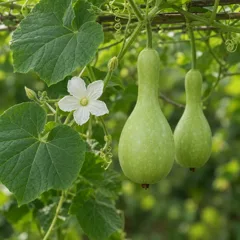
Sow outdoors from about Nov 24, once nights stay mild (around 10°C or more). Frost is over well before that here, but a cold spell sets tender plants back for weeks.
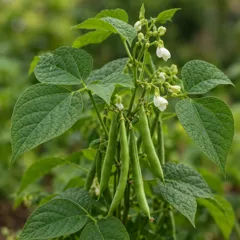
Sow outdoors from about Nov 24, once nights stay mild (around 10°C or more). Frost is over well before that here, but a cold spell sets tender plants back for weeks.
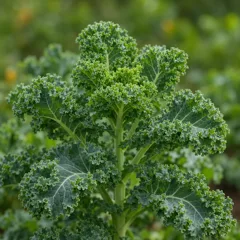
Sow a short row every 2 to 3 weeks from about Sep 5 to Dec 30 for a steady supply rather than one glut.
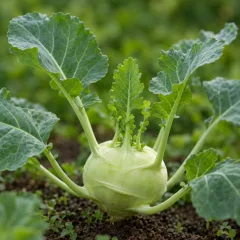
Sow a short row every 2 to 3 weeks from about Oct 3 to Feb 10 for a steady supply rather than one glut.
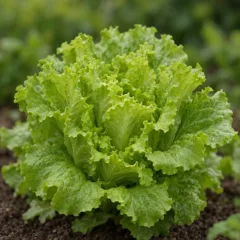
Sow a short row every 2 to 3 weeks from about Oct 3 to Feb 20 for a steady supply rather than one glut.

Sow a short row every 2 to 3 weeks from about Oct 3 to Feb 20 for a steady supply rather than one glut.
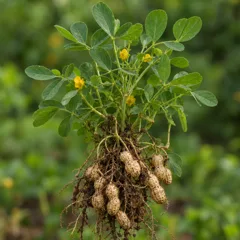
Sow under cover from about Nov 17; it needs more summer warmth than it gets outdoors here.
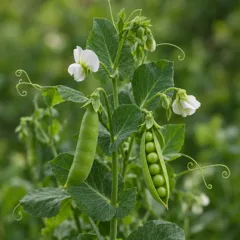
Sow a short row every 2 to 3 weeks from about Sep 5 to Jan 13 for a steady supply rather than one glut.
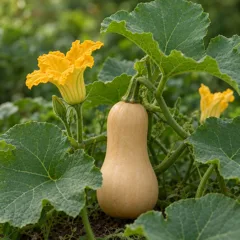
Sow outdoors from about Nov 24, once nights stay mild (around 10°C or more). Frost is over well before that here, but a cold spell sets tender plants back for weeks.
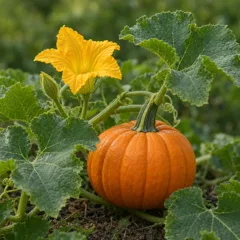
Sow outdoors from about Nov 24, once nights stay mild (around 10°C or more). Frost is over well before that here, but a cold spell sets tender plants back for weeks.

Sow a short row every 2 to 3 weeks from about Sep 19 to Feb 20 for a steady supply rather than one glut.
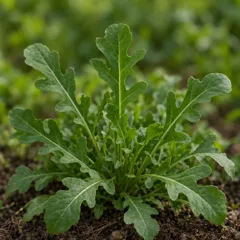
Sow a short row every 2 to 3 weeks from about Sep 19 to Feb 20 for a steady supply rather than one glut.
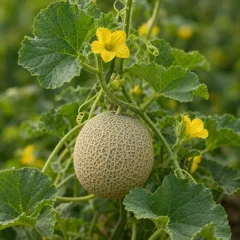
Sow under cover from about Nov 17; it needs more summer warmth than it gets outdoors here.
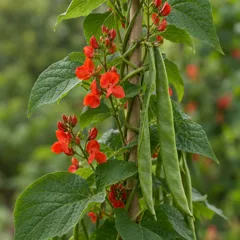
Sow outdoors from about Nov 24, once nights stay mild (around 10°C or more). Frost is over well before that here, but a cold spell sets tender plants back for weeks. Set out transplants from about Nov 24, once nights stay mild (around 10°C or more). Frost is over well before that here, but a cold spell sets tender plants back for weeks.
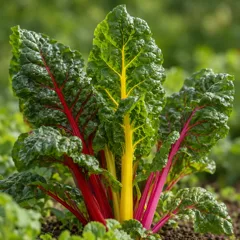
Sow a short row every 2 to 3 weeks from about Oct 3 to Feb 10 for a steady supply rather than one glut.
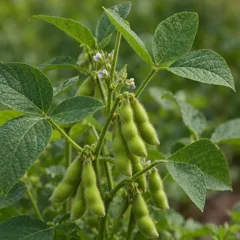
Sow outdoors from about Nov 24, once nights stay mild (around 10°C or more). Frost is over well before that here, but a cold spell sets tender plants back for weeks.
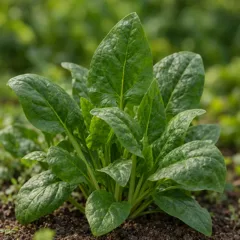
Sow a short row every 2 to 3 weeks from about Sep 5 to Feb 20 for a steady supply rather than one glut.
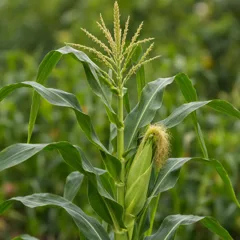
Sow outdoors from about Nov 24, once nights stay mild (around 10°C or more). Frost is over well before that here, but a cold spell sets tender plants back for weeks.
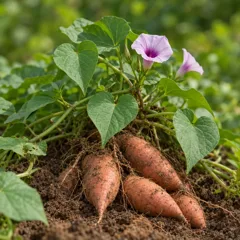
Plant into a greenhouse or cold frame from about Nov 17. Summers here are too cool for a good crop in the open, so give it shelter and warmth.
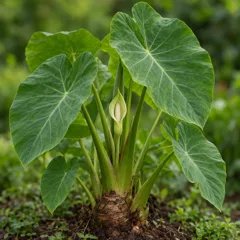
Plant into a greenhouse or cold frame from about Nov 17. Summers here are too cool for a good crop in the open, so give it shelter and warmth.
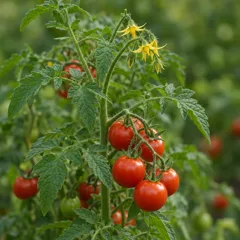
Set out transplants from about Nov 24, once nights stay mild (around 10°C or more). Frost is over well before that here, but a cold spell sets tender plants back for weeks.
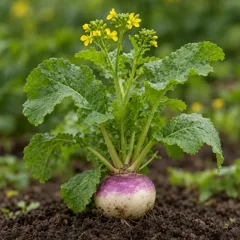
Sow a short row every 2 to 3 weeks from about Sep 19 to Feb 20 for a steady supply rather than one glut.
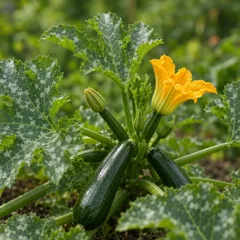
Herbs 21
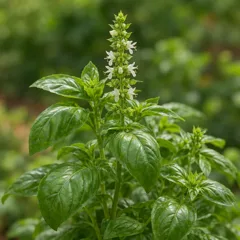
Set out transplants from about Nov 24, once nights stay mild (around 10°C or more). Frost is over well before that here, but a cold spell sets tender plants back for weeks. Sow outdoors from about Nov 24, once nights stay mild (around 10°C or more). Frost is over well before that here, but a cold spell sets tender plants back for weeks.
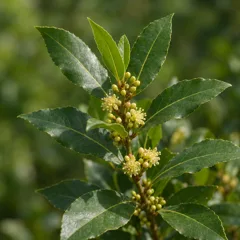
Plant nursery bays after the last frost so the roots settle in over the warm months before winter.
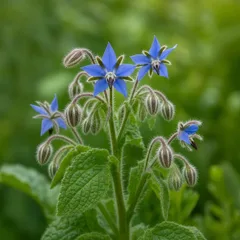
Sow outdoors around your last spring frost (about Oct 17); it copes with cold soil and a light frost.
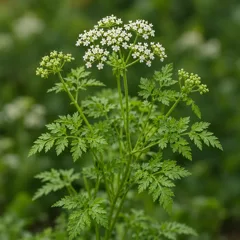
Sow a short row every 2 to 3 weeks from about Oct 3 to Feb 20 for a steady supply rather than one glut.
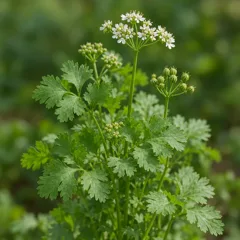
Sow outdoors any time from your last spring frost (about Oct 17) to 4 weeks after it.
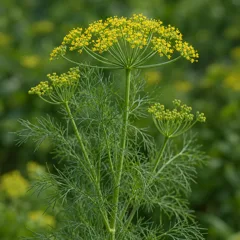

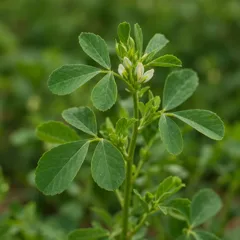
Sow where it will grow around your last frost; seedlings handle a light frost, and an early start gives seed time to ripen.
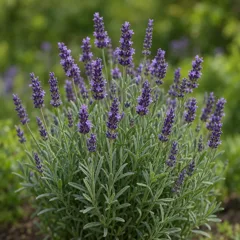
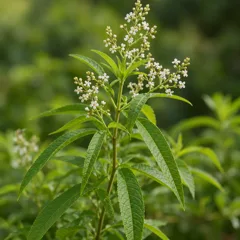
Set out nursery plants once nights stay above about 7°C; cold spring nights stall this tender shrub.
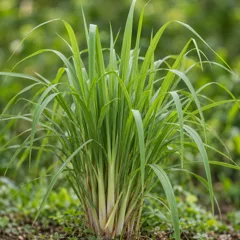
Plant into a greenhouse or cold frame from about Nov 17. Summers here are too cool for a good crop in the open, so give it shelter and warmth.
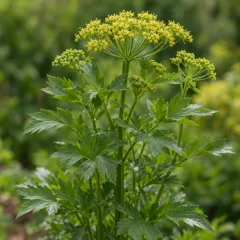
Set out nursery plants or divisions as soon as the soil can be worked, and hardened-off seedlings through late spring; this hardy perennial likes cool weather to settle in.
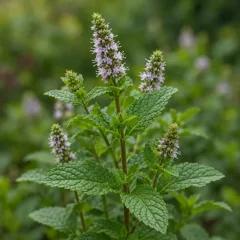
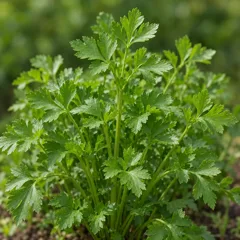
Sow a short row every 2 to 3 weeks from about Oct 3 to Jan 27 for a steady supply rather than one glut.
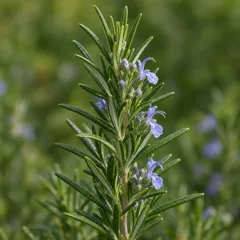
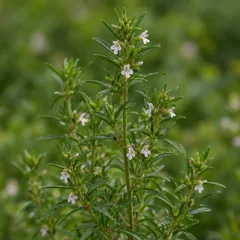
Sow outdoors any time from your last spring frost (about Oct 17) to 3 weeks after it.
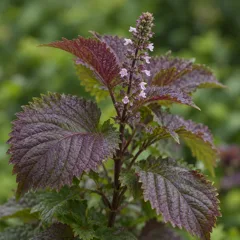
Sow outdoors from about Nov 24, once nights stay mild (around 10°C or more). Frost is over well before that here, but a cold spell sets tender plants back for weeks.
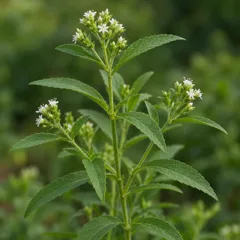
Set out transplants from about Nov 24, once nights stay mild (around 10°C or more). Frost is over well before that here, but a cold spell sets tender plants back for weeks.
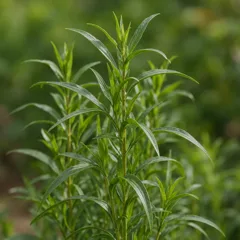
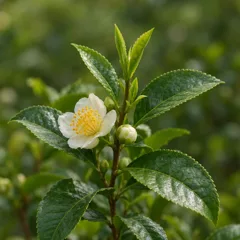
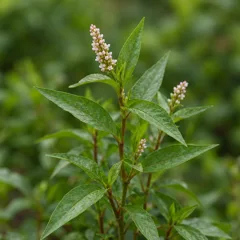
Set out rooted cuttings or potted plants once nights stay above 10°C; cold soil stops it growing and frost kills it.
Fruit 9
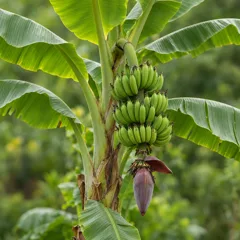
Plant suckers or nursery plants once the soil is warm; bananas need the whole warm season to settle in.
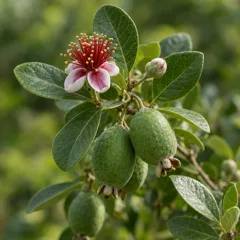
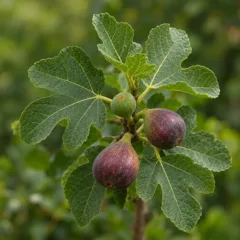
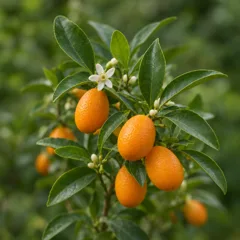
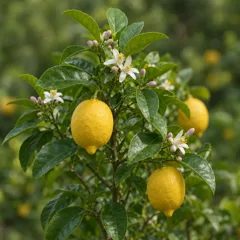
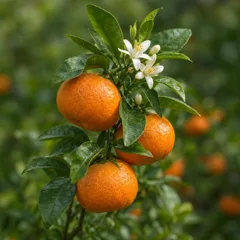
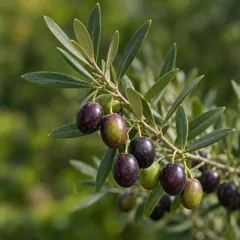
Plant potted trees after the last frost so young roots have a whole warm season to settle before winter.
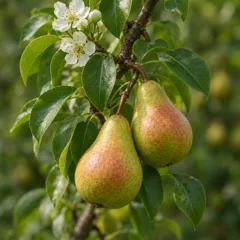
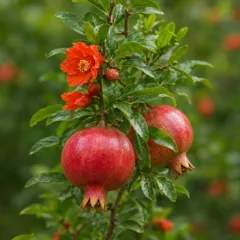
Plant dormant bare-root plants in early spring, or potted plants once hard frosts are over, so roots settle over summer.
Flowers 21
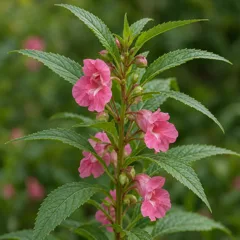
Sow outdoors from about Nov 24, once nights stay mild (around 10°C or more). Frost is over well before that here, but a cold spell sets tender plants back for weeks.
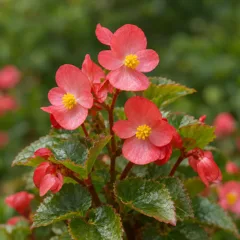
Set plants out once frost has passed and nights stay above about 10°C, usually a couple of weeks after your last frost.
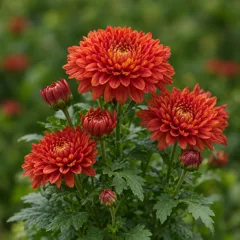
Plant garden mums after the last frost; a full summer of root growth gives them the best chance of coming back next year.
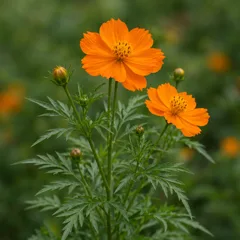
Sow outdoors once frost is past and the soil is warm; sow again every few weeks for a longer show.


Sow outdoors from about Nov 17, once nights stay mild (around 10°C or more). Frost is over well before that here, but a cold spell sets tender plants back for weeks.
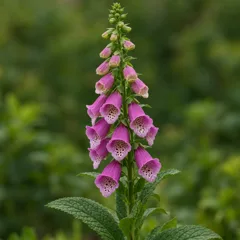
Sow biennial foxgloves on the surface now, 4 to 6 months before the first autumn frost, so they make a good rosette by winter and flower next spring; in hot summers sow in shade.
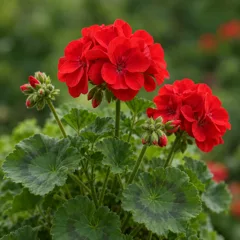
Set plants out once frost has passed and nights stay above about 10°C; even a light frost kills them.
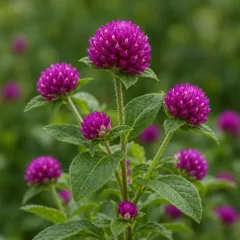
Set out transplants from about Nov 24, once nights stay mild (around 10°C or more). Frost is over well before that here, but a cold spell sets tender plants back for weeks.
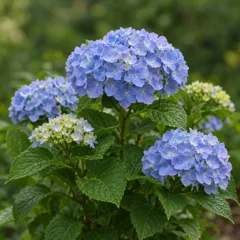
Plant container shrubs once the ground can be dug; cool spring weather lets roots settle before summer heat.

Set plants out once nights stay above about 45 to 10°C; cold stalls them and frost kills them.
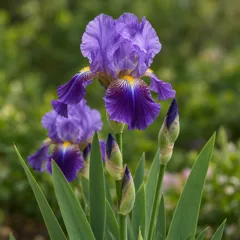
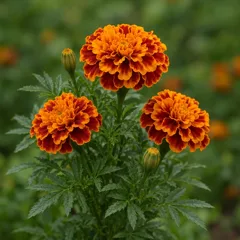
Sow outdoors from about Nov 17, once nights stay mild (around 10°C or more). Frost is over well before that here, but a cold spell sets tender plants back for weeks.
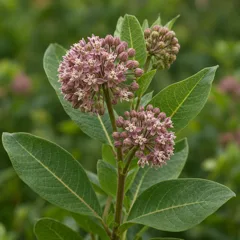

Sow outdoors from about Nov 24, once nights stay mild (around 10°C or more). Frost is over well before that here, but a cold spell sets tender plants back for weeks.
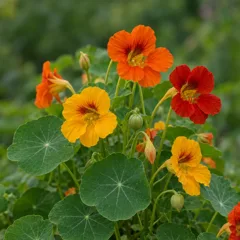
Sow outdoors any time from your last spring frost (about Oct 17) to 3 weeks after it.
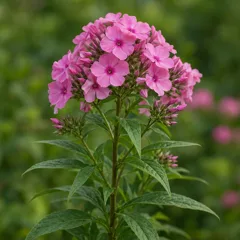

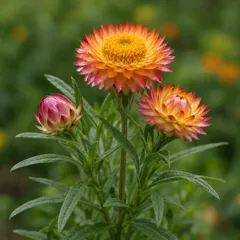
Set out transplants from about Nov 17, once nights stay mild (around 10°C or more). Frost is over well before that here, but a cold spell sets tender plants back for weeks.

Sow outdoors from about Nov 24, once nights stay mild (around 10°C or more). Frost is over well before that here, but a cold spell sets tender plants back for weeks.

Indoors, any month 4
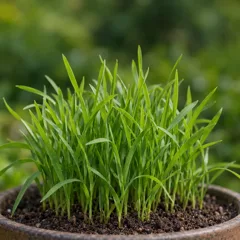
Seed and starter links are affiliate links: buying through them helps keep Evening Vines free.
This list is for most gardens in Tasmania. 33% of postcodes here are milder (mostly near the coast), and 30% are colder, with a later last frost, so type your postcode above for your own dates.
Coming up in December
58 plants go in outdoors in December. 5 of them are new for the month:
Gardening in Tasmania
- Wait for the last frost before planting tender crops: often late October to November, later inland.
- Cool-loving crops do brilliantly: potatoes, brassicas, peas, broad beans, leeks and berries.
- A greenhouse or sheltered sunny wall helps tomatoes and capsicum ripen in cooler summers.
- Wind protection makes a big difference in exposed gardens.
- Last spring frost
- about Aug 21 to Dec 5
- First autumn frost
- about Mar 8 to Jul 9
- Frost-free places
- 1% of postcodes
- Coldest night, typical winter
- -5 to 1°C
- July nights
- average low 4.0°C
- January days
- average high 22.6°C
Figures cover most of the region (the middle 80% of postcodes). SILO daily climate grids (Queensland Government, from Bureau of Meteorology observations), 1995-2024. Frost here means a night of 2°C or less in the screen, the Bureau of Meteorology’s potential-frost mark.
Frost-free season: about Oct 17 to May 7. Green months have something to plant outdoors.
Other regions
- Tropical North frost-free
- Subtropical East (SE Queensland and Northern Rivers) last frost ~Jul 10–Sep 13
- Sydney and the NSW Coast last frost ~Jul 16–Sep 8
- Inland NSW and the ACT last frost ~Sep 12–Nov 4
- Melbourne and Victoria last frost ~Aug 13–Oct 25
- Adelaide and South Australia last frost ~Jul 17–Oct 9
- Perth and the South West last frost ~Jul 8–Oct 6
- The Arid Interior last frost ~Jul 10–Sep 13
Climate figures: SILO, Queensland Government (CC BY 4.0, summarised by Evening Vines). Postcodes: Australian Bureau of Statistics (CC BY 4.0). Sources and licences
