
What to Plant in Sydney, Newcastle & the NSW Coast in November
Coastal NSW, from the Mid North Coast through Sydney to the South Coast, has mild winters with little or no frost near the sea and warm, humid summers. The ranges and tablelands just inland are much colder, so check your own postcode.
Local frost dates: the last spring frost in Sydney and the NSW Coast usually comes between about Jul 16 and Sep 8, and the first autumn frost between May 23 and Jul 9. Type your postcode for your own dates.
Sydney and the NSW Coast · winter low ~3°C · frost-free
Vegetables 20
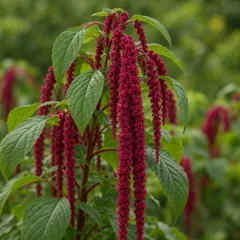
Plant from September to January as the weather warms; summers are long here, so a January planting still has time to crop before autumn.
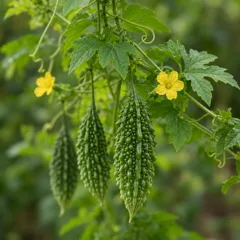
Plant from September to January as the weather warms; summers are long here, so a January planting still has time to crop before autumn.
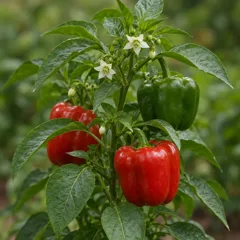
Plant from September to January as the weather warms; summers are long here, so a January planting still has time to crop before autumn.
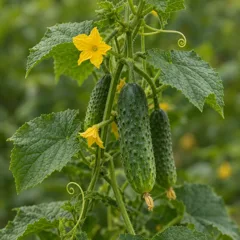
Plant from September to January as the weather warms; summers are long here, so a January planting still has time to crop before autumn.
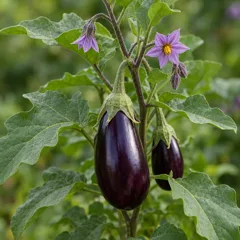
Plant from September to January as the weather warms; summers are long here, so a January planting still has time to crop before autumn.
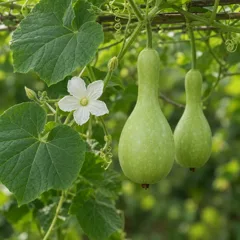
Plant from September to January as the weather warms; summers are long here, so a January planting still has time to crop before autumn.
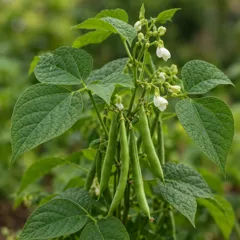
Plant from September to January as the weather warms; summers are long here, so a January planting still has time to crop before autumn.
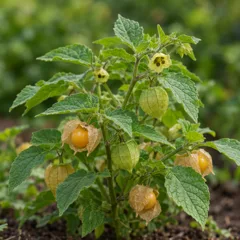
Plant from September to January as the weather warms; summers are long here, so a January planting still has time to crop before autumn.
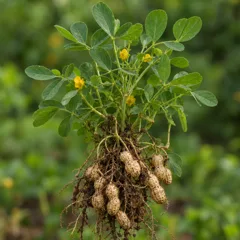
With no frost here, sow raw peanuts outdoors from March to May once the soil is warm, so the crop grows through the long, hot summer. Plant from September to January as the weather warms; summers are long here, so a January planting still has time to crop before autumn.
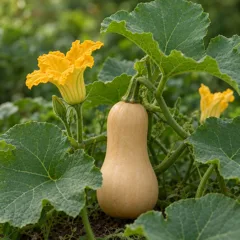
Plant from September to January as the weather warms; summers are long here, so a January planting still has time to crop before autumn.
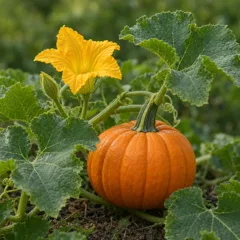
Plant from September to January as the weather warms; summers are long here, so a January planting still has time to crop before autumn.
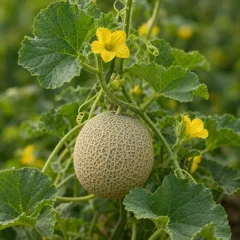
Plant from September to January as the weather warms; summers are long here, so a January planting still has time to crop before autumn.
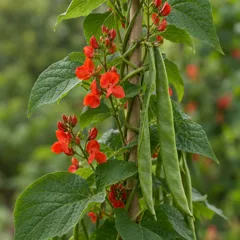
Plant from September to January as the weather warms; summers are long here, so a January planting still has time to crop before autumn.
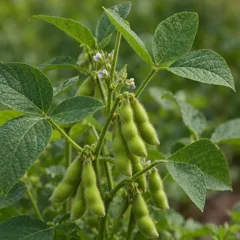
Plant from September to January as the weather warms; summers are long here, so a January planting still has time to crop before autumn.
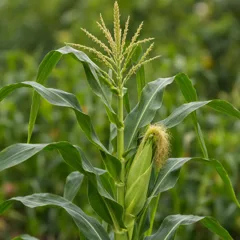
Plant from September to January as the weather warms; summers are long here, so a January planting still has time to crop before autumn.
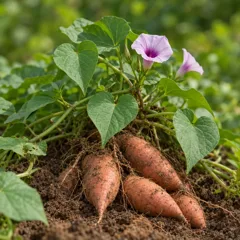
Plant from September to January as the weather warms; summers are long here, so a January planting still has time to crop before autumn.
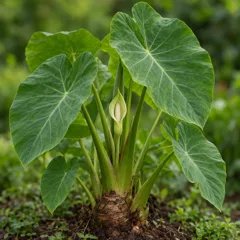
With little or no frost here, plant corms from spring into early summer while the weather is warm and wet. Plant from September to January as the weather warms; summers are long here, so a January planting still has time to crop before autumn.
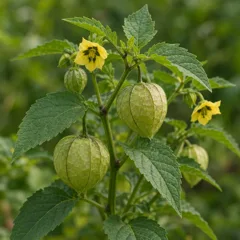
Plant from September to January as the weather warms; summers are long here, so a January planting still has time to crop before autumn.
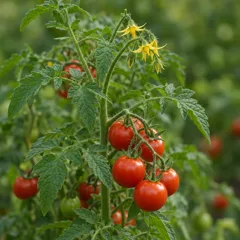
Plant from September to January as the weather warms; summers are long here, so a January planting still has time to crop before autumn.
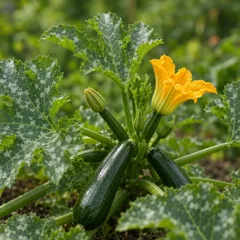
Herbs 8
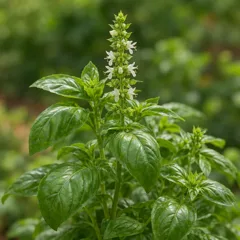
Plant from September to January as the weather warms; summers are long here, so a January planting still has time to crop before autumn.
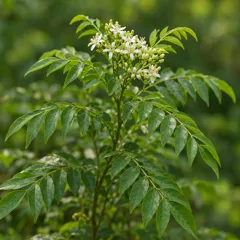
Plant curry leaf from late winter into early summer; it is frost tender and settles in best with warm soil and a long warm season ahead.
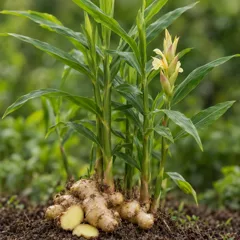
Plant from September to January as the weather warms; summers are long here, so a January planting still has time to crop before autumn.
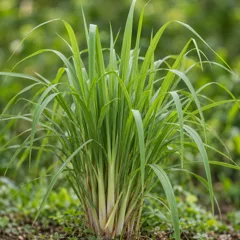
With little or no frost, plant any time from spring into early summer, before the hottest, wettest weather, so the clump settles in fast. Plant from September to January as the weather warms; summers are long here, so a January planting still has time to crop before autumn.
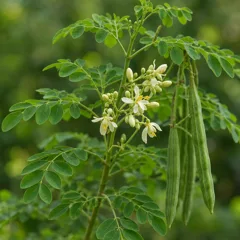
Sow seed outdoors once the soil is warm, from spring into early summer; moringa sprouts and grows fast in heat and needs the warm months to settle in before any cool weather.
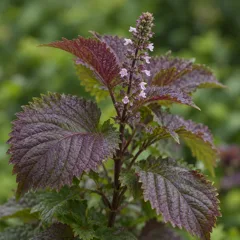
Plant from September to January as the weather warms; summers are long here, so a January planting still has time to crop before autumn.
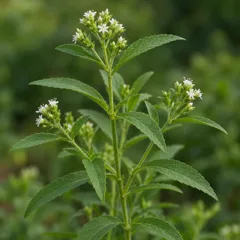
Plant from September to January as the weather warms; summers are long here, so a January planting still has time to crop before autumn.
Fruit 12
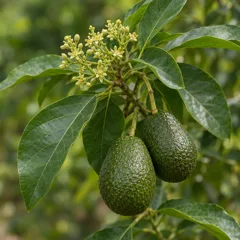
Plant grafted trees in spring to early summer, about a month after the last frost, so they root in through the warm months before the next winter; young avocados are frost tender.
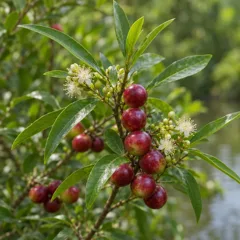
Plant young trees in the warm, wet part of the year; camu camu is strictly tropical and hates cold.
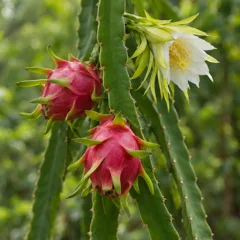
Plant rooted cuttings or potted plants once the weather and soil are warm, from spring into early summer; cuttings root fastest in warm soil.
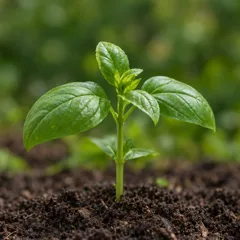
Plant in the warm, rainy months; soursop is frost tender and roots best in warm soil.
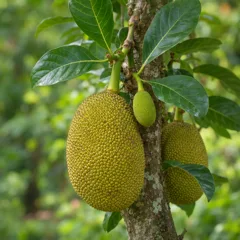
Plant young trees in late spring or early summer, at the start of the warm, wet season, so they root in with months of heat ahead; jackfruit is hurt at freezing.
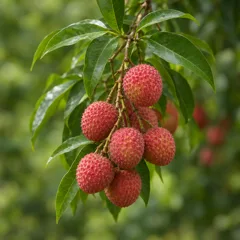
Plant air-layered or grafted trees once nights stay mild, so the brittle roots spread through the warm, wet season before winter.
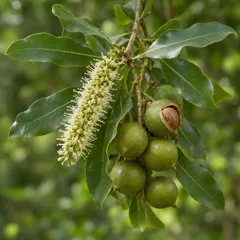
Plant grafted trees in spring once nights stay mild, so the roots settle in through the long warm season before any cold.
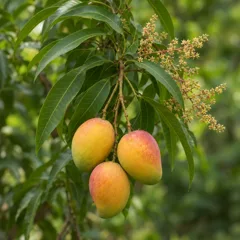
Plant grafted trees in the warm months, from spring into early summer, so roots settle in before the cool season; mangoes are badly hurt by frost.
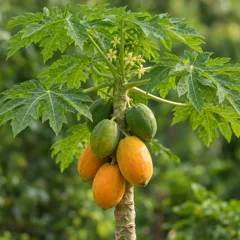
Set out young plants once nights stay warm, so they grow fast through the warm season and flower within months.
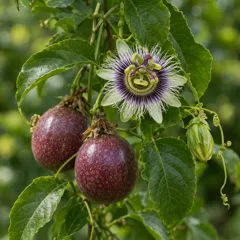
Plant nursery vines once frost is past and the soil is warm, so they climb and root through the warm months before any cool weather.
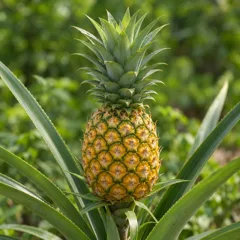
Plant crowns, slips or suckers in spring to early summer, once the weather is reliably warm, so they root well before the cooler months.
Flowers 9
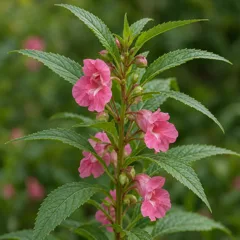
Plant from September to January as the weather warms; summers are long here, so a January planting still has time to crop before autumn.
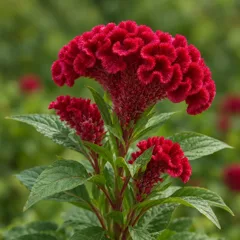
Plant from September to January as the weather warms; summers are long here, so a January planting still has time to crop before autumn.
Plant from September to January as the weather warms; summers are long here, so a January planting still has time to crop before autumn.
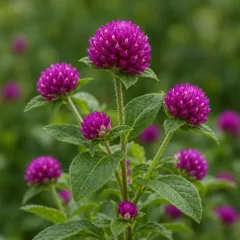
Plant from September to January as the weather warms; summers are long here, so a January planting still has time to crop before autumn.
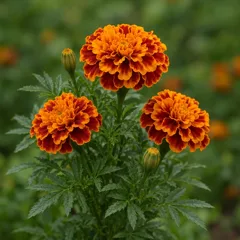
Plant from September to January as the weather warms; summers are long here, so a January planting still has time to crop before autumn.
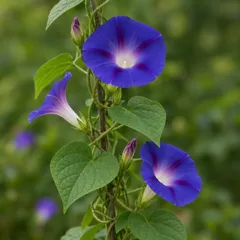
Plant from September to January as the weather warms; summers are long here, so a January planting still has time to crop before autumn.
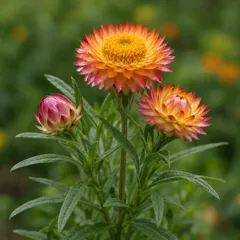
Plant from September to January as the weather warms; summers are long here, so a January planting still has time to crop before autumn.
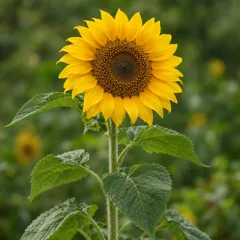
Plant from September to January as the weather warms; summers are long here, so a January planting still has time to crop before autumn.
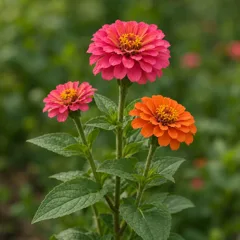
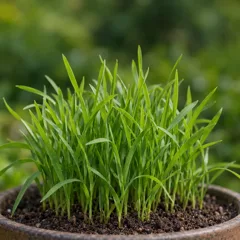
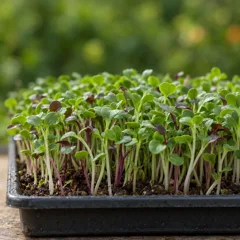
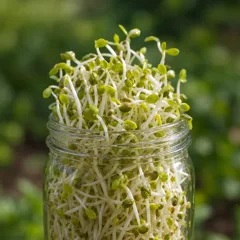
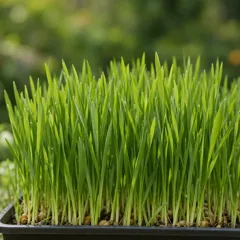
Indoors, any month 4
Seed and starter links are affiliate links: buying through them helps keep Evening Vines free.
This list is for most gardens in Sydney and the NSW Coast. 43% are colder, with a later last frost, so type your postcode above for your own dates.
Coming up in December
43 plants go in outdoors in December. All of them are on this month’s list too, so there is no rush.
Gardening in Sydney and the NSW Coast
- Spring (September to November) and early autumn are the busiest sowing times.
- Most of the year suits leafy greens; give them afternoon shade in summer.
- Tomatoes and capsicum go in from September, once nights stay mild.
- Humid summers bring powdery mildew to zucchini and cucumbers: water the soil, not the leaves.
- Last spring frost
- about Jul 16 to Sep 8
- First autumn frost
- about May 23 to Jul 9
- Frost-free places
- 57% of postcodes
- Coldest night, typical winter
- -1 to 5°C
- July nights
- average low 7.1°C
- January days
- average high 28.4°C
Figures cover most of the region (the middle 80% of postcodes). SILO daily climate grids (Queensland Government, from Bureau of Meteorology observations), 1995-2024. Frost here means a night of 2°C or less in the screen, the Bureau of Meteorology’s potential-frost mark.
Frost-free most years: something can grow outdoors all year. Green months have something to plant outdoors.
Other regions
- Tropical North frost-free
- Subtropical East (SE Queensland and Northern Rivers) last frost ~Jul 10–Sep 13
- Inland NSW and the ACT last frost ~Sep 12–Nov 4
- Melbourne and Victoria last frost ~Aug 13–Oct 25
- Tasmania last frost ~Aug 21–Dec 5
- Adelaide and South Australia last frost ~Jul 17–Oct 9
- Perth and the South West last frost ~Jul 8–Oct 6
- The Arid Interior last frost ~Jul 10–Sep 13
Climate figures: SILO, Queensland Government (CC BY 4.0, summarised by Evening Vines). Postcodes: Australian Bureau of Statistics (CC BY 4.0). Sources and licences
