Powdery Mildew
At a glance
| Type | Fungal |
| Main cause | Many related fungi (e.g. Golovinomyces, Podosphaera, Erysiphe, and Blumeria on barley and wheatgrass), each usually limited to certain plant groups |
| Worst conditions | Warm days, cool nights, high humidity around the leaves but dry leaf surfaces; shade and crowding |
Recent community discussions
No one has talked about Powdery Mildew yet. Be the first.
Signs
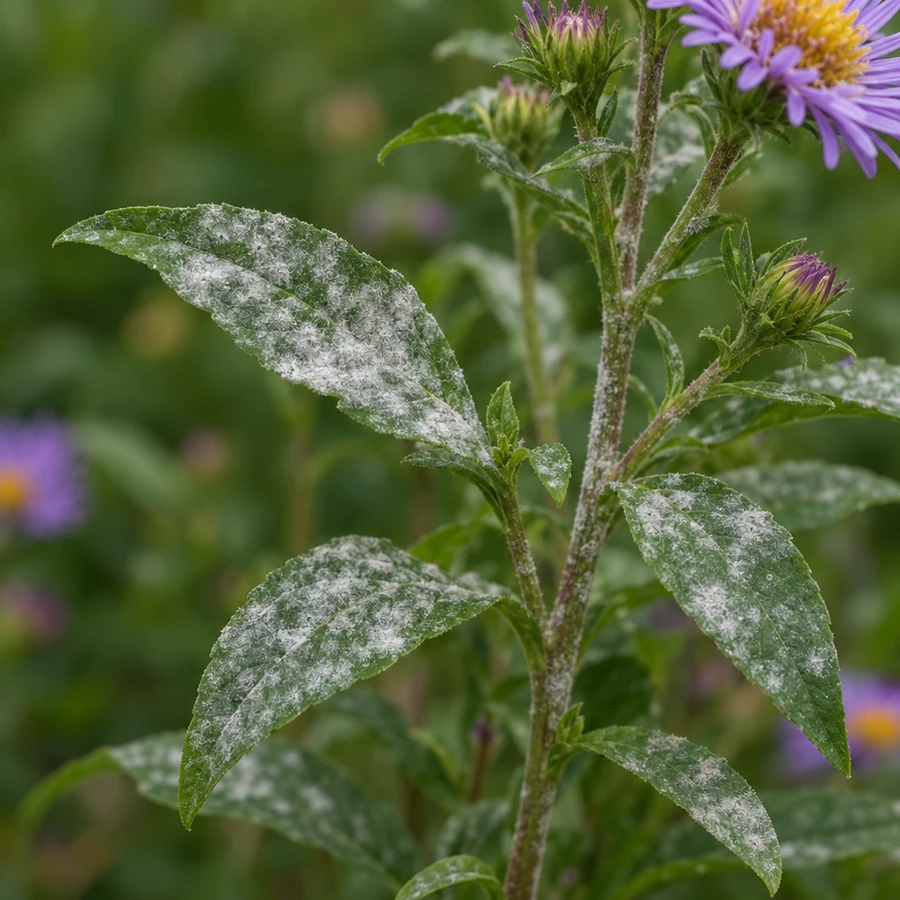
- White to gray powdery spots on the upper side of leaves. They spread and join until the whole leaf looks like it's been wiped with a dusty chalkboard eraser.
- Stems, buds and pods can be coated too.
- Leaves yellow, curl, dry and drop early; plants slow down and yield less.
- Squash fruit isn't infected, and melon and cucumber fruit only now and then. But once the leaves die back, the fruit can get sunburned, ripen unevenly and keep less well (UMN).
- Not sure it's this one? Downy mildew looks different: its fuzz grows mostly on the underside of the leaf, and it likes wet weather.
Cause and Spread
Most leaf diseases need wet leaves to infect, but powdery mildew doesn't. Humid air is enough. Infection is most likely at about 68 to 81°F in humid weather, and new spores form and blow around easily in warm, dry spells (UMN). Real heat above about 90°F and strong sun hold it back (UC IPM). The fungi survive between seasons on plant debris and on perennial plants. On squash and cucumbers it often shows up in midsummer and gets worse as the season goes on. Squash planted late tends to get it worst (Clemson). Flowers like zinnias usually catch it late in the season.
Prevention
- Sow and plant out on time for your area so squash and cucumbers have a head start before mildew weather arrives. Your zone page has the dates, and planting out squash and cucumbers walks you through it.
- Grow in full sun and give plants room for air to move; thin crowded stems on perennials.
- Choose resistant varieties. Many squash, cucumber, melon, pea, zinnia and phlox varieties are labeled as resistant to powdery mildew.
- Water at the soil in dry spells and keep it steady. Plants that keep drying out and recovering are more likely to get it (RHS). A layer of mulch helps hold the moisture.
- Avoid heavy nitrogen feeding, which grows soft, susceptible leaves.
- Clear and bag infected leaves and debris at season's end.
Organic Treatment
- Remove the worst-affected leaves early.
- Sulfur only protects. It keeps clean leaves from being infected, so start at the first spots or before them (UC IPM).
- Horticultural oils allowed in organic growing can knock back light to moderate mildew that's already there, and they protect too (UC IPM).
- Potassium bicarbonate can help early on, but it can scorch leaves. Try it on a few leaves first and don't count on it for a heavy infection.
- Follow the label. Don't use sulfur and oil close together, don't spray either one in hot weather (near 90°F) or on drought-stressed plants, and keep sulfur off sulfur-sensitive plants.
- Leaves that are already badly damaged won't recover. Spraying is about saving the green growth that's left.
- More on getting through the season: powdery mildew in late summer.
When to Pull the Plant
Powdery mildew rarely kills plants quickly. Keep plants producing and remove bad leaves. Pull annuals at the end of the season, or earlier if they stop producing, and bag them rather than composting.
Sources
- University of Minnesota Extension, Powdery mildew of cucurbits: https://extension.umn.edu/disease-management/powdery-mildew-cucurbits
- UC IPM, Powdery mildew on vegetables: https://ipm.ucanr.edu/home-and-landscape/powdery-mildew-on-vegetables/
- RHS, Powdery mildews: https://www.rhs.org.uk/disease/powdery-mildews
- Clemson HGIC, Cucumber, squash, melon and other cucurbit diseases: https://hgic.clemson.edu/factsheet/cucumber-squash-melon-other-cucurbit-diseases/
- Penn State Extension, Zinnia diseases: https://extension.psu.edu/zinnia-diseases
- University of Minnesota Extension, Zinnia leaf spots and powdery mildew: https://apps.extension.umn.edu/garden/diagnose/plant/annualperennial/zinnia/leavesblotchesorspots.html
- UConn Extension, Key diseases of key ornamental plants (2020): https://ipm-cahnr.media.uconn.edu/wp-content/uploads/sites/3216/2022/12/2020keydiseasesfinal.pdf
- NDSU Pea Disease Diagnostic Series: https://www.ag.ndsu.edu/publications/crops/pea-disease-diagnostic-series/
Plants it affects 51
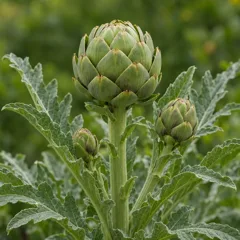 Artichoke
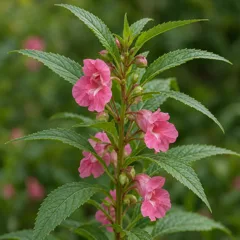 Balsam
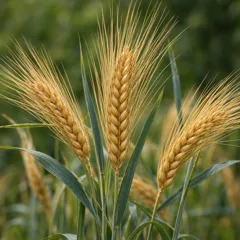 Barley
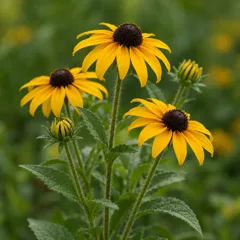 Black-Eyed Susan
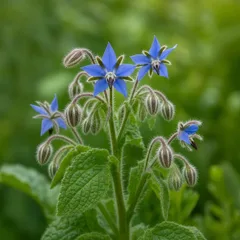 Borage
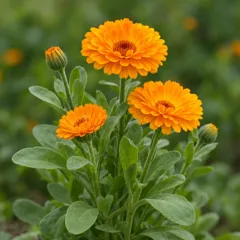 Calendula
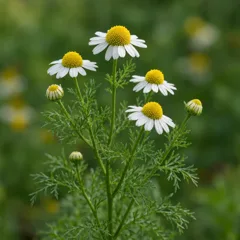 Chamomile
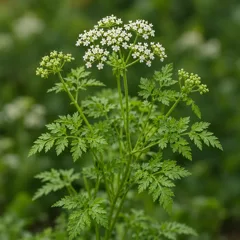 Chervil
 Cilantro
 Columbine
 Coreopsis
 Cucumber
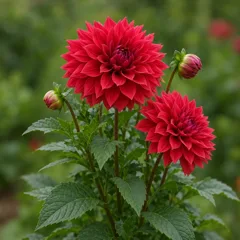 Dahlia
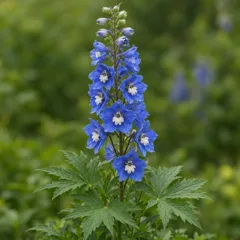 Delphiniums
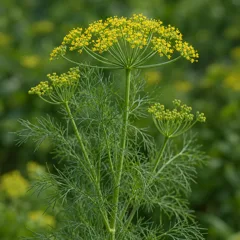 Dill
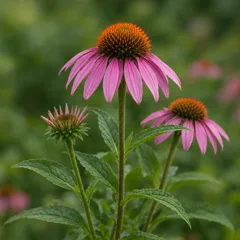 Echinacea
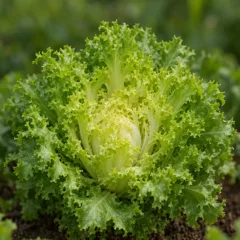 Endive
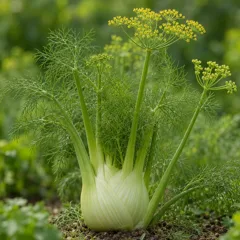 Fennel
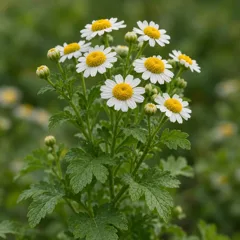 Feverfew
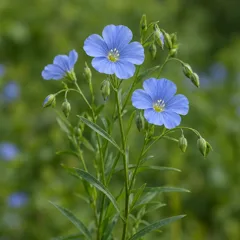 Flax
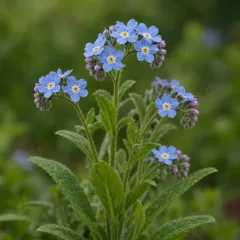 Forget-Me-Nots
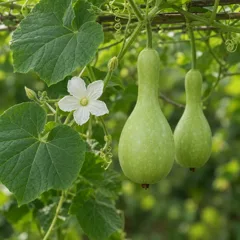 Gourds
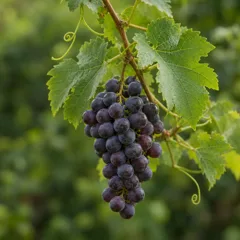 Grapes
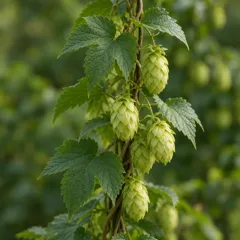 Hops
 Larkspurs
 Lemon Balm
 Lupine
 Mint
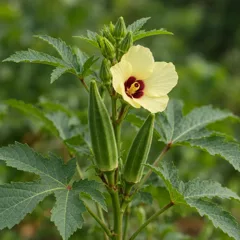 Okra
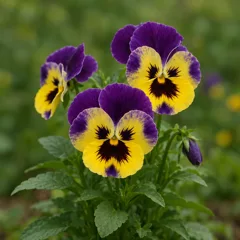 Pansy
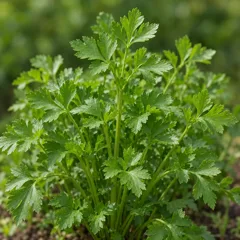 Parsley
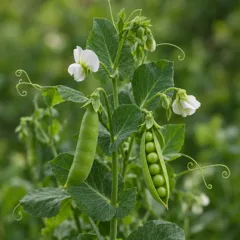 Peas
 Petunias
 Poppies
 Pumpkins
 Radicchio
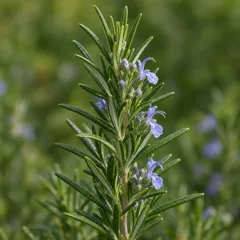 Rosemary
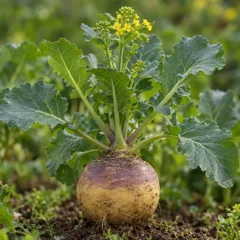 Rutabaga
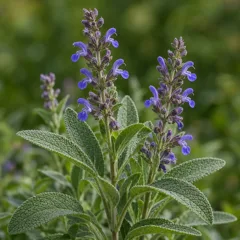 Sage
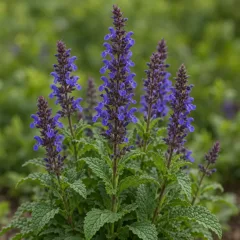 Salvia
 Scabiosa
 Snapdragons
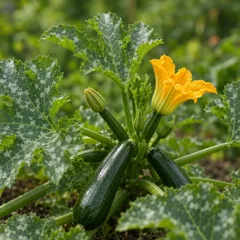 Summer Squash
 Sweet Peas
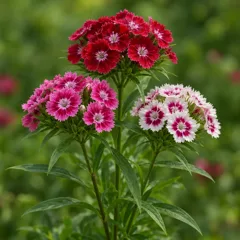 Sweet William
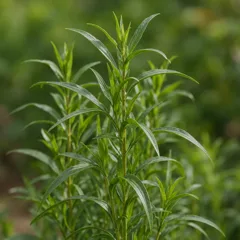 Tarragon
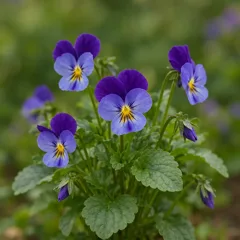 Viola
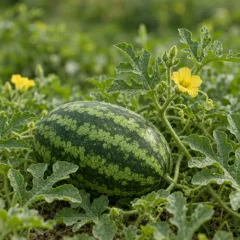 Watermelon
 Wheatgrass
 Winter Squash
 Zinnias
Recent community discussions
No one has talked about Powdery Mildew yet. Be the first.