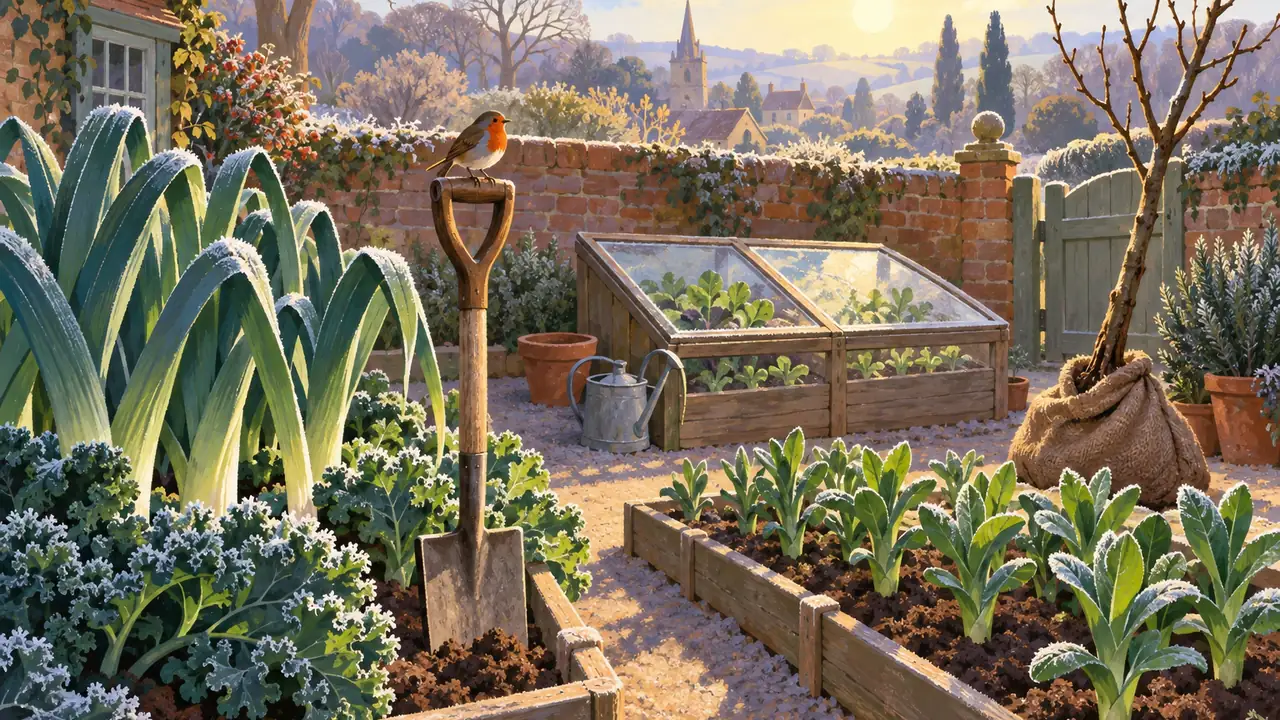
Short days, wet soil and frost on the car. But a British or Irish garden isn't finished in December. A handful of hardy crops go in now, and the jobs you do this winter decide how fast you get going in spring.
Across most of lowland Britain, December nights average around 1 to 3°C, and Ireland and the western coasts are a little milder (Met Office and Met Éireann long-term averages). Frost is rarely the real problem. Wet is. Waterlogged soil rots seeds and young root systems, so everything below comes with a plan B for heavy, soggy ground.
Grow these now
1. Garlic
Garlic needs a spell of cold, a month or two below about 10°C, to split into separate cloves, and a winter in the ground gives it exactly that. Plant cloves pointed end up with the tip about 2.5 cm below the surface, 15 cm apart, in rows 30 cm apart. Pick the biggest cloves: a big clove makes a big bulb. On heavy clay, push each clove into a module tray of compost, keep it in a cold frame or unheated greenhouse, and plant out in early spring.
2. Broad beans
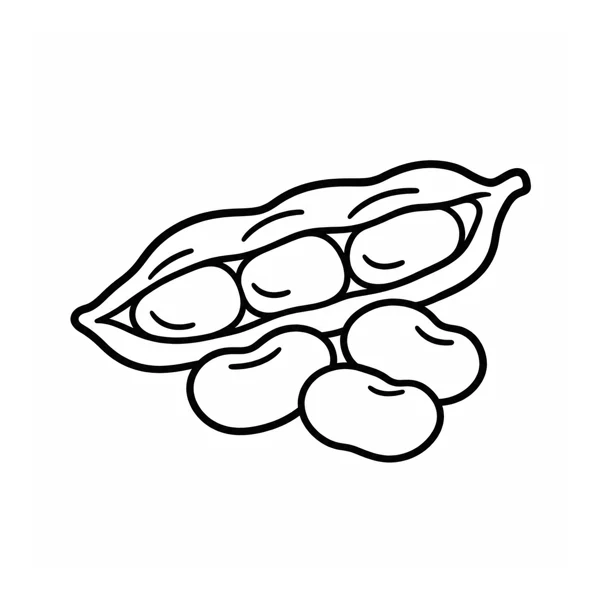
Autumn and early-winter sowings crop weeks ahead of spring ones, often in late May or June, and they tend to dodge the worst of the blackfly. Choose a hardy variety bred for autumn sowing such as 'Aquadulce Claudia'. Sow 5 cm deep and 20 cm apart in a sheltered, well-drained spot. If your ground is already sodden, sow them in deep pots or root trainers in a cold greenhouse and plant out in late winter.
3. Onion and shallot sets
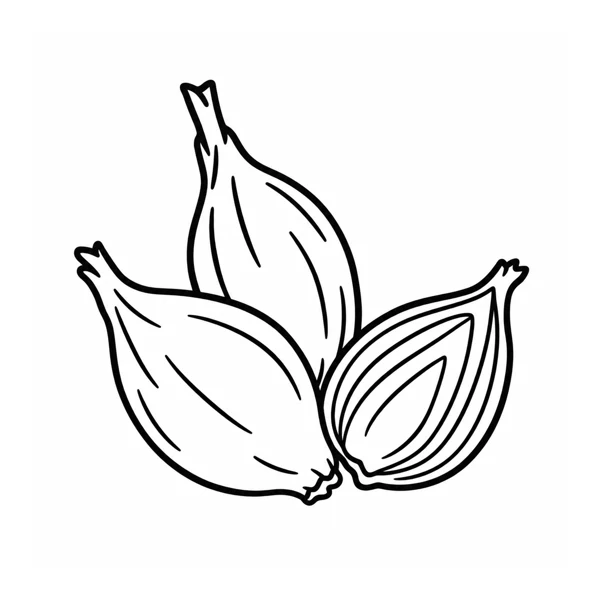
Overwintering onion sets (look for "autumn planting" on the bag) and shallots go in now. Plant them 10 cm apart with just the tip showing. Birds love to pull them up, so throw a layer of fleece or netting over the bed for the first few weeks until they root. The old saying is to plant shallots on the shortest day and lift them on the longest.
4. Fruit trees and fruit bushes
From November to March, while plants are dormant, nurseries sell fruit trees, currants, gooseberries and raspberry canes bare-root: cheaper than pots, with a bigger choice. Plant any day the soil isn't frozen or waterlogged. Soak the root system in a bucket for an hour, plant at the same depth as before (look for the soil mark on the stem), firm in well and stake trees against winter winds.
5. Rhubarb
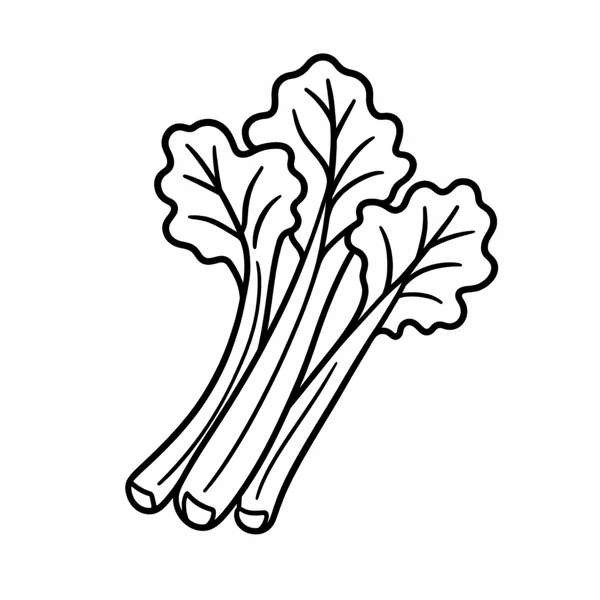
Rhubarb crowns are planted while dormant too. Give each one a sunny or lightly shaded spot with plenty of well-rotted manure or compost dug in, and set the crown bud at soil level (just above it on wet soil). Leave it unpicked for the first year and it will crop for ten or more.
6. Pea shoots and microgreens on the windowsill
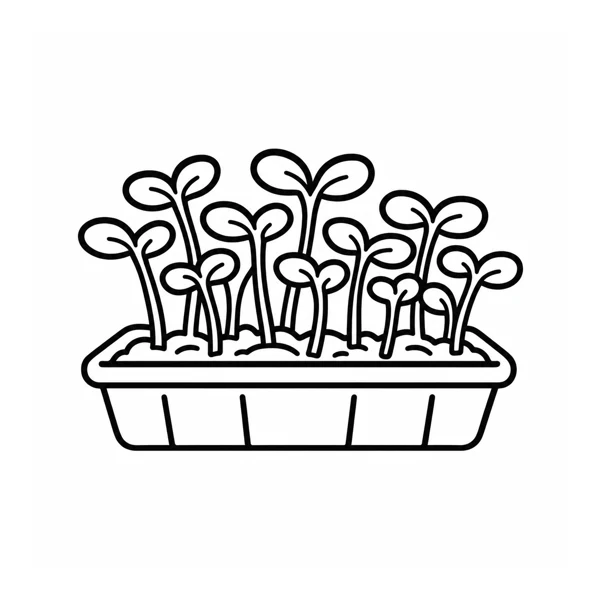
For something to eat this month, sow pea shoots, cress, mustard or radish microgreens in a shallow tray of compost on a bright windowsill at normal room temperature, 15 to 20°C. You'll be cutting them in two to three weeks, and you can keep a new tray going every fortnight right through to spring.
Harvest now
Leeks, parsnips, Brussels sprouts, kale, winter cabbage and celeriac all stand happily in the ground. Parsnips and sprouts taste sweeter after a few frosts. Lift what you need on dry days, and if a hard freeze is forecast, dig a few days' worth of parsnips before the ground locks up.
Get ready for spring
- Order seed and seed potatoes now. Popular varieties sell out by February. Chit first early potatoes from late January in a cool, bright, frost-free room, ready for planting in March. In mild parts of Ireland, St Patrick's Day is the traditional date.
- Plan your January sowings. Onions from seed, chillies and aubergines need a long season, so they're started indoors in a heated propagator in January and February. Sweet peas can be sown in a cool greenhouse in January if you missed the autumn sowing.
- Feed the soil, don't dig it. Spread 5 cm of compost or well-rotted manure over empty beds. The worms pull it down over winter and the soil is crumbly by spring. Two weeks before your first spring sowings, cover a bed with a cloche or sheet to dry and warm it.
- Stay off wet soil. If it sticks to your boots, it's too wet to work. Lay down planks to walk on so you don't squash the structure out of it.
- Keep fleece handy. On nights forecast below 0°C, a layer of horticultural fleece over winter salads and young plants buys you a couple of degrees. Net brassicas against pigeons.
- Clean pots and seed trays in a dry spell so they're ready to go, and check stored onions, squash and potatoes for anything going soft.
- Wait for the warm crops. Courgettes, tomatoes, French beans and sweetcorn can't take frost. Sow them indoors in April and plant out after your last frost, around mid-May in much of southern England and Ireland, later in the north and in Scotland. Enter your postcode or Irish county at the top of this page for your own frost dates.
Sources: the Royal Horticultural Society (RHS) grow-your-own guides, Teagasc horticulture advice, and Met Office and Met Éireann climate averages. Written in our own words.