
Artichoke
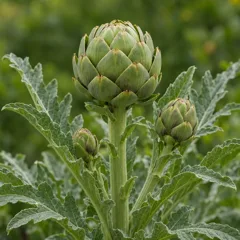
You don't need a California coast to cut your own artichokes. The trick for cold-winter gardens is a few weeks of cool nights while the plants are young. Give seedlings that chill and an annual type like Imperial Star will bud in its first summer, even where the ground freezes solid in winter. The rest of this page is built around that.
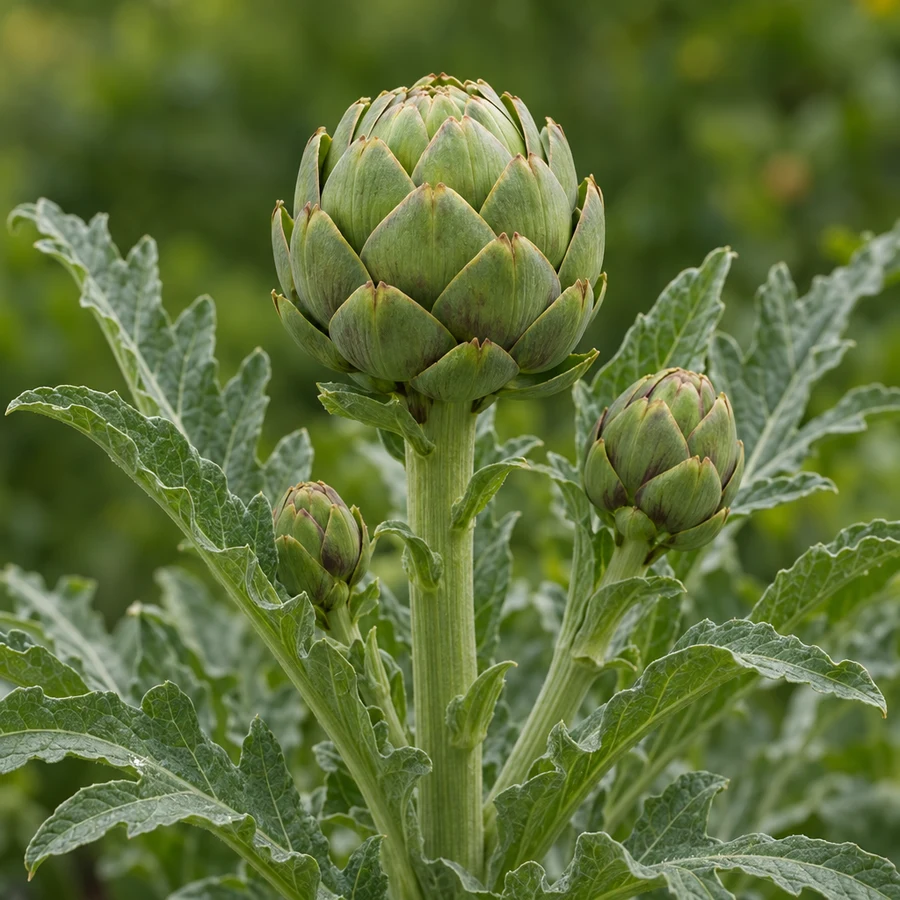
The plants are big, silvery and sculptural, 3 to 4 feet tall and wide. What we eat is the flower bud, picked before it opens into a purple thistle bloom. A healthy plant sends up several buds a season, the biggest on the center stalk first. Where winters are mild they come back for years; everywhere else, treat them as a one-summer crop and start seed early.
Recent community discussions
No one has talked about Artichoke yet. Be the first.
At a glance
| Plant type | Edible thistle, grown for its flower bud |
| Botanical name | Cynara cardunculus var. scolymus |
| Annual or perennial | Perennial in zones 7 to 11; grown as an annual elsewhere |
| Sun | Full sun |
| Water | Regular and deep |
| Spacing | 3 to 4 feet |
| Planting depth | 1/4 inch for seed |
| Days to germinate | 7 to 21 |
| Days to maturity | About 75 to 90 days from transplant for annual types |
| Best USDA zones | 7 to 11 (zone 6 with heavy winter protection) |
| Soil pH | 6.5 to 7.5 |
Is it artichoke weather where you are? See everything to plant this month or read your zone notes.

Sow indoors 8–10 weeks before last frost. Transplant outdoors after frost danger has passed. In mild zones, sow in fall for spring harvest.

Crowns 90–120 days; seed 150–180 days (start indoors 8–12 weeks early); faster, heavier yields in following years.

Zones 7–11, May?July; harvest buds when tight before bracts open.

Deep, fertile clay loam soil, pH 6.5–7.5. Needs high organic matter for large buds.
Pests to watch for




A little history
Artichokes are a cultivated form of the cardoon, a wild thistle of the Mediterranean. When Greek and Roman writers describe eating a thistle, it was most likely the cardoon. The artichoke as we know it, with its fat, tender bud, was developed later in the Mediterranean region.
In California, Italian farmers started growing artichokes commercially around Half Moon Bay in the late 1880s and 1890s. The Castroville area, now famous for them, came later: the first trial field there went in in 1922, and commercial growing took off from about 1924. Almost all of the artichokes grown in the US still come from California.
When to sow in your zone
Where winters freeze (annual growing): Start seed indoors 8 to 12 weeks before your last frost. (Not sure of your date? See count back from last frost.) Once the seedlings have 4 to 6 true leaves, they need a chill before they'll bud that year: at least 10 days, and better 2 to 3 weeks, at 35 to 50°F, never freezing. Most gardeners get this by setting plants out around the last frost while nights are still cool, with row cover handy for any night forecast below 35°F. A run of days above about 80°F soon after can undo the chill, so don't hold them back until summer.
Where winters are mild (zones 8 to 11): Plant divisions or transplants in fall, and they'll grow through winter and bud in spring. In the mildest areas you can also start seed in late summer.
When to plant artichokes in your zone:
- Zones 3 to 6: Seed indoors in late winter, transplant after the last frost, grow as an annual.
- Zone 7: Grow as an annual, or try keeping plants over winter under a thick straw mulch.
- Zones 8 to 11: Plant in fall for a spring crop; plants can last for years.
Look up your frost dates and full planting list on the zones page.
Growing it, step by step
Getting seed going
Sow seed 1/4 inch deep in cell trays at about 70°F and keep it evenly moist. Grow the seedlings under bright light and pot them up once into deeper pots. Toughen them up gradually before they go outside; hardening off seedlings walks through it.
Into the bed
Artichokes want deep, fertile, well-drained loam. Heavy clay that stays wet will rot the crowns, so on clay, build a raised bed or a broad mound with lots of compost. Pick a spot in full sun, out of strong wind, and set plants with the crown at soil level, 3 to 4 feet apart.
Water
These are thirsty plants. Water deeply every week, and more in hot weather. A dry spell gives you small, tough buds.
Mulch
Spread 2 to 3 inches of mulch to hold moisture and keep the roots cool, but keep it pulled back from the crown itself. In zones 6 and 7, cut the stalks back in late fall and pile straw or leaves over the crown for winter.
Feeding
Artichokes are heavy feeders. Work compost in at planting, then side-dress with a balanced organic fertilizer in spring and again midseason.
Keeping it happy
Once a stalk has given its last bud and turned brown, cut it to the ground. In mild zones new shoots come back from the crown. Divide perennial plants every 3 to 4 years to keep them productive. Weed regularly, and keep wet mulch off the crown, because it invites rot.
Trouble in the bed
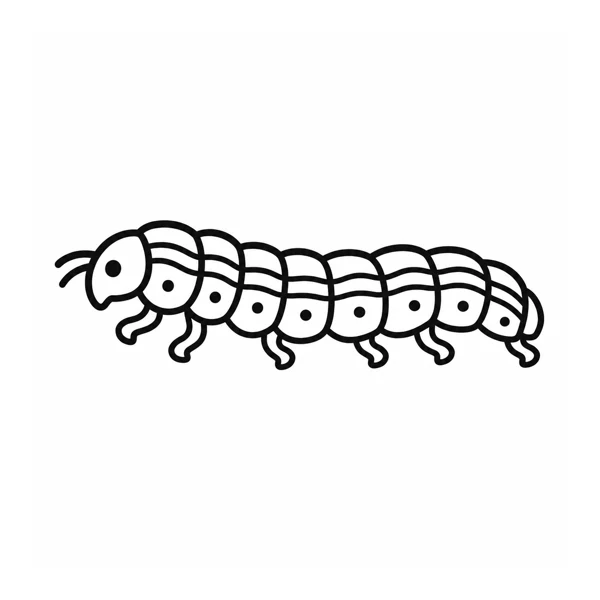
- Aphids: Hose them off or use insecticidal soap. Ladybugs help.
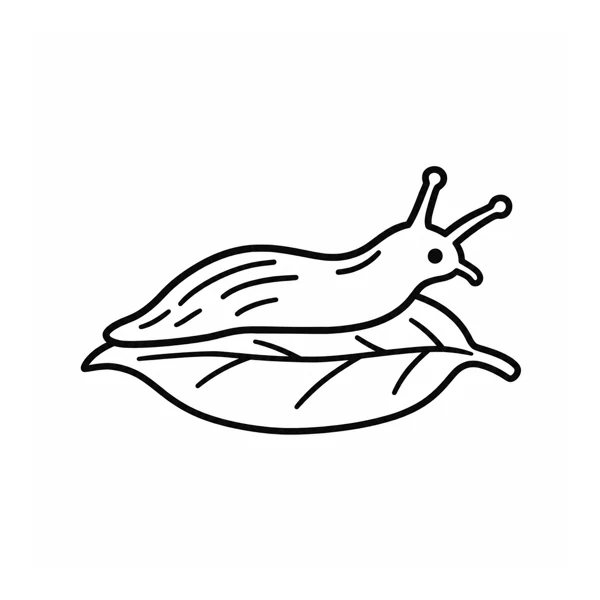
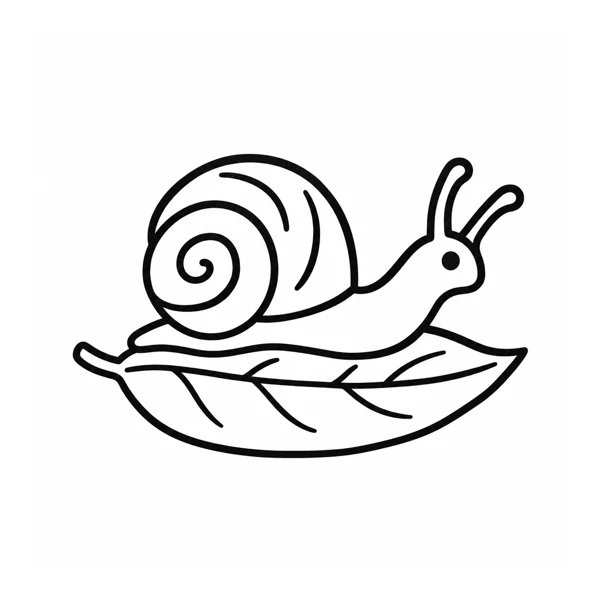
- Slugs and snails: Hand-pick at dusk, set beer traps, or use iron phosphate bait.
- Artichoke plume moth (mainly on the West Coast): Cut out infested buds and bag them.
- Gophers and voles: Plant in wire baskets where they're a problem.
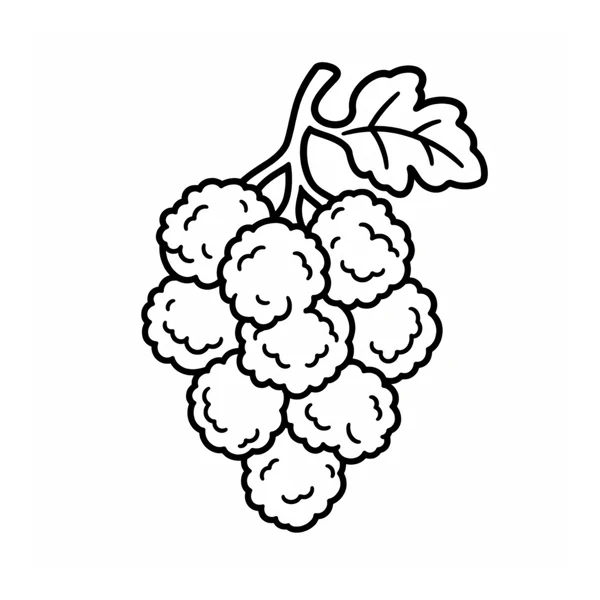
- Botrytis (gray mold): Improve airflow and remove damaged parts.
- Powdery mildew: Pale patches on older leaves, often with powdery growth underneath, late in the season. Remove the worst leaves and give plants room. More in powdery mildew in late summer.
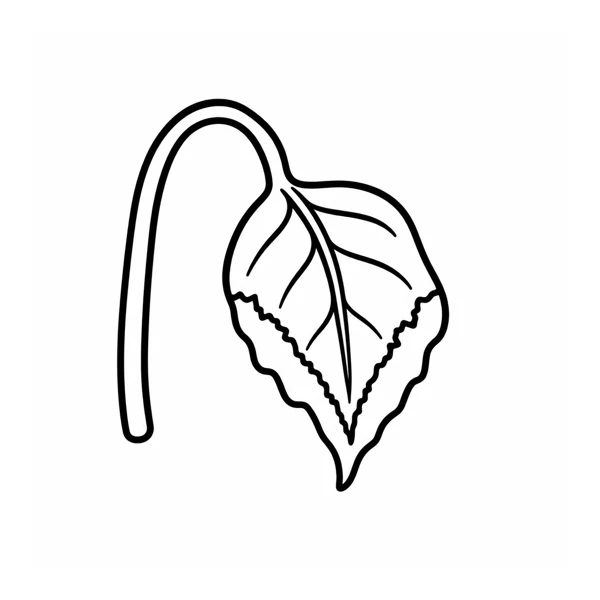
- Verticillium wilt: Leaves yellow and wilt from the bottom up and plants decline. There's no cure: pull affected plants and grow artichokes somewhere else.
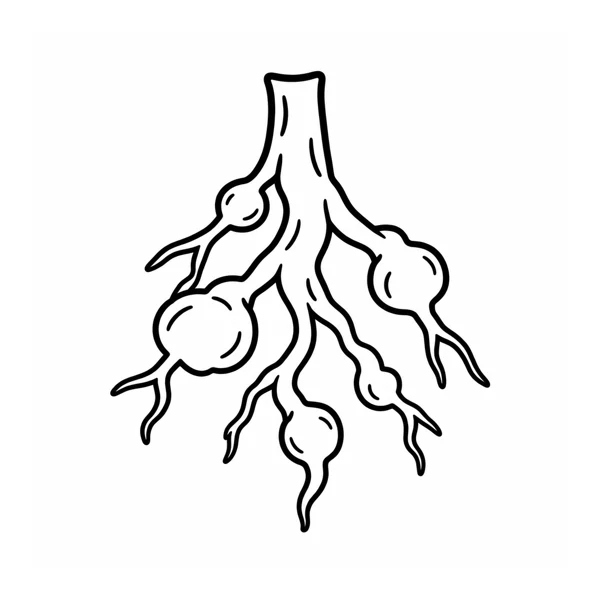
- Crown rot: Plant in well-drained soil and keep mulch off the crown.
Good neighbors




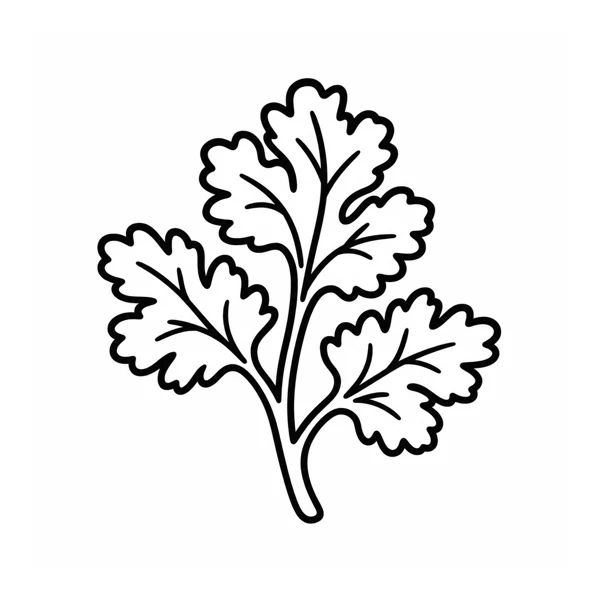


Good: Quick, low crops such as lettuce, spinach, radishes, cilantro and peas can fill the bare ground between young artichokes for their first couple of months. Harvest or pull them before the artichoke leaves spread over them.
Avoid: Crowding artichokes with other big, hungry crops.
Seeds that grow well in your area in November
Affiliate links — shopping through these helps keep Evening Vines free. Smooth Blue Aster
 Polka Dot Mix
 Black-Eyed SusanSeeds
 ColumbineSeeds
Varieties worth growing
- Imperial Star: Bred to bud in its first year, so it's the usual pick for colder zones.
- Tavor: An improved Imperial Star type with minimal spines, which makes picking easier.
- Green Globe: The classic large green type, best where it can grow as a perennial. Seeds
- Colorado Star: Purple buds, grown as an annual.
- Violetto: An Italian purple type with smaller, tender buds.
- Big Heart: A thornless type with large buds.
Artichoke seeds to buy
Affiliate links — shopping through these helps keep Evening Vines free.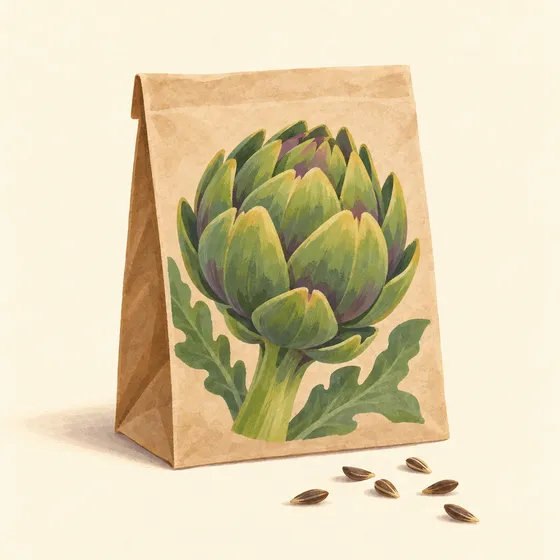 Green Globe
Picking notes
Cut buds when they're plump and the scales are still tight, before they start to open. Use a sharp knife and take 1 to 2 inches of stem. Take the center bud first; the side buds follow and are smaller. Once a bud opens, the bloom is lovely but it's past eating.
On the California coast, the main picking runs from about March to May, with a smaller crop in fall. Annual plants in cold zones are usually picked from about mid-August into early October.
Saving seed for next year
Artichokes cross-pollinate, and seedlings vary a lot, even from open-pollinated varieties like Imperial Star and Green Globe. To keep a plant you love, divide off its side shoots instead. If you want seed anyway, let one bud flower and dry on the plant, then collect the seed from the dried thistle head. See saving seeds from your garden for drying and storing.
From garden to table
By USDA figures, a medium cooked artichoke gives you around 7 grams of fiber, plus folate and vitamin K, and a smaller amount of vitamin C. Steam whole buds, then scrape the tender base of each scale with your teeth and finish with the heart. Hearts can be grilled, marinated or tossed into pasta. In the garden, the silvery leaves and purple blooms earn a place at the back of a big border.
Questions from the potting bench
From the notebook: no buds by late summer. Usually the chill was missed (plants went out late, or a hot spell undid it) or a variety needing a second year was grown as an annual. Next year, grow Imperial Star or Tavor and set plants out while nights are still cool.
From the notebook: getting through winter. Zones 7 to 11 usually pull through, especially with a straw mulch over the cut-back crown. Colder than that, start fresh plants from seed each year.
From the notebook: how long one plant keeps going. In a mild climate, dividing every few years keeps a plant producing for 5 years or more.
Grower reports
How did Artichoke do in your garden? Members rate it and say which zone and month they planted, so everyone can see what works near them.
Recent community discussions
No one has talked about Artichoke yet. Be the first.
Seeds to try
Affiliate links — shopping through these helps keep Evening Vines free.Essentials for Growing Artichoke
 Grow Bags
Breathable fabric pots: grow almost anything on a patio, balcony or driveway, and roots never circle.
See it →
 Seed Starting Tray
Reusable tray with a clear dome to give seeds a warm, humid start indoors.
See it →
 Garden Hand Tools
Trowel, transplanter and cultivator: the three tools you reach for most.
See it →
 Organic Fertilizer
Slow-release organic plant food for vegetable beds and containers.
See it →
 Watering Can
Long-spout can for gentle watering of seedlings and pots.
See it →
 Pruning Shears
Sharp bypass pruners for harvesting, deadheading and tidying.
See it →
