
Aster
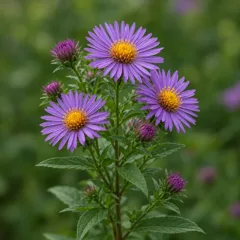
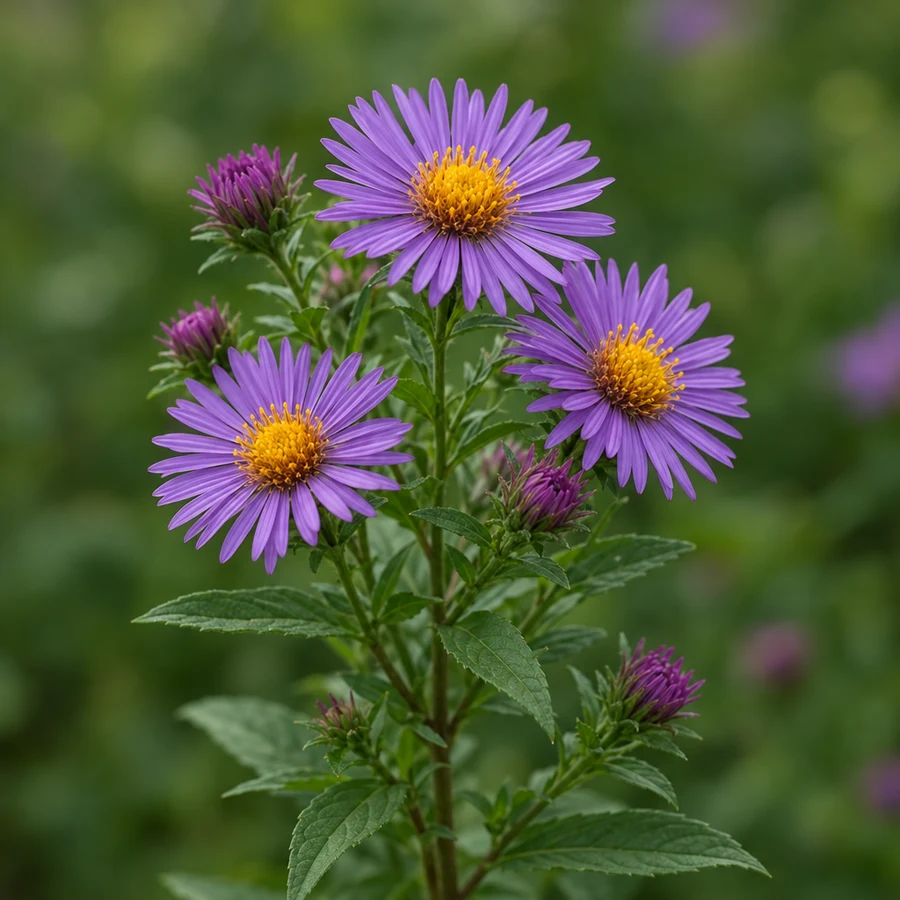
A note from the October bed: the tomatoes are pulled, the zinnias went black on the first cold night, and one clump is still humming. On a sunny afternoon the New England asters can have a bumblebee on every other flower, and now and then a monarch drops in to fuel up on its way south. That late nectar is the best reason to grow them. When almost nothing else in the garden is open, a patch of asters keeps the bees and butterflies fed.
The flowers are small, yellow-eyed daisies held in loose sprays, in violet, lavender, blue, rose, pink or white. Plants run from tidy 18-inch mounds to back-of-the-border clumps as tall as a person, so read the label before you pick a spot. Once they settle in, they ask for very little and widen a bit each year.
This page covers the perennial native asters. China aster (Callistephus chinensis) is a different annual flower with its own needs.
Recent community discussions
No one has talked about Aster yet. Be the first.
At a glance
| Plant type | Late-season flowering perennial |
| Botanical name | Symphyotrichum (formerly Aster); New England aster is S. novae-angliae |
| Annual or perennial | Perennial (China aster, Callistephus, is a separate annual) |
| Sun | Full sun |
| Water | Moderate; likes even moisture |
| Spacing | 18 to 24 inches |
| Planting depth | Surface sow; barely cover |
| Days to germinate | 14 to 28 |
| Days to maturity | Often blooms in its second year from seed |
| Best USDA zones | 3 to 8 for New England aster; varies by species |
| Soil pH | 6.0 to 7.0 |
Is it aster weather where you are? See everything to plant this month or read your zone notes.

Spring or early fall. Indoors: sow 6–8 weeks before last frost. Outdoors: direct sow after frost. Fall: sow late summer in warm zones.

Germinates in 10–20 days; matures in 80–120 days.

Zones 3–8, July?October; Zones 9–11, September?November; indoors year-round.

Well-drained sandy loam, slightly acidic to neutral (pH 5.8–7.0). Compost improves blooms.
Pests to watch for




Diseases

A little history
Many asters are native to North America. The name comes from the Greek word for star. Botanists have moved most North American asters into the genus Symphyotrichum, though nurseries still sell them as Aster. European gardeners bred North American asters into garden favorites, including the Michaelmas daisies.
When to sow in your zone
Fall: In zones 3 to 8, the easy way is to sow outdoors in late fall and let winter do the chilling for you. The seed sits cold and damp all winter and sprouts when the soil warms.
Spring: Sow indoors 6 to 8 weeks before the last frost, or outdoors around the last frost date. Many native asters sprout better after a cold spell, so mix the seed with a little moist sand and keep it in the fridge for 4 to 8 weeks first. In mild-winter areas, the fridge is the only chill your seed will get.
Plants: Nursery plants and divisions can go in during early fall or spring.
Growing it, step by step
Sowing indoors
Press the seed onto the surface of moist seed-starting mix and leave it uncovered or only dusted over, because it needs light to sprout. Keep it at 65 to 75°F. The seedlings sulk for a few weeks before they get going. Pot them up once and harden them off before they go outside.
Setting plants out
Pick a sunny spot with soil that drains well. Leave 18 to 24 inches between plants so air can move through the leaves, then soak them in.
Water and mulch
Water regularly through the first season while the roots spread. Older clumps can ride out a short dry spell, but a long drought stresses them and leaves them open to mildew. By midsummer, tuck shredded leaves or bark around the clump, an inch or two deep, to hold moisture through August. Leave a gap around the stems.
Feeding
Lean to average soil suits asters. If the bed already gets compost for other plants, they won't need anything more. Rich feeding only gives you soft, leggy stems that lean over by September.
Keeping it happy
For shorter, sturdier plants with more flowers, cut the stems back by about half sometime in June, and no later than early July. Pinching the tips of tall types does a similar job. The very tallest kinds may still want a stake or a neighbor to lean on.
Every few years, usually every 2 to 4, the middle of a clump goes thin and woody. In early spring, lift it, keep the lively pieces from the outside edge, replant them, and compost the tired center. Do it sooner if the middle dies out.
After a hard frost you can cut the stems down, or leave the seed heads standing for the birds and tidy up in spring.
Trouble in the bed
- Powdery mildew: The most common aster problem, worst on New England asters in dry late summers. Space plants well, water the soil rather than the leaves, and grow resistant kinds.
- Leaf spot: Brown or black spots on the lower leaves. Pick off spotted leaves and clear fallen ones in fall.
- Rust: Orange pustules under the leaves. Remove affected leaves and clean up debris in fall.
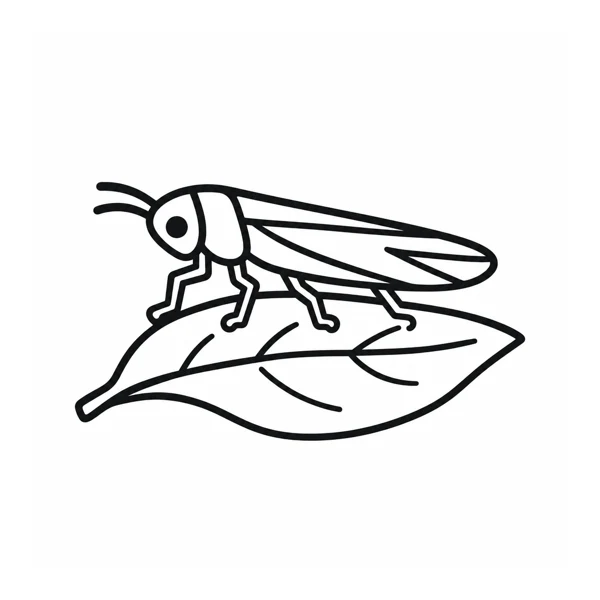
- Aster yellows: Spread by leafhoppers; flowers turn green and twisted. There's no cure, so pull and destroy infected plants (don't compost them).
- Fusarium wilt: Stems wilt and die back. Remove affected plants and don't replant asters in that spot.
- Lace bugs and aphids: Knock them off with a strong spray of water, or use insecticidal soap. Clearing leaf litter in fall helps with lace bugs.
- Slugs and snails: They chew young spring shoots. Check at dusk and pick them off.
- Rabbits and deer: Both nibble the new growth. Use fencing or a repellent spray.
Good neighbors








Good: Goldenrod, ornamental grasses, coneflower, sedum, black-eyed Susan, and mums. They like the same sun and soil, and together they carry the bed from late summer into fall.
Avoid: Plants that need dry soil, and aggressive spreaders that will crowd them.
Seeds that grow well in your area in November
Affiliate links — shopping through these helps keep Evening Vines free. Polka Dot Mix
 Black-Eyed SusanSeeds
 ColumbineSeeds
 Moonbeam
Varieties worth growing
- Purple Dome: A compact New England aster, 18 to 24 inches tall, covered in deep purple blooms.
- Alma Pötschke: A tall New England aster with bright salmon-pink flowers.
- October Skies: An aromatic aster with sky-blue flowers on a short, tidy mound.
- Raydon's Favorite: An aromatic aster with lavender to blue-violet flowers. Aromatic asters have rated well for mildew resistance in trials.
- Mönch: A long-blooming lavender-blue hybrid for zones 5 to 8.
- Wood's series: Compact, mildew-resistant plants in several colors.
Aster seeds to buy
Affiliate links — shopping through these helps keep Evening Vines free. AsterSeeds
Picking notes
Asters make good cut flowers. Cut stems in the morning once several flowers on the stem are open. Strip the leaves below the water line and stand the stems in cool water. They last about a week in a vase.
Saving seed for next year
Let the flowers dry on the plant until the seed heads turn fluffy and gray. Collect them on a dry day and rub them apart in a paper bag. Store the seed cool and dry. Native species come true from seed, but garden hybrids may not.
From garden to table
Not a food plant. Grow asters for fall color, for cutting, and for the bees, butterflies and seed-eating birds that visit them. They suit cottage beds, native plantings and pollinator corners.
Questions from the potting bench
When do asters bloom? From late summer through fall, often into October and past the first light frosts.
Why are my asters leggy? Too much shade, too much fertilizer, or no early-summer cutback. Give them full sun and cut them back by half in June.
Will asters spread? Many form slowly widening clumps, and some self-sow. Divide them every few years.
Grower reports
How did Aster do in your garden? Members rate it and say which zone and month they planted, so everyone can see what works near them.
Recent community discussions
No one has talked about Aster yet. Be the first.
Seeds to try
Affiliate links — shopping through these helps keep Evening Vines free.Essentials for Growing Aster
 Grow Bags
Breathable fabric pots: grow almost anything on a patio, balcony or driveway, and roots never circle.
See it →
 Pruning Shears
Sharp bypass pruners for harvesting, deadheading and tidying.
See it →
 Seed Starting Tray
Reusable tray with a clear dome to give seeds a warm, humid start indoors.
See it →
 Garden Kneeler
A kneeling pad that flips into a seat: easier on knees and back.
See it →
 Plant Labels
Waterproof markers so you know what's coming up where.
See it →
 Organic Fertilizer
Slow-release organic plant food for vegetable beds and containers.
See it →
