
Brussels Sprouts
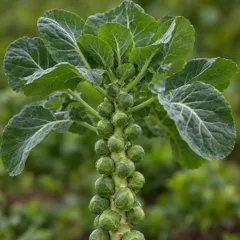
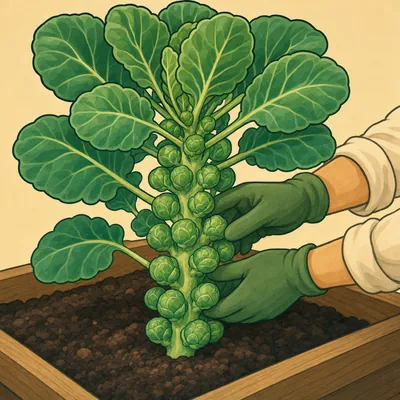
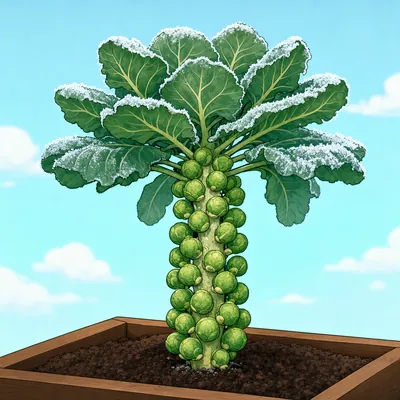
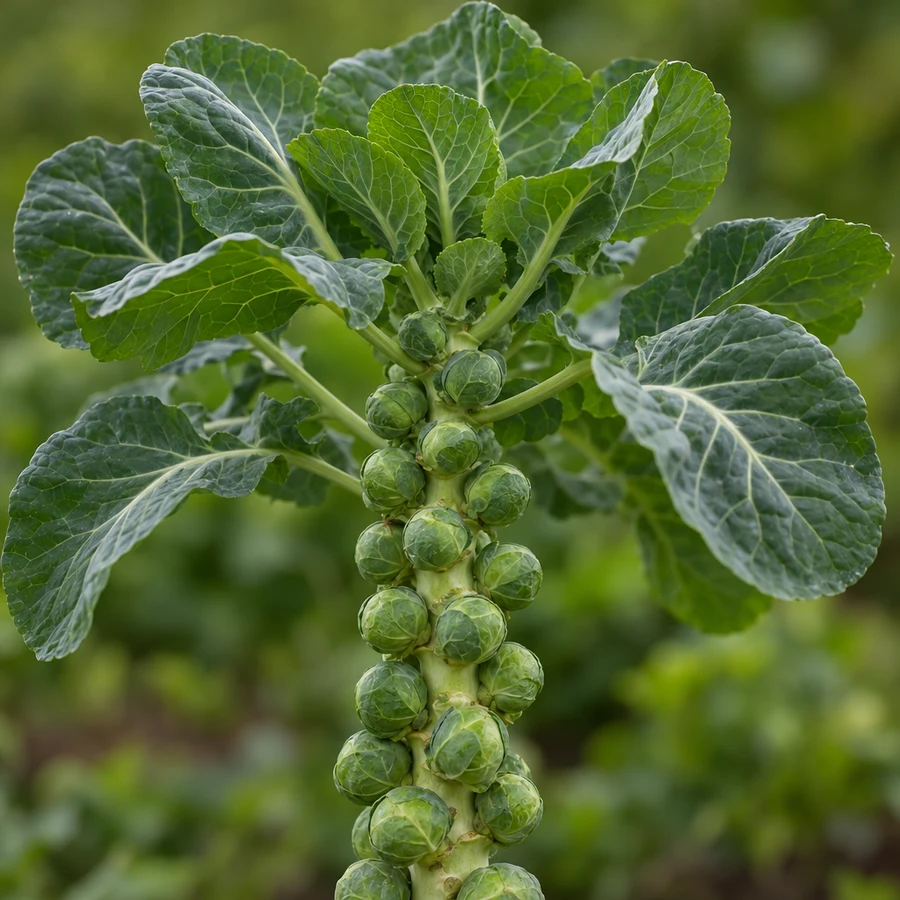
A Brussels sprout plant looks a bit like a green walking stick with an umbrella of big leaves on top. The sprouts sit in the joints where each leaf meets the stem, studding it from the soil line up like buttons on a winter coat. Plants stand 2 to 3 feet tall by fall.
This is a crop you plan in spring and pick in the cold. Seeds go in while the weather is warm, the plants bulk up all summer, and the sprouts fill out once nights turn cool. A touch of frost makes them sweeter, so the best picking often comes in November. A short row gives a steady supply for weeks in fall and early winter, as long as the soil is rich and firm.
Recent community discussions
No one has talked about Brussels Sprouts yet. Be the first.
At a glance
| Plant type | Cool-season vegetable |
| Botanical name | Brassica oleracea var. gemmifera |
| Annual or perennial | Biennial, grown as an annual |
| Sun | Full sun |
| Water | 1 to 1.5 inches per week, evenly |
| Spacing | 18 to 24 inches |
| Planting depth | 1/4 to 1/2 inch |
| Days to germinate | About 5 to 10 at 70 to 80°F |
| Days to maturity | About 90 to 110 from transplant |
| Best USDA zones | 3 to 10 as a seasonal crop |
| Soil pH | 6.0 to 7.5 |
From planting to harvest
Is it brussels sprouts weather where you are? See everything to plant this month or read your zone notes.

Start indoors 6–8 weeks before last frost, transplant outdoors when soil is workable. Best sown mid to late summer for fall harvest.

85–100 days.

Zones 4–7, late fall when sprouts are firm and green.

Firm, fertile clay loam, pH 6.0–7.5. Benefits from high organic matter.
Pests to watch for

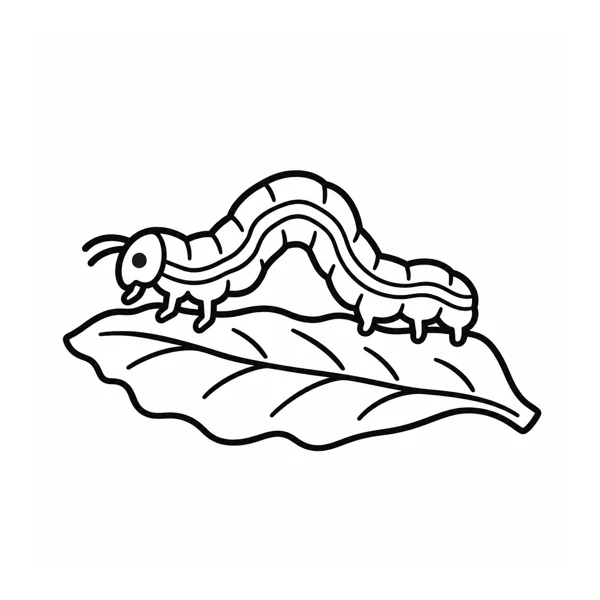


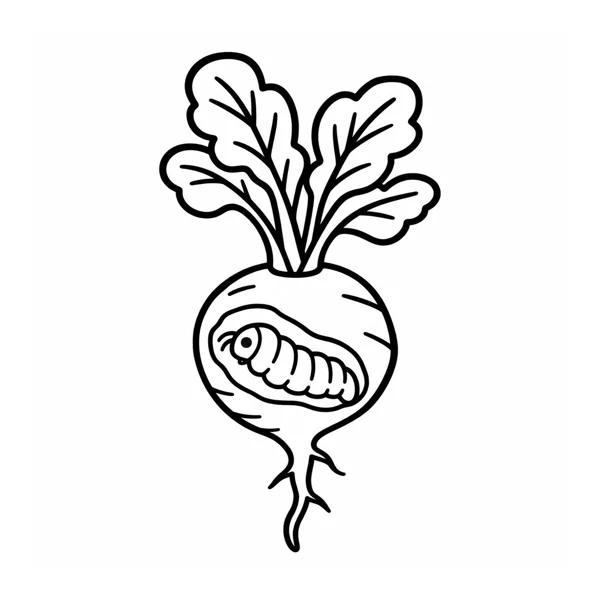
Diseases
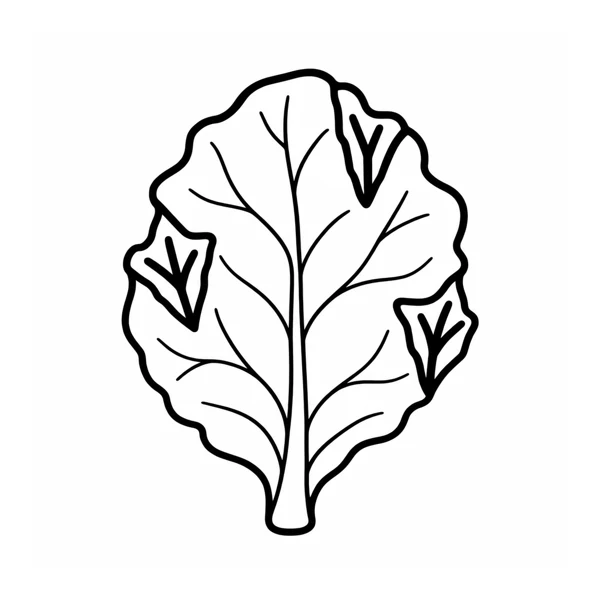
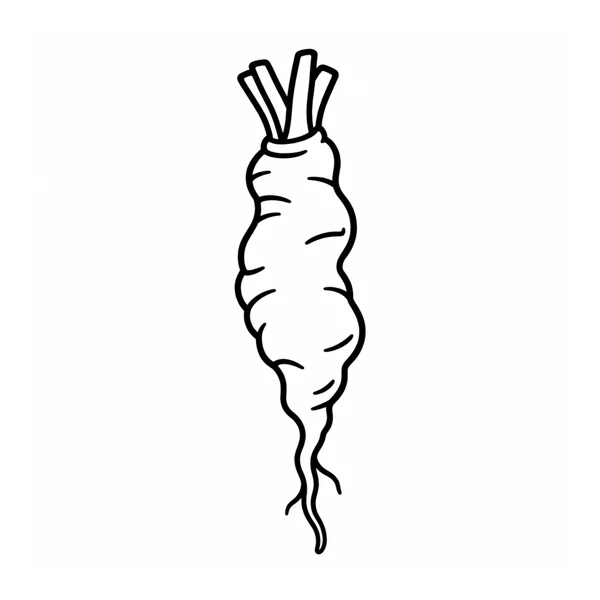


A little history
Brussels sprouts take their name from Brussels, Belgium, where they were grown for centuries before spreading through northern Europe. In North America, French settlers grew them in Louisiana, and commercial growing began there in 1925 before moving to coastal California. Most US sprouts still come from California's cool coast today.
When to sow in your zone
Spring: Only worth trying if your summers stay cool. In most gardens, sprouts that mature in summer heat turn loose and bitter, so a fall crop is the better bet.
Fall: Start seed indoors in late spring to early summer. Set the seedlings out 4 to 6 weeks after sowing, once they have a few true leaves. From there they need about 3 to 4 months after transplanting (4 to 5 months from seed) to mature, which lands the harvest in cool fall weather. The cabbage and broccoli seed-starting post walks through the same steps.
Zone by zone: In the coldest zones, such as zone 4, sow at the early end of the window so plants are well grown before hard freezes. In the middle zones, like zone 6 and zone 7, early summer sowing gives a harvest from October into early winter. In zones 8 to 10, such as zone 9, sow in late summer and transplant in fall for sprouts through the winter. Not sure of your zone? Start at the zones page.
Growing it, step by step
Sowing the trays
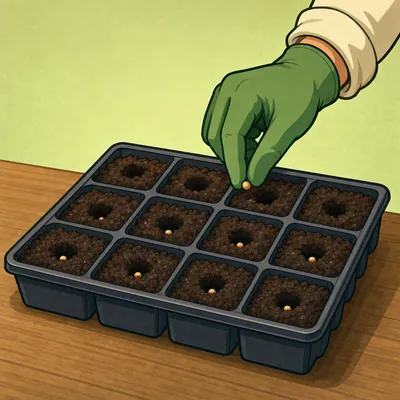
Sow seed 1/4 to 1/2 inch deep in trays. Seeds come up in about 5 to 10 days when the mix is 70 to 80°F. Once they're up, grow them on a little cooler under bright light, and shade them from harsh afternoon sun if you're raising them in summer. Toughen them up outdoors for a week before planting, as in hardening off seedlings.
Setting them out
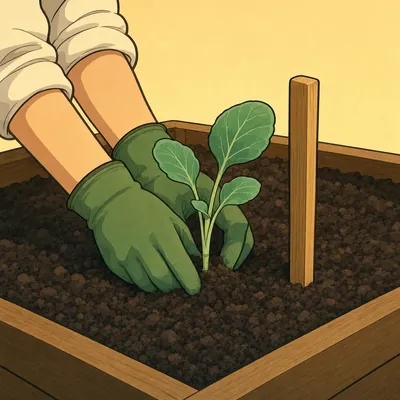
Plant 18 to 24 inches apart, a little deeper than they sat in the pot, and press the soil firmly around each stem. Loose soil gives loose sprouts. The transplanting post has tips for getting them settled without a sulk.
Water and mulch
Keep the soil evenly moist, about an inch or more a week. A 2 to 3 inch layer of mulch holds that moisture and keeps the roots cool through the long summer stretch.
Feeding
Work in plenty of compost before planting. Side-dress with nitrogen once, about 3 to 4 weeks after transplanting, when the plants are roughly a foot tall. Go easy after that: too much nitrogen late in the season gives big leafy plants with soft, loose sprouts.
Keeping it happy
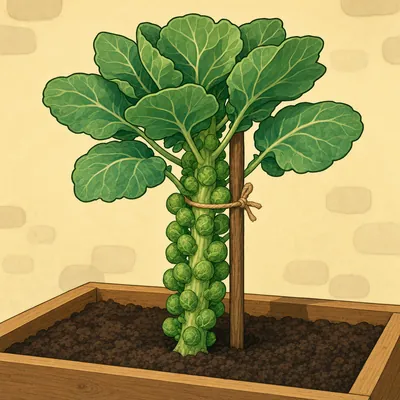
Stake tall plants in windy spots. As the sprouts form, pull off the lower yellowing leaves. About 3 to 4 weeks before your final harvest, pinch out the growing tip so the remaining sprouts size up together. Rotate brassicas so the same bed doesn't grow any cabbage-family crop for at least 4 years. Our crop rotation post shows how to plan the beds.
Trouble in the bed
- Cutworms: Wrap a paper or cardboard collar around each transplant's stem.
- Cabbage root maggots: Cover new transplants with row cover, tucked in at the edges.
- Cabbage worms and loopers: Use row cover, hand-pick, or spray Bt.
- Cabbage aphids: Spray them off with water, use insecticidal soap, and remove badly infested sprouts.
- Flea beetles: Cover seedlings with row cover.
- Slugs: Hand-pick or use iron phosphate bait.
- Clubroot: Rotate for at least 4 years, and lime the soil to slightly alkaline, about pH 7.2, before planting where clubroot has shown up.
- Alternaria leaf spot: Pick off spotted lower leaves, space plants for airflow, and clear up crop debris in fall.
- Black rot and downy mildew: Use clean seed and water at the base.
Good neighbors



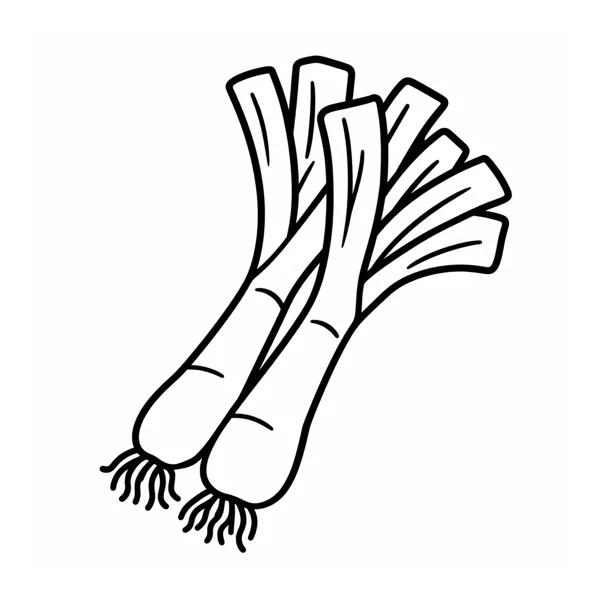
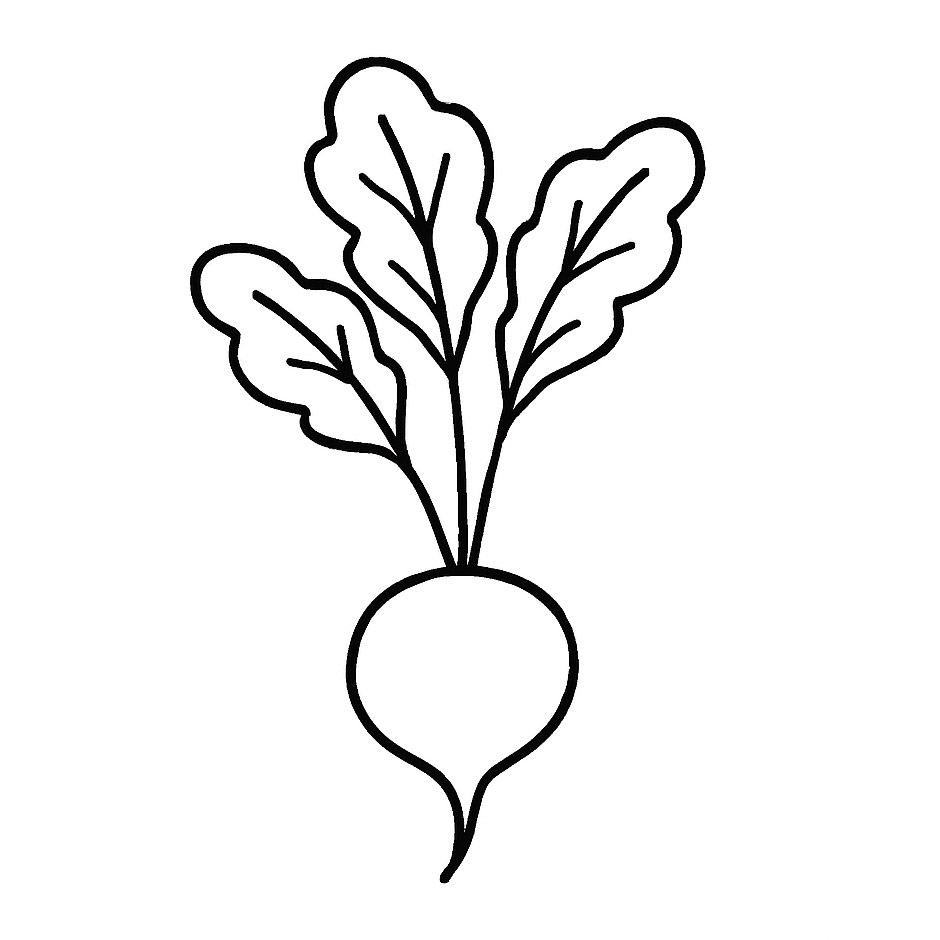
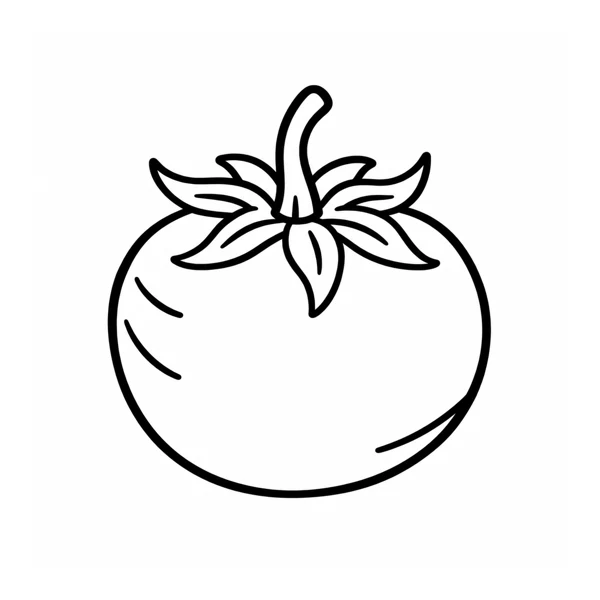
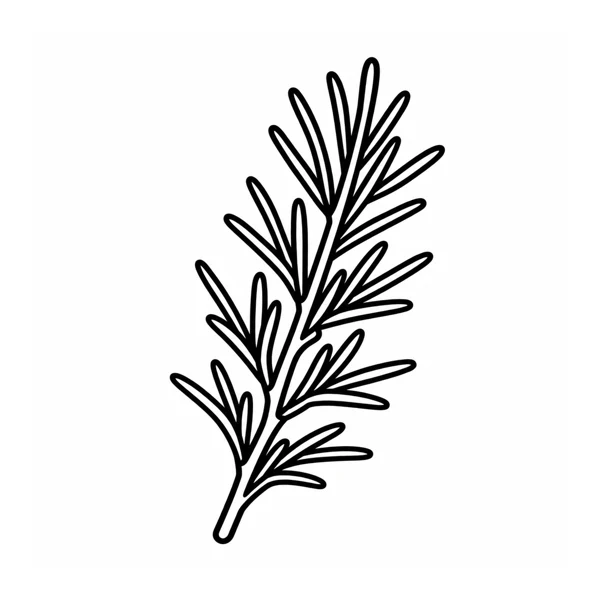



Good: Onions, leeks, chives, garlic, dill, chamomile, celery, rosemary, beets, lettuce, peas, and radishes.
Avoid: Potatoes nearby, and following other brassicas in the same bed.
Seeds that grow well in your area in November
Affiliate links — shopping through these helps keep Evening Vines free. Stinging Nettle
 Smooth Blue Aster
 Polka Dot Mix
 Black-Eyed SusanSeeds
Varieties worth growing
- Long Island Improved: A reliable heirloom with uniform sprouts. Seeds
- Jade Cross: An early, compact hybrid.
- Churchill: A productive early hybrid with tight, evenly spaced sprouts.
- Diablo: A vigorous hybrid with large sprouts.
- Red Bull: Red-purple sprouts with a sweet flavor.
- Falstaff: A red type that keeps its color when cooked.
Brussels Sprouts seeds to buy
Affiliate links — shopping through these helps keep Evening Vines free.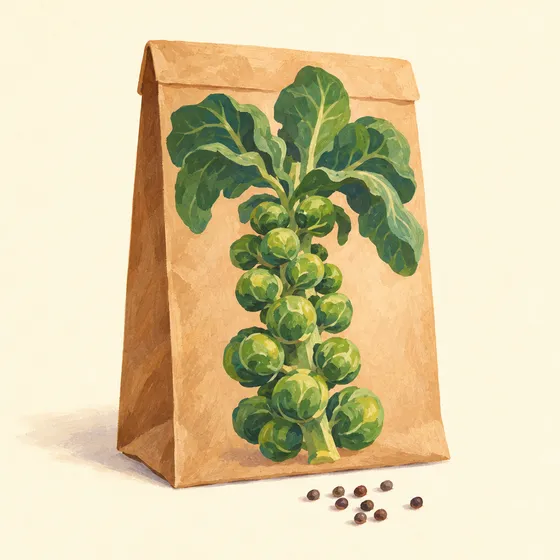 Long Island Improved
Picking notes
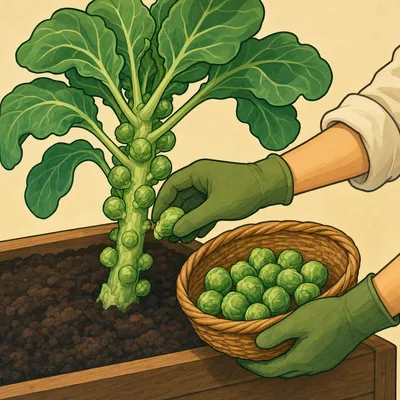
Pick from the bottom up once the sprouts are firm and 1 to 2 inches across, ideally after a frost or two. Twist or snip them off. Harvest every few days for weeks. In mild zones, plants keep producing into winter.
Saving seed for next year
Brussels sprouts are biennials that cross with other cabbage-family crops such as cabbage and broccoli. In mild climates, overwinter a healthy plant and let it flower in spring, well away from other brassicas. Collect the pods once they're dry.
From garden to table
Brussels sprouts offer vitamins C and K, fiber, and folate. Roast them with oil for a sweet, caramelized flavor, or shave them raw into slaws. Overcooking brings out a sulfur smell.
Questions from the potting bench
Why are my sprouts loose? Loose soil, heat, or too much nitrogen. Firm the soil, go easy on late feeding, and time the planting so the sprouts form in cool fall weather.
Do I need frost? It's not required, but a few frosts make the sprouts sweeter.
How long do plants take? About 3 to 4 months from transplant, or 4 to 5 months from seed.
Grower reports
How did Brussels Sprouts do in your garden? Members rate it and say which zone and month they planted, so everyone can see what works near them.
Recent community discussions
No one has talked about Brussels Sprouts yet. Be the first.
Seeds to try
Affiliate links — shopping through these helps keep Evening Vines free.Essentials for Growing Brussels Sprouts
 Grow Bags
Breathable fabric pots: grow almost anything on a patio, balcony or driveway, and roots never circle.
See it →
 Insect Netting
Fine mesh that keeps cabbage worms, flea beetles and birds off your crops, no sprays needed.
See it →
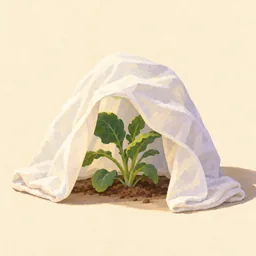 Frost Cloth
Throw it over young plants on cold spring and fall nights.
See it →
 Garden Hand Tools
Trowel, transplanter and cultivator: the three tools you reach for most.
See it →
 Plant Labels
Waterproof markers so you know what's coming up where.
See it →
 Organic Fertilizer
Slow-release organic plant food for vegetable beds and containers.
See it →
