
Cat Grass
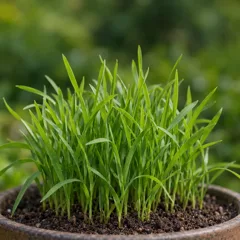
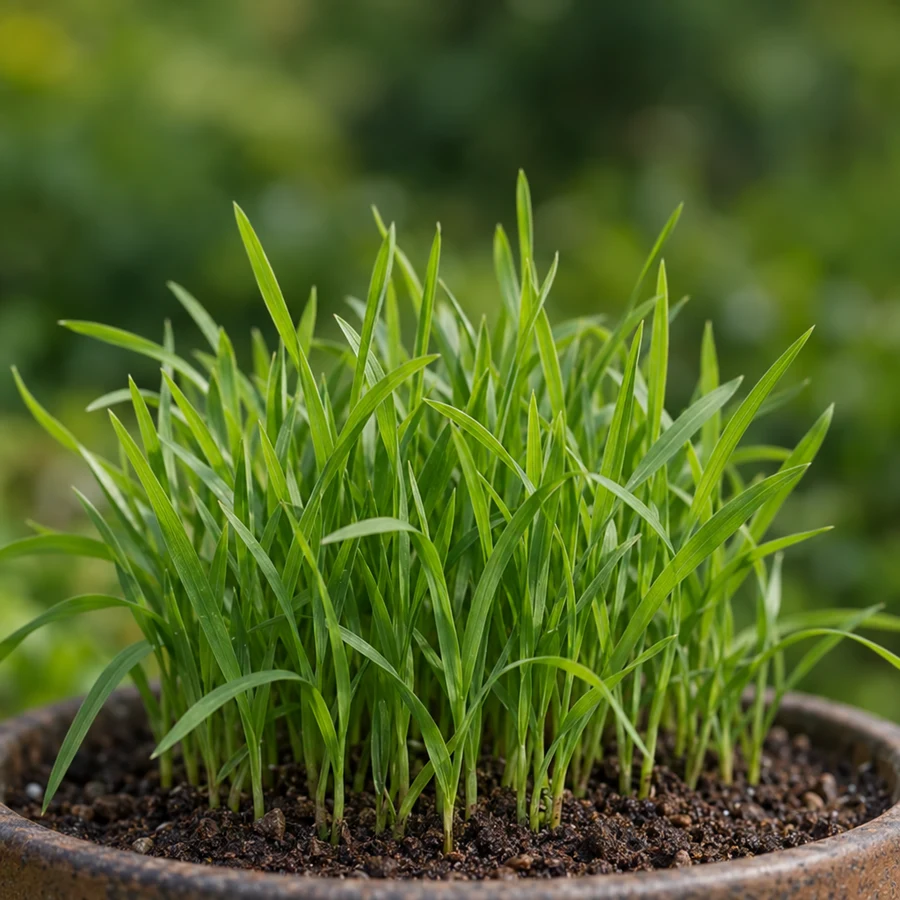
Cat grass isn't one plant. It's what we call a pot of young cereal grass grown for a cat to chew, most often oats or an oat blend, sometimes with wheat, barley or cereal rye mixed in. Ours lives on the kitchen windowsill, and the cat checks on it more often than we do.
It's the simplest thing we grow all year. You scatter seed in a shallow pot, keep it damp, and in about two weeks there's a little green lawn ready to be grazed. It doesn't need fertilizer, a garden or a particular season, which makes it a good first crop for anyone who wants to grow cat grass indoors.
Why cats graze at all is still an open question. A pot of their own may help, and it gives them something green to chew that isn't one of your houseplants.
Recent community discussions
No one has talked about Cat Grass yet. Be the first.
At a glance
| Category | Other |
| What it is | Young cereal grass: oat, wheat, barley or cereal rye, alone or as a blend |
| Where to grow it | A shallow pot indoors, any month of the year |
| Ready for nibbling | About 10 to 14 days after sowing |
| One pot lasts | About 2 to 4 weeks |
| Soil | Fresh potting mix |
| Light | A sunny window or a grow light |
Is it cat grass weather where you are? See everything to plant this month or read your zone notes.

Sow indoors or outdoors anytime spring?fall. Germinates quickly in cool to moderate temps; can be grown year-round indoors.

Germinates in 5–7 days; ready in 10–14 days; replaced after 2–3 weeks.

Zones 3–10 outdoors, harvested every 2–3 weeks in spring?summer; indoors year-round in all zones.

Adapts to most soils but grows best in loose sandy loam, pH 6.0–7.5.
Pests to watch for




Diseases
Mateo is researching the diseases that affect this plant.
A little history
Nobody can say when people first grew grass in a pot for a cat, and we haven't found a trustworthy date for it. What we do know is newer: researchers have been asking why cats eat plants at all. A study from UC Davis surveyed cat owners and found that short-haired cats ate plants about as often as long-haired ones, which doesn't fit the old idea that grass is mainly for bringing up hairballs. Most of the cats in that study also seemed perfectly well before and after grazing. Vets at Texas A&M say the reasons simply aren't fully understood.
When to sow in your zone
Indoors, any month works. Cat grass doesn't care what's happening outside, so even in the middle of winter you can start a pot today. That's why it doesn't follow your area's frost dates the way garden crops do.
Outdoors, sow it in the cool season, once the soil has warmed to about 50°F in spring, or in early fall. Oats and wheat are cool-weather grains, so they grow best in mild weather wherever those crops are grown. Most people find the windowsill easier, though, because the cat can reach it and you can keep an eye on the watering.
For a steady supply, start a fresh pot about every two weeks.
Growing it, step by step
The windowsill pot
Pick a shallow pot or tray with drainage holes, about 3 to 4 inches deep. Fill it with fresh potting mix or seed-starting mix (or make your own). There's no need to add compost or fertilizer for a crop that's eaten in a couple of weeks.
Buy untreated seed, the kind sold as cat grass, wheatgrass or sprouting seed. Treated garden seed is coated with fungicide, and that has no place in a pot your cat is going to chew.
From seed to first nibble
- Scatter the seed thickly, so the seeds sit roughly ¼ inch apart. You want a dense little lawn, not single plants.
- Cover with about ¼ inch of mix and water gently until the whole pot is damp.
- Set the pot in your brightest spot, a sunny window or a few inches under a grow light, and leave it there from sowing day on.
- Shoots usually show within about a week.
- Once the grass is about 2 to 6 inches tall, which takes about 10 to 14 days (a little less in a warm room), put the pot where your cat can reach it.
When to start the next pot
Sow the next pot when the current one is about a week old. That way a fresh one is ready by the time the first starts to flop or yellow.
Keeping it happy
Water little and often. Keep the mix damp but never soggy, and let the surface dry slightly before you water again. Watering from below works well: stand the pot in a dish of water for a few minutes, then let it drain (see our bottom watering post).
Don't feed it and don't spray it. The whole crop goes into your cat, so skip fertilizers and pesticides of every kind.
Turn the pot every few days if the grass leans toward the window. A grazed pot looks ragged quickly, and that's fine. When the blades start to yellow and fall over, usually after 2 to 4 weeks, the pot has done its job. Tip the old mix and roots into the compost and start again.
Trouble in the bed
Indoors, the troubles almost all come from too much water.
- Mold on the soil or seeds. Fuzzy gray, white or green growth on the surface means the pot is staying too wet or too crowded with no air moving. Some seeds grow fine white root hairs in the first days, which can look like mold, so look closely: root hairs sit on the roots and disappear once the soil is watered, while mold spreads across the surface. If it really is mold, don't try to rescue the pot. Throw it out, wash the container, and water less next time.
- Damping-off. Young shoots that pinch at the base and topple over are a sign of damping-off, caused by soil fungi and water molds that thrive in cold, soggy, poorly drained mix. Extension services at Penn State, Utah State and Wisconsin all agree that prevention is the only real cure: use fresh mix and a pot with drainage holes, don't overwater, and don't let the pot sit in water.
- Fungus gnats. Tiny black flies hovering over the pot mean the mix is staying wet. Let it dry a little between waterings and they usually fade away.
Outdoors, cat grass is cut so young that it rarely has time to pick up the leaf diseases that grain crops get later in the season.
Good neighbors









None. Cat grass grows alone in its own pot, and it's best kept that way so the cat only has the grass to chew. Keep it well away from houseplants that are toxic to cats, such as lilies. A pot of grass isn't a reason to keep those in the house.
Seeds that grow well in your area in November
Affiliate links — shopping through these helps keep Evening Vines free. Arugula Microgreens
 Organic Alfalfa
 Organic Wheatgrass
 Purple Coneflower
Varieties worth growing
Most cat grass seed is sold as a mix, and the label tells you what's in it. Here's how the four usual grasses compare from the grower's side:
- Oats (Avena sativa). The usual base of cat grass, and the one Iowa State Extension names first. If you only buy one, buy oats. Seeds
- Wheat (Triticum aestivum). The same seed as wheatgrass. It's often mixed with oats, and you can grow it on its own the same way. Seeds
- Barley (Hordeum vulgare). Turns up in some blends. Grow it exactly like oats. Our barley page covers it as a grain crop. Seeds
- Cereal rye (Secale cereale). When a mix says "rye," this is the grain it means. Don't confuse it with perennial ryegrass, which is a lawn and pasture grass and not one we'd put in a cat's pot.
A blend gives you a mix of blade widths and textures, and some cats seem to have favorites. Try a pot of plain oats beside a blend and watch which one gets chewed down first.
Cat Grass seeds to buy
Affiliate links — shopping through these helps keep Evening Vines free. Organic Cat Grass
Picking notes
There's nothing to harvest, really. The cat does that part. Let your cat graze the pot directly, or snip a small handful with scissors and offer it in a dish if the pot keeps getting knocked over.
The grass is at its best from about 2 to 6 inches tall. After 2 to 4 weeks it gets tough and yellow, and it's time for the next pot.
Saving seed for next year
Saving seed from cat grass isn't practical. The grass is eaten long before it could flower and set grain. Buy fresh, untreated seed instead. A bag goes a long way, and it keeps well in a cool, dry place (see storing leftover seeds).
From garden to table
For your cat, cat grass is mostly roughage. Texas A&M's vets say it may supply small amounts of vitamins, but nobody knows for sure why cats seek it out. It doesn't replace a cat's normal food.
Some cats bring up a bit of grass now and then. That's common and usually nothing to worry about, but if your cat vomits often, seems unwell, or eats grass constantly, ask your vet.
For people, the same young grass, grown from wheat, is the wheatgrass that some juice. If you enjoy the windowsill routine, microgreens are grown in much the same way.
Questions from the potting bench
How long does cat grass take to grow? Shoots appear within about a week, and the pot is ready for your cat in about 10 to 14 days, once the grass is 2 to 6 inches tall.
Can I grow cat grass indoors in winter? Yes. It's an indoor crop first and foremost. Give it a sunny window or a grow light and it grows in any month.
How often should I start a new pot? About every two weeks. Each pot stays fresh for roughly 2 to 4 weeks.
Why is my cat grass going moldy? Almost always too much water or too little air. Throw out a moldy pot, then water less often and make sure the next pot drains well.
Is cat grass the same as catnip? No. Catnip is a mint with a scent many cats react to. Cat grass is young cereal grass for chewing. You can grow both: see our catnip page.
Grower reports
How did Cat Grass do in your garden? Members rate it and say which zone and month they planted, so everyone can see what works near them.
Recent community discussions
No one has talked about Cat Grass yet. Be the first.
Seeds to try
Affiliate links — shopping through these helps keep Evening Vines free.Essentials for Growing Cat Grass
 Grow Bags
Breathable fabric pots: grow almost anything on a patio, balcony or driveway, and roots never circle.
See it →
 Seed Starting Tray
Reusable tray with a clear dome to give seeds a warm, humid start indoors.
See it →
 LED Grow Light
Full-spectrum light for sturdy seedlings through short winter days.
See it →
 Watering Can
Long-spout can for gentle watering of seedlings and pots.
See it →
 Plant Labels
Waterproof markers so you know what's coming up where.
See it →
 Organic Fertilizer
Slow-release organic plant food for vegetable beds and containers.
See it →
